
Java (Jakarta, Yogyakarta, Bromo)
Ancient temples and smoking volcanoes in the Ring of Fire 🌋🕌
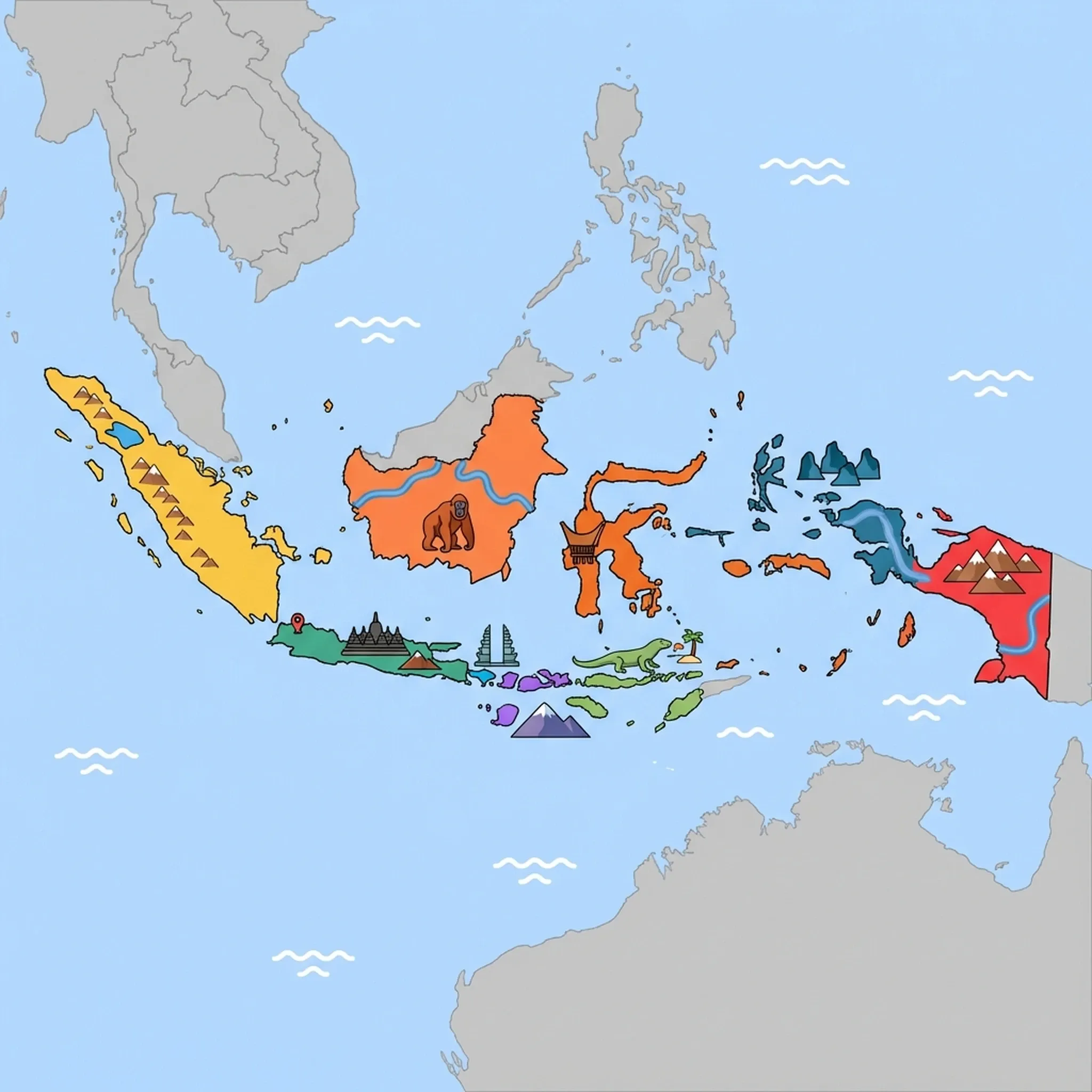
Click a region to explore
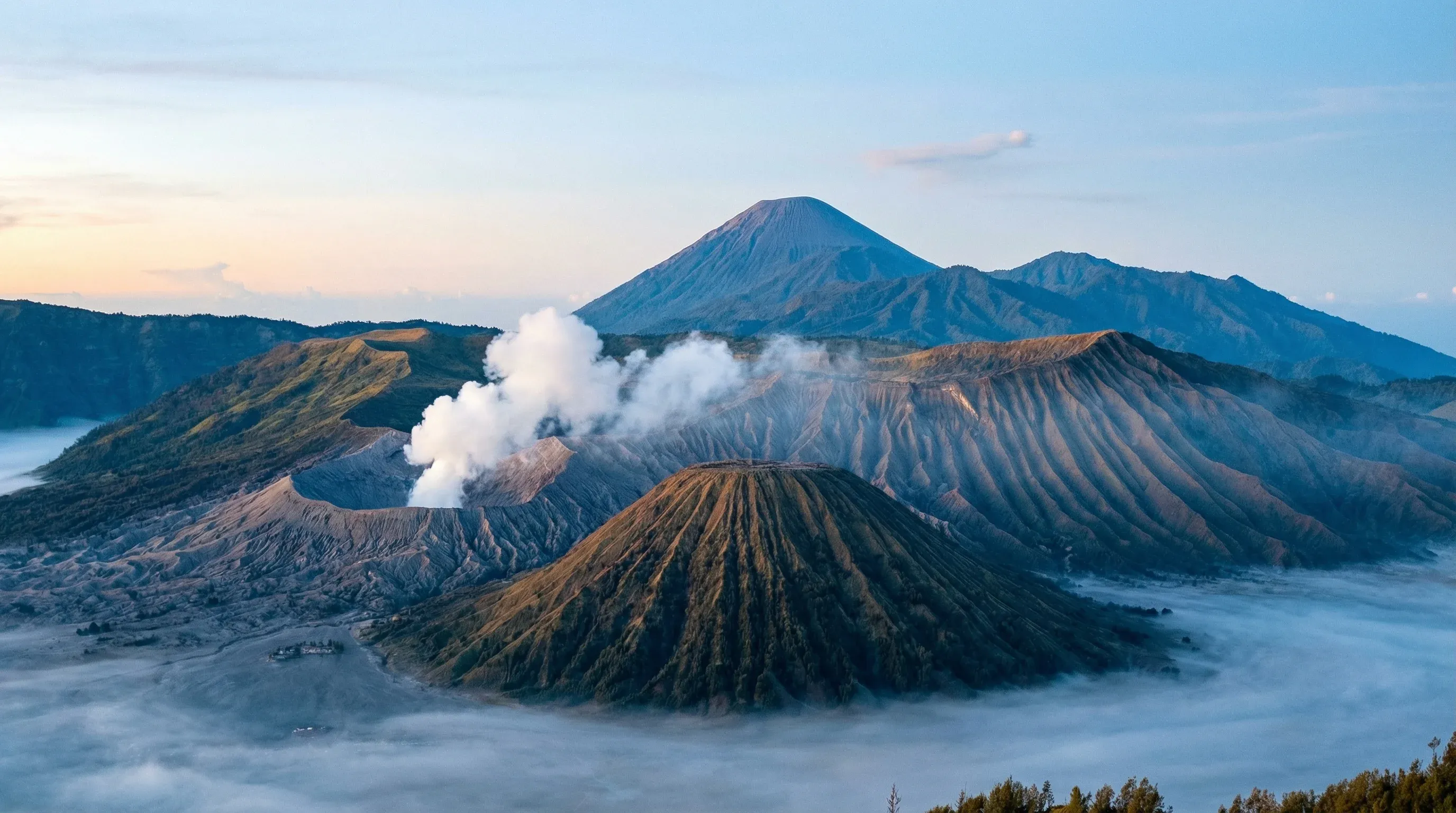
Java is an island of intense contrasts, where ancient traditions coexist with modern city life and volatile geology. For families, it offers some of Southeast Asia's most iconic educational experiences. A trip here is a journey through history—from the Dutch colonial buildings of Jakarta to the majestic Hindu and Buddhist empires of Central Java. The island's geography is dominated by a chain of volcanoes that provide spectacular, accessible adventures for older children and teens, such as watching the sunrise over a smoking crater.
Yogyakarta (often called "Jogja") is the cultural soul of Java and the best base for families. It is less chaotic than Jakarta and rich in art, batik making, and puppetry. The pace of life here is gentle, and the people are incredibly welcoming to children. East Java shifts the focus to nature, with national parks that look like they belong on another planet. While travel distances can be long, the comprehensive train network makes moving between cities scenic and comfortable for families.
Key Attractions
Two UNESCO World Heritage sites near Yogyakarta are mandatory stops. Borobudur Temple is the world's largest Buddhist temple; its bell-shaped stupas are mesmerizing for children to explore (try the early morning session to beat the heat). Nearby, the Kraton Ngayogyakarta Hadiningrat (Sultan's Palace) offers a glimpse into living royal traditions with gamelan performances.
For nature lovers, Mount Bromo in the Bromo Tengger Semeru National Park is unforgettable. Families can take a 4x4 jeep across the Sea of Sand and then walk (or ride a horse) up to the crater rim—an adventure that feels huge but is achievable for active kids. In Batu (near Malang), the Batu Secret Zoo (Jawa Timur Park 2) is surprisingly world-class, with modern enclosures and interactive exhibits that rival top western zoos. Back in Jakarta, the vast Monas (National Monument) provides a history lesson and panoramic city views.
Practical Advice
Java is hot and humid. Plan temple visits for early morning. The train is the best way to travel between Jakarta, Yogyakarta, and Surabaya—book "Executive" class for comfortable A/C seating.
Food & Drink
Typical meal times: Lunch 11:30 am to 1:30 pm, dinner 6:30 pm to 9:00 pm.
Typical meal costs: Very affordable. A family of four can eat well for Rp 150,000–300,000 (approx. $9.50–19 USD / €9–18 EUR). Street snacks are under Rp 10,000 ($0.65 USD).
Dietary requirements: Good. Gudeg (jackfruit stew) is a vegetarian staple in Jogja. Tofu and tempeh are major protein sources island-wide.
Signature dishes:
- Gudeg – A sweet, dark stew made from young jackfruit, palm sugar, and coconut milk, a specialty of Yogyakarta often served with rice and chicken.
- Bakso – Savory meatball soup with noodles, found in pushcarts everywhere. A kid favorite for its simple, comforting flavor.
- Nasi Rawon – A rich beef soup from East Java, black in color due to the use of keluak nuts, giving it a unique nutty flavor.
Why this score?
Adventure is found in climbing active volcanoes and navigating the island's bustling cities, though the experience is supported by a robust network of trains, roads, and hotels. It offers a moderate level of outdoor challenge while remaining accessible to most prepared families.
Why this score?
Jakarta offers the best medical care in Indonesia, with several world-class private hospitals that meet international standards and employ English-speaking specialists. Yogyakarta and Surabaya also provide reliable medical services, making Java the most medically secure region in the country.
Why this score?
Java is a major international draw, combining the cultural power of Borobudur and Prambanan with the business hub of Jakarta and the iconic volcanic landscapes of Bromo. It supports a massive hospitality industry and sees heavy visitor traffic throughout the year.

Java is generally cheaper than Bali. High-end hotels in Yogyakarta often cost Rp 800,000–1,500,000 (approx. $50–95 USD / €48–90 EUR). Executive train tickets are a bargain at Rp 350,000–600,000 ($22–39 USD). Street food meals can be found for Rp 20,000 ($1.30 USD).

Getting Here & Around
Getting Here
- Airports – Soekarno-Hatta (CGK) in Jakarta is the main international hub. Yogyakarta International Airport (YIA) and Juanda International (SUB) in Surabaya serve the central and eastern regions.
- Train – Excellent inter-city trains run the length of the island, connecting Jakarta to Yogyakarta (approx. 7 hours) and onwards to Malang/Surabaya.
Getting Around
- Train – The most family-friendly option for long distances. Views of rice paddies and volcanoes are stunning.
- Ride-hailing – Grab and Gojek are ubiquitous in cities and very cheap for getting from hotels to attractions.
- Jeep – Essential for the Bromo Tengger Semeru National Park sunrise tours.
Nearby Airports (11 airports)
Blimbingsari Airport
BWXBanyuwangi
Soekarno Hatta International
CGKJakarta
Dhoho International Airport
DHXKediri
Halim Perdanakusuma International
HLPJakarta
Adi Sutjipto
JOGYogyakarta
Kertajati International Airport
KJTMajalengka
Abdul Rachman Saleh
MLGMalang
Solo City
SOCSurakarta
Achmad Yani
SRGSemarang
Juanda
SUBSurabaya
New Yogyakarta International Airport
YIAYogyakarta
View full flight map for Indonesia →
Official Links

Packing List
Sunrise at Mount Bromo can be near freezing (0–5°C), a shock after the coastal heat.
The Sea of Sand at Bromo gets very dusty; essential for protecting children's lungs.
You will take shoes off constantly when entering temples, mosques, and traditional houses.
Essential for protecting feet from sharp coral and rocky seabeds on island day trips.
Versatile as a beach towel, blanket for cold AC transport, and mandatory cover-up for temple visits.
A local lifesaver for quickly managing 'Bali Belly' or mild stomach upsets.
Crucial for boat transfers, sudden tropical downpours, and water parks.
Ferry crossings between islands (like Bali to Lombok) can be notoriously choppy.
Useful for unlit paths in rural areas and occasional power outages on smaller islands.

Activities & Best Times

Hiking, wildlife, outdoor exploration, ecotourism
Home to world-class volcanic landscapes like Bromo and Ijen, offering unique sunrise treks and crater exploration. Peak months provide the dry conditions and clear visibility essential for safe mountain trekking and optimal photography.

Urban tourism, museums, historical sites, architecture
Yogyakarta serves as a sophisticated cultural hub with the Kraton and proximity to Borobudur, while Jakarta offers high-end dining and historic quarters. The dry season is preferred to avoid the heavy tropical monsoons that can disrupt urban exploration.

Sport tourism, fitness activities, active recreation
Offers world-renowned trekking routes on Mount Bromo and the challenging Ijen Crater trail. Activity is concentrated in the dry months when trails are stable and safe for active families.

Beach resorts, marine activities: diving, snorkelling, kite surfing, wind surfing, sailing
Pangandaran and the South Coast offer scenic coastal vistas, though sea conditions can be rough for swimming. The dry season ensures safer water conditions and clearer visibility for coastal recreation.

Learning experiences, scientific sites, historical education
Jakarta and Yogyakarta offer significant museums and science centers like Taman Pintar that provide deep dives into Indonesian history and science. Best visited during dry periods to facilitate travel between disparate educational sites.

Spa retreats, wellness centers, peaceful getaways
The region features natural thermal springs like Sari Ater, though it lacks the concentrated wellness retreat culture found in Bali. Cooler highland temperatures in the dry season enhance the restorative experience of the hot springs.

Scenic drives, countryside tours, route-based travel
The Pansela and Bromo highland routes offer spectacular scenic driving opportunities through volcanic and coastal terrain. Peak months are critical for road safety and clear panoramic views over the Javanese landscape.

Amusement parks, family entertainment venues
Features established venues like Dunia Fantasi and Taman Mini Indonesia Indah, providing localized but large-scale family entertainment. Peak visiting coincides with international school holidays and drier weather for outdoor attractions.

Events, celebrations, seasonal attractions
Hosts internationally significant events like Java Jazz and the Waisak ceremony at Borobudur. Peak months are tied strictly to the lunar calendar and event schedules for these specific cultural highlights.

Attractions (37 total)



Public Holidays & Calendar Next 12 months
Public holidays, festivals, cultural celebrations, and seasonal natural phenomena coming up in Java (Jakarta, Yogyakarta, Bromo) over the next 12 months.
Loading holidays and events...

Travel Advisory
All major agencies agree that travelers should exercise a high degree of caution due to threats from terrorism, civil unrest in specific provinces, and frequent natural disasters. Increased vigilance is required, especially in crowded tourist areas and near active volcanoes.
Safety Topics
Traveller Advice (4 groups)

While not generally illegal nationwide, local culture is conservative. Travelers should be aware of regional differences in social acceptance and exercise discretion in public conduct.

Ensure passports have at least six months of validity and no damage, as entry is strictly denied otherwise. All visitors must complete a digital arrival card and, if visiting Bali, pay a mandatory provincial tourist levy.

Solo female travelers may face a higher risk of harassment or petty crime. It is recommended to use reputable taxi services and avoid walking alone in poorly lit or isolated areas at night.

Standard tourist visas and visa-on-arrival do not permit volunteering or work. Engaging in such activities can lead to arrest, fines, or deportation.
Agency Summaries
Increased vigilance is necessary because of the potential for terrorism and the frequency of natural disasters. While tourist areas are generally accessible, certain provinces in Papua are designated as 'Do Not Travel' zones due to civil unrest and armed violence.
Irish citizens should be cautious and well-prepared for travel, ensuring all entry documentation is in order. Vigilance is required regarding personal safety and the risks posed by local geological activity and social tensions.
Maintain a high level of security awareness due to the potential for terrorist activity and civil unrest. Natural hazards such as earthquakes and volcanic eruptions are common. Specific caution is advised regarding petty crime and methanol poisoning in tourist hotspots.
General travel requires high caution, but specific exclusion zones are in effect around numerous active volcanoes. There is a consistent threat of terrorism, and travelers should be aware of strict regulations regarding drugs and visa activities like volunteering.
Heightened safety and security concerns exist, including a elevated risk of terrorism and civil disturbance. Travelers should avoid specific conflict-prone regions in Papua and stay informed about volcanic and seismic activities.
Travelers should remain very vigilant throughout the country due to ongoing social and political instability alongside a persistent threat of terrorist attacks. Specific regions in Papua are under stricter warnings due to violent conflict and kidnapping risks.
Information is provided for general guidance only and does not constitute travel, safety, medical, or legal advice. Conditions may change. Users are responsible for independently verifying information before travel.