
Lombok & Gili Islands
Unspoiled beaches and car-free island bliss 🐢🚲
Click a region to explore
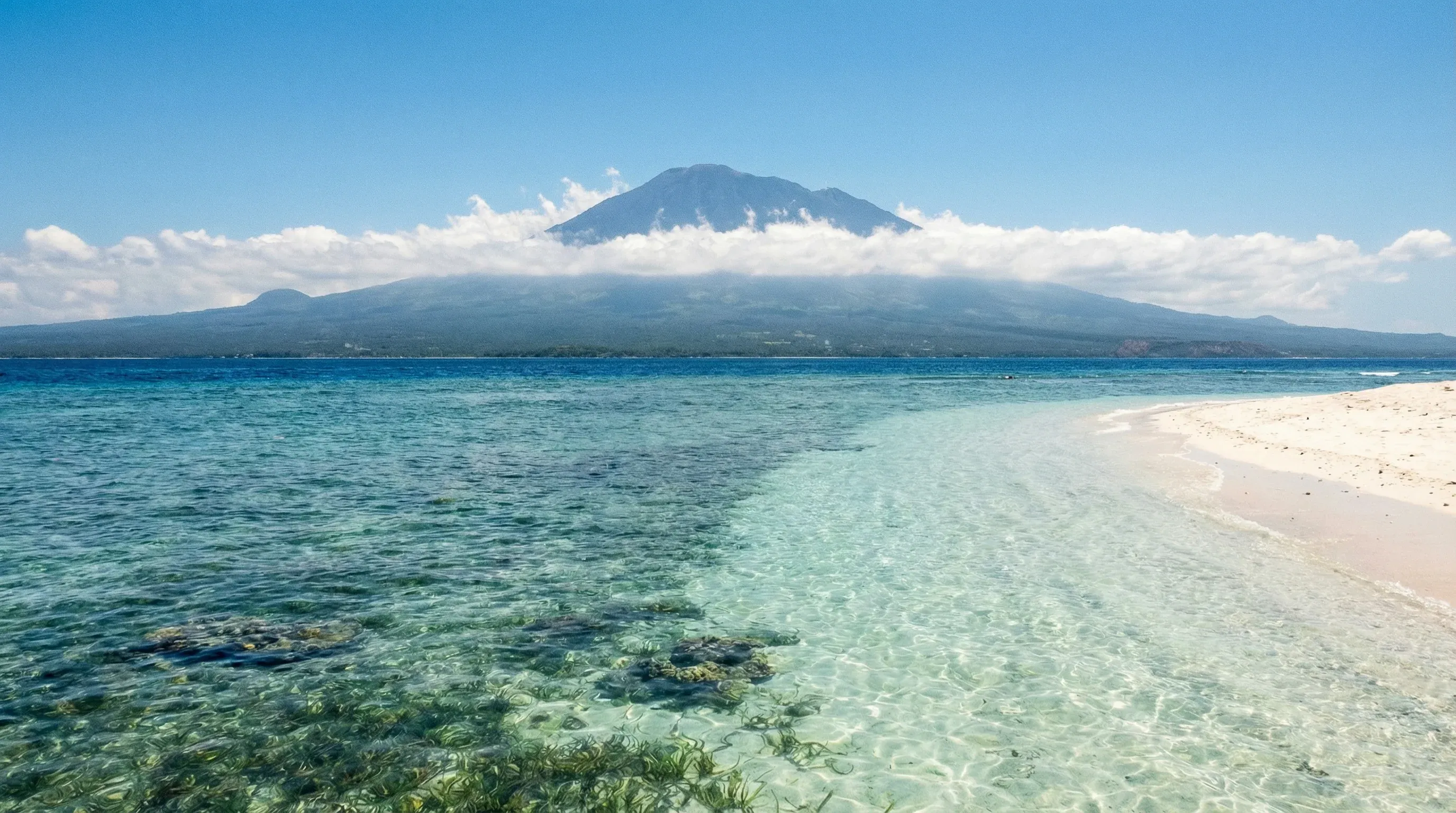
Lombok is often described as "what Bali used to be 30 years ago," but it has its own distinct Sasak culture and drier, more rugged landscape. For families, the immediate draw is usually the Gili Islands—three tiny specks of sand off the northwest coast where motorized vehicles are banned. Transport is by bicycle or cidomo (horse cart), creating a safe, quiet environment where kids can roam relatively freely. Gili Air is particularly good for families, balancing amenities with peace, while Gili Trawangan offers more energy and resorts.
Mainland Lombok offers grand adventures. The southern coast, particularly around Mandalika and Tanjung Aan Beach, features sweeping bays of white 'pepper sand' and gentle rolling hills. The north is dominated by the mighty Mount Rinjani National Park. While the summit trek is too tough for young children, walks in the foothills to waterfalls like Sendang Gile are magical and manageable. The Sasak culture is predominantly Muslim, evident in the thousands of mosques, including the grand Islamic Center Mataram, offering a different cultural texture to Hindu Bali.
Key Attractions
The Gili Islands are the star attraction. Snorkeling directly off the beach to see Green Turtles is easy even for beginners. On the mainland, Tanjung Aan Beach is perfect for toddlers due to its calm, shallow waters and unique sand texture.
For a touch of history and open space, Narmada Park (Taman Narmada) is a historic water palace built in 1727 as a replica of Mount Rinjani's summit lake; it's a great spot for a family picnic. Adventurous families with teenagers might tackle a 2-day trek to the crater rim of Mount Rinjani National Park, though simply visiting the park's waterfalls is enough for most.
Practical Advice
The Gili Islands have no police force (village security instead) and limited medical facilities; for serious issues, you must return to Lombok or Bali. The boat ride can be bumpy—choose a large fast boat or the public ferry if prone to seasickness.
Food & Drink
Typical meal times: 12:00 pm to 2:00 pm lunch, 6:30 pm to 9:00 pm dinner.
Typical meal costs: Slightly cheaper than Bali. A resort meal costs Rp 80,000–150,000 (approx. $5–9.50 USD / €4.80–9 EUR). Local plates are Rp 25,000 ($1.60 USD).
Dietary requirements: The Gili Islands are very tourist-savvy with many vegan/western options. Mainland Lombok is more traditional; expect spicy food by default.
Signature dishes:
- Ayam Taliwang – Spicy grilled chicken (often young, small chicken) marinated in dried red chili, shrimp paste, and garlic. Request 'tidak pedas' (no spice) for kids.
- Plecing Kangkung – Water spinach blanched and served with a zesty tomato-chili sambal and peanuts.
- Sate Rembiga – Spicy beef satay that is a local favorite in Mataram.
Why this score?
The region offers a mix of very easy, relaxed island living in the Gilis and the strenuous multi-day trek of Mount Rinjani. The overall infrastructure is less developed than Bali, allowing for more authentic exploration in Sasak villages and remote coastal areas.
Why this score?
Mataram hosts decent hospitals, and there are many tourist clinics in the Gili Islands for minor ailments. However, for serious emergencies, tourists are typically stabilized and then transferred to the better-equipped facilities in Bali.
Why this score?
As a major alternative to Bali, this region attracts significant international flows to the car-free Gili Islands and the emerging surfing hubs of southern Lombok. It is well-known globally and features a wide range of established tourism infrastructure.

Lombok offers great value. Luxury resorts in Senggigi or the Gilis can cost Rp 1,500,000–3,000,000 ($95–190 USD) per night, but comfortable bungalows are available for Rp 400,000 ($25 USD). Boat transfers from Bali are a significant cost, approx Rp 300,000–600,000 ($19–39 USD) per person one way.

Getting Here & Around
Getting Here
- Ferry / Fast Boat – Fast boats run daily from Bali (Padang Bai or Sanur) to the Gili Islands and Lombok (Bangsal/Senggigi). Takes 1.5–2.5 hours.
- Airports – Lombok International Airport (LOP) in Praya has flights from Jakarta, Bali, and Singapore.
Getting Around
- Cidomo / Bicycle – On the Gili Islands, these are the only options. Renting bikes is essential for family mobility.
- Car with Driver – Essential for exploring mainland Lombok. Distances from the airport to the north are long (3+ hours).
Nearby Airports (3 airports)
Muhammad Salahuddin
BMUBima
Lombok International Airport
LOPPraya
Sultan Muhammad Kaharuddin III Airport
SWQSumbawa Besar
View full flight map for Indonesia →

Packing List
Beaches on the Gili Islands are often full of dead coral fragments that hurt small feet.
Street lighting on the Gili Islands (especially Gili Meno/Air) is minimal; paths get very dark.
Mosque loudspeakers can be quite loud on the small Gili islands, starting at 4:30 am.
Versatile as a beach towel, blanket for cold AC transport, and mandatory cover-up for temple visits.
A local lifesaver for quickly managing 'Bali Belly' or mild stomach upsets.
Crucial for boat transfers, sudden tropical downpours, and water parks.
Ferry crossings between islands (like Bali to Lombok) can be notoriously choppy.
Useful for unlit paths in rural areas and occasional power outages on smaller islands.

Activities & Best Times

Hiking, wildlife, outdoor exploration, ecotourism
Boasts world-class volcano trekking on Mount Rinjani and immersive experiences in traditional Sasak villages. The trekking season is strictly seasonal, with park closures during the peak monsoon months due to safety hazards and heavy rainfall.

Urban tourism, museums, historical sites, architecture
Offers a unique blend of Balinese and Sasak heritage through sites like Narmada Water Palace and local weaving villages. While accessible year-round, the cultural experience is most comfortable during the dry season and festive December period.

Beach resorts, marine activities: diving, snorkelling, kite surfing, wind surfing, sailing
Features pristine white-sand beaches in South Lombok and crystal-clear waters for diving in the Gili Islands. Peak conditions align with the dry season's high visibility and calm seas, while the monsoon brings rougher boat transfers and lower water clarity.

Learning experiences, scientific sites, historical education
Provides high-quality niche learning at turtle sanctuaries and pearl discovery centers, ideal for families seeking authentic marine education. These coastal facilities are best visited when sea conditions allow for easy island-hopping and site access.

Spa retreats, wellness centers, peaceful getaways
An established destination for natural hot springs and high-end wellness retreats that offer a more tranquil alternative to neighboring Bali. The restorative experience is enhanced by the lower humidity and clear skies of the dry southeast monsoon.

Scenic drives, countryside tours, route-based travel
Features dramatic scenic drives through the Sembalun Highlands and along the rugged south coast. Optimal driving conditions and visibility occur in the dry months, whereas the monsoon brings risks of landslides and clouded vistas in the mountains.

Sport tourism, fitness activities, active recreation
Centered on high-altitude hiking and the emerging international motorsports scene in Mandalika. Activities like volcano trekking are physically impossible or dangerous during the heavy rains of the peak monsoon season.

Amusement parks, family entertainment venues
Limited to small-scale regional water parks which lack the international scale of global entertainment hubs. Heavy tropical downpours during the wet season significantly impact the enjoyment of these outdoor aquatic facilities.




Public Holidays & Calendar Next 12 months
Public holidays, festivals, cultural celebrations, and seasonal natural phenomena coming up in Lombok & Gili Islands over the next 12 months.
Loading holidays and events...

Travel Advisory
All major agencies agree that travelers should exercise a high degree of caution due to threats from terrorism, civil unrest in specific provinces, and frequent natural disasters. Increased vigilance is required, especially in crowded tourist areas and near active volcanoes.
Safety Topics
Traveller Advice (4 groups)

While not generally illegal nationwide, local culture is conservative. Travelers should be aware of regional differences in social acceptance and exercise discretion in public conduct.

Ensure passports have at least six months of validity and no damage, as entry is strictly denied otherwise. All visitors must complete a digital arrival card and, if visiting Bali, pay a mandatory provincial tourist levy.

Solo female travelers may face a higher risk of harassment or petty crime. It is recommended to use reputable taxi services and avoid walking alone in poorly lit or isolated areas at night.

Standard tourist visas and visa-on-arrival do not permit volunteering or work. Engaging in such activities can lead to arrest, fines, or deportation.
Agency Summaries
Increased vigilance is necessary because of the potential for terrorism and the frequency of natural disasters. While tourist areas are generally accessible, certain provinces in Papua are designated as 'Do Not Travel' zones due to civil unrest and armed violence.
Irish citizens should be cautious and well-prepared for travel, ensuring all entry documentation is in order. Vigilance is required regarding personal safety and the risks posed by local geological activity and social tensions.
Maintain a high level of security awareness due to the potential for terrorist activity and civil unrest. Natural hazards such as earthquakes and volcanic eruptions are common. Specific caution is advised regarding petty crime and methanol poisoning in tourist hotspots.
General travel requires high caution, but specific exclusion zones are in effect around numerous active volcanoes. There is a consistent threat of terrorism, and travelers should be aware of strict regulations regarding drugs and visa activities like volunteering.
Heightened safety and security concerns exist, including a elevated risk of terrorism and civil disturbance. Travelers should avoid specific conflict-prone regions in Papua and stay informed about volcanic and seismic activities.
Travelers should remain very vigilant throughout the country due to ongoing social and political instability alongside a persistent threat of terrorist attacks. Specific regions in Papua are under stricter warnings due to violent conflict and kidnapping risks.
Information is provided for general guidance only and does not constitute travel, safety, medical, or legal advice. Conditions may change. Users are responsible for independently verifying information before travel.