
Raja Ampat
The Last Paradise: Earth's richest marine reefs 🐠🏝️
Click a region to explore
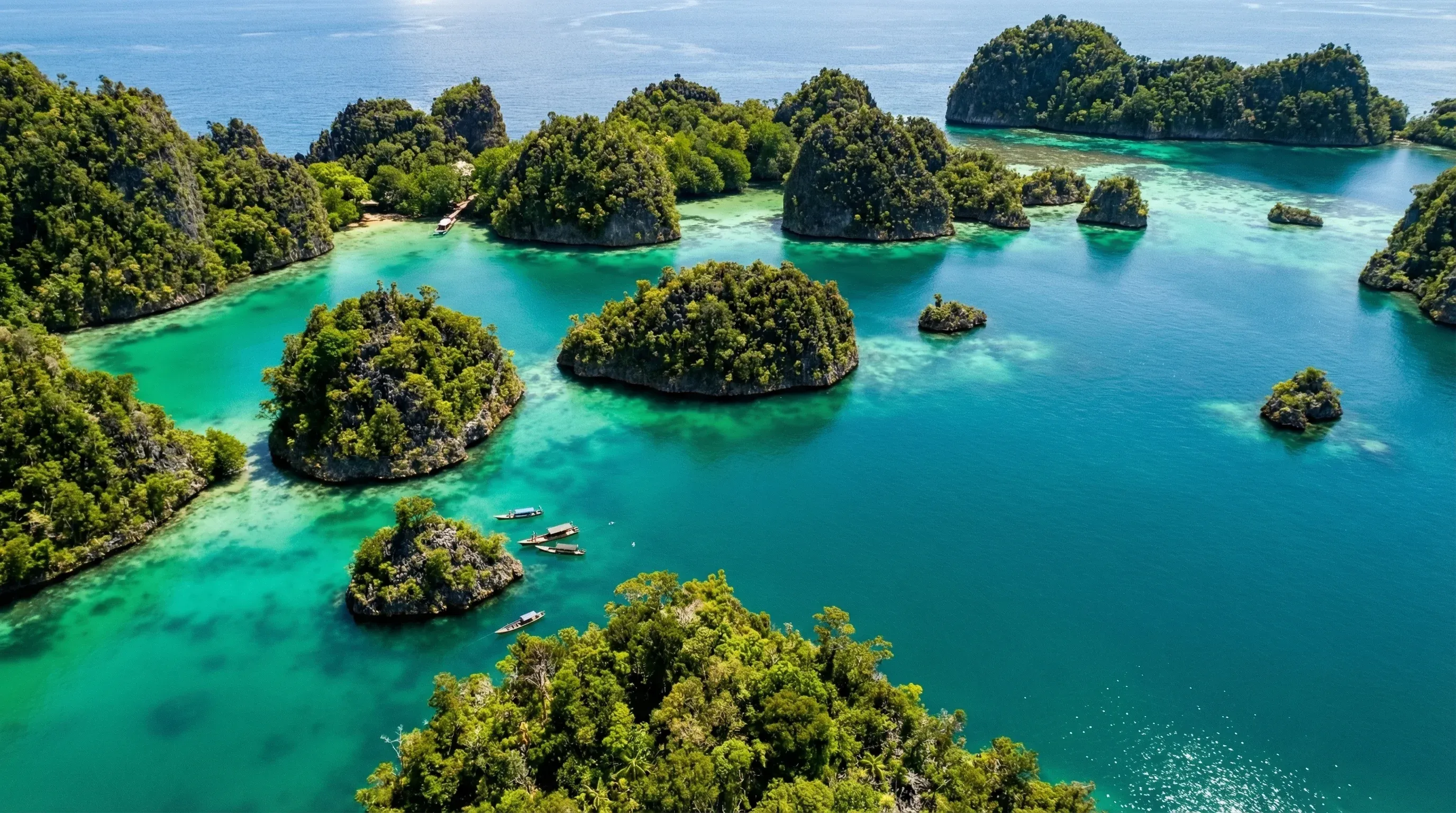
Raja Ampat (meaning "The Four Kings") is widely considered one of the most beautiful island chains on Earth. For families who love the ocean, this is the pinnacle. The region holds the world record for marine biodiversity, making snorkeling here like swimming in a vividly stocked aquarium. The water is warm, calm, and incredibly clear, allowing even young children to see turtles, reef sharks (harmless), and thousands of fish just meters from the shore.
This is a remote, off-grid destination. Accommodation is often in 'homestays' (overwater bungalows owned by local families) which offer an authentic but rustic experience, or in high-end dive resorts. There are no shopping malls or cinemas; entertainment here is nature itself. Days are spent island-hopping, kayaking through mangroves, and spotting the endemic Birds of Paradise in the jungle. It requires effort to reach, but the reward is an untouched paradise that few children get to see.
Key Attractions
The Wayag Islands are the postcard icon of Raja Ampat. A boat trip here reveals a maze of karst limestone islands rising from turquoise water. Hiking to the viewpoint provides one of the most spectacular panoramas in Asia (steep/sharp rocks, so best for teens/older kids).
For easier family excursions, Piaynemo offers a similar view with a wooden staircase that is much safer for children. Snorkeling at shallow jetties like those at Arborek or Sauwandarek allows kids to be surrounded by schools of fish without needing to swim far. The jungle on Waigeo and Batanta is also the place to spot the Wilson's Bird of Paradise, a colorful real-life character that looks like a cartoon.
Practical Advice
ATM access is limited to the main town of Waisai; bring plenty of cash (IDR). Sun protection is critical as you are near the equator. October to April is the best season for calm seas. Malaria is present; take precautions.
Food & Drink
Typical meal times: Homestays serve meals at set times, usually 7:00 am, 12:30 pm, and 7:00 pm.
Typical meal costs: Almost always included in your accommodation price (full board is standard due to isolation). Extra beer or soft drinks cost Rp 30,000–50,000 ($2–3.20 USD).
Dietary requirements: Homestay food is simple: plenty of fish, rice, tempeh, and spinach. Vegans are easily catered for, but picky eaters might struggle with the lack of variety/western snacks.
Signature dishes:
- Fresh Grilled Fish – Caught daily by your host family, usually served with dabu-dabu (tomato, chili, lime salsa).
- Sinole – A sago and coconut dessert, sometimes mixed with sugar, offering a sweet end to the meal.
Why this score?
Travelers explore a vast, remote maritime wilderness where infrastructure is limited to isolated eco-resorts or liveaboard vessels. The reliance on boats and the absence of land-based amenities create a high-adventure environment for visitors.
Why this score?
Medical facilities on the islands are nearly non-existent, and the regional hub of Sorong has only limited services. Serious decompression illness or other medical emergencies require complex evacuation to Manado or Makassar where hyperbaric chambers are available.
Why this score?
While famous among the global diving community, its isolation and high price point keep absolute visitor numbers low compared to mainland destinations. It is a prestigious, niche destination that requires significant effort and cost to reach.

Raja Ampat is expensive. Even 'budget' homestays cost Rp 400,000–800,000 ($25–50 USD) per person per night (meals included), while resorts range from $300 to over $1,000 USD per night. Boat transfers between islands are the real wallet-hitter; a day trip to Wayag can cost Rp 10,000,000+ ($650 USD) for the boat fuel.

Getting Here & Around
Getting Here
- Airports – Fly to Sorong (SOQ) via Jakarta, Makassar, or Manado. This is the gateway city.
- Ferry – From Sorong, take the public fast ferry (2 hours) to Waisai (the capital of Raja Ampat on Waigeo island). Resorts often pick up guests via private speedboat from Sorong or Waisai.
Getting Around
- Speedboat – The only way to get around. Fuel is expensive here, so boat trips are pricey.
- Walking – On the small islands, you walk everywhere. There are no roads or cars on the resort islands.
Nearby Airports (2 airports)
Fak Fak
FKQFak Fak
Jefman
SOQSorong
View full flight map for Indonesia →
Official Links

Packing List
You will be in the water all day; standard sunscreen damages the pristine coral.
Sea lice and sandflies can be itchy; having cream on hand saves the day.
There are no 7-Elevens on the islands. If your child needs specific snacks, bring them from Sorong.
Protection from both the intense sun and plankton stings while snorkeling.
Essential for protecting feet from sharp coral and rocky seabeds on island day trips.
Versatile as a beach towel, blanket for cold AC transport, and mandatory cover-up for temple visits.
A local lifesaver for quickly managing 'Bali Belly' or mild stomach upsets.
Crucial for boat transfers, sudden tropical downpours, and water parks.
Ferry crossings between islands (like Bali to Lombok) can be notoriously choppy.
Useful for unlit paths in rural areas and occasional power outages on smaller islands.

Activities & Best Times

Hiking, wildlife, outdoor exploration, ecotourism
With 13 attractions including the Misool Marine Reserve, this is a global epicenter for biodiversity and rare wildlife observation. Peak months offer calm seas and better visibility for marine exploration, while the mid-year monsoon brings disruptive winds.

Urban tourism, museums, historical sites, architecture
The region features unique prehistoric rock art and historical landmarks like Wallace's Hut, offering deep insights into indigenous culture and scientific history. Access to these remote island sites is most reliable during the calmer Northwest monsoon period.

Beach resorts, marine activities: diving, snorkelling, kite surfing, wind surfing, sailing
Home to iconic karst island chains like Wayag and Piaynemo, providing world-class snorkeling and coastal scenery. Rough seas from June to August can make many of the best beaches and lagoons inaccessible to international travelers.

Sport tourism, fitness activities, active recreation
Dedicated hiking trails to panoramic viewpoints like Wayag Peak offer challenging activities for active families. The off-season sees higher rainfall and slippery terrain, significantly degrading the quality of jungle trekking and climbing.

Learning experiences, scientific sites, historical education
Museum Bahari Raja Ampat provides specialized maritime history and ecological education for visitors. It remains a minor draw compared to the natural environment and is best visited when logistics are most stable.



Public Holidays & Calendar Next 12 months
Public holidays, festivals, cultural celebrations, and seasonal natural phenomena coming up in Raja Ampat over the next 12 months.
Loading holidays and events...

Travel Advisory
All major agencies agree that travelers should exercise a high degree of caution due to threats from terrorism, civil unrest in specific provinces, and frequent natural disasters. Increased vigilance is required, especially in crowded tourist areas and near active volcanoes.
Safety Topics
Traveller Advice (4 groups)

While not generally illegal nationwide, local culture is conservative. Travelers should be aware of regional differences in social acceptance and exercise discretion in public conduct.

Ensure passports have at least six months of validity and no damage, as entry is strictly denied otherwise. All visitors must complete a digital arrival card and, if visiting Bali, pay a mandatory provincial tourist levy.

Solo female travelers may face a higher risk of harassment or petty crime. It is recommended to use reputable taxi services and avoid walking alone in poorly lit or isolated areas at night.

Standard tourist visas and visa-on-arrival do not permit volunteering or work. Engaging in such activities can lead to arrest, fines, or deportation.
Agency Summaries
Increased vigilance is necessary because of the potential for terrorism and the frequency of natural disasters. While tourist areas are generally accessible, certain provinces in Papua are designated as 'Do Not Travel' zones due to civil unrest and armed violence.
Irish citizens should be cautious and well-prepared for travel, ensuring all entry documentation is in order. Vigilance is required regarding personal safety and the risks posed by local geological activity and social tensions.
Maintain a high level of security awareness due to the potential for terrorist activity and civil unrest. Natural hazards such as earthquakes and volcanic eruptions are common. Specific caution is advised regarding petty crime and methanol poisoning in tourist hotspots.
General travel requires high caution, but specific exclusion zones are in effect around numerous active volcanoes. There is a consistent threat of terrorism, and travelers should be aware of strict regulations regarding drugs and visa activities like volunteering.
Heightened safety and security concerns exist, including a elevated risk of terrorism and civil disturbance. Travelers should avoid specific conflict-prone regions in Papua and stay informed about volcanic and seismic activities.
Travelers should remain very vigilant throughout the country due to ongoing social and political instability alongside a persistent threat of terrorist attacks. Specific regions in Papua are under stricter warnings due to violent conflict and kidnapping risks.
Information is provided for general guidance only and does not constitute travel, safety, medical, or legal advice. Conditions may change. Users are responsible for independently verifying information before travel.