
Sulawesi (Toraja)
Land of heavenly kings and eternal ancestors 🐃🏚️
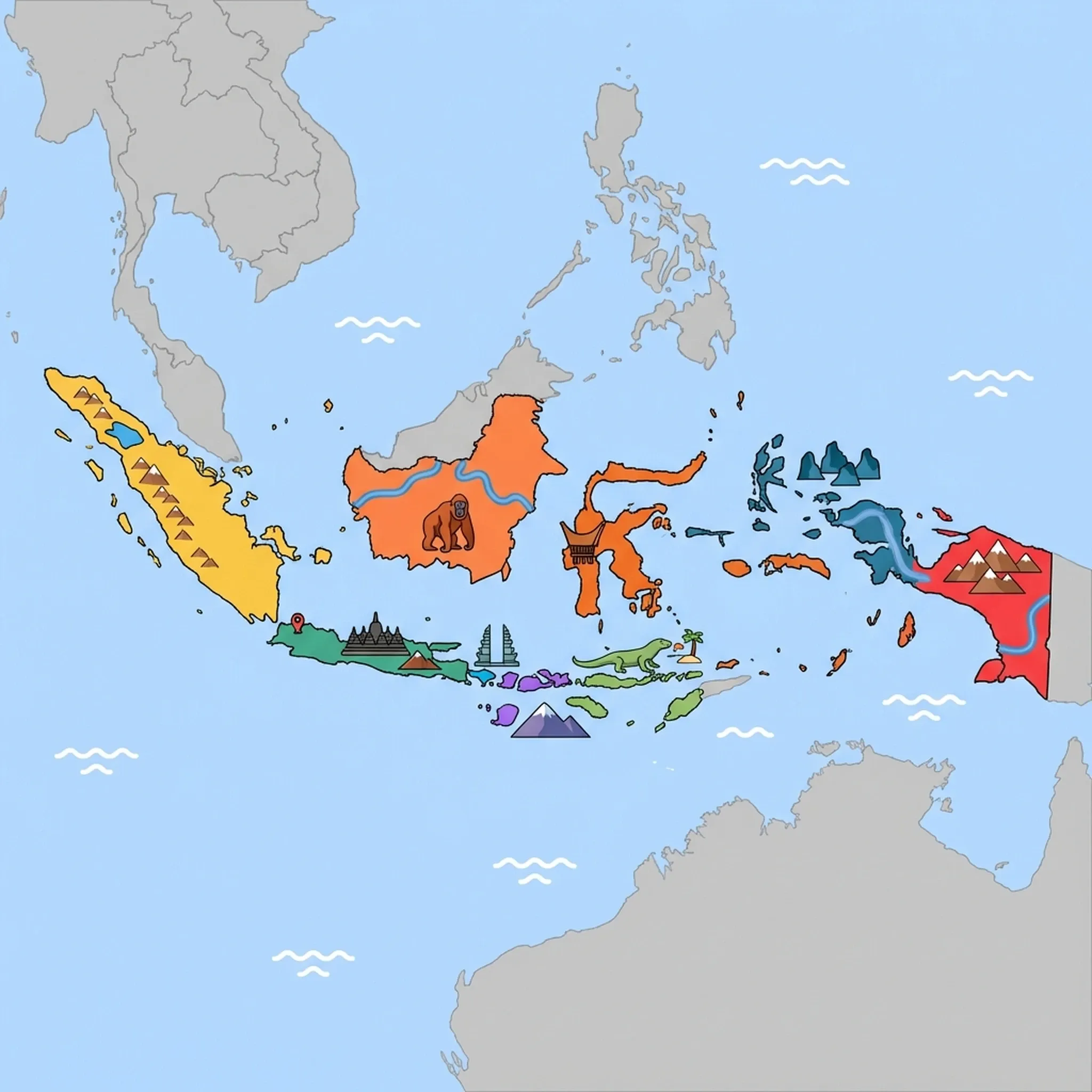
Click a region to explore
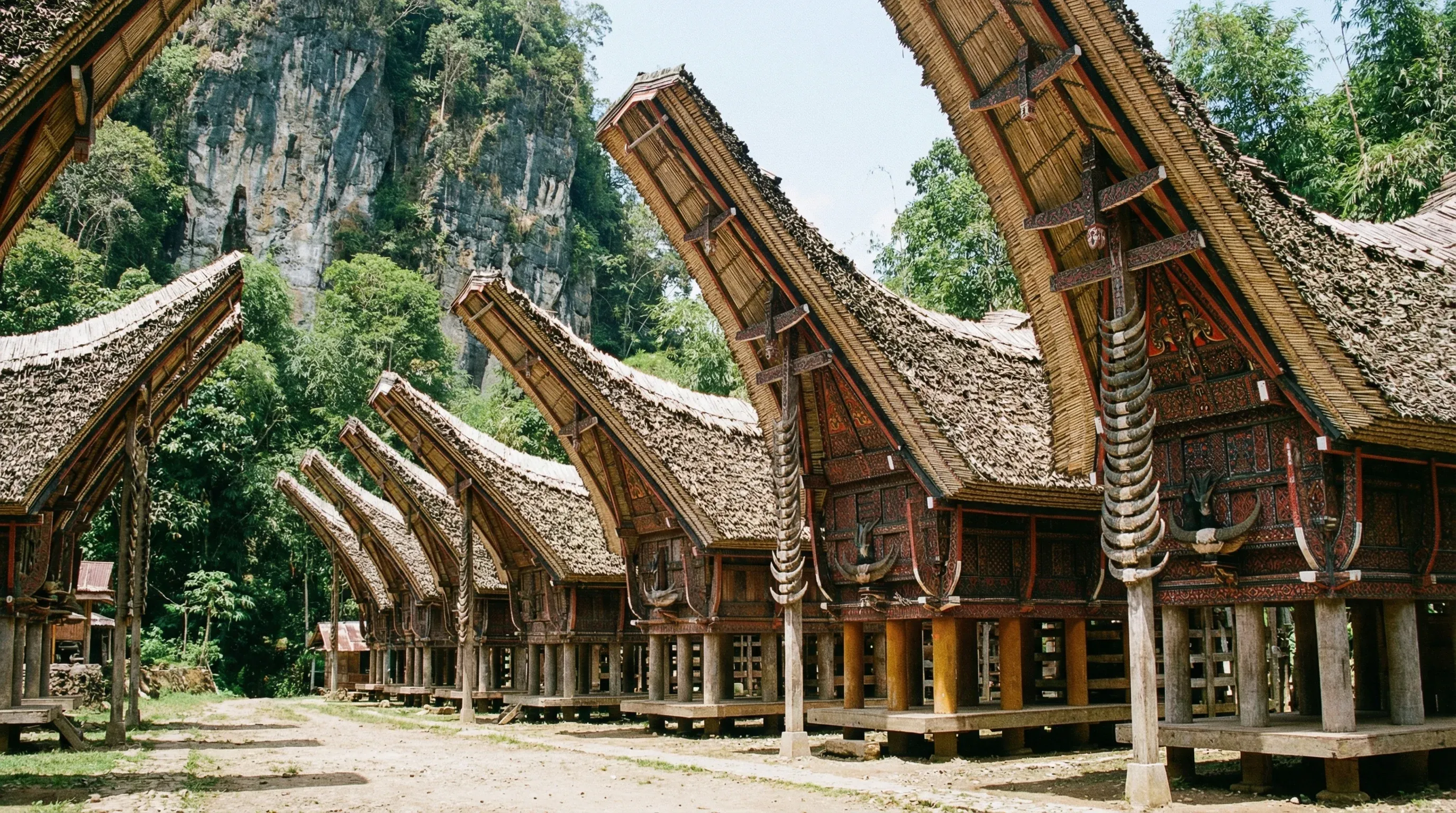
Tana Toraja is a destination for families who want to show their children the incredible diversity of human culture. Hidden in the granite mountains of South Sulawesi, the Toraja people have developed a unique society focused on honoring ancestors. The landscape is breathtaking—lush green rice terraces carved into mountainsides, dotted with massive Tongkonan (traditional ancestral houses) with soaring boat-shaped roofs. It looks like a fantasy land.
The culture here is famous for its elaborate funeral rites, which are celebrations of life involving buffalo sacrifices and feasting. While this might sound intense, many families visit and find it a profound educational experience (though parents can choose to observe from a distance). Beyond the rituals, the region offers excellent trekking. Paths wind through bamboo forests and friendly villages where children wave and shout "Hello mister!" The cool mountain air provides a refreshing break from Indonesia's coastal heat.
Key Attractions
The village of Kete Kesu is a living museum. It has a row of magnificent Tongkonan houses facing rice barns, and a cliffside burial site behind it with hanging coffins and tau-tau (wooden effigies of the deceased). It is the most accessible place for children to see the architecture and history up close.
Other sites include Londa, a natural cave used as a burial site (bring a flashlight, can be spooky for very young kids), and the walking trails around Batutumonga, which offer panoramic views of the valley and are easy enough for families. The buffalo market in Rantepao (every 6 days) is a chaotic, fascinating spectacle of prized livestock trading.
Practical Advice
The journey from Makassar to Toraja takes 8–10 hours by bus/car. It is a long, winding road—motion sickness meds are essential for kids. Alternatively, fly to the new Toraja Airport (TRT). Respect local customs: dress modestly and ask guides before entering ceremony areas.
Food & Drink
Typical meal times: 12:00 pm to 2:00 pm lunch, 6:30 pm to 8:30 pm dinner.
Typical meal costs: Moderate. A meal in a Rantepao restaurant costs Rp 50,000–100,000 (approx. $3.20–6.50 USD / €3–6 EUR).
Dietary requirements: Pork is King here (Toraja is majority Christian). Vegetarians can find options (jackfruit, vegetables), but should be aware that meat is central to the culture.
Signature dishes:
- Pa'piong – Meat (pork, chicken, or fish) mixed with grated coconut and spices, stuffed into bamboo tubes and roasted over an open fire.
- Kopi Toraja – World-famous Arabica coffee grown in the surrounding highlands. A treat for parents.
- Deppa Tori – A sweet, deep-fried cookie made from rice flour and brown sugar, perfect for a hiking snack.
Why this score?
Reaching the highlands involves a grueling 8-10 hour drive from Makassar through mountainous terrain. The adventure lies in navigating these remote areas and witnessing unique cultural traditions that are deeply integrated into a rugged landscape.
Why this score?
Medical care in Rantepao is very limited and intended for local needs, with significant language barriers for tourists. Any serious medical issue would necessitate a long journey back to the hospitals in Makassar, which offer better but still moderate care.
Why this score?
The Tana Toraja region is a specialized cultural destination that attracts curious international travelers but lacks mass appeal. Long overland travel times from the nearest major airport keep visitor numbers relatively low and niche.

Costs are reasonable. A good hotel costs Rp 500,000–900,000 ($32–58 USD). Guides (highly recommended to explain the culture) cost around Rp 300,000–500,000 ($19–32 USD) per day. If you attend a funeral ceremony, it is customary to bring a gift (carton of cigarettes or sugar) for the host family.

Getting Here & Around
Getting Here
- Airports – Sultan Hasanuddin (UPG) in Makassar is the main entry. From there, you can fly to Toraja Airport (TRT) which takes 45 mins (limited schedule).
- Bus/Car – Most travelers take the overland route from Makassar. It is scenic but long (8–10 hours). Luxury sleeper buses are available and comfortable for families.
Getting Around
- Car with Driver – The best way to tour the scattered sites. Roads are narrow and winding.
- Bemo / Ojek – Public minibuses exist but are hard to navigate. Motorbike taxis (ojek) are not safe for families.
Nearby Airports (9 airports)
Jalaluddin
GTOGorontalo
Wolter Monginsidi
KDIKendari
Sam Ratulangi
MDCManado
Tampa Padang Airport
MJUMamuju
Dibrugarh
MOHMorowali
Mutiara
PLWPalu
Toraja Airport
TRTMengkendek
Pogogul Airport
UOLBuol
Ujung Pandang
UPGUjung Pandang
View full flight map for Indonesia →

Packing List
If you plan to attend a funeral ceremony, wearing black or dark colors is respectful.
Customary offering to hosts if you visit a traditional house or ceremony.
The road from Makassar to Toraja is notoriously winding.
Essential for protecting feet from sharp coral and rocky seabeds on island day trips.
Versatile as a beach towel, blanket for cold AC transport, and mandatory cover-up for temple visits.
A local lifesaver for quickly managing 'Bali Belly' or mild stomach upsets.
Crucial for boat transfers, sudden tropical downpours, and water parks.
Ferry crossings between islands (like Bali to Lombok) can be notoriously choppy.
Useful for unlit paths in rural areas and occasional power outages on smaller islands.

Activities & Best Times

Hiking, wildlife, outdoor exploration, ecotourism
Offers world-class highland trekking and mist-shrouded landscapes like Lolai, providing an immersive wilderness experience unique to Southeast Asia. Peak months align with the dry season for optimal trail safety, while heavy monsoon rains in winter make mountain paths difficult to navigate.

Urban tourism, museums, historical sites, architecture
Home to globally unique heritage sites including Kete Kesu and the cliff-side burial sites of Lemo and Londa. The peak period coincides with the main ceremonial season and dry weather, which is essential for visiting these outdoor cultural landmarks.

Sport tourism, fitness activities, active recreation
Boasts significant hiking routes like Mount Sesean and established cycling loops through traditional villages. Peak conditions occur from June to September when trails are firm and the glass bridge at Buntu Burake offers the best views.

Spa retreats, wellness centers, peaceful getaways
Features several natural thermal springs like Makula' that offer restorative experiences in a cool mountain setting. While authentic and scenic, it lacks the high-end luxury spa infrastructure of destinations like Bali, with peak demand during the drier summer months.

Scenic drives, countryside tours, route-based travel
The drive from Makassar and the Highland Loop provide spectacular mountain scenery for adventurous families. Travel is best during the dry season to ensure safe road conditions on winding mountain passes and clear visibility of the vistas.

Amusement parks, family entertainment venues
Limited to natural aquatic sites like Tilanga Natural Pool, which offers a unique but low-infrastructure swimming experience compared to international parks. Best visited in drier months when water visibility is highest and outdoor conditions are pleasant.

Attractions (8 total)



Public Holidays & Calendar Next 12 months
Public holidays, festivals, cultural celebrations, and seasonal natural phenomena coming up in Sulawesi (Toraja) over the next 12 months.
Loading holidays and events...

Travel Advisory
All major agencies agree that travelers should exercise a high degree of caution due to threats from terrorism, civil unrest in specific provinces, and frequent natural disasters. Increased vigilance is required, especially in crowded tourist areas and near active volcanoes.
Safety Topics
Traveller Advice (4 groups)

While not generally illegal nationwide, local culture is conservative. Travelers should be aware of regional differences in social acceptance and exercise discretion in public conduct.

Ensure passports have at least six months of validity and no damage, as entry is strictly denied otherwise. All visitors must complete a digital arrival card and, if visiting Bali, pay a mandatory provincial tourist levy.

Solo female travelers may face a higher risk of harassment or petty crime. It is recommended to use reputable taxi services and avoid walking alone in poorly lit or isolated areas at night.

Standard tourist visas and visa-on-arrival do not permit volunteering or work. Engaging in such activities can lead to arrest, fines, or deportation.
Agency Summaries
Increased vigilance is necessary because of the potential for terrorism and the frequency of natural disasters. While tourist areas are generally accessible, certain provinces in Papua are designated as 'Do Not Travel' zones due to civil unrest and armed violence.
Irish citizens should be cautious and well-prepared for travel, ensuring all entry documentation is in order. Vigilance is required regarding personal safety and the risks posed by local geological activity and social tensions.
Maintain a high level of security awareness due to the potential for terrorist activity and civil unrest. Natural hazards such as earthquakes and volcanic eruptions are common. Specific caution is advised regarding petty crime and methanol poisoning in tourist hotspots.
General travel requires high caution, but specific exclusion zones are in effect around numerous active volcanoes. There is a consistent threat of terrorism, and travelers should be aware of strict regulations regarding drugs and visa activities like volunteering.
Heightened safety and security concerns exist, including a elevated risk of terrorism and civil disturbance. Travelers should avoid specific conflict-prone regions in Papua and stay informed about volcanic and seismic activities.
Travelers should remain very vigilant throughout the country due to ongoing social and political instability alongside a persistent threat of terrorist attacks. Specific regions in Papua are under stricter warnings due to violent conflict and kidnapping risks.
Information is provided for general guidance only and does not constitute travel, safety, medical, or legal advice. Conditions may change. Users are responsible for independently verifying information before travel.