
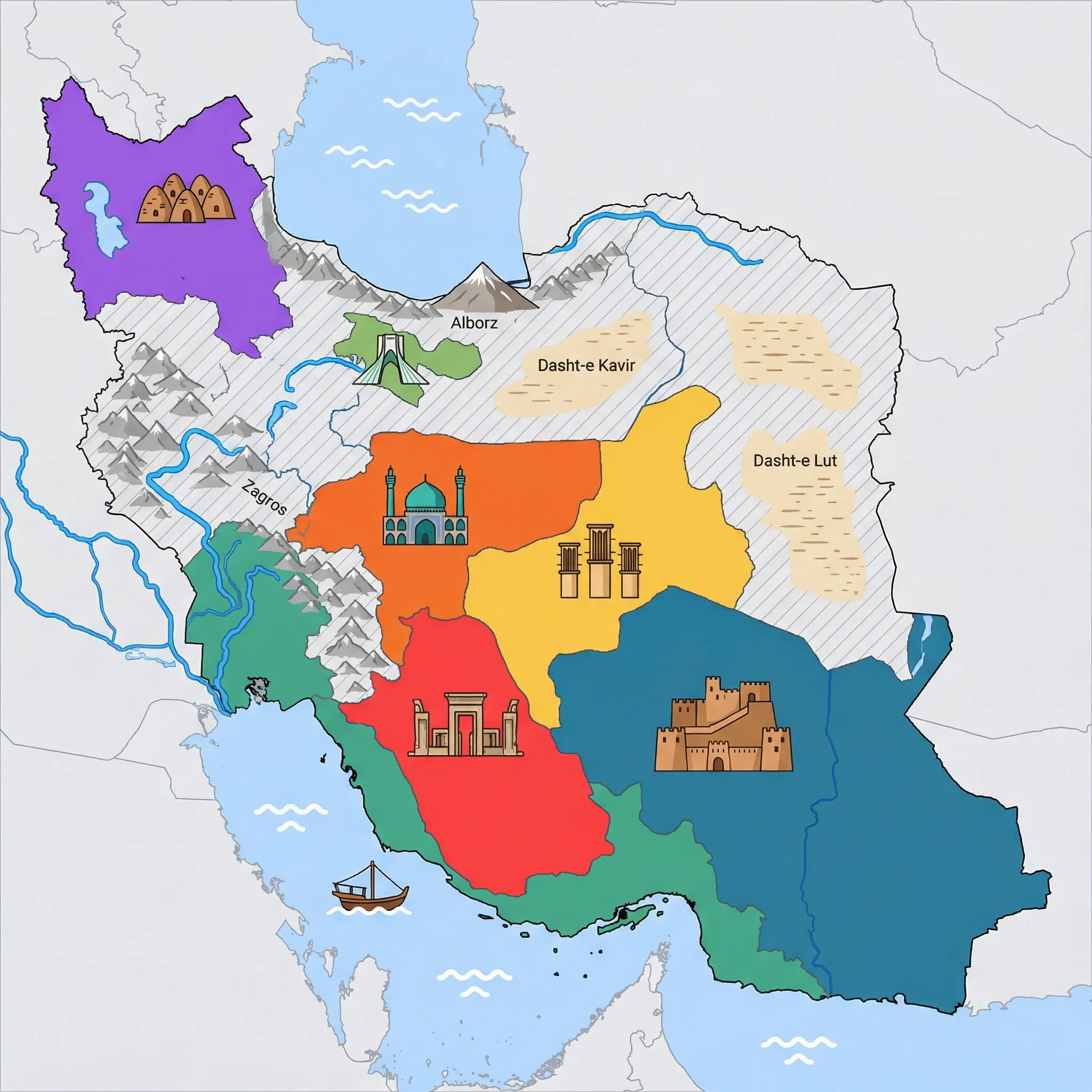
Click a region to explore
⚠️ SAFETY WARNING: Due to the risk of arbitrary detention and the volatile regional security situation, government agencies (including the USA, UK, Canada, and Australia) advise travelers to avoid all travel to Iran. While Isfahan is a major tourist hub, the risk of wrongful detention remains for foreign nationals, particularly dual citizens. Families are strongly urged to consult their own government's official travel advisory before considering a trip, as circumstances and risk assessments vary.
Overview
Isfahan (Esfahan) is widely considered the cultural crown jewel of Iran, famously described in the Persian proverb as "Nesf-e-Jahan" (Half the World). For families, it is perhaps the most accessible and pedestrian-friendly city in the country, centered around a massive, UNESCO-listed square that functions as a giant open-air living room. The city lies on the banks of the Zayandeh Rood river, and while the water flow can be seasonal, the historic bridges remain social hubs where locals gather to sing, picnic, and stroll in the evenings. The tree-lined boulevards and extensive parks make it surprisingly green and pleasant for walking with children.
Culturally, Isfahan offers a soft landing into Persian history. The scale of the monuments is awe-inspiring, but the atmosphere is relaxed. Families can spend hours in the bazaar watching artisans print tablecloths (qalamkar) or hammer copper pots, providing a visual and tactile education for kids. The Armenian quarter of Jolfa offers a different vibe with its cozy cafes and distinct architecture, showing a diverse side of Iranian history that many visitors do not expect.
Key Attractions
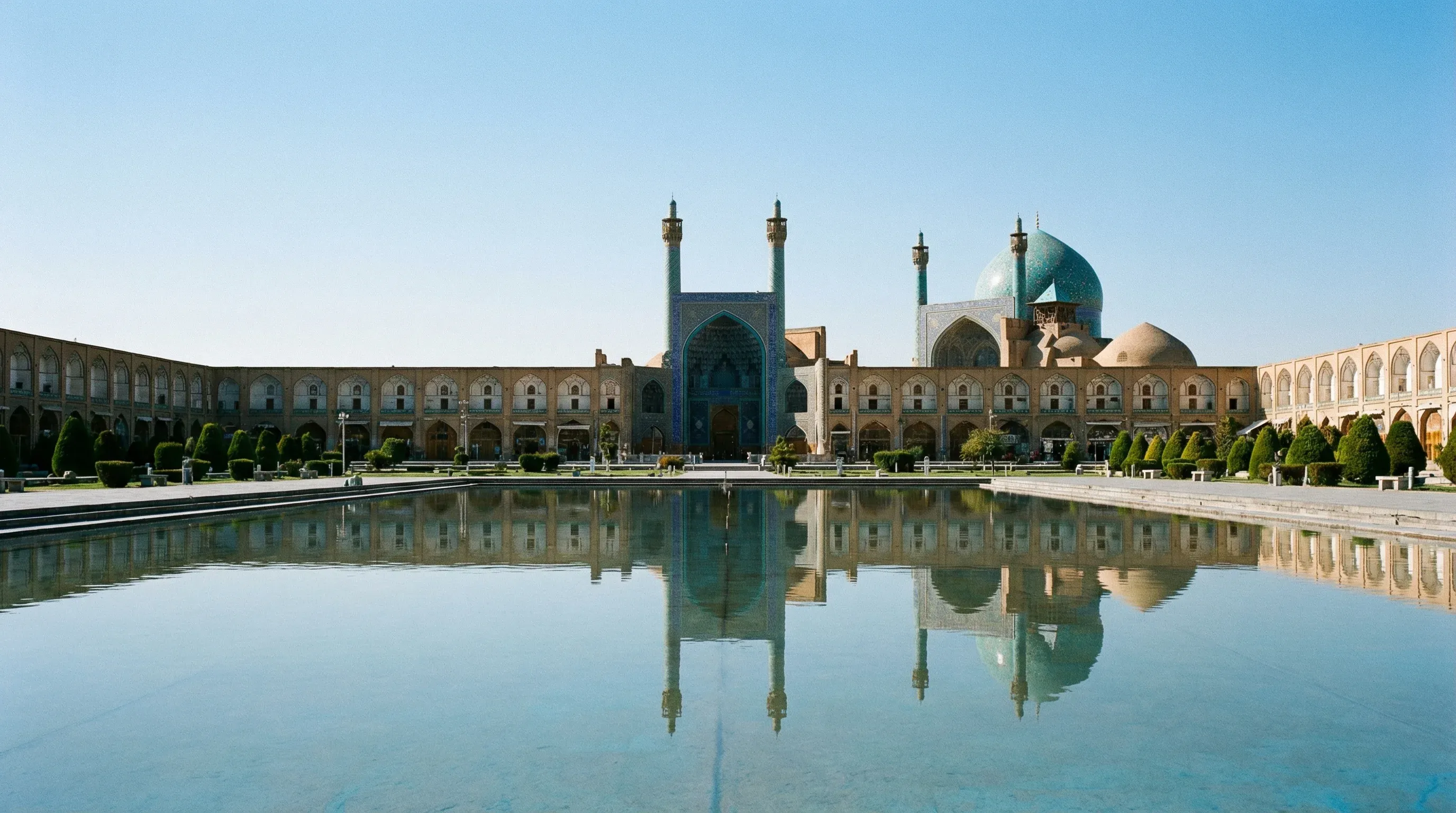
The heart of the city is Naqsh-e Jahan Square, one of the largest public squares in the world. It is entirely pedestrianized, making it safe for children to run around, and families can take a memorable horse-drawn carriage ride around the perimeter. Anchoring the square is the breathtaking Shah Mosque, where kids can test the famous acoustic echo under the main dome—a simple physics lesson that never fails to entertain. Just nearby, the Ali Qapu Palace offers a climb to a high terrace with panoramic views that help little ones grasp the scale of the city.
For a break from history, the Nazhvan Forest Park is a fantastic family destination. It houses the Isfahan Aquarium, where children can walk through ocean tunnels, and the Isfahan Bird Garden, a massive walk-in aviary. In the evenings, a walk across the Si-o-se-pol Bridge is mandatory; the 33 arches are beautifully illuminated, and the pedestrian walkways are full of local families enjoying the cool night air.
Practical Advice
Spring (April–May) and Autumn (September–October) are the ideal times to visit, as summers can be fiercely hot. Isfahan is relatively flat and stroller-friendly, particularly around the square and river banks. Public restrooms are available but often squat-style; carrying your own supplies is recommended.
Food & Drink
Typical meal times: Lunch is the main meal, served from 1:00 pm to 3:00 pm. Dinner is often lighter and eaten late, from 8:30 pm to 10:30 pm.
Typical meal costs: A meal for a family of four costs approximately 4,000,000–8,000,000 IRR (approx. $8–16 USD / €7.50–15 EUR). *Note: Prices fluctuate rapidly due to inflation.*
Dietary requirements: Vegetarian food is available but limited; eggplant dishes (Kashk-e Bademjan) are a safe staple. Nuts (walnuts, pistachios) are common in desserts and stews, so alert servers to allergies.
Signature dishes:
- Beryani – Not to be confused with Indian biryani; this is a rich, minced mutton patty served on flatbread, unique to Isfahan.
- Gaz – The city's famous nougat made with pistachios and rose water, a chewy treat kids usually love.
- Khoresht-e Mast – A fascinating "yogurt stew" that is actually a sweet, saffron-yellow dessert pudding containing shredded neck meat (though you can't taste the meat texture).
Why this score?
The region offers a blend of sophisticated urban heritage and accessible desert adventure, such as trekking in the nearby Maranjab Desert. While the Zagros foothills and Mount Soffeh provide hiking opportunities, the core tourist experience is focused on well-preserved historic sites and comfortable pedestrian infrastructure.
Why this score?
Isfahan is one of Iran's leading provincial capitals with several well-equipped hospitals like Alzahra, which serve both locals and regional travelers. While medical staff in private clinics often speak some English, the facilities are decent but not specifically tailored to a high volume of international medical tourists compared to Tehran.
Why this score?
As part of Iran's 'Golden Triangle,' Isfahan is a primary stop for almost all international visitors due to the UNESCO-listed Naqsh-e Jahan Square. While it is a domestic tourism giant with 50 major attractions, its international numbers remain modest on a global scale, aligning it with regions that see primarily domestic and niche international flow.

Isfahan is very affordable for international travelers due to exchange rates. A high-end traditional guesthouse room typically costs 15,000,000–25,000,000 IRR (approx. $30–50 USD / €28–46 EUR) per night. Entry tickets to major sites like the <a data-attraction-id="50527">Shah Mosque</a> generally cost around 2,000,000 IRR (approx. $4 USD / €3.70 EUR) for foreigners.

Getting Here & Around
Getting Here
- Airports – Isfahan International Airport (IFN) is located about 30 km from the city center. It has daily flights to Tehran and connections to major regional hubs like Dubai.
- Bus – VIP buses from Tehran take approximately 5–6 hours. These are affordable, comfortable, and a popular way to reach the city.
- Train – Trains connect Isfahan to Tehran and Shiraz, though the station is located somewhat outside the main city area.
Getting Around
- Taxi/Ride-hailing – The most convenient option for families. Apps like Snapp (the local equivalent of Uber) are widely used, very cheap, and remove the need to haggle over prices.
- Walking – The area between Naqsh-e Jahan Square and the river is best explored on foot.
- Metro – There is a small metro line, but it is of limited use to tourists as it does not directly connect the main historical sites.
Nearby Airports (1 airport)
Esfahan Shahid Beheshti Intl
IFNIsfahan
View full flight map for Iran →
Official Links

Packing List
Essential for accessing major social media and western news sites, which are blocked.
International credit/debit cards DO NOT work in Iran. You must bring all spending money in cash.
Public restrooms often only have water hoses; carrying your own tissue is essential.
You will remove shoes frequently when entering mosques, carpet shops, or traditional restaurants.
Social media (Instagram, WhatsApp, Facebook) and many news sites are blocked. Install a reliable VPN before arrival.
Mandatory for all females aged ~9 and up in public areas. A loose tunic (manteau) covering hips and a scarf are required.
Most public restrooms are squat toilets with a hose (bidet) but no paper. Carry your own supply.
Long bus or car journeys between cities can drain devices, and outlets aren't always accessible on the go.

Activities & Best Times

Urban tourism, museums, historical sites, architecture
Home to the UNESCO-listed Naqsh-e Jahan Square and historic Jolfa Quarter, Isfahan offers a world-class display of Islamic architecture and living heritage. Peak months avoid the extreme summer heat and winter frost, providing ideal walking weather for exploring grand palaces and vibrant bazaars.

Hiking, wildlife, outdoor exploration, ecotourism
The region features diverse natural landscapes, from the wildlife-rich Kolah Ghazi National Park to the dramatic Maranjab Desert dunes. Spring and autumn offer the most comfortable temperatures for desert trekking and mountain exploration before the arrival of intense summer heat.

Sport tourism, fitness activities, active recreation
With major infrastructure for hiking at Sofeh Mountain and desert trekking routes, the region is a hub for active exploration. Activity is best in transitional seasons when the arid climate is manageable; extreme mid-summer temperatures pose safety risks for outdoor sports.

Spa retreats, wellness centers, peaceful getaways
Unique wellness experiences are found in historic thermal bathhouses (hammams) and the Vartun hot springs. While facilities are indoor, the overall restorative experience is highest when travel between these heritage sites is pleasant during the temperate shoulder seasons.

Scenic drives, countryside tours, route-based travel
Scenic routes to the mountain village of Abyaneh and through the Zagros range offer spectacular landscape photography and cultural immersion. Spring and autumn provide clear visibility and safe driving conditions, avoiding winter snow blockages in the highlands.
Amusement parks, family entertainment venues
Features several significant venues including the City of Dreams and Absar Water Park, providing reliable family entertainment. These outdoor-oriented parks are most enjoyable during the mild spring and autumn months, as summer temperatures frequently exceed comfortable levels for children.

Winter sports, ski resorts, snow activities
The Fereydunshahr Ski Resort offers a specialized winter sports experience in the Zagros Mountains for regional travelers. The season is relatively short, with reliable snow cover limited to the coldest mid-winter months.

Attractions (20 total)



Public Holidays & Calendar Next 12 months
Public holidays, festivals, cultural celebrations, and seasonal natural phenomena coming up in Isfahan over the next 12 months.
Loading holidays and events...

Travel Advisory
Extreme security risks are present across the country due to ongoing military conflict, the high likelihood of arbitrary detention of foreigners, and significant civil unrest. All major travel agencies unanimously advise against any travel.
Safety Topics
Traveller Advice (4 groups)

Anyone currently in the country should remain indoors in a reinforced structure, maintain a supply of food and water, and monitor international news as airspace and borders may close without notice.

Same-sex relations are criminalized and can result in severe legal penalties, including the death penalty.
Media professionals face an elevated risk of being charged with espionage or security-related offenses, which may lead to prolonged detention or capital punishment.

Strict dress codes are enforced by law; women and girls over age ten are required to wear headscarves in public and in identification photos.
Agency Summaries
Travel is strongly discouraged due to extreme risks of terrorism, civil disturbance, kidnapping, and the arbitrary imprisonment of foreign citizens. The government has no diplomatic presence in Iran and cannot provide emergency services.
Authorities advise against any travel to Iran due to active military operations and strikes across the nation. Individuals currently in the country should remain in secure locations and should not expect assisted departure from the government.
New Zealanders are advised to exit the country immediately if possible. The situation is characterized by military strikes, volatile civil unrest, and the risk of disappearing or being detained without cause.
The security environment is highly unstable due to ongoing military conflict, civil unrest, and the severe threat of arbitrary detention. Consular assistance is extremely limited as embassy operations are currently suspended.
The government warns against all travel due to heightened regional tensions and military activity. British and dual nationals are at an exceptionally high risk of being arrested or detained on baseless charges.
A highest-level alert is in place following air strikes on major cities. Citizens are urged to avoid all travel, shelter in place if already present, and stay away from military installations.
Information is provided for general guidance only and does not constitute travel, safety, medical, or legal advice. Conditions may change. Users are responsible for independently verifying information before travel.