
Tabriz & Northwest
Cave villages and the world's largest covered bazaar 🏔️🛍️
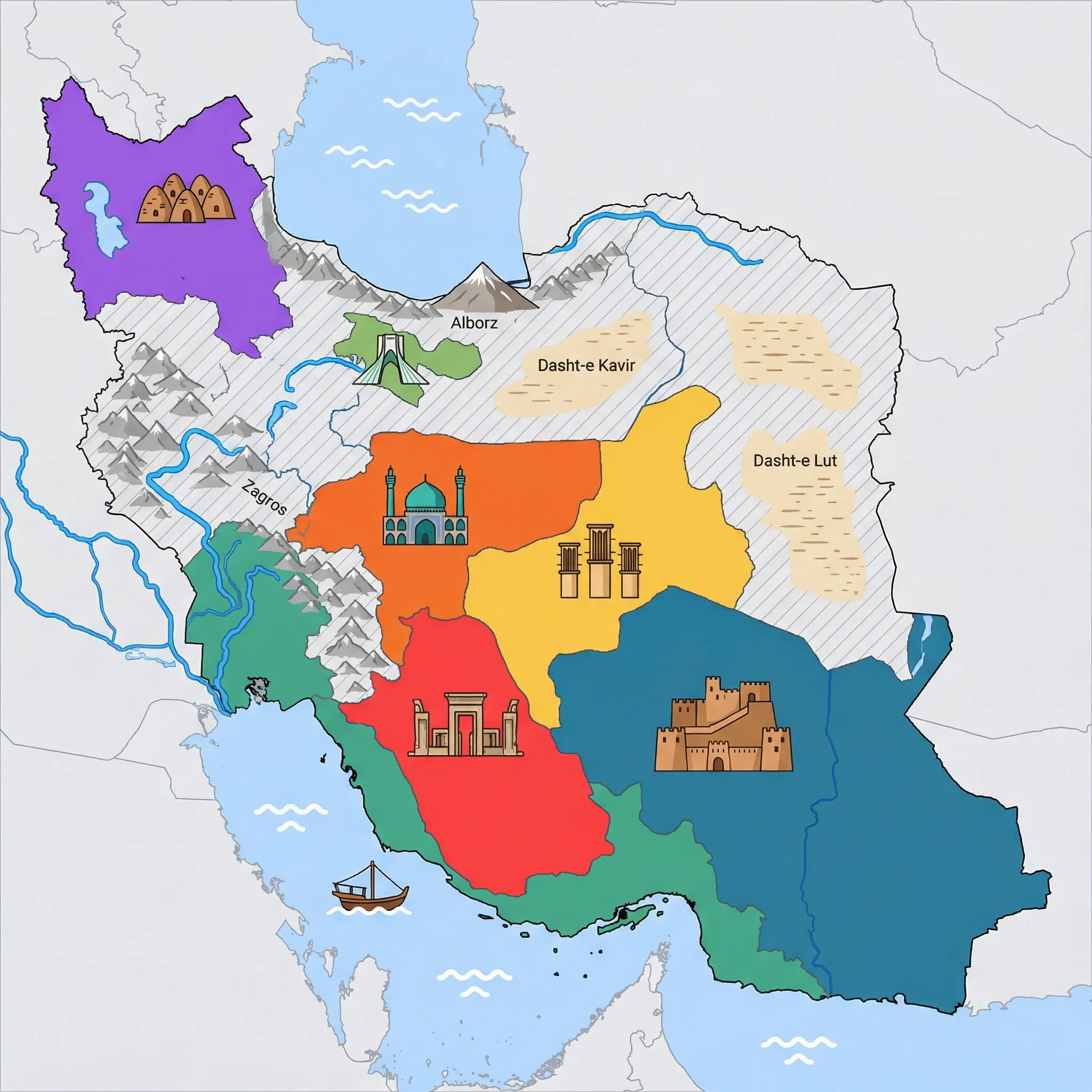
Click a region to explore
⚠️ SAFETY WARNING: Government agencies (including UK and USA) advise against all travel to areas within 100km of the Iran-Iraq border and caution against travel near the Turkish border due to military activity and smuggling routes. Tabriz city is generally stable, but excursions toward border zones carry high risk. Families are strongly urged to consult their own government's official travel advisory before considering a trip, as circumstances and risk assessments vary.
Overview
The northwest of Iran feels distinct from the central plateau. The primary language here is Azeri Turkish (though everyone speaks Persian), the climate is cooler and greener, and the food is heartier. For families, Tabriz offers a break from the desert heat. It is a commercial hub with a long history as a Silk Road trading post. The people are known for their industriousness and fierce hospitality.
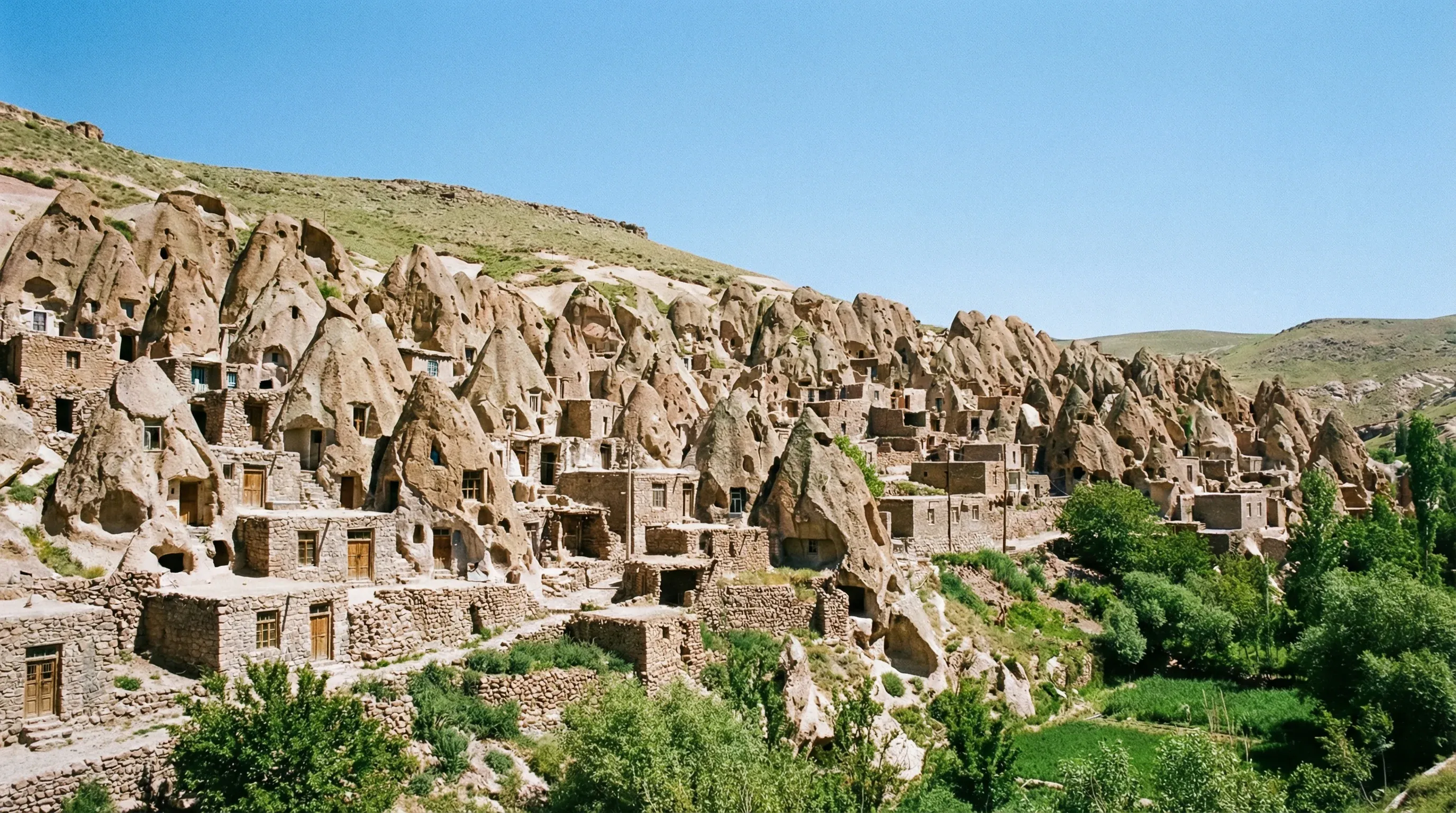
The region is mountainous, offering dramatic scenery. The crown jewel for kids is undoubtedly the village of Kandovan, often compared to Cappadocia in Turkey, but unlike Cappadocia, people still live in the rock caves here. It’s a living museum where you can see how families have adapted to the environment for centuries. The area also hosts several UNESCO-listed Armenian Monasteries, nestled in canyons, which look like castles from a fairy tale.
Key Attractions
The Tabriz Historic Bazaar Complex is the largest covered bazaar in the world and a UNESCO site. It's a city within a city. Families can get lost (safely) in the endless vaulted brick corridors, smelling spices, seeing carpet weavers, and tasting local cheese. It's bustling and chaotic but thrilling.
About an hour's drive away is Kandovan Village. The cone-shaped rock houses are carved into volcanic ash from Mount Sahand. You can actually enter some of these cave homes (some are shops or hotels), which is a huge hit with children. In Tabriz city, El Goli (Shah Goli) Park is the main recreational spot, featuring a large artificial lake with a palace in the middle and fairground rides nearby—perfect for a Friday afternoon stroll.
Practical Advice
Best time to visit: Summer (June to September) is pleasant and mild, unlike the rest of Iran. Winters are bitterly cold with heavy snow, which can make travel difficult but offers skiing opportunities.
Food & Drink
Typical meal times: Lunch 1:00 pm to 3:00 pm; Dinner 8:00 pm to 10:00 pm.
Typical meal costs: Very affordable. A family meal costs 3,500,000–7,000,000 IRR (approx. $7–14 USD / €6.50–13 EUR).
Dietary requirements: This is meat-lover territory. Kebabs are king. Vegetarians will rely on side dishes like grilled tomatoes, rice, and fresh herbs.
Signature dishes:
- Koofteh Tabrizi – A giant meatball (sometimes the size of a soccer ball!) stuffed with dried fruits, berries, and nuts, cooked in a tomato sauce. One is usually enough for two people.
- Bonab Kabab – A specific type of ground meat kebab that is much wider and larger than the standard koobideh, famous for its juiciness.
- Ash-e Doogh – A white, yogurt-based soup with chickpeas and vegetables, often sold at roadside stops in the mountains.
Why this score?
The northwest is defined by the rugged Alborz and Zagros ranges, offering significant adventure through the Arasbaran forests and high-altitude climbs like Mount Sahand. The terrain is physically demanding and weather-dependent, appealing to those looking for remote mountain landscapes and volcanic cave villages.
Why this score?
As a major industrial and regional hub, Tabriz offers very good medical facilities, including several large university hospitals. The quality of care in the city is high, though language barriers may exist in smaller clinics, and services in the mountainous rural areas are significantly more limited.
Why this score?
Tabriz serves as a gateway for overland travelers from Turkey and Europe, but it sees fewer international tourists than the central 'Golden Triangle.' Its popularity is bolstered by the historic Grand Bazaar and the troglodyte village of Kandovan, though it remains an emerging destination on the global stage.

Tabriz offers excellent value. A stay in a cave hotel in Kandovan is the splurge item here, costing around 25,000,000–40,000,000 IRR (approx. $50–80 USD / €46–75 EUR). Meals in the bazaar are cheap and hearty. Carpet prices are high, but that is serious shopping, not daily travel cost.

Getting Here & Around
Getting Here
- Airports – Tabriz International Airport (TBZ) has daily flights to Tehran and international connections to Istanbul and Baku.
- Train – The train from Tehran to Tabriz takes about 12 hours. It is a scenic route through the mountains.
- Bus – Buses from Tehran take about 8–9 hours. The roads are generally good highways.
Getting Around
- Taxi/Shared Taxi – In Tabriz, shared taxis (savari) are common for specific routes. Private taxis (darbast) or Snapp are better for families.
- Driver – To reach Kandovan Village or the Armenian monasteries like Saint Stepanos Monastery near the border, you need to hire a driver for the day.
Nearby Airports (8 airports)
Sahand Airport
ACPSahand
Ardabil Airport
ADUArdabil
Maku Airport
IMQMaku
Zanjan Airport
JWNZanjan
Khoy Airport
KHYKhoy
Urmieh
OMHNazluy-ye Jonubi
Parsabade Moghan Airport
PFQParsabad
Tabriz International
TBZTabriz
View full flight map for Iran →

Packing List
Even in spring/autumn, the evenings can be very cold due to the altitude.
Exploring Kandovan involves walking on steep, uneven rock paths.
Street food is greasy (but delicious); wipes are essential for cleaning kids' hands.
As with all of Iran, foreign cards do not work. Bring cash.
International credit/debit cards (Visa/Mastercard) do NOT work in Iran. You must bring enough cash for the entire trip.
Social media (Instagram, WhatsApp, Facebook) and many news sites are blocked. Install a reliable VPN before arrival.
Mandatory for all females aged ~9 and up in public areas. A loose tunic (manteau) covering hips and a scarf are required.
Most public restrooms are squat toilets with a hose (bidet) but no paper. Carry your own supply.
You will remove shoes frequently at mosques, shrines, and traditional restaurants. Laces become a hassle.
Long bus or car journeys between cities can drain devices, and outlets aren't always accessible on the go.

Activities & Best Times

Hiking, wildlife, outdoor exploration, ecotourism
Home to the unique cave dwellings of Kandovan and the high-altitude volcanic peaks of Sabalan and Sahand. Peak months offer ideal conditions for trekking and rural exploration, while the harsh mountain winters severely restrict access to wilderness areas.

Urban tourism, museums, historical sites, architecture
The UNESCO-listed Grand Bazaar of Tabriz and ancient sites like Saint Stepanos Monastery provide profound cultural depth and authenticity. The region is best experienced in spring and autumn to avoid the bitter cold of the northwest winter and the peak mid-summer humidity.

Spa retreats, wellness centers, peaceful getaways
Sarein is a renowned regional hub for thermal wellness, featuring modern hydrotherapy complexes built around natural volcanic hot springs. Summer is the primary season for visitors seeking to escape the heat of the Iranian plateau, though winter access can be challenging due to heavy snow.

Scenic drives, countryside tours, route-based travel
Features iconic drives such as the Heyran Pass and the Asalem-to-Khalkhal road, known for their dramatic landscapes and alpine forests. These high-altitude passes are spectacular in spring and autumn but are frequently closed or dangerous during the heavy winter snow season.

Winter sports, ski resorts, snow activities
Resorts like Alvares and Sahand offer high-altitude skiing with a unique, authentic atmosphere and reliable natural snow. The season is relatively short, peaking in mid-winter when snow cover is deepest and resort infrastructure is fully operational.

Sport tourism, fitness activities, active recreation
Offers world-class trekking on Mount Sabalan and high-altitude hiking trails, supported by infrastructure like the Meshgin Shahr suspension bridge. The window for active mountain sports is limited to the warmer months when higher trails are free from snow and ice.

Beach resorts, marine activities: diving, snorkelling, kite surfing, wind surfing, sailing
Lake Urmia and Shorabil Lake offer unique salt-crust and lakeside recreation experiences rather than traditional marine tourism. Suitability is limited to the peak of summer when temperatures are high enough for water-based activities in this high-altitude region.

Learning experiences, scientific sites, historical education
Specialized museums like the Museum of Measures in Tabriz offer niche educational insights into the region's scientific history. These sites are typically indoor-focused but are best visited during the pleasant months of spring and autumn to facilitate travel between locations.

Amusement parks, family entertainment venues
Several water parks and regional luna parks provide entertainment for local and domestic families. They are not primary international motivators, and outdoor sections are strictly seasonal, operating only during the warmer months.

Attractions (20 total)



Public Holidays & Calendar Next 12 months
Public holidays, festivals, cultural celebrations, and seasonal natural phenomena coming up in Tabriz & Northwest over the next 12 months.
Loading holidays and events...

Travel Advisory
Extreme security risks are present across the country due to ongoing military conflict, the high likelihood of arbitrary detention of foreigners, and significant civil unrest. All major travel agencies unanimously advise against any travel.
Safety Topics
Traveller Advice (4 groups)

Anyone currently in the country should remain indoors in a reinforced structure, maintain a supply of food and water, and monitor international news as airspace and borders may close without notice.

Same-sex relations are criminalized and can result in severe legal penalties, including the death penalty.

Media professionals face an elevated risk of being charged with espionage or security-related offenses, which may lead to prolonged detention or capital punishment.

Strict dress codes are enforced by law; women and girls over age ten are required to wear headscarves in public and in identification photos.
Agency Summaries
Travel is strongly discouraged due to extreme risks of terrorism, civil disturbance, kidnapping, and the arbitrary imprisonment of foreign citizens. The government has no diplomatic presence in Iran and cannot provide emergency services.
Authorities advise against any travel to Iran due to active military operations and strikes across the nation. Individuals currently in the country should remain in secure locations and should not expect assisted departure from the government.
New Zealanders are advised to exit the country immediately if possible. The situation is characterized by military strikes, volatile civil unrest, and the risk of disappearing or being detained without cause.
The security environment is highly unstable due to ongoing military conflict, civil unrest, and the severe threat of arbitrary detention. Consular assistance is extremely limited as embassy operations are currently suspended.
The government warns against all travel due to heightened regional tensions and military activity. British and dual nationals are at an exceptionally high risk of being arrested or detained on baseless charges.
A highest-level alert is in place following air strikes on major cities. Citizens are urged to avoid all travel, shelter in place if already present, and stay away from military installations.
Information is provided for general guidance only and does not constitute travel, safety, medical, or legal advice. Conditions may change. Users are responsible for independently verifying information before travel.