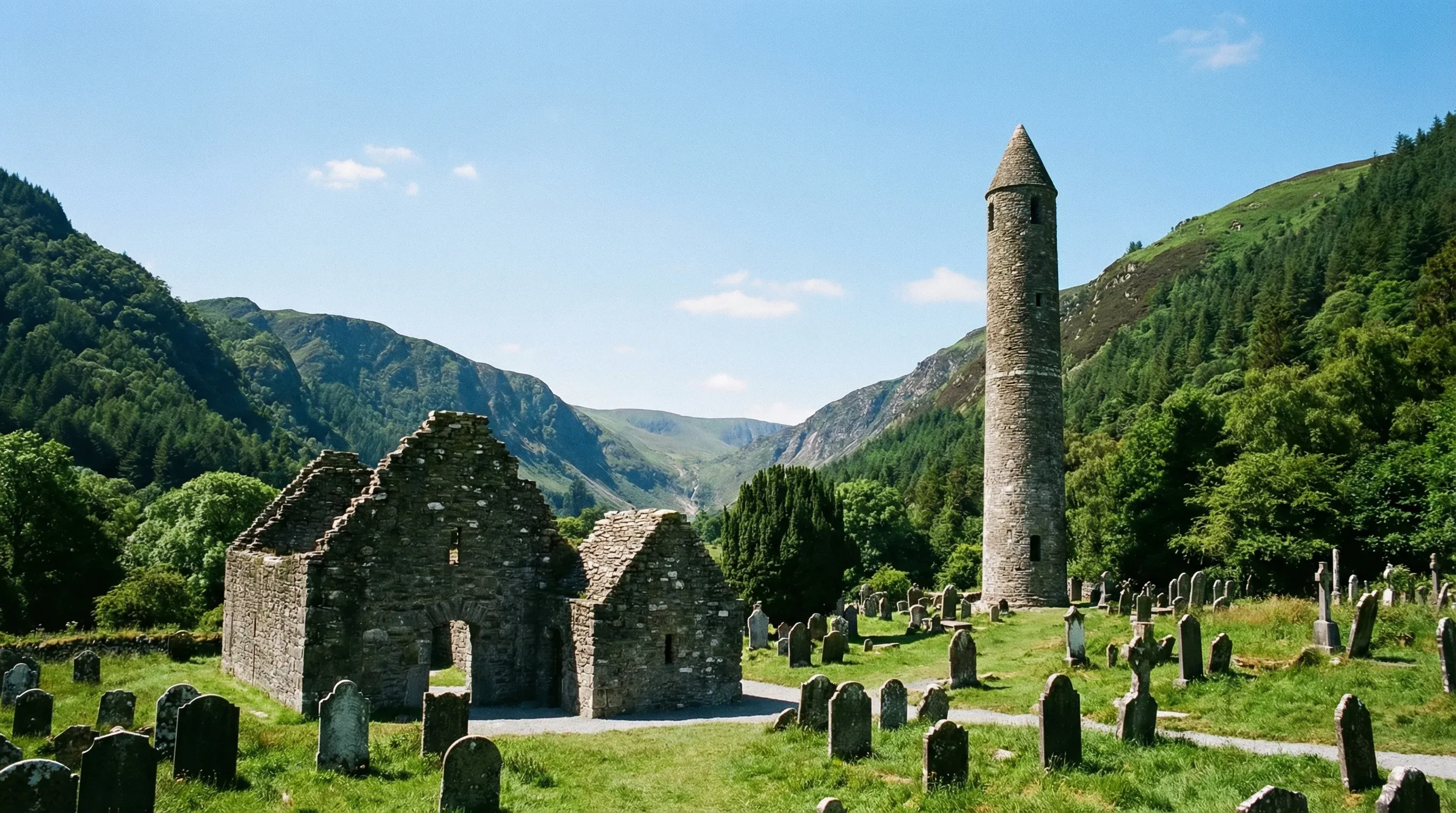

Dublin & East Coast
Viking treasures, city buzz, and ancient green valleys 🏰🦌
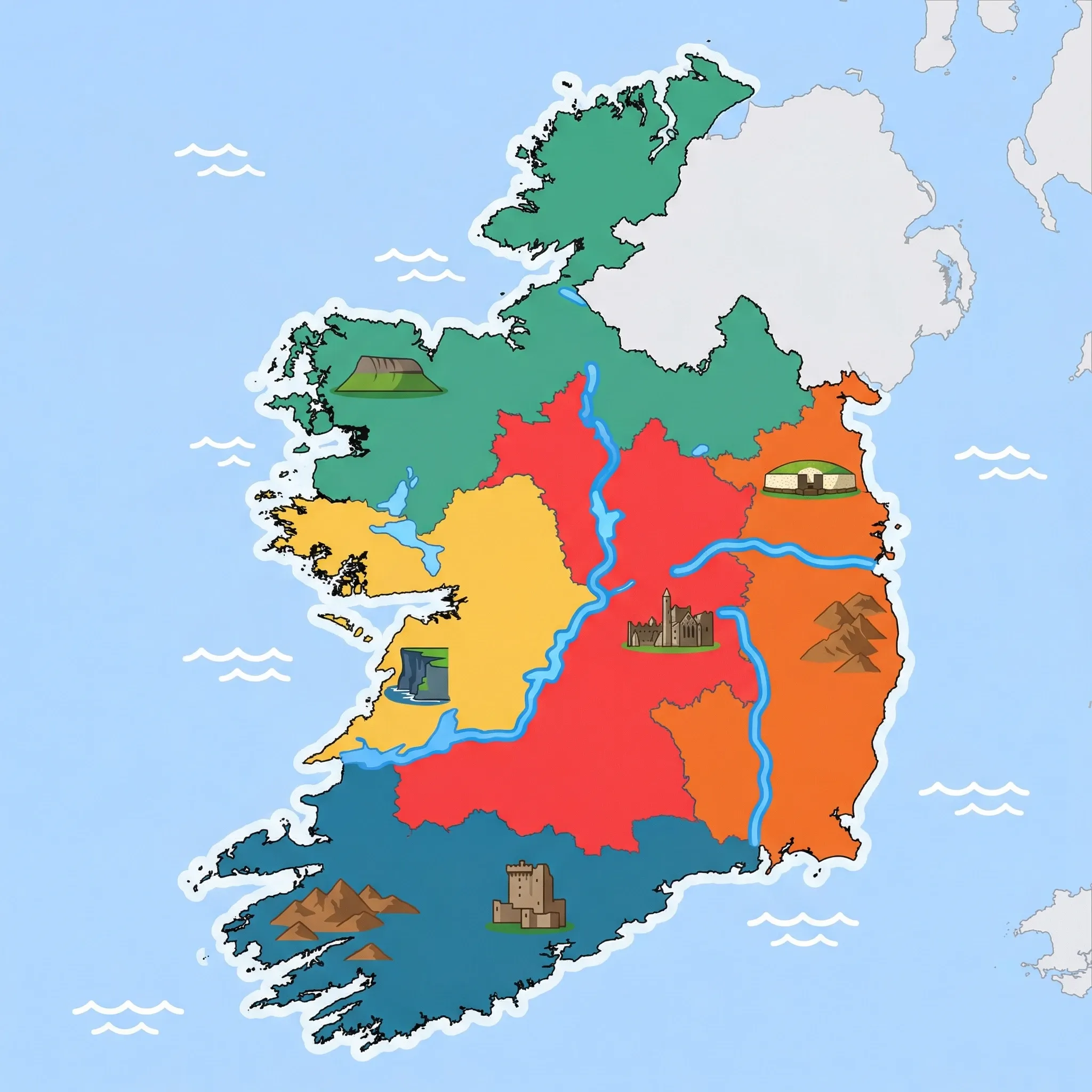
Click a region to explore
Dublin & The East Coast is the beating heart of Ireland, offering families a uniquely accessible mix of urban excitement and ancient mystery. For parents, this region is a logistical dream: a compact, walkable capital city that serves as a gateway to some of the country's most significant historical sites, all within an hour's drive. The landscape shifts dramatically from the Georgian squares and bustling quays of Dublin City to the heather-clad slopes of the Wicklow Mountains and the lush, river-fed pastures of the Boyne Valley. The climate here is generally drier than the west coast, though families should always be prepared for "four seasons in one day."
Culturally, this is where Ireland's ancient past rubs shoulders with its youthful present. Children are often captivated by the visible layers of history—from Viking walls to medieval castles—while the city's parks provide ample green space to run off energy. The vibe is welcoming and casual; children are treated like VIPs in most restaurants and attractions. Whether you are spotting deer in the city's massive parklands, hiking the monastic trails of Glendalough, or exploring coastal fishing villages like Howth, the East Coast offers a density of experiences that keeps travel time low and engagement high.
Key Attractions
No family trip to Dublin is complete without visiting Dublin Zoo. Located within the massive Phoenix Park, it is one of the world's oldest zoos but focuses heavily on modern conservation and spacious habitats that allow children to see animals up close. Just outside the city, Malahide Castle is a standout for families; beyond the historic tours, the grounds feature a magical fairy trail and one of the best playgrounds in the country. For a day of pure adrenaline, Emerald Park offers rollercoasters and a zoo combined, making it a hit with older children and teenagers.
Ideally suited for a day trip south, the Glendalough Monastic Site offers a profound mix of history and nature. Children love the round tower and the easy, flat boardwalks around the lakes. To the north, the UNESCO World Heritage site of Newgrange (Brú na Bóinne) provides a mind-bending history lesson older than the Pyramids; the visitor centre is highly interactive and explains the stone age in a way kids can grasp. Back in the city, Kilmainham Gaol offers a gripping, albeit somber, look at Irish history that captivates older children and teens.
Practical Advice
The best time to visit is May through September when days are long and parks are in full bloom. Dublin is very walkable, but the "Leap Card" is essential for families using public transport (bus, tram, and train) as it caps daily spend. Pre-booking top attractions like Kilmainham Gaol and Newgrange is mandatory—often weeks in advance—as they sell out constantly.
Food & Drink
Typical meal times: Lunch is typically served from 12:30 pm to 2:00 pm. Dinner service usually starts around 5:30 pm or 6:00 pm, with families often eating earlier. Many kitchens close by 9:30 pm.
Typical meal costs: Dublin is the most expensive part of Ireland. A mid-range family dinner costs roughly €70–110 (approx. $75–120 USD / £60–95 GBP). Pub lunches are better value at €15–20 (approx. $16–22 USD / £13–17 GBP) per main.
Dietary requirements: Extremely well-catered. Vegetarian, vegan, and gluten-free options are standard in nearly all Dublin restaurants and common in surrounding towns. Allergens must be displayed on menus by law.
Signature dishes:
- Dublin Coddle – A white stew of pork sausages, rashers (bacon), potatoes, and onions, traditionally slow-simmered.
- Boxty – A traditional potato pancake, often served filled with meats or vegetables; a versatile favourite for kids.
- Smoked Salmon & Soda Bread – While eaten nationwide, the seafood from coastal villages like Howth is exceptionally fresh.
- Spice Bag – A modern Dublin cult classic from takeaways, featuring crispy chicken, chips, peppers, and onions tossed in a unique spice blend.
Why this score?
The region is largely urbanized and highly developed, with well-paved infrastructure and extensive public transport. While the Wicklow Mountains offer accessible hiking trails and Glendalough provides scenic walks, the overall experience remains relatively controlled and suburban compared to the rugged west.
Why this score?
Dublin is home to Ireland's national centers of medical excellence, including major teaching hospitals with specialized trauma and pediatric units. English-speaking staff and high-quality private facilities ensure world-class care that is easily accessible to international travelers.
Why this score?
As the primary international gateway, Dublin receives millions of annual visitors drawn to major attractions like the Guinness Storehouse and Trinity College. The region's popularity is bolstered by a high density of hotel beds and its status as a premier European city-break destination.

Dublin is significantly pricier than the rest of Ireland. Family accommodation in the city centre averages €200–350 (approx. $215–380 USD / £170–300 GBP) per night. Attractions can be costly, though many National Museums (like the <a data-attraction-id="41904">National Museum of Ireland - Natural History</a>) are free. Dining out adds up quickly, so look for "Early Bird" menus.

Getting Here & Around
Getting Here
- Airports – Dublin Airport (DUB) is the primary international gateway, located just 20 minutes north of the city centre with excellent bus connections.
- Ferry – Ferries from Holyhead (UK) and Cherbourg (France) dock at Dublin Port. Rosslare Europort is roughly 2 hours south by car.
- Train – Dublin is the rail hub of Ireland. Heuston Station serves the south and west, while Connolly Station serves the north and the coast.
Getting Around
- Public Transport – The DART (train) is fantastic for families, hugging the coast from Malahide Castle in the north to Bray in the south. The Luas (tram) connects the city centre rapidly.
- Walking – Dublin City centre is compact and best explored on foot, though some cobblestones in Temple Bar can be bumpy for strollers.
- Car – Not recommended within Dublin City (traffic and parking are difficult), but essential for exploring the Glendalough Monastic Site and Boyne Valley efficiently.
Nearby Airports (1 airport)
Dublin Airport
DUBDublin
View full flight map for Ireland →
Official Links

Packing List
Pre-paid travel card that saves significant money on buses, trams, and trains.
Dublin streets can be puddle-heavy; keeps kids' feet dry without needing full wellies.
Great for spotting deer in Phoenix Park or seals in Howth harbour.
Coastal winds at Howth or Bray can be biting even on sunny days.
Essential for walking on narrow rural roads which often lack sidewalks/pavements.
Ticks are common in tall grass and national parks like Killarney; useful for hikers.
Rain often blows sideways; a jacket alone won't keep legs dry during outdoor walks.
Supermarket trolleys and some older parking meters require €1 or €2 coins to operate.
Back roads and coastal drives are extremely twisty and can unsettle little stomachs.

Activities & Best Times

Hiking, wildlife, outdoor exploration, ecotourism
The Wicklow Mountains and Brú na Bóinne offer world-class landscapes and ancient heritage sites that provide deep immersion in Irish nature and history. Summer offers optimal trail conditions for the Wicklow Way, while the shoulder seasons are ideal for seeing the changing colors of the Glenealo Valley.

Urban tourism, museums, historical sites, architecture
Dublin is a significant European capital with strong literary heritage and historic sites, but lacks the UNESCO heritage density and global cultural dominance of truly excellent cities like Rome, Paris, or Istanbul. Trinity College, Dublin Castle, and the Book of Kells are nationally iconic but not internationally dominant cultural institutions.

Sport tourism, fitness activities, active recreation
High-quality infrastructure like the Zipit Forest Adventures and the extensive Wicklow Way trail network cater to active families seeking structured outdoor challenges. Peak visitation aligns with the driest months to ensure safety and comfort on aerial courses and mountain routes.

Learning experiences, scientific sites, historical education
Features internationally significant sites like the Brú na Bóinne Visitor Centre and the National Museum, offering deep dives into Neolithic history and natural science. These facilities are mostly indoor-based, making them viable across much of the year, though peak tourism occurs in summer.

Events, celebrations, seasonal attractions
St. Patrick's Festival is internationally significant with 5+ million participants globally, making Dublin a major festival destination in March. The Winter Solstice at Newgrange adds unique seasonal appeal. This justifies 'good' rather than 'marginal'.

Scenic drives, countryside tours, route-based travel
The Military Road and Boyne Valley Drive offer spectacular scenic touring through ancient valleys and mountain passes on well-maintained roads. Travel is best from late spring to early autumn to ensure good visibility and safe driving conditions through the Wicklow Gap.
Amusement parks, family entertainment venues
Emerald Park and the National Aquatic Centre provide significant family entertainment that meets international standards for variety and safety. Operations are highly seasonal, with full access and best conditions found during the summer school holiday period.

Beach resorts, marine activities: diving, snorkelling, kite surfing, wind surfing, sailing
While coastal areas like Howth and Bray offer scenic walks, Atlantic water temperatures (12-16°C) make swimming uncomfortable for most of the year. 'Good' should be reserved for regions with warm, swimmable waters. Ireland's beaches are scenic but not suitable for traditional beach holidays by international standards.

Attractions (34 total)



Public Holidays & Calendar Next 12 months
Public holidays, festivals, cultural celebrations, and seasonal natural phenomena coming up in Dublin & East Coast over the next 12 months.
Loading holidays and events...

Travel Advisory
The majority of major agencies agree that Ireland is a safe destination requiring only standard safety awareness. No significant elevated risks are reported across the country.
Safety Topics
Traveller Advice (3 groups)

Ireland is considered an inclusive and safe environment for sexual and gender minorities, with strong legal protections and a generally welcoming public atmosphere.

The country is generally safe for solo female travellers. Standard precautions should be taken when walking alone at night in less-frequented or poorly lit areas.

Maintain standard safety vigilance, especially in crowded tourist areas and public transport hubs where petty theft is more frequent. Keep digital copies of travel documents and monitor local media for news on protests.
Agency Summaries
Ireland is overall safe, but visitors should be wary of petty crime, especially in Dublin. There is a slight increase in rental car break-ins at scenic locations and a risk of protests in urban centers.
Visitors should maintain standard safety levels. Awareness of potential for civil unrest and the general threat of terrorism in Europe is recommended, although Ireland has no recent history of attacks.
Travellers should maintain standard safety awareness as they would in their home country. While generally safe, petty crime like theft and bag snatching occurs, particularly in major cities and tourist spots.
No specific travel restrictions are in place. Visitors should ensure they have proper insurance and be aware of local laws. Cross-border travel to Northern Ireland may involve different entry requirements.
Standard safety measures are recommended. Travellers are advised to monitor local alerts and enroll in security notification programs. Immigration officials may request proof of travel intent and sufficient funds at the border.
Information is provided for general guidance only and does not constitute travel, safety, medical, or legal advice. Conditions may change. Users are responsible for independently verifying information before travel.