
Wild Atlantic Way South (Cork, Kerry, Ring of Kerry)
Epic drives, magical castles, and the kingdom of green 👑🐬
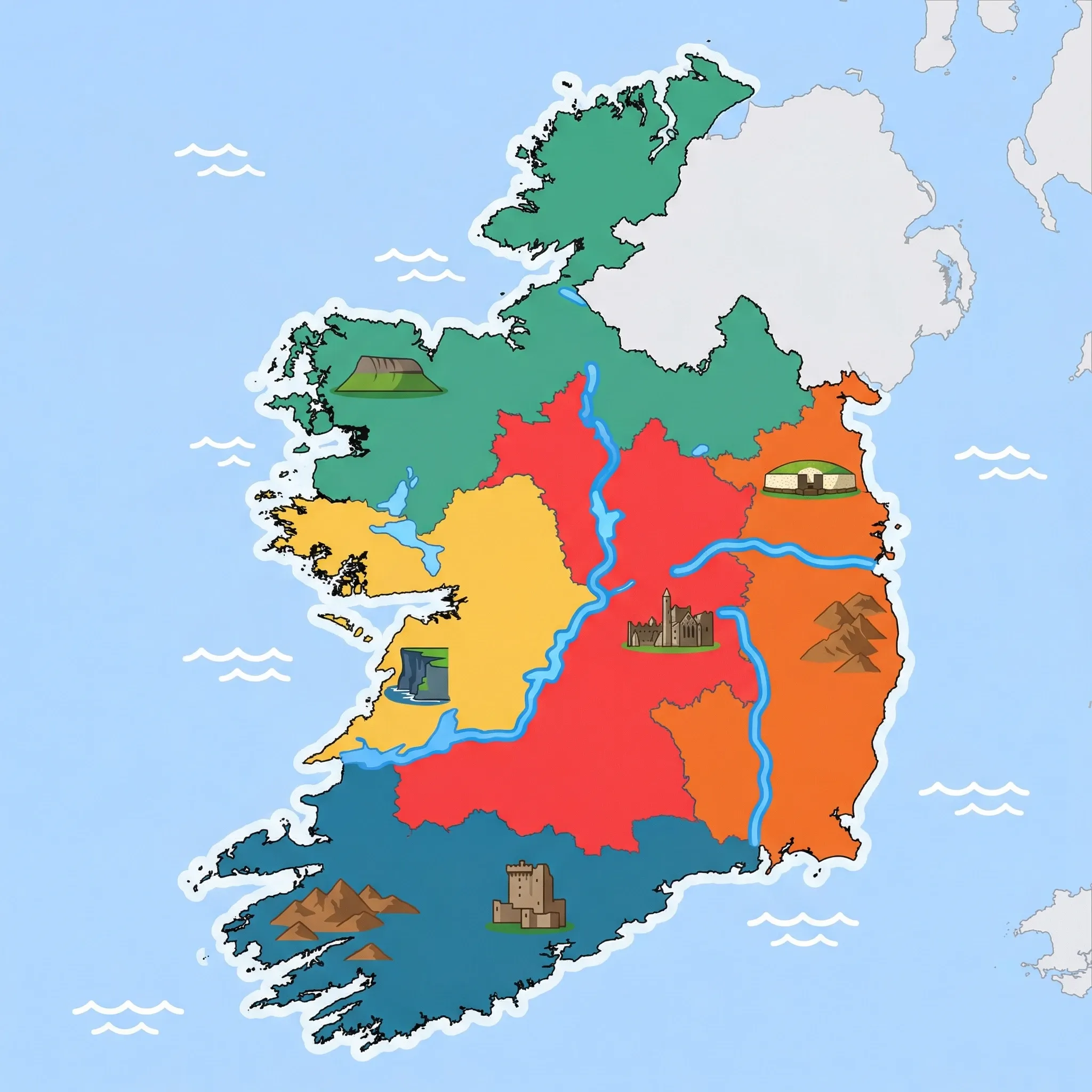
Click a region to explore
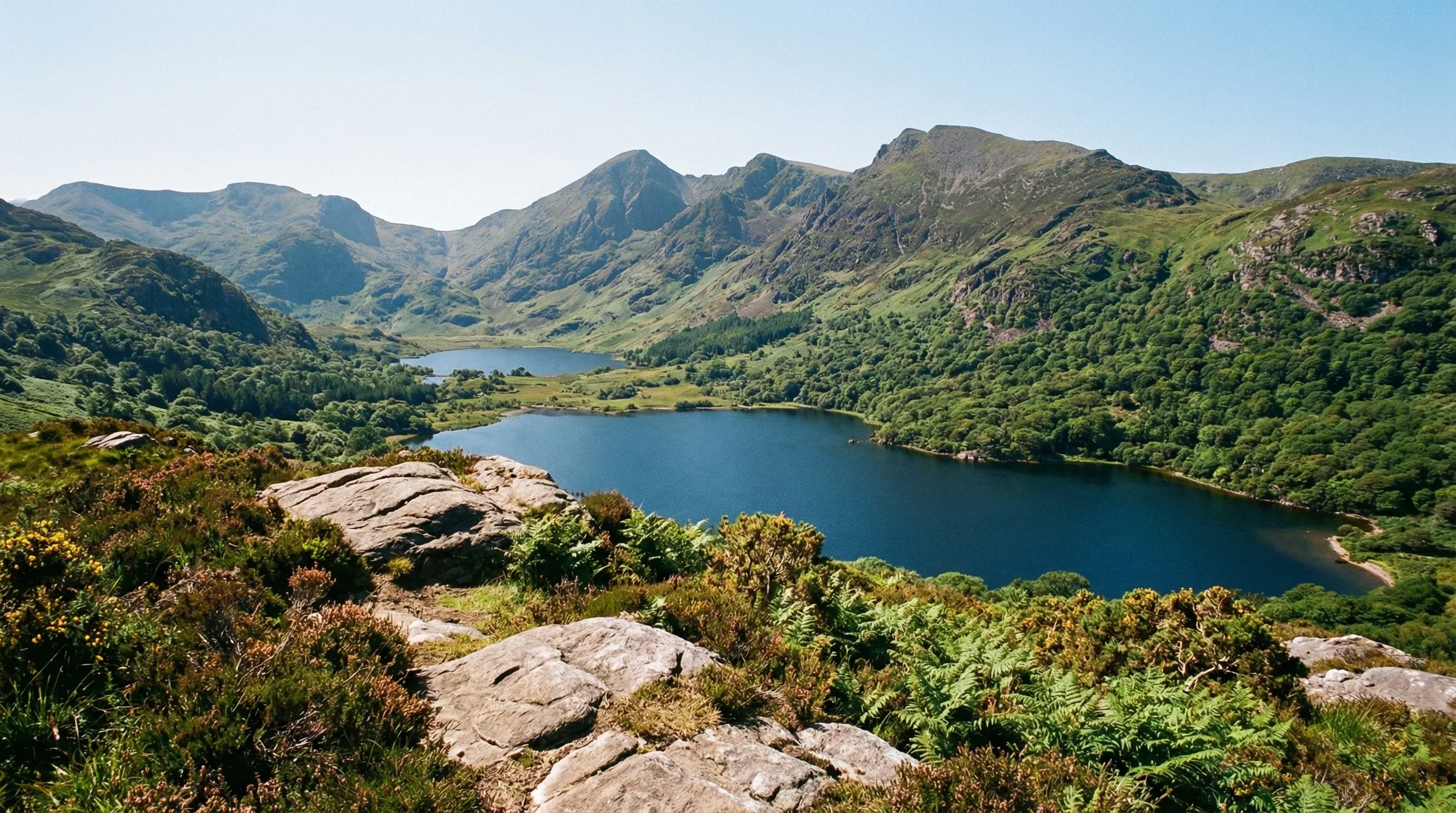
The Wild Atlantic Way South encompasses the counties of Cork and Kerry, a region often referred to as "The Kingdom." This is the Ireland of the imagination: impossibly green fields, brightly painted towns, and mist-shrouded mountains dropping into the sea. It is the most popular tourist region outside Dublin for good reason—the infrastructure for families is excellent. From the foodie haven of Cork City to the dramatic loops of the Ring of Kerry and Dingle Peninsula, the diversity of landscapes keeps children engaged. You have the cosmopolitan buzz of Cork, the rugged isolation of the peninsulas, and the manicured beauty of Killarney all within easy reach.
For families, the appeal lies in the variety of activities. You can be on a boat spotting dolphins in Dingle in the morning and exploring a spooky 19th-century prison island in the afternoon. The region is famous for its "craic" (fun) and hospitality; traditional music is everywhere, and children are welcomed into the fold. While the roads on the famous peninsulas can be winding and slow, the frequent stops for beaches, ice cream, and sheep photos make the journey the destination. The climate here is the mildest in the country thanks to the Gulf Stream, allowing sub-tropical gardens to flourish.
Key Attractions
One of the region's top family days out is Fota Wildlife Park near Cork. Unlike a traditional zoo, animals like lemurs and wallabies roam freely around you, which is thrilling for kids. Nearby, Blarney Castle & Gardens is essential; while the stone is famous, the Poison Garden and vast grounds are the real highlight for exploring. In Cork Harbour, Spike Island involves a fun ferry ride and a tour of a massive star-shaped fortress that was once a prison—older kids love the "Alcatraz" vibe.
Heading west to Kerry, Killarney National Park is a wonderland. Families can take a traditional horse-drawn jaunting car to Muckross House, Gardens & Traditional Farms, where the working farms show life in the 1930s. On the Dingle Peninsula, Dingle Oceanworld Aquarium is a compact but excellent aquarium, perfect for the rainy days that the Atlantic frequently delivers. Of course, the Ring of Kerry is the famous drive, but for families, the shorter loops like the Skellig Ring often prove more manageable and equally scenic.
Practical Advice
The Ring of Kerry is best driven anti-clockwise to avoid meeting tour buses head-on on narrow bends. Killarney and Dingle get extremely crowded in July and August; book dinner reservations in advance. Cork City is hilly but walkable.
Food & Drink
Typical meal times: Lunch 12:30 pm to 2:00 pm. Dinner 6:00 pm to 9:30 pm. Cork is considered the food capital of Ireland, so standards are high.
Typical meal costs: Varies widely. A pub meal in Kerry might be €15 ($16/£13), while dinner in Kinsale or Killarney can be pricey. Family dinner average: €70–100 (approx. $75–110 USD / £60–85 GBP).
Dietary requirements: Excellent. Kinsale Historic Town is world-renowned for its cuisine and caters to every need. Vegetarian choices are standard everywhere.
Signature dishes:
- Drisheen – A traditional blood pudding from Cork. A brave choice for adventurous eaters, often served with tripe (maybe not for the kids!).
- Spiced Beef – A Cork specialty of cured beef boiled with spices, often served cold in sandwiches. Delicious and mild.
- Clonakilty Black Pudding – The most famous pudding in Ireland, made in West Cork. It has a nutty texture and is part of every full Irish breakfast here.
Why this score?
This region contains Ireland's highest peaks, including Carrauntoohil, and more remote peninsulas like Beara. The terrain offers significant outdoor challenges for families, from sea kayaking to mountain trekking, within a landscape that feels wild yet remains accessible.
Why this score?
Cork City provides excellent medical infrastructure with several large hospitals and specialized clinics. Killarney also maintains high-quality medical services specifically geared toward the high volume of international visitors that frequent the area year-round.
Why this score?
The Ring of Kerry and Killarney are among the most famous tourism brands in Europe, drawing massive international crowds. The region's blend of coastal scenery and historic sites like Blarney Castle results in high hotel occupancy and a mature tourism economy.

Kerry (especially Killarney) and West Cork are premium destinations. Hotels in high season often exceed €250 (approx. $270 USD / £215 GBP). However, value can be found in holiday home rentals if booked early. Entry fees to major sites like <a data-attraction-id="42042">Blarney Castle</a> are relatively high.

Getting Here & Around
Getting Here
- Airports – Cork Airport (ORK) serves the south, while Kerry Airport (KIR) offers connections near Killarney.
- Train – Regular trains connect Dublin Heuston to Cork City (2.5 hours) and Killarney (3+ hours).
- Driving – The M8 motorway connects Dublin to Cork in about 2.5–3 hours.
Getting Around
- Car – Absolutely essential for the Ring of Kerry and Dingle Peninsula. Roads are spectacular but narrow.
- Train – Good for moving between major hubs like Cork, Cobh (for Fota Wildlife Park), and Killarney.
- Bus – Local buses exist but are too infrequent for effective family touring of the peninsulas.
Nearby Airports (2 airports)
Kerry County Airport
KIRKerry County
Cork
ORKCork
View full flight map for Ireland →
Official Links

Packing List
Deer are prevalent in Killarney National Park, so ticks can be an issue in long grass.
The Ring of Kerry and Conor Pass have endless winding turns that can upset stomachs.
Many beaches are rocky or have coarse sand; protects feet from weaver fish stings.
The glare off the Atlantic ocean while driving the coastal routes can be intense.
Essential for walking on narrow rural roads which often lack sidewalks/pavements.
Ticks are common in tall grass and national parks like Killarney; useful for hikers.
Rain often blows sideways; a jacket alone won't keep legs dry during outdoor walks.
Supermarket trolleys and some older parking meters require €1 or €2 coins to operate.
Back roads and coastal drives are extremely twisty and can unsettle little stomachs.

Activities & Best Times

Hiking, wildlife, outdoor exploration, ecotourism
Boasts world-class landscapes in Killarney National Park and Fota Wildlife Park, offering immersive wilderness and wildlife experiences. Best visited from late spring to early autumn when trails are accessible and boat trips to the Skelligs are operational.

Urban tourism, museums, historical sites, architecture
Skellig Michael is UNESCO-listed and Blarney Castle is iconic, but the region lacks the density of world-class cultural institutions required for 'excellent'. Cork city and heritage sites justify strong 'very_good' rating without overstating international significance.

Sport tourism, fitness activities, active recreation
Premier infrastructure for hiking via the Kerry Way and Dingle Way, alongside major adventure centers like Ballyhass. Optimal trekking conditions occur in the drier, brighter summer months, as winter conditions on the peninsulas can be hazardous.

Learning experiences, scientific sites, historical education
Offers significant scientific and historical engagement through Mizen Head Signal Station and Dingle Oceanworld Aquarium. Educational programs and site access are most robust during the primary tourism season when visitor centers are fully staffed.

Scenic drives, countryside tours, route-based travel
The Ring of Kerry and Slea Head Drive are globally recognized scenic routes with dramatic coastal views. Peak months provide the necessary daylight hours and visibility required to safely navigate narrow mountain passes and coastal cliffs.

Amusement parks, family entertainment venues
Family-focused attractions like the Aqua Dome and West Cork Model Railway Village provide high-quality regional entertainment. Peak visitation is strictly tied to school holiday windows and warmer weather for outdoor exhibits.

Beach resorts, marine activities: diving, snorkelling, kite surfing, wind surfing, sailing
Notes explicitly state 'Atlantic waters remain cold year-round, limiting comfortable swimming'. Blue-flag beaches indicate quality management but cannot overcome fundamental climate limitations for beach holidays.

Events, celebrations, seasonal attractions
Anchored by the internationally recognized Rose of Tralee in August and the Guinness Cork Jazz Festival in October. Tourism peaks sharply around these specific event dates, which draw sophisticated global audiences.

Spa retreats, wellness centers, peaceful getaways
Distinctive regional wellness experiences like seaweed baths in Dingle and Ballybunion offer a unique, authentic local tradition. These facilities are most appealing during months when the surrounding coastal scenery can be enjoyed comfortably.

Attractions (31 total)



Public Holidays & Calendar Next 12 months
Public holidays, festivals, cultural celebrations, and seasonal natural phenomena coming up in Wild Atlantic Way South (Cork, Kerry, Ring of Kerry) over the next 12 months.
Loading holidays and events...

Travel Advisory
The majority of major agencies agree that Ireland is a safe destination requiring only standard safety awareness. No significant elevated risks are reported across the country.
Safety Topics
Traveller Advice (3 groups)

Ireland is considered an inclusive and safe environment for sexual and gender minorities, with strong legal protections and a generally welcoming public atmosphere.

The country is generally safe for solo female travellers. Standard precautions should be taken when walking alone at night in less-frequented or poorly lit areas.

Maintain standard safety vigilance, especially in crowded tourist areas and public transport hubs where petty theft is more frequent. Keep digital copies of travel documents and monitor local media for news on protests.
Agency Summaries
Ireland is overall safe, but visitors should be wary of petty crime, especially in Dublin. There is a slight increase in rental car break-ins at scenic locations and a risk of protests in urban centers.
Visitors should maintain standard safety levels. Awareness of potential for civil unrest and the general threat of terrorism in Europe is recommended, although Ireland has no recent history of attacks.
Travellers should maintain standard safety awareness as they would in their home country. While generally safe, petty crime like theft and bag snatching occurs, particularly in major cities and tourist spots.
No specific travel restrictions are in place. Visitors should ensure they have proper insurance and be aware of local laws. Cross-border travel to Northern Ireland may involve different entry requirements.
Standard safety measures are recommended. Travellers are advised to monitor local alerts and enroll in security notification programs. Immigration officials may request proof of travel intent and sufficient funds at the border.
Information is provided for general guidance only and does not constitute travel, safety, medical, or legal advice. Conditions may change. Users are responsible for independently verifying information before travel.