
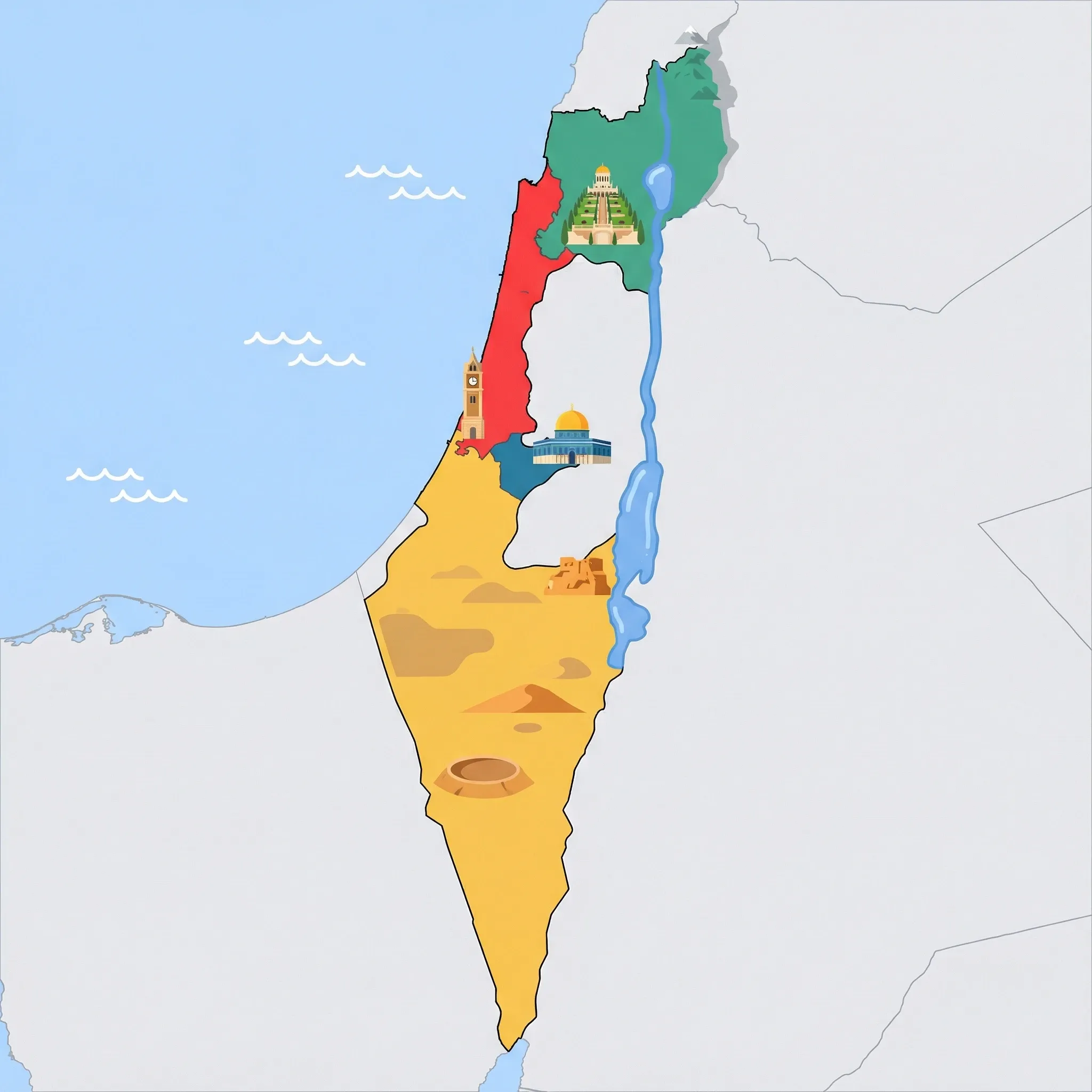
Click a region to explore
⚠️ SAFETY WARNING: Due to the threat of terrorism and rocket fire, government agencies (including the USA, UK, and CA) advise travelers to reconsider travel to Tel Aviv. While the city has excellent infrastructure and protective measures, the security situation remains unpredictable. Families should know the location of the nearest bomb shelter or "safe room" (Mamad) at their accommodation and stay alert for sirens. Families are strongly urged to consult their own government's official travel advisory before considering a trip.
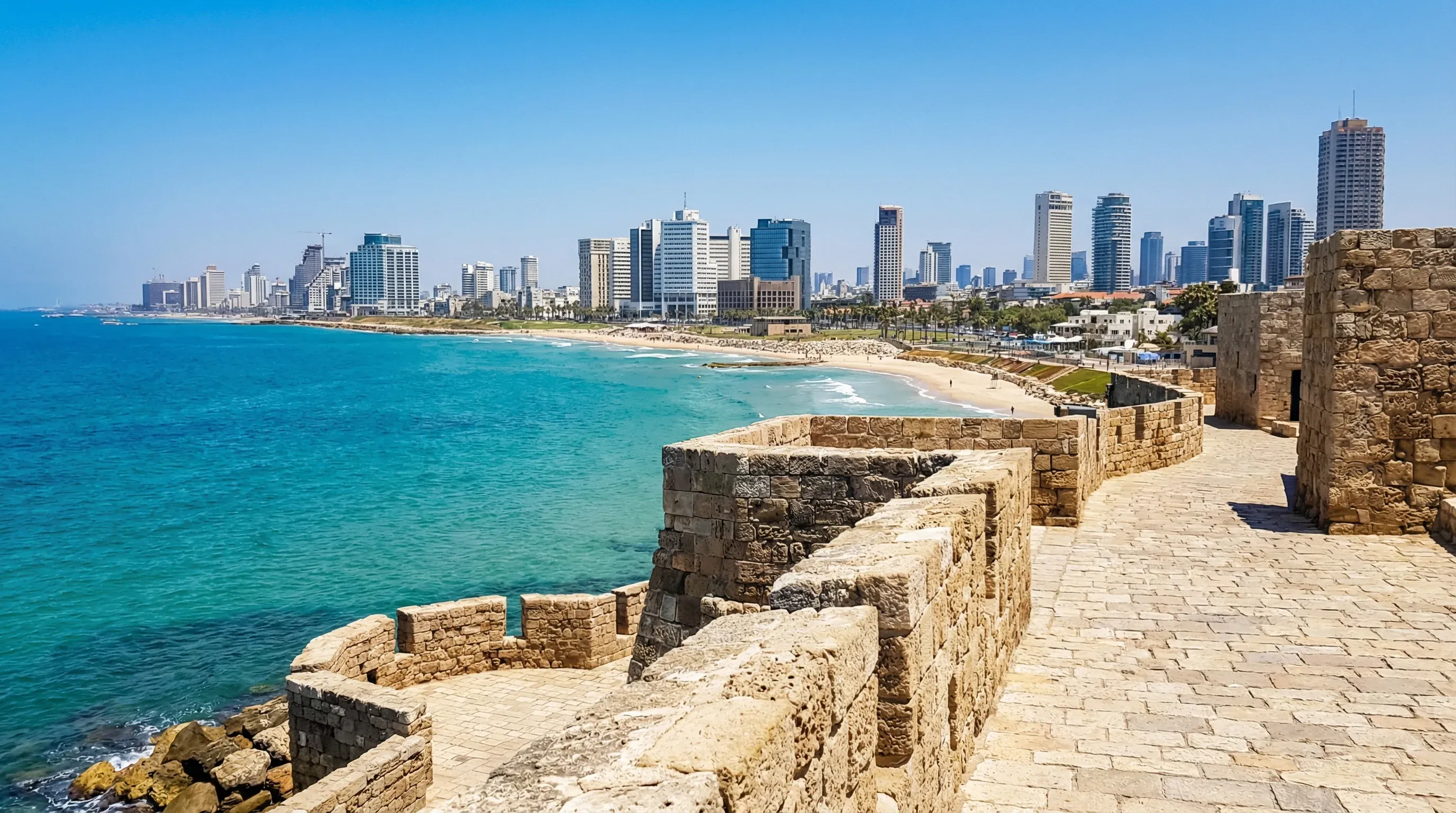
Tel Aviv is often called the "bubble" because it feels distinct from the rest of the Middle East—it is cosmopolitan, liberal, and relentlessly energetic. For families, the coastline is the biggest draw. A long promenade connects the ancient port of Jaffa in the south to the modern port in the north, lined with playgrounds, outdoor gyms, and beaches that have breakwaters creating calm "pools" for toddlers. The atmosphere is casual; it's perfectly acceptable to walk into a cafe in flip-flops with sand on your feet. The city is flat and compact, making it a paradise for strollers and scooters.
While Jerusalem is about the past, Tel Aviv is about the present. The culture here revolves around the outdoors and food. On weekends, families flock to the parks for picnics or "Al HaEsh" (BBQs). The city also boasts world-class museums that are surprisingly kid-centric. Just north of the city, the coast offers archaeological wonders like Caesarea, where kids can run around a Roman amphitheater right on the sea edge. Summers are hot and very humid, so planning indoor activities for the middle of the day is smart.
Key Attractions
Start at Old Jaffa, where kids can explore the winding alleys, make wishes at the wishing bridge, and visit the ancient Old Jaffa Port to see fishermen. For pure fun, Yarkon Park (Ganei Yehoshua) is the city's "Central Park," featuring boat rentals, a hot air balloon, and vast lawns. Just outside the city limits, the Zoological Center Tel Aviv-Ramat Gan (Safari) offers a unique African safari drive-through experience where hippos and rhinos roam near your car.
If you need an adrenaline rush, Luna Park Tel Aviv is the country's main amusement park. For a dose of culture, the Tel Aviv Museum of Art has excellent children's workshops, and the Caesarea National Park (30 mins north) combines beach time with exploring Roman ruins, including an impressive aqueduct.
Practical Advice
Best time to visit: Late Spring (May/June) or Autumn (Sept/Oct). August is incredibly humid. Logistics: Traffic is terrible. Avoid renting a car if you are staying inside Tel Aviv; parking is scarce and expensive. Use apps like Gett or public transport.
Food & Drink
Typical meal times: Flexible. You can find food 24/7. Dinner is late, usually 8:00 pm onwards, but kids are welcome everywhere at any time.
Typical meal costs: Tel Aviv is one of the world's most expensive cities. A casual cafe lunch is 60–90 ILS (approx. $16–24 USD / €15–22 EUR). Dinner with wine 200–350 ILS (approx. $53–93 USD / €50–87 EUR) per person.
Dietary requirements: A vegan paradise. Tel Aviv has the highest per capita number of vegans in the world. Allergies are well understood.
Signature dishes:
- Schnitzel – Though Austrian in origin, breaded chicken breast is the de facto national dish for Israeli kids, served everywhere with chips (fries) and ketchup.
- Shakshuka – Eggs poached in a spicy tomato and pepper sauce, a staple breakfast or dinner dish served with challah bread.
- Malabi – A creamy milk pudding (often vegan/coconut based) topped with rose water syrup and peanuts, sold at street kiosks.
Why this score?
The geography is almost entirely flat and heavily urbanized, focused on coastal relaxation and metropolitan lifestyle rather than rugged exploration. Outdoor activities are limited to leisure cycling on the promenade, surfing at city beaches, or walking through manicured historical sites like Old Jaffa.
Why this score?
Tel Aviv and the surrounding Gush Dan area feature some of the highest-rated hospitals globally, such as Sheba Medical Center and Ichilov. These facilities are centers of excellence for medical tourism, offering world-class infrastructure and specialized staff who communicate fluently in English.
Why this score?
As the country's primary economic hub and coastal playground, Tel Aviv attracts a large volume of business travelers and leisure tourists interested in its nightlife and beaches. The Mediterranean coastline, including Caesarea and Netanya, is well-established with high-end hotels and a sophisticated international vibe.

Tel Aviv is very expensive. A boutique hotel room costs 900–1,600 ILS (approx. $240–425 USD / €225–400 EUR) per night. Even basic grocery items are pricey. However, the beaches and parks are free. To save money, eat street food (pita/falafel) which costs 25–40 ILS (approx. $7–11 USD / €6–10 EUR) and is delicious.

Getting Here & Around
Getting Here
- Airports – Ben Gurion Airport (TLV) is the main international gateway, located just 20 minutes by train from Tel Aviv.
- Train – Excellent rail connections from Haifa in the north and Jerusalem in the east arrive at Tel Aviv Savidor or HaShalom stations.
- Driving – Not recommended for entering the city due to the Ayalon Highway congestion, but useful for day trips to Caesarea National Park.
Getting Around
- Walking & Cycling – The best way to move. There are endless bike lanes. Scooter rentals (Bird, Lime) are everywhere (helmets required by law).
- Bus – Dan and Metropoline buses cover the whole city. You must pay via an app (Moovit/Rav-Kav) or pre-loaded card; no cash on board.
- Train – The light rail (Red Line) connects Petah Tikva through Tel Aviv to Bat Yam, useful for reaching Old Jaffa areas.
Nearby Airports (1 airport)
Ben Gurion International Airport
TLVTel Aviv-Yafo
View full flight map for Israel →
Official Links

Packing List
The national beach paddle-ball game; buying a set locally is fun, but packing a pro set is better.
The combination of humidity and park irrigation brings mosquitoes in the evenings.
Humidity means you change clothes twice a day; doing quick sink washes is common.
Beach kiosks are very expensive; packing your own cold drinks from a supermarket saves a fortune.
Essential for women and girls to cover shoulders/knees instantly when entering holy sites.
Dead Sea salt crystals are razor-sharp and can cut feet; Eilat beaches are also rocky.
Useful for sun protection and respecting local norms at more conservative beaches or springs.
Old City Jerusalem is full of stairs and cobblestones where strollers are impossible to use.
Summer heat is intense; a wet cooling towel is a lifesaver for children hiking or walking.
The high salinity of the Dead Sea can sting sensitive skin; aloe helps soothe it immediately.

Activities & Best Times

Urban tourism, museums, historical sites, architecture
A vibrant mix of UNESCO-listed Bauhaus architecture, the ancient port of Jaffa, and high-caliber art museums. Sophisticated travelers enjoy the world-class culinary scene and nightlife, best experienced in mild weather.

Hiking, wildlife, outdoor exploration, ecotourism
Home to the world-class Ramat Gan Safari and scenic coastal trails like the Alexander River. Best visited during the spring bloom or autumn when temperatures are comfortable for outdoor exploration.

Sport tourism, fitness activities, active recreation
Offers high-quality infrastructure for cycling and walking, including the Yarkon River route and coastal sections of the Israel National Trail. Peak activity occurs during the temperate spring and autumn seasons.

Beach resorts, marine activities: diving, snorkelling, kite surfing, wind surfing, sailing
Features well-maintained urban beaches in Tel Aviv and the unique historical setting of Caesarea's coastal park. Peak months avoid the peak summer humidity and jellyfish swarms common in July while maintaining warm sea temperatures.

Learning experiences, scientific sites, historical education
The Steinhardt Museum of Natural History and Eretz Israel Museum offer sophisticated, destination-level learning experiences. Ideal for families seeking intellectual engagement in a modern museum environment.

Events, celebrations, seasonal attractions
Tel Aviv Pride draws 500,000+ international visitors annually and is one of the world's largest Pride events. This exceeds 'marginal' threshold and should be upgraded to 'good' with proper festival attraction evidence added.
Amusement parks, family entertainment venues
Hosts the country's primary amusement and water parks, which are popular regional draws for families. Operational peak coincides with the hot summer months when water parks like Shefayim are most appealing.

Spa retreats, wellness centers, peaceful getaways
Natural hot springs at Hamei Gaash provide a regional wellness experience, primarily attractive during the cooler winter months. It lacks the destination-spa scale found in major international wellness hubs.
Scenic drives, countryside tours, route-based travel
The coastal highway and the Rothschild Wine Route offer pleasant drives through historic landscapes. Best enjoyed in spring when the coastal plain is green and the light is optimal for scenic viewing.

Attractions (19 total)



Public Holidays & Calendar Next 12 months
Public holidays, festivals, cultural celebrations, and seasonal natural phenomena coming up in Tel Aviv & Coast over the next 12 months.
Loading holidays and events...

Travel Advisory
The vast majority of international agencies now advise against all travel to Israel due to active armed conflict, regular military operations, and a highly unstable security situation. Most governments have raised their warnings to the maximum possible level, urging those already in the country to seek immediate shelter and prepare for evacuation as soon as commercial or safe land routes are available.
Safety Topics
Traveller Advice (3 groups)
Operational safety is severely compromised in border areas and Gaza. Coordination with military authorities is essential, but even with clearance, risks of falling debris and active combat are extremely high.

Ensure you have a secondary power source for communication and keep a stock of essential medications and emergency food supplies. Identify the nearest reinforced or underground shelter immediately upon arrival if you are already in the country.

Extreme vigilance is required when operating near military infrastructure or border zones. Conventional press markings may not provide protection in areas of active missile fire or drone activity.
Agency Summaries
British authorities strongly discourage any travel to the region as regional tensions and military actions pose significant risks. UK nationals currently present are advised to shelter in place and stay informed through local media regarding evacuation routes and commercial flight availability.
Australia has implemented its maximum travel warning, citing armed conflict and the potential for rapid security deterioration. Citizens should prioritize personal safety, find underground shelter if sirens sound, and monitor the National Emergency Portal for immediate safety updates.
United States officials recommend that citizens re-evaluate plans to visit because of civil unrest and the threat of terrorism. There is a higher 'Do Not Travel' warning for Gaza and specific border regions. Personnel have limited movement within the country due to unpredictable security incidents.
The Canadian government has raised its warning to the highest level, advising citizens to avoid all visits due to active military operations and the volatile security environment. Canadians on the ground are urged to stay in secure locations and prepare to depart when commercial options become viable.
New Zealand has designated the entire region as a 'Do Not Travel' zone due to the heightened risk of military strikes and unpredictable violence. Travelers are warned that standard insurance often fails to cover incidents arising from active warfare or civil unrest in these areas.
Ireland advises against all travel to the area following recent regional escalations and missile strikes. Irish citizens in the country should minimize all movement, stay away from military sites, and register with the embassy immediately to receive crisis updates.
Information is provided for general guidance only and does not constitute travel, safety, medical, or legal advice. Conditions may change. Users are responsible for independently verifying information before travel.