
Milan & Lombardy
Fashion, finance, and rooftop views in Italy's modern heart 👠🏙️🏰
Click a region to explore
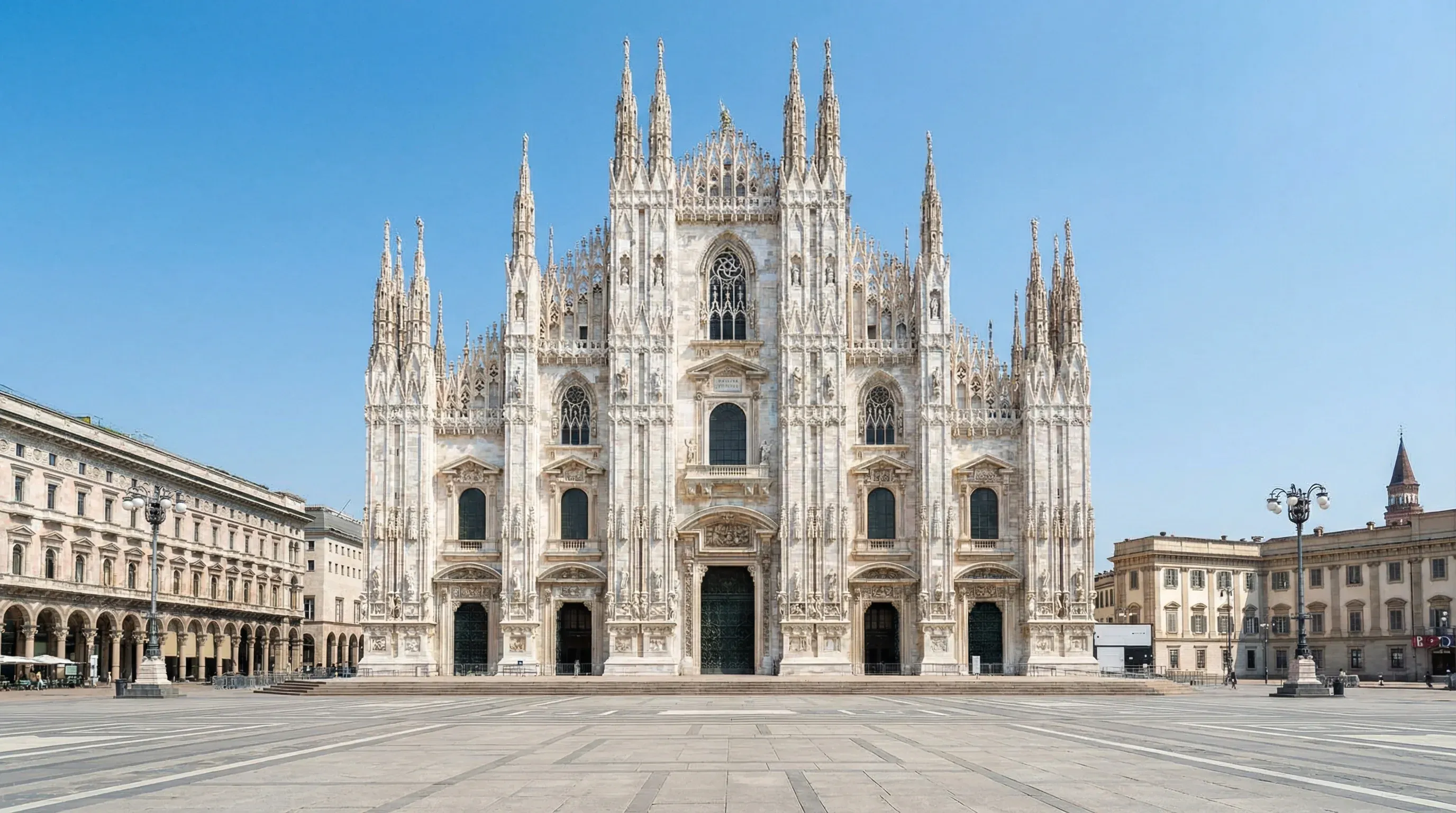
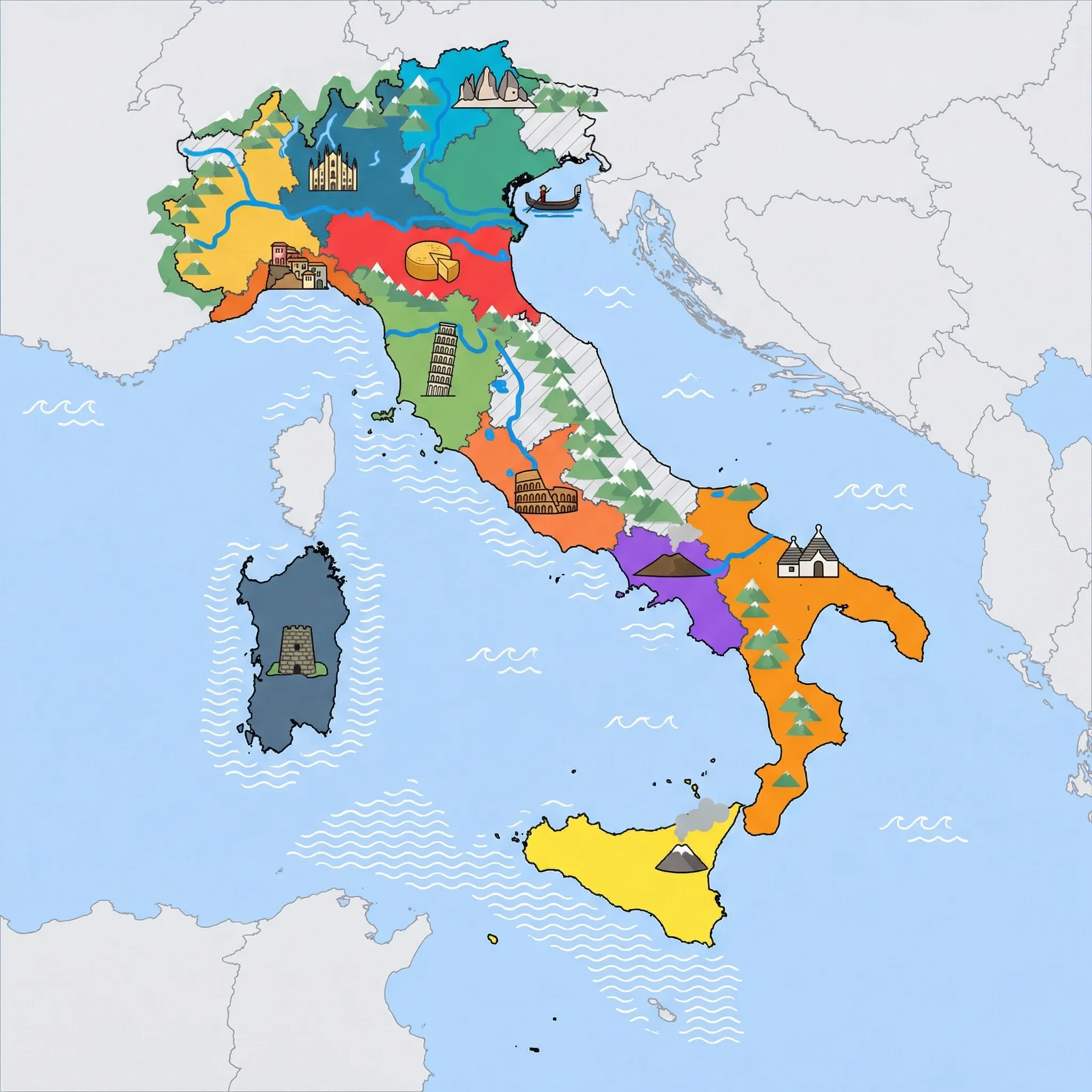
Milan & Lombardy is the engine room of Italy, but for families, it offers a surprisingly rich cultural experience. Milan is often dismissed as just a business city, but it is incredibly vibrant and manageable. The city center is flat and walkable, dominated by the spectacular white marble Gothic cathedral. Beyond the capital, the region is dotted with wealthy, manicured cities like Bergamo (with its walled upper town) and Mantua, as well as vast plains that house some of Italy's best agriculture.
This is a great region for families who love "edutainment." Milan has world-class museums, including a dedicated children's museum (MUBA) and a massive science museum. The vibe is fast-paced and stylish, but Italians love children, so you will still be welcomed in chic restaurants. It is an all-weather destination; on rainy days, the covered arcades and museums provide plenty of shelter.
Key Attractions
The absolute must-do is walking on the roof of the Duomo di Milano; taking the elevator up allows kids to wander among the spires and statues with views over the city. The Galleria Vittorio Emanuele II is a stunning glass-roofed arcade where kids can spin on the bull mosaic for good luck. For animal lovers, the Parco Faunistico Le Cornelle near Bergamo is a highly respected wildlife park focused on conservation. South of Milan, the Certosa di Pavia is a monastery with intricate designs that will fascinate history buffs. In Mantua, the Palazzo Te offers a glimpse into Renaissance life with its giant frescos of giants and horses.
Practical Advice
Avoid August in Milan; the city empties out, many shops close, and the heat is stifling. Spring and Autumn are ideal. Milan has a congestion charge (Area C) for cars, so park on the outskirts and use the excellent metro system.
Food & Drink
Typical meal times: Lunch 12:30 pm to 2:30 pm. Dinner 7:30 pm to 10:00 pm. Aperitivo (pre-dinner drinks/snacks) is a huge ritual here around 6:30 pm.
Typical meal costs: Milan is expensive. A sit-down dinner for four costs €100–160 (approx. $110–175 USD / £85–135 GBP). However, "Aperitivo" buffets can be a cheap early dinner alternative.
Dietary requirements: Excellent. As a cosmopolitan hub, Milan has the most options for vegan, gluten-free, and international cuisine in Italy.
Signature dishes:
- Risotto alla Milanese – A creamy, golden risotto flavored with saffron and bone marrow.
- Cotoletta alla Milanese – A breaded, fried veal cutlet (similar to schnitzel), often served bone-in. Kids love it.
- Panettone – The famous Christmas sweet bread with candied fruit originated here.
Why this score?
Lombardy's core is a highly urbanized and industrial plain with very little rugged outdoor appeal. Outside of the northern lake fringes, the tourist experience is centered on shopping, museums, and metropolitan life rather than physical adventure.
Why this score?
Milan offers world-class healthcare with several JCI-accredited hospitals that frequently treat international patients. It is arguably the best place in Italy for medical services, featuring a high density of English-speaking doctors and private clinics.
Why this score?
Milan is a global capital for fashion, finance, and design, attracting millions of international business and leisure travelers. Iconic landmarks like the Duomo and the Last Supper ensure it remains a top-tier European city destination.

Milan is one of the most expensive cities in Europe. Hotel rates are high year-round, often €200+ (approx. $215 USD / £170 GBP) for a family room. However, transport is cheap, and many museums offer family tickets.

Getting Here & Around
Getting Here
- Airports – Milan has three: Malpensa (MXP), Linate (LIN - closest to city), and Bergamo Orio al Serio (BGY).
- Train – Milano Centrale is one of Europe's largest stations, with high-speed connections to everywhere in Italy and Switzerland.
- Driving – Milan is the center of the Italian motorway network, but driving inside the city is stressful and restricted.
Getting Around
- Public Transport – Milan's metro, trams, and buses are efficient and cover the whole city. Children under 14 often travel free (check current rules).
- Walking – The historic center around the Duomo di Milano is best explored on foot.
- Train – Regional trains to Bergamo, Pavia, and the lakes are frequent and cheap.
Nearby Airports (3 airports)
Orio al Serio International Airport
BGYMilan
Linate
LINMilan
Milan Malpensa Airport
MXPMilan
View full flight map for Italy →
Official Links

Packing List
Milan is fashion-conscious; even kids tend to dress smartly for dinner
Strictly enforced dress codes in the Duomo require covered shoulders/knees
The Po Valley is humid and mosquitoes are very common in summer
Strict dress codes in churches (St. Peter's, St. Mark's) require covered shoulders and knees even in summer heat.
Older Italian sockets use a unique vertical 3-pin row that standard 2-pin European plugs often don't fit.
Rome and other cities have 'nasoni' (public fountains) dispensing fresh, cold, free drinking water throughout the streets.
Small-wheeled umbrella strollers often break on cobblestones (sanpietrini); a carrier is better for Venice's many bridges.

Activities & Best Times

Urban tourism, museums, historical sites, architecture
Milan is a world-class center for fashion, design, and history, featuring iconic landmarks like the Duomo and Leonardo's Last Supper. Peak seasons align with mild weather and major cultural events, while August is considered the off-season as the city's local life diminishes during the annual Ferragosto closures.

Hiking, wildlife, outdoor exploration, ecotourism
The region offers sophisticated nature experiences in the Alpine foothills and around the famous northern lakes, with high-quality facilities like the Jungle Raider Park. Summer provides the best access for hiking and lake-based exploration, while winter conditions at higher altitudes restrict many nature-focused activities.

Sport tourism, fitness activities, active recreation
The lakes and pre-Alps offer excellent infrastructure for cycling and climbing, including internationally recognized adventure centers. Facilities are primarily operational from late spring through early autumn, with colder winter months being unsuitable for these specific activities.
Amusement parks, family entertainment venues
Lombardy features high-quality family entertainment such as Leolandia and Acquaworld, which are among the best in Italy for younger children. Peak months correspond with the summer holiday period and optimal weather for water-based attractions.

Beach resorts, marine activities: diving, snorkelling, kite surfing, wind surfing, sailing
This is a landlocked region. Lake beaches (Garda, Como) do not meet the standard for 'beach_sea' holidays - they are freshwater lakeside recreation, not coastal/marine experiences. While sophisticated, calling lake swimming 'beach holidays' is a category error. Should be 'marginal' at best or removed entirely.

Learning experiences, scientific sites, historical education
Specialized facilities like the Civic Aquarium of Milan provide high-quality educational detours for families visiting the region. These sites are most popular during the spring and autumn school trip seasons, though they remain accessible as indoor options during much of the year.

Attractions (34 total)



Public Holidays & Calendar Next 12 months
Public holidays, festivals, cultural celebrations, and seasonal natural phenomena coming up in Milan & Lombardy over the next 12 months.
Loading holidays and events...

Travel Advisory
The international community is divided on Italy's risk profile. While half of the major agencies maintain a baseline safety rating, several key partners have elevated their warnings to L1 due to an increased threat of terrorism and security complexities surrounding the 2026 Winter Olympics. Visitors should exercise higher vigilance than usual.
Safety Topics
Agency Summaries
Heightened caution is advised due to the risk of terrorism. Extremist groups continue to plan attacks against public spaces, transit hubs, and tourist locations. Travelers should also be aware of new domestic laws affecting international surrogacy arrangements.
Travellers should remain highly vigilant in Italy due to a persistent threat of terrorism. Heightened security and potential for civil unrest are expected in Northern Italy during the 2026 Winter Olympics. Petty crime remains a significant concern in all major tourist hubs.
Standard safety awareness is recommended. Be particularly careful with personal belongings in tourist areas and on trains to avoid theft. Extra crowds and security will be present in Milan and Verona for the 2026 Winter Paralympics.
Take typical safety measures while traveling. Monitor local news for strike information and maintain awareness of your surroundings in urban centers to prevent petty theft.
There are elevated security concerns in Italy compared to New Zealand, primarily due to the threat of terrorism and the potential for civil unrest. Travelers should stay informed via local media and maintain high vigilance in public areas.
Most visits to Italy are safe, though travelers should watch for pickpockets in crowded cities and on public transport. Be prepared for increased security and travel disruptions during major sporting events in early 2026. A general threat of terrorism exists.
Information is provided for general guidance only and does not constitute travel, safety, medical, or legal advice. Conditions may change. Users are responsible for independently verifying information before travel.