
Naples & Campania (Amalfi, Pompeii)
Ancient ruins, active volcanoes, and the birthplace of pizza 🍕🌋🍋
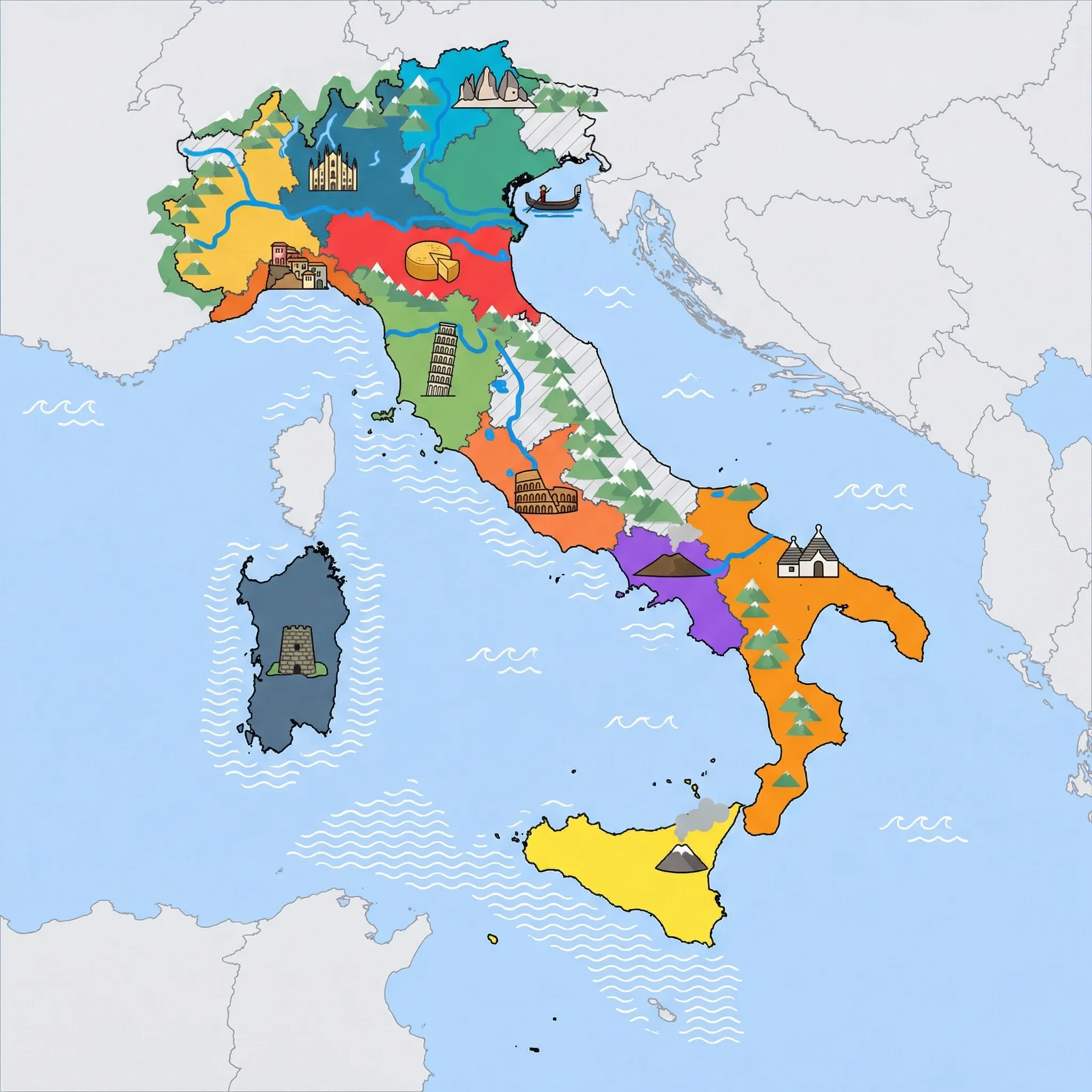
Click a region to explore
Travel Advisory: Naples is safe for tourists, but petty crime like pickpocketing is common on public transport and in crowded areas. Traffic can be chaotic and pedestrian crossings are often ignored by drivers—hold children's hands tight and stay alert.
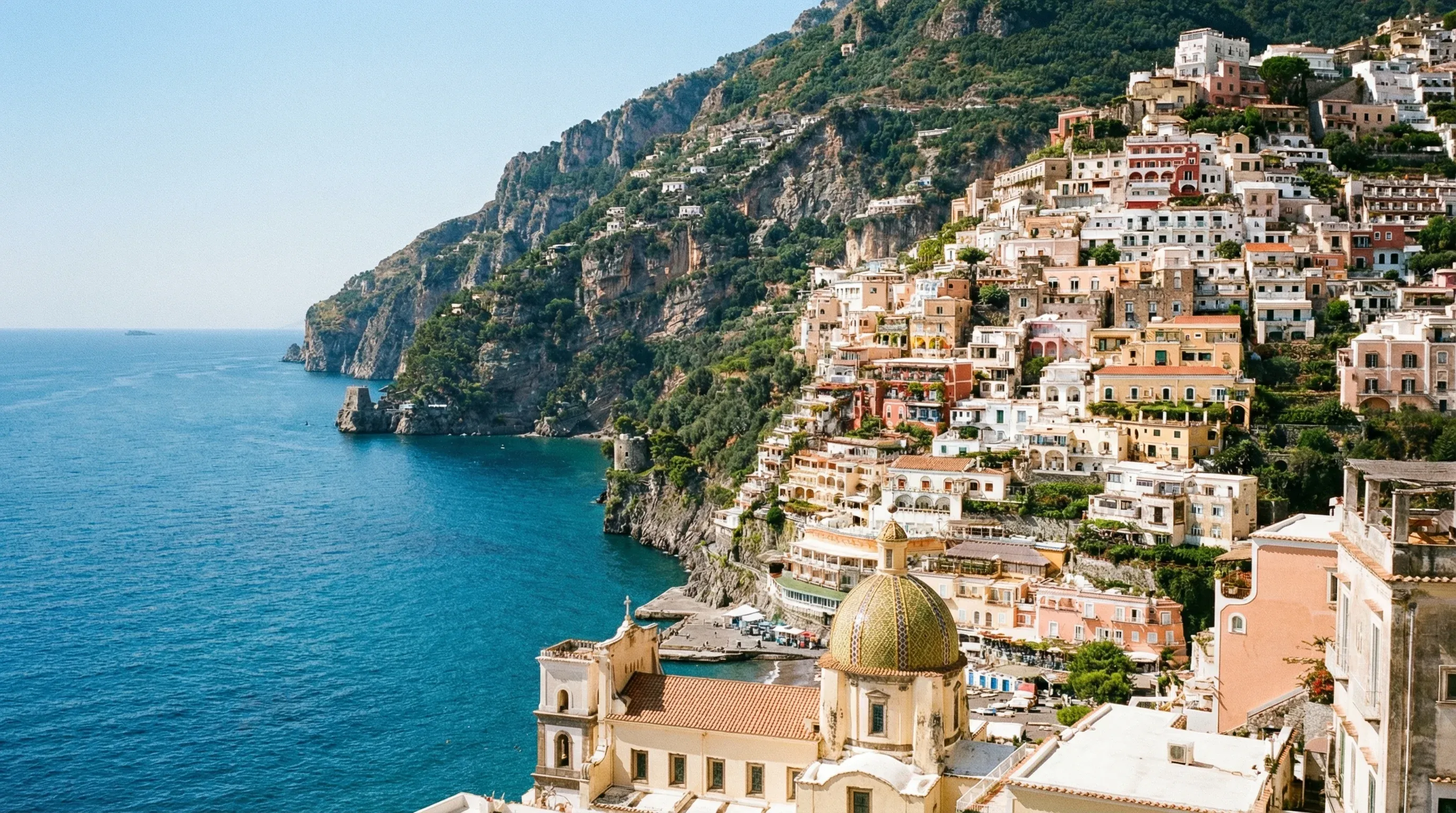
Naples & Campania provides a sensory overload that kids often find thrilling. It is the real, raw Italy: noisy, passionate, and crumbling in the most beautiful way. The region is dominated by the looming silhouette of Mount Vesuvius, the volcano that buried Pompeii, providing a real-life history lesson no textbook can match. The city of Naples is a maze of narrow streets strung with washing lines, while just an hour away, the Amalfi Coast offers some of the most glamorous seaside scenery on earth.
For families, this region requires a bit of patience (schedules are "flexible" here), but the rewards are huge. Pizza was invented here, and eating an authentic margherita is a religious experience. The islands of Ischia and Capri offer boat trips and grottos that spark the imagination. Ischia, with its thermal beaches and castles, is often more family-friendly and relaxed than the glitzy Capri.
Key Attractions
The top educational stop is climbing Mount Vesuvius; peering into the crater of an active volcano is a bucket-list item for adventurous kids. Just below lies history frozen in time—while Pompeii is famous, the National Archaeological Museum of Naples (MANN) holds the actual treasures and mosaics found there and is essential for context. In Naples, the Naples Historic Centre (Spaccanapoli) is a UNESCO site where you can see the "Veiled Christ" and eat street food. For pure fun, Edenlandia is a historic amusement park in Naples recently revived. On the coast, Amalfi Town is stunning, though be prepared for steps!
Practical Advice
Spring (April–June) and October are best. Summer is intensely hot and overcrowded, making Pompeii difficult for young children (no shade). Naples is chaotic with strollers; a carrier is better. Ferries to the islands can be cancelled in bad weather.
Food & Drink
Typical meal times: Late. Lunch 1:30 pm to 3:30 pm. Dinner rarely starts before 8:30 pm or 9:00 pm.
Typical meal costs: Naples is the street food capital and very cheap. A pizza costs €5–8 ($5.50–8.50 USD). The Amalfi Coast is much more expensive. Family dinner: €50–120 (approx. $55–130 USD / £40–100 GBP).
Dietary requirements: Pizza marinara (tomato, garlic, oregano) is naturally vegan. Gluten-free pizza is widely available in Naples due to high local demand.
Signature dishes:
- Pizza Napoletana – Soft, chewy, with a high crust (cornicione), strictly cooked in a wood-fired oven.
- Sfogliatella – A shell-shaped pastry filled with sweetened ricotta and candied orange peel.
- Mozzarella di Bufala – Milky, fresh buffalo cheese, best eaten on its own.
Why this score?
Hiking Mount Vesuvius and the Path of the Gods provides notable outdoor excitement with rugged volcanic and coastal terrain. The chaotic urban environment of Naples and the vertical landscape of the Amalfi Coast add a layer of logistical adventure and physical demand.
Why this score?
Naples has several large public and private hospitals, though they can be crowded and more difficult to navigate than those in Northern Italy. Tourist-heavy areas like Sorrento have decent medical clinics, but serious cases are typically transferred to Naples.
Why this score?
This region contains some of the world's most recognizable sites, including Pompeii, the Amalfi Coast, and Capri. It is a massive draw for international cruises and land-based tourists, making it one of the most visited areas in the Mediterranean.

Naples itself is one of Italy's cheapest cities—coffee is €1 and pizza is €5. However, Sorrento, Capri, and the Amalfi Coast are 'High' to 'Luxury' cost levels. A family trip combining both averages out to 'Mid'. Accommodation in Amalfi can easily exceed €300 ($325 USD) a night.

Getting Here & Around
Getting Here
- Airports – Naples Capodichino (NAP) is the main international airport, located very close to the city center.
- Train – High-speed trains connect Naples to Rome in just over 1 hour. The Naples Historic Centre is easily reached from the station.
- Ferry – Ferries and hydrofoils connect Naples to Sorrento, Capri, Ischia, and the Amalfi Coast.
Getting Around
- Train – The Circumvesuviana is a gritty but essential commuter train linking Naples, Pompeii, and Sorrento. It is often crowded and hot.
- Ferry – The best way to travel the coast to avoid traffic. Views of Amalfi Town from the sea are unbeatable.
- Walking – Essential in Naples and coastal towns, which often have ZTL (traffic-limited) zones.
Nearby Airports (2 airports)
Naples International Airport
NAPNaples
Salerno Pontecagnano Airport
QSRSalerno
View full flight map for Italy →
Official Links

Packing List
Pompeii and Naples can be baking hot with very little air movement
Pompeii's ancient Roman roads are uneven and treacherous for flip-flops
The Amalfi Coast road is notoriously winding and induces nausea quickly
Strict dress codes in churches (St. Peter's, St. Mark's) require covered shoulders and knees even in summer heat.
Tiger mosquitoes (zanzare) are aggressive and common in summer, especially in the Po Valley, Venice, and lake areas.
Older Italian sockets use a unique vertical 3-pin row that standard 2-pin European plugs often don't fit.
Rome and other cities have 'nasoni' (public fountains) dispensing fresh, cold, free drinking water throughout the streets.
Small-wheeled umbrella strollers often break on cobblestones (sanpietrini); a carrier is better for Venice's many bridges.

Activities & Best Times

Urban tourism, museums, historical sites, architecture
Home to world-class UNESCO sites like Pompeii and the Royal Palace of Caserta, offering unparalleled historical depth and authentic Neapolitan culture. Best visited in spring and autumn to avoid the intense summer heat and winter rains while enjoying full access to historic sites.

Hiking, wildlife, outdoor exploration, ecotourism
Features dramatic volcanic landscapes and high-quality agritourism experiences like Tenuta Vannulo, perfect for sophisticated families. Peak months offer the most stable weather for trekking Mount Vesuvius and exploring the Cilento countryside before the peak summer heat.
Beach resorts, marine activities: diving, snorkelling, kite surfing, wind surfing, sailing
The Amalfi Coast and Capri offer iconic Mediterranean beach experiences with high-end appeal and crystal-clear waters. Peak visitation occurs during the hot summer months when sea temperatures are ideal and all ferry services and beach clubs are fully operational.

Sport tourism, fitness activities, active recreation
Offers specialized infrastructure including major ziplines and outdoor adventure centers in rugged scenic locations. Peak conditions occur in late spring and early autumn when weather is reliable and temperatures are comfortable for physically demanding outdoor activities.
Amusement parks, family entertainment venues
Features unique thermal water gardens on Ischia and established amusement parks like Edenlandia that cater to international families. These facilities are primarily seasonal, with the best experiences available during the warm summer months when outdoor aquatic features are fully accessible.

Learning experiences, scientific sites, historical education
Niche educational opportunities exist through the Naples Aquarium and marine research centers, providing scientific engagement for families. While these facilities are often indoors, peak timing aligns with broader regional travel seasons to ensure availability of guided programs.

Attractions (35 total)



Public Holidays & Calendar Next 12 months
Public holidays, festivals, cultural celebrations, and seasonal natural phenomena coming up in Naples & Campania (Amalfi, Pompeii) over the next 12 months.
Loading holidays and events...

Travel Advisory
The international community is divided on Italy's risk profile. While half of the major agencies maintain a baseline safety rating, several key partners have elevated their warnings to L1 due to an increased threat of terrorism and security complexities surrounding the 2026 Winter Olympics. Visitors should exercise higher vigilance than usual.
Safety Topics
Agency Summaries
Heightened caution is advised due to the risk of terrorism. Extremist groups continue to plan attacks against public spaces, transit hubs, and tourist locations. Travelers should also be aware of new domestic laws affecting international surrogacy arrangements.
Travellers should remain highly vigilant in Italy due to a persistent threat of terrorism. Heightened security and potential for civil unrest are expected in Northern Italy during the 2026 Winter Olympics. Petty crime remains a significant concern in all major tourist hubs.
Standard safety awareness is recommended. Be particularly careful with personal belongings in tourist areas and on trains to avoid theft. Extra crowds and security will be present in Milan and Verona for the 2026 Winter Paralympics.
Take typical safety measures while traveling. Monitor local news for strike information and maintain awareness of your surroundings in urban centers to prevent petty theft.
There are elevated security concerns in Italy compared to New Zealand, primarily due to the threat of terrorism and the potential for civil unrest. Travelers should stay informed via local media and maintain high vigilance in public areas.
Most visits to Italy are safe, though travelers should watch for pickpockets in crowded cities and on public transport. Be prepared for increased security and travel disruptions during major sporting events in early 2026. A general threat of terrorism exists.
Information is provided for general guidance only and does not constitute travel, safety, medical, or legal advice. Conditions may change. Users are responsible for independently verifying information before travel.