
Sardinia
Caribbean-style beaches and ancient mysteries in the Mediterranean 🏝️🐚🌞
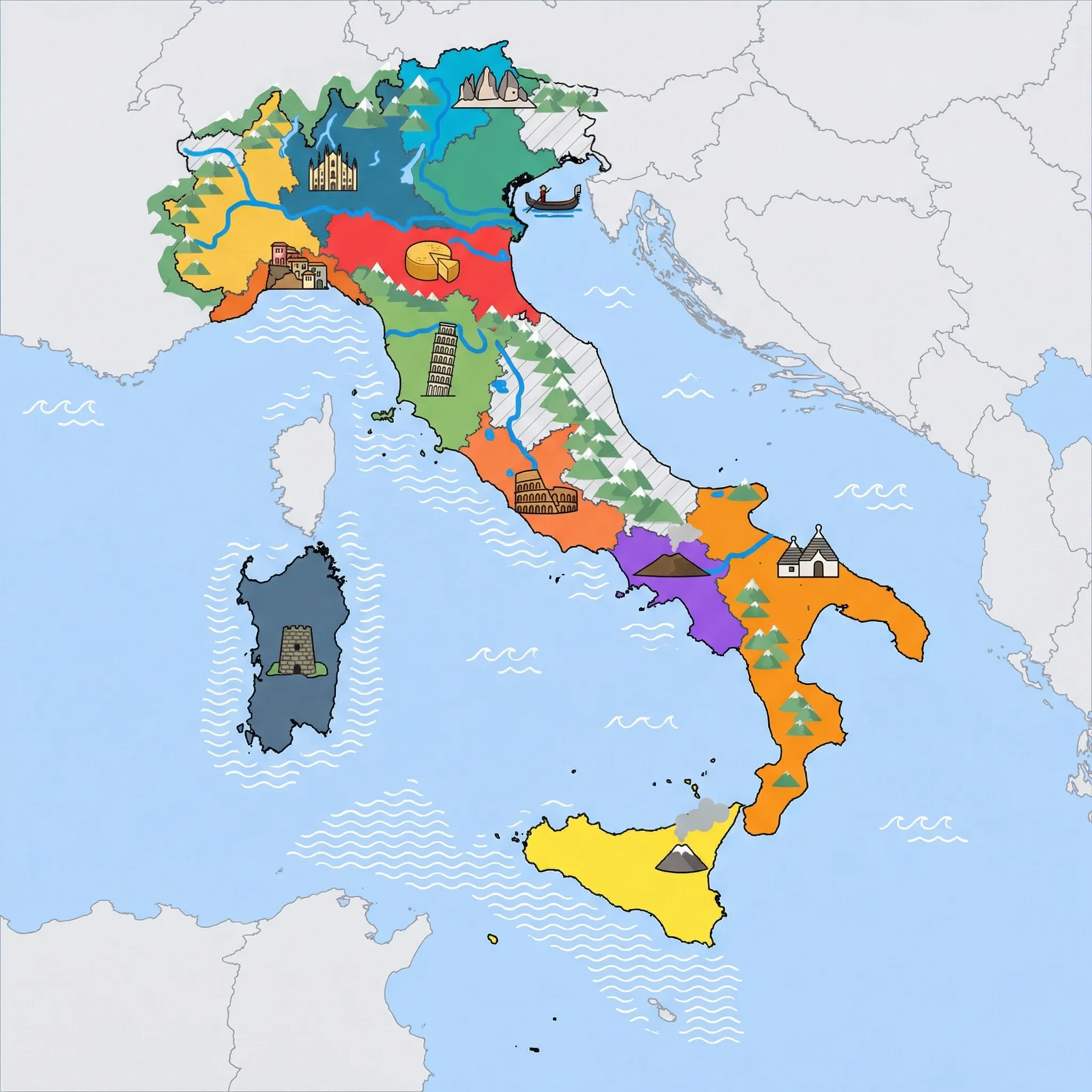
Click a region to explore
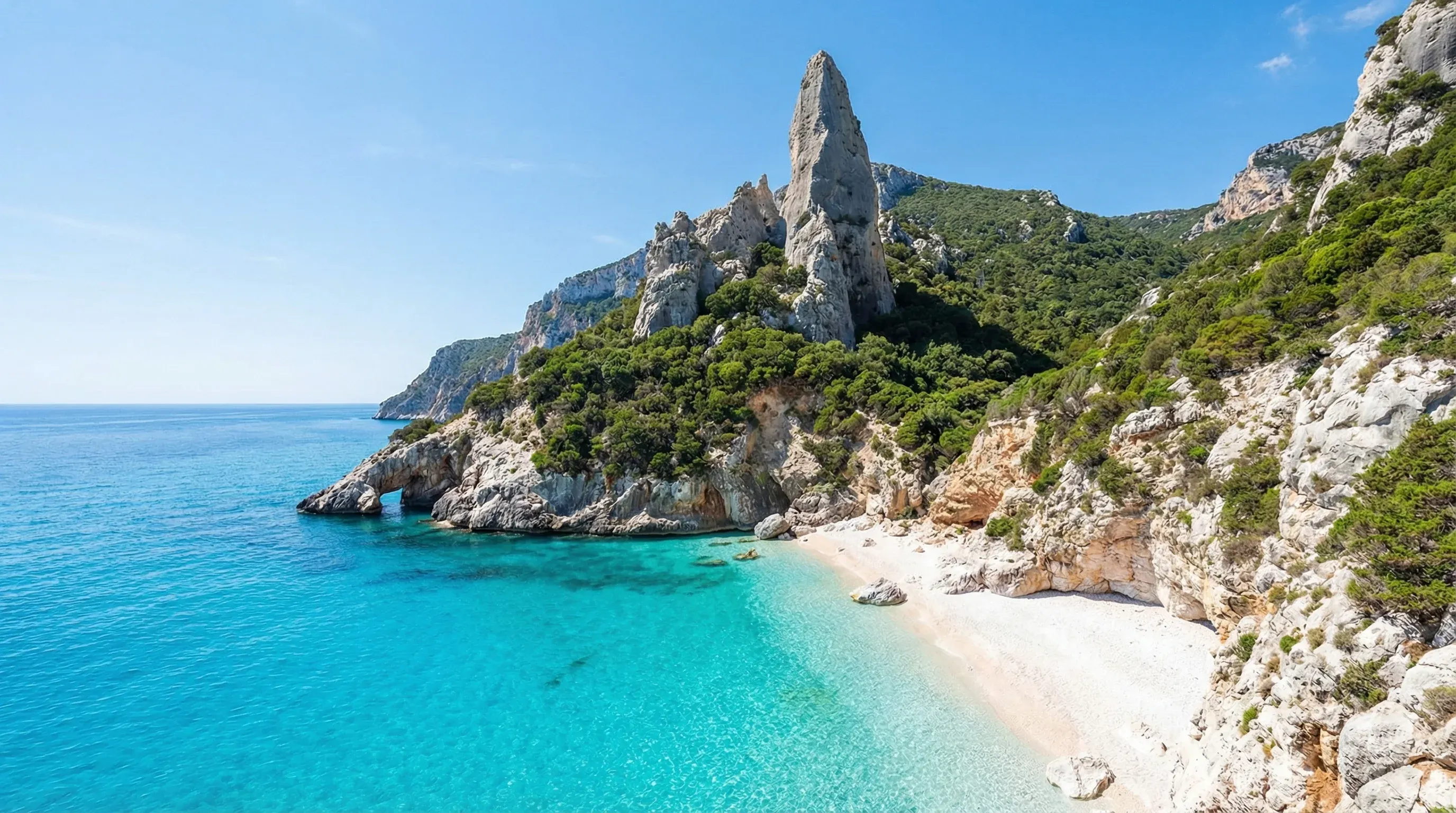
Sardinia is distinct from mainland Italy; it feels wilder, older, and more mysterious. For beach-loving families, it is arguably the best destination in Europe. The water clarity is unmatched, often shimmering in shades of electric blue and emerald green. But Sardinia isn't just about lying on the sand. The interior is a rugged landscape of mountains and sheep farms, dotted with thousands of ancient stone towers called "Nuraghe," which serve as perfect castles for kids' imaginations.
The island is large, so it's best to pick one area (North or South) rather than trying to see it all. The North (Olbia, Alghero) is more developed with famous resorts, while the South (Cagliari, Villasimius) is slightly more laid-back. The food is unique—less pasta, more roasted meats and cheeses—and the hospitality is fierce. It is a very safe destination with a slow, island pace that forces you to relax.
Key Attractions
The beaches are the main draw: La Pelosa Beach is famous for its shallow, transparent water, though it requires booking in advance to control crowds. For adventure, taking a boat or walking the 600 steps down to Neptune's Grotto near Alghero is a highlight; the stalactites are massive and magical. History comes alive at Su Nuraxi di Barumini, a UNESCO site where families can explore a complex megalithic fortress from 1500 BC. Kids interested in marine life will enjoy the Acquario di Cala Gonone, which focuses on Mediterranean species.
Practical Advice
A car is non-negotiable; public transport is limited to main towns. July and August are expensive and crowded. June and September offer perfect weather and lower prices. Wind is a constant factor (Mistral), so check weather apps to choose the sheltered side of the island for beach days.
Food & Drink
Typical meal times: Standard Italian. Lunch 1:00 pm to 2:30 pm. Dinner 8:00 pm to 10:00 pm.
Typical meal costs: Variable. Inland "Agriturismos" offer huge set menus for €30–40. Coastal resorts are pricey. Family meal: €80–140 (approx. $85–150 USD / £70–120 GBP).
Dietary requirements: Pecorino cheese is in everything. Gluten-free is well understood. The "Porceddu" (roast pig) is the signature meat dish.
Signature dishes:
- Culurgiones – Pasta pockets filled with potato, pecorino cheese, and mint, sealed with a distinctive wheat-spike pattern.
- Malloreddus – Small, grooved gnocchi made of semolina, usually served with sausage sauce (Sardinian gnocchi).
- Pane Carasau – Paper-thin, crispy flatbread (music paper bread) served with every meal.
Why this score?
The island's interior is wild and mountainous, featuring deep canyons like Gola Su Gorropu and the rugged Gennargentu range. Its coastline also offers world-class sailing, diving, and rock climbing, providing a more authentic wilderness feel than most of the mainland.
Why this score?
Quality medical care is available in Cagliari, Sassari, and Olbia, which are well-equipped to handle the summer tourist influx. However, the island's sparsely populated interior has very limited facilities, requiring air transport for serious emergencies in remote areas.
Why this score?
Sardinia is a major summer destination for Europeans, known for the ultra-exclusive Costa Smeralda. However, its island status and seasonal nature keep it from reaching the year-round international volume of mainland Italian hubs.

Sardinia can be expensive, especially the Costa Smeralda which is luxury pricing. Car rental prices skyrocket in summer. However, agriturismos (farm stays) provide excellent value and food. Expect to pay €150–250 (approx. $160–270 USD / £130–215 GBP) per night in August.

Getting Here & Around
Getting Here
- Ferry – Overnight ferries run from Genoa, Livorno, and Civitavecchia to Olbia and Cagliari. A great adventure for kids.
- Airports – Olbia (OLB) serves the north/Costa Smeralda. Cagliari (CAG) serves the south. Alghero (AHO) serves the west.
Getting Around
- Car – Essential. The island is bigger than it looks and roads can be winding in the interior.
- Train – The "Trenino Verde" (Little Green Train) is a tourist line running through wild landscapes, great for a scenic day trip.
Nearby Airports (3 airports)
Alghero
AHOAlghero
Cagliari Elmas Airport
CAGCagliari
Olbia Costa Smeralda Airport
OLBOlbia
View full flight map for Italy →
Official Links

Packing List
The water clarity is world-class; renting gear daily adds up quickly
Renting sunbeds is very expensive (€30-50/day); many beaches have free areas
Many wild beaches have no facilities; you must bring your own water/snacks
Strict dress codes in churches (St. Peter's, St. Mark's) require covered shoulders and knees even in summer heat.
Tiger mosquitoes (zanzare) are aggressive and common in summer, especially in the Po Valley, Venice, and lake areas.
Older Italian sockets use a unique vertical 3-pin row that standard 2-pin European plugs often don't fit.
Rome and other cities have 'nasoni' (public fountains) dispensing fresh, cold, free drinking water throughout the streets.
Small-wheeled umbrella strollers often break on cobblestones (sanpietrini); a carrier is better for Venice's many bridges.

Activities & Best Times

Hiking, wildlife, outdoor exploration, ecotourism
Features diverse wilderness areas from Asinara National Park to the Gennargentu mountains, offering unique wildlife like wild horses and rare mouflon. Spring and autumn provide ideal temperatures for hiking and exploration, whereas mid-summer can be excessively hot for active trekking.

Urban tourism, museums, historical sites, architecture
Boasts significant heritage sites including the UNESCO-listed Su Nuraxi Nuraghe and the ancient ruins of Nora, alongside vibrant urban culture in Cagliari and Alghero. The shoulder seasons avoid both the summer heat and winter closures, providing the most authentic atmosphere for exploring historic quarters.

Beach resorts, marine activities: diving, snorkelling, kite surfing, wind surfing, sailing
Home to iconic turquoise waters and white sand beaches like La Pelosa and Cala Mariolu, offering a quintessential Mediterranean coastal experience. Peak summer provides optimal swimming and sailing conditions, while the off-season is too cold for marine activities.

Sport tourism, fitness activities, active recreation
The classification notes that 'several outdoor adventure and zip-line parks provide structured experiences,' which matches the definition of 'good' (offers the activity with solid infrastructure). 'Marginal' suggests suboptimal conditions, which is inconsistent with the evidence.
Amusement parks, family entertainment venues
Offers several high-quality water parks and themed attractions like Sardegna in Miniatura that cater well to families. Most facilities are seasonal water-based venues that peak during the summer holidays and close entirely during the cooler autumn and winter months.

Learning experiences, scientific sites, historical education
Educational opportunities are centered around Mediterranean marine life at aquariums in Alghero and Cala Gonone. These facilities are primarily geared toward the summer tourist season, with more limited access and reduced local activity during the winter.

Attractions (22 total)



Public Holidays & Calendar Next 12 months
Public holidays, festivals, cultural celebrations, and seasonal natural phenomena coming up in Sardinia over the next 12 months.
Loading holidays and events...

Travel Advisory
The international community is divided on Italy's risk profile. While half of the major agencies maintain a baseline safety rating, several key partners have elevated their warnings to L1 due to an increased threat of terrorism and security complexities surrounding the 2026 Winter Olympics. Visitors should exercise higher vigilance than usual.
Safety Topics
Agency Summaries
Heightened caution is advised due to the risk of terrorism. Extremist groups continue to plan attacks against public spaces, transit hubs, and tourist locations. Travelers should also be aware of new domestic laws affecting international surrogacy arrangements.
Travellers should remain highly vigilant in Italy due to a persistent threat of terrorism. Heightened security and potential for civil unrest are expected in Northern Italy during the 2026 Winter Olympics. Petty crime remains a significant concern in all major tourist hubs.
Standard safety awareness is recommended. Be particularly careful with personal belongings in tourist areas and on trains to avoid theft. Extra crowds and security will be present in Milan and Verona for the 2026 Winter Paralympics.
Take typical safety measures while traveling. Monitor local news for strike information and maintain awareness of your surroundings in urban centers to prevent petty theft.
There are elevated security concerns in Italy compared to New Zealand, primarily due to the threat of terrorism and the potential for civil unrest. Travelers should stay informed via local media and maintain high vigilance in public areas.
Most visits to Italy are safe, though travelers should watch for pickpockets in crowded cities and on public transport. Be prepared for increased security and travel disruptions during major sporting events in early 2026. A general threat of terrorism exists.
Information is provided for general guidance only and does not constitute travel, safety, medical, or legal advice. Conditions may change. Users are responsible for independently verifying information before travel.