
Sicily
Street food, Greek temples, and fire-breathing mountains 🌋🏛️🍊
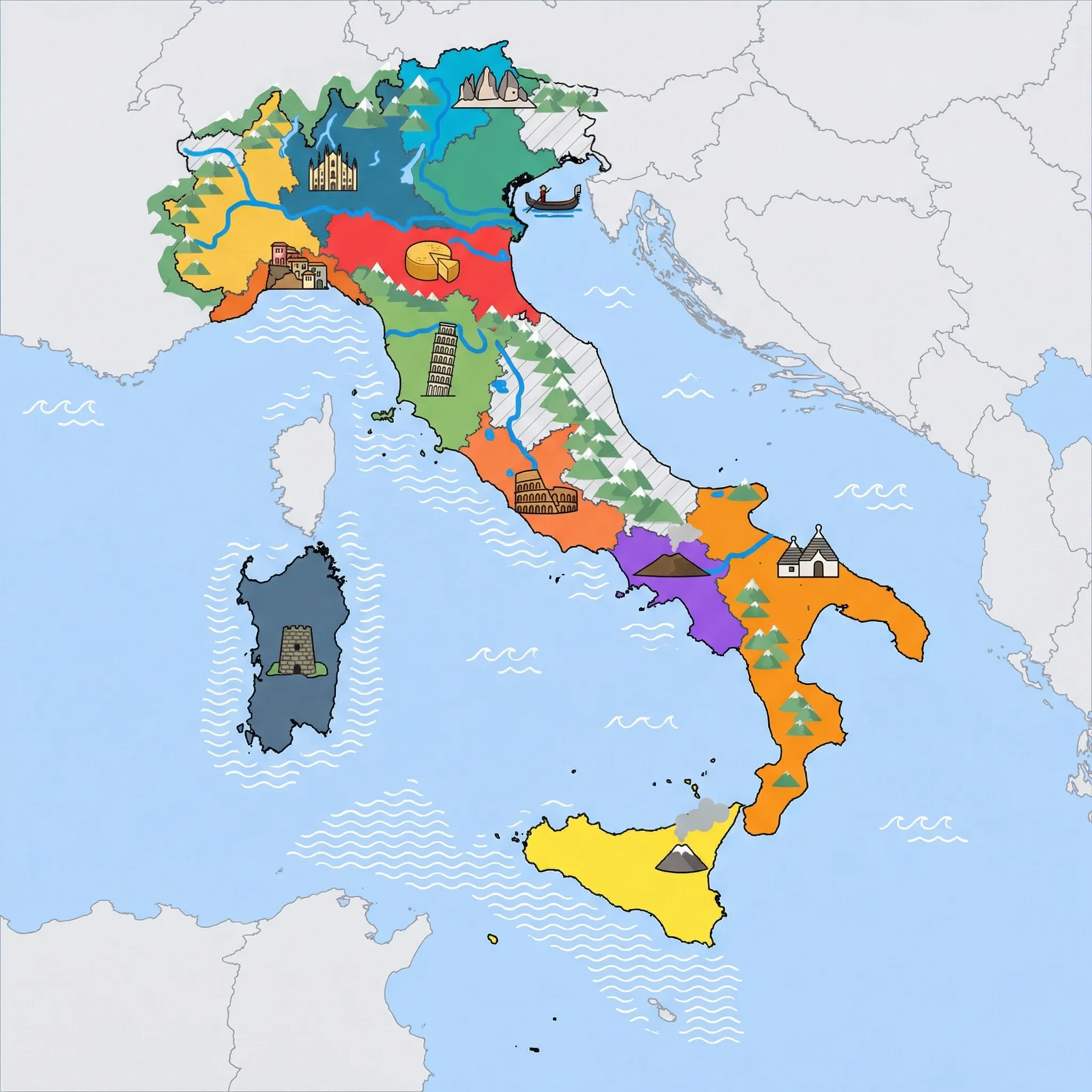
Click a region to explore
Travel Advisory: Sicily is safe, but driving can be chaotic and aggressive. Be vigilant with personal belongings in crowded markets in Palermo and Catania.
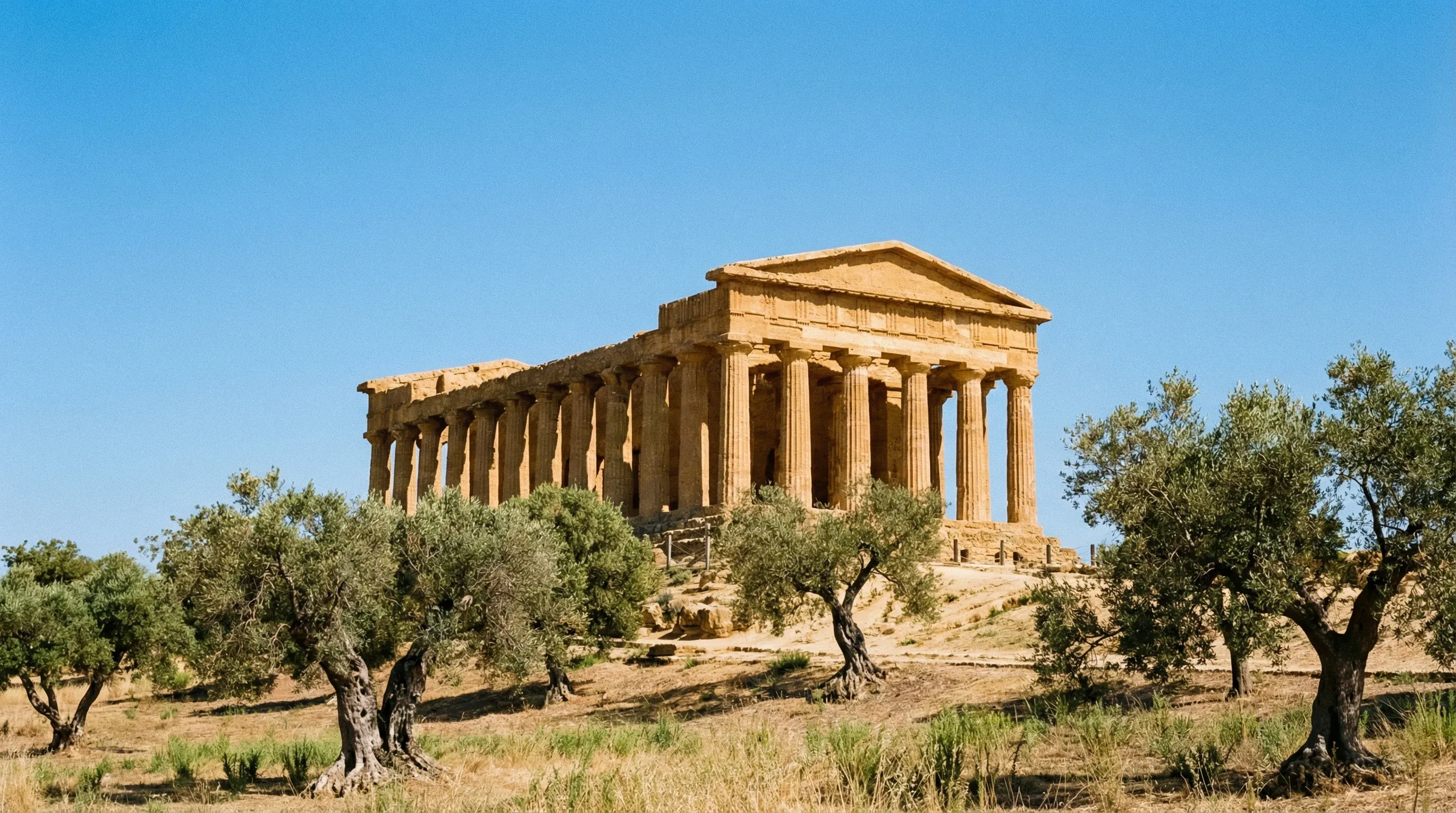
Sicily is not just an island; it is a continent in miniature. It has been ruled by Greeks, Romans, Arabs, Normans, and Spanish, leaving a rich layer cake of history that is fascinating for kids. You can see Byzantine mosaics in the morning and Greek temples at sunset. The landscape is dominated by Mount Etna, a smoking giant that captivates children's imagination. The island is vibrant, noisy, and incredibly welcoming to children, who are treated like royalty by locals.
For families, the East Coast (Catania, Taormina, Syracuse) is often easier to navigate and more tourist-friendly. The food is a major highlight—this is the home of gelato (or at least granita) and cannoli. Be prepared for the heat in summer; sightseeing in July can be grueling. The "siesta" is strictly observed, with many shops closing from 1:30 pm to 4:30 pm.
Key Attractions
The headline act is Mount Etna; you can take a cable car and then a 4x4 bus to near the summit craters—an unforgettable geography lesson. For thrills, Etnaland near Catania is a massive theme park and water park combo that rivals any in Europe. History comes alive in Ortigia Island (Syracuse), a labyrinth of traffic-free streets perfect for wandering, and the Ancient Theatre of Taormina, which offers views of the volcano. The Alcantara River Park offers a chance to wade through freezing cold river gorges formed by ancient lava flows—refreshing on a hot day.
Practical Advice
Rent a car, but get full insurance. Public transport is slow. May and October are the best months. In summer, stick to the coast or high altitudes. Tap water is generally safe but often tastes bad; locals drink bottled water.
Food & Drink
Typical meal times: Very late. Lunch 1:30 pm to 3:00 pm. Dinner often starts at 9:00 pm. Restaurants may be empty at 8:00 pm.
Typical meal costs: Generally cheaper than the mainland. Street food is a bargain. Family meal: €60–100 (approx. $65–110 USD / £50–85 GBP).
Dietary requirements: Sicily is famous for vegetables (eggplant/aubergine is king). Chickpea fritters (panelle) are a great vegan snack. Nut allergies (pistachio/almond) require caution as they are used in many sweets and pesto.
Signature dishes:
- Arancini – Fried rice balls filled with ragu, mozzarella, and peas (or butter and ham). The ultimate portable lunch.
- Cannoli – Fried pastry tubes filled with sweet sheep's ricotta and chocolate chips or candied fruit.
- Granita with Brioche – A semi-frozen dessert (lemon, almond, coffee) eaten with a sweet bun, often for breakfast.
Why this score?
The presence of Mount Etna, one of the world's most active volcanoes, offers a unique and rugged adventure experience. Exploring the Aeolian Islands and the hilly interior provides a level of off-the-beaten-path discovery that is harder to find in Northern Italy.
Why this score?
Palermo and Catania have large, competent hospitals with specialized units. While the quality of care is generally high in the cities, rural and island areas have more basic services, and the administrative efficiency can be lower than in the northern regions.
Why this score?
Sicily is a major international draw due to its unique blend of Greek temples, Baroque cities, and the active Mount Etna. It attracts millions of visitors annually and is a staple for Mediterranean cruises and cultural tours.

Sicily offers excellent value. Accommodation and dining are significantly cheaper than in Tuscany or the Lakes. A high-end family meal can often be found for under €80 ($85 USD). Entry fees to archaeological sites are reasonable.

Getting Here & Around
Getting Here
- Airports – Catania (CTA) is best for Etna and the east. Palermo (PMO) serves the west. Trapani (TPS) is a hub for budget flights.
- Ferry – Ferries cross from Villa San Giovanni (Calabria) to Messina every 20 minutes. Overnight ferries run from Naples and Genoa to Palermo.
Getting Around
- Car – Essential for freedom. Roads range from excellent highways to potholed country lanes.
- Train – Useful along the coast (Messina-Catania-Syracuse) but slow in the interior.
- Bus – Intercity buses (like SAIS or Etna Trasporti) are often faster and more reliable than trains.
Nearby Airports (5 airports)
Comiso Airport
CIYComiso
Catania Fontanarossa Airport
CTACatania
Falcone Borsellino Airport
PMOPalermo
Pantelleria
PNLPantelleria
Trapani Birgi
TPSTrapani
View full flight map for Italy →
Official Links

Packing List
Sicilian food is rich, fried, and heavy; tummies might need help adjusting
Car hire is essential and agencies are strict on paperwork
Many beaches (like Taormina) are rocky/pebbly
Strict dress codes in churches (St. Peter's, St. Mark's) require covered shoulders and knees even in summer heat.
Tiger mosquitoes (zanzare) are aggressive and common in summer, especially in the Po Valley, Venice, and lake areas.
Older Italian sockets use a unique vertical 3-pin row that standard 2-pin European plugs often don't fit.
Rome and other cities have 'nasoni' (public fountains) dispensing fresh, cold, free drinking water throughout the streets.
Small-wheeled umbrella strollers often break on cobblestones (sanpietrini); a carrier is better for Venice's many bridges.

Activities & Best Times

Urban tourism, museums, historical sites, architecture
A world-class destination for history and heritage, featuring UNESCO sites like the Valley of the Temples and the Norman architecture of Palermo. Spring and autumn offer the best walking conditions; August is avoided due to extreme heat and many local closures.

Hiking, wildlife, outdoor exploration, ecotourism
Unique volcanic landscapes on Mount Etna and the rugged Madonie mountains provide exceptional trekking and rural exploration. Peak conditions occur in spring and autumn when temperatures are ideal for hiking, avoiding the intense heat of mid-summer.

Amusement parks, family entertainment venues
Etnaland is a major regional draw combining theme and water park elements that appeal to international families. Operations are strictly seasonal, peaking during the hot summer months when the aquatic facilities are most desirable.
Beach resorts, marine activities: diving, snorkelling, kite surfing, wind surfing, sailing
Features iconic coastal sites like San Vito Lo Capo and Isola Bella with crystal clear Mediterranean waters. Peak season aligns with high sea temperatures and established resort operations, while shoulder months offer quieter beaches but cooler water.

Sport tourism, fitness activities, active recreation
Specialized infrastructure including the Etna and Madonie adventure parks and the Sicilian Zipline provide high-quality active entertainment. Best visited during the dry, warmer months when all outdoor facilities and high-altitude activities are fully operational.

Attractions (31 total)



Public Holidays & Calendar Next 12 months
Public holidays, festivals, cultural celebrations, and seasonal natural phenomena coming up in Sicily over the next 12 months.
Loading holidays and events...

Travel Advisory
The international community is divided on Italy's risk profile. While half of the major agencies maintain a baseline safety rating, several key partners have elevated their warnings to L1 due to an increased threat of terrorism and security complexities surrounding the 2026 Winter Olympics. Visitors should exercise higher vigilance than usual.
Safety Topics
Agency Summaries
Heightened caution is advised due to the risk of terrorism. Extremist groups continue to plan attacks against public spaces, transit hubs, and tourist locations. Travelers should also be aware of new domestic laws affecting international surrogacy arrangements.
Travellers should remain highly vigilant in Italy due to a persistent threat of terrorism. Heightened security and potential for civil unrest are expected in Northern Italy during the 2026 Winter Olympics. Petty crime remains a significant concern in all major tourist hubs.
Standard safety awareness is recommended. Be particularly careful with personal belongings in tourist areas and on trains to avoid theft. Extra crowds and security will be present in Milan and Verona for the 2026 Winter Paralympics.
Take typical safety measures while traveling. Monitor local news for strike information and maintain awareness of your surroundings in urban centers to prevent petty theft.
There are elevated security concerns in Italy compared to New Zealand, primarily due to the threat of terrorism and the potential for civil unrest. Travelers should stay informed via local media and maintain high vigilance in public areas.
Most visits to Italy are safe, though travelers should watch for pickpockets in crowded cities and on public transport. Be prepared for increased security and travel disruptions during major sporting events in early 2026. A general threat of terrorism exists.
Information is provided for general guidance only and does not constitute travel, safety, medical, or legal advice. Conditions may change. Users are responsible for independently verifying information before travel.