
Kingston & Blue Mountains
From reggae rhythms to misty mountain peaks 🏔️🎶
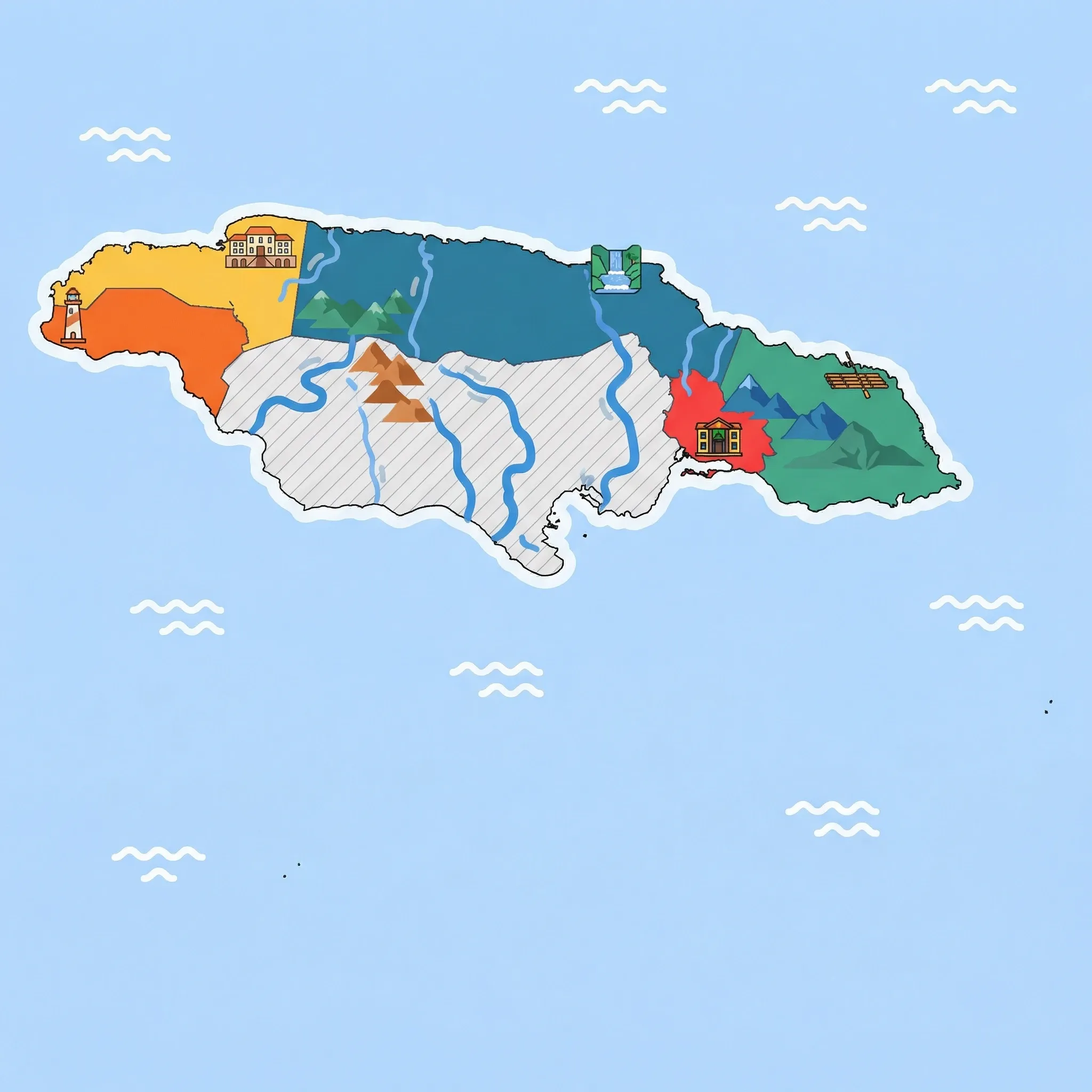
Click a region to explore
⚠️ SAFETY WARNING: Due to elevated rates of violent crime and gang activity in specific neighborhoods, government agencies including CA, USA, UK, AU, IE, and NZ advise travelers to exercise a high degree of caution or reconsider travel to Kingston. Security concerns are concentrated in downtown areas such as Trench Town and Tivoli Gardens, though Uptown and New Kingston are generally stable. Families are strongly urged to consult their own government's official travel advisory before considering a trip, as circumstances and risk assessments vary.
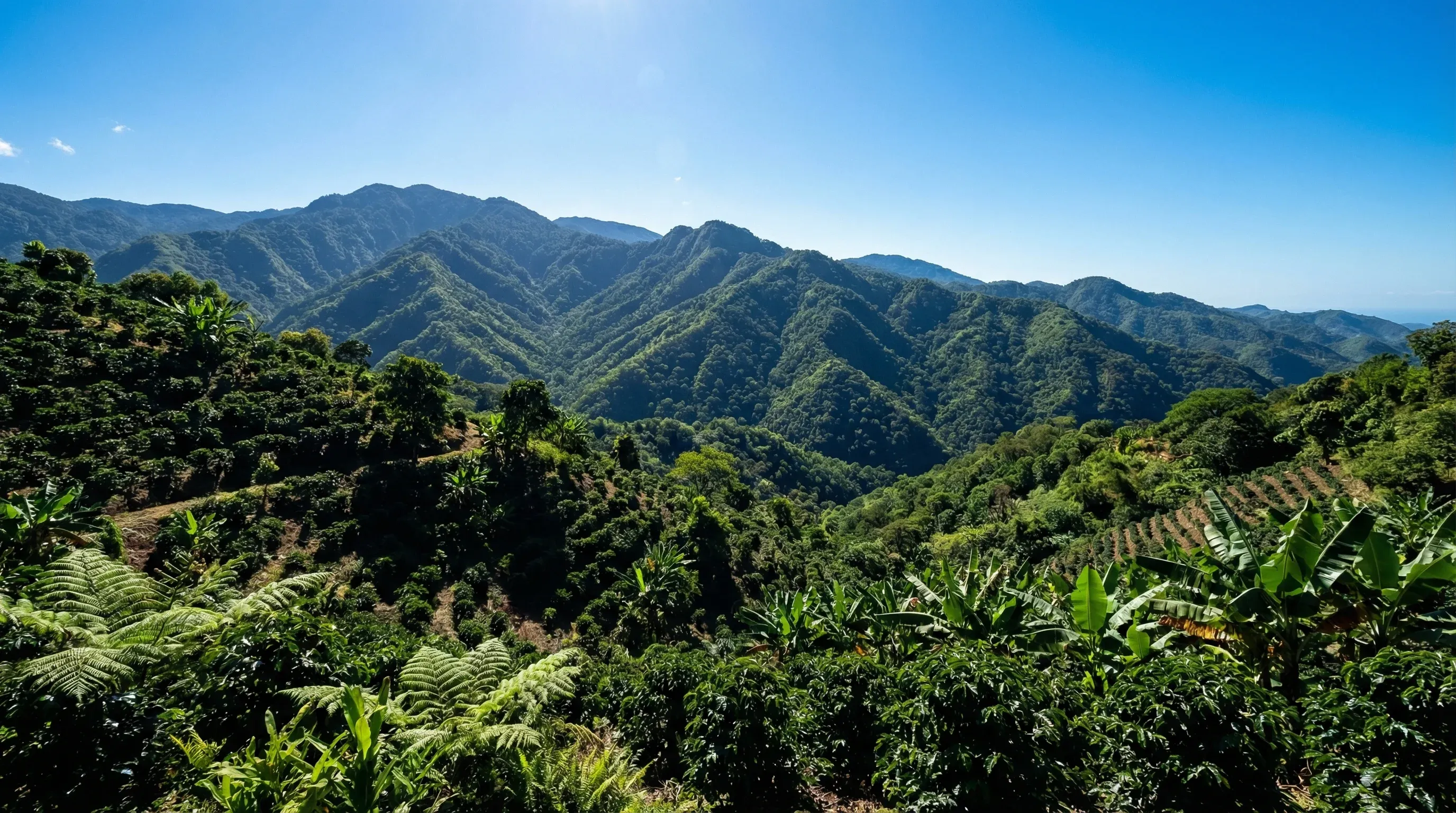
Kingston is the cultural soul of Jamaica, a bustling metropolis where the island's art, theater, and music scenes converge. While the city's energy can be intense, it offers families a profound educational experience that goes far beyond the typical beach vacation. The streets of Uptown Kingston are lined with galleries, historic homes, and botanical gardens that provide a safe and engaging environment for children to learn about Jamaican heritage. Just an hour's drive away, the landscape transforms dramatically into the cool, mist-shrouded Blue Mountains, a UNESCO World Heritage site that feels a world apart from the heat of the coast. Here, winding roads lead to small villages where life moves at a slower pace, and the air is scented with roasting coffee beans.
For active families, this region strikes a perfect balance between urban excitement and natural tranquility. You might spend the morning exploring a 17th-century fortress and the afternoon cooling off in a mountain waterfall. The Blue Mountains offer hiking trails suitable for older children, with opportunities to spot endemic bird species like the Jamaican Tody. Meanwhile, the city provides modern amenities, shopping, and a chance to interact with locals outside the resort bubble, offering a more authentic perspective on Jamaican life.
Key Attractions
The region's history comes alive at Historic Port Royal & Fort Charles, once known as the "wickedest city on earth." The tilted Giddy House, an artillery storehouse partially sunk by the 1907 earthquake, is a guaranteed hit with kids who love trying to stand upright inside it. Back in the city, the Bob Marley Museum is essential; the hour-long tour is engaging enough for school-aged children and provides context to the reggae music heard everywhere on the island. For a break from the urban environment, a trip to the Blue and John Crow Mountains National Park is revitalizing. Holywell Park, located within the mountains, offers picnic areas, easy nature walks, and breathtaking views of the city below—perfect for a family day out. Art-loving teenagers will appreciate the exhibitions at the National Gallery of Jamaica, which showcases the island's rich artistic evolution.
Practical Advice
The best time to visit is during the drier months from December to April, though the mountains stay cool and green year-round. If renting a car, be aware that mountain roads are narrow, winding, and often lack guardrails; hiring a local driver is often the safer, stress-free option for families. In Kingston, stick to New Kingston and Uptown areas for accommodation and dining, as these zones are safer and better serviced.
Food & Drink
Typical meal times: Lunch is typically served from 12:00 pm to 2:00 pm, while dinner is a later affair, usually between 7:00 pm and 9:00 pm.
Typical meal costs: A mid-range meal for a family of four will cost between JMD 6,000–10,000 (approx. $38–64 USD / €36–60 EUR). Street food is much cheaper, with snacks costing around JMD 300–800 (approx. $2–5 USD / €2–5 EUR).
Dietary requirements: Kingston has the most diverse food scene on the island. Vegetarian and vegan "Ital" food (Rastafarian cuisine) is widely available and delicious. Gluten-free options are found in Uptown restaurants but ask specifically in smaller cookshops.
Signature dishes:
- Curried Goat – Tender, slow-cooked goat meat in a rich, yellow curry sauce, typically served with white rice or rice and peas.
- Ackee and Saltfish – Jamaica's national dish; a savory sauté of the yellow ackee fruit and salted cod, often eaten for breakfast.
- Blue Mountain Coffee – World-famous, mild, and non-bitter coffee grown in the surrounding peaks (for the parents).
Why this score?
The Blue and John Crow Mountains provide genuine hiking, mountain biking, and coffee farm exploration in steep, misty terrain. While the city is urban, the proximity to the national park offers a more rugged experience than the typical Jamaican beach resort.
Why this score?
Kingston hosts the country's most advanced medical facilities, including the University Hospital of the West Indies. While the quality is high for the region, it still faces some infrastructure limitations compared to major global medical hubs.
Why this score?
As the island's capital and cultural center, Kingston draws significant international interest for the Bob Marley Museum and cultural heritage sites, but lacks the mass-market resort volume of the north coast. It primarily serves as a secondary destination for leisure travelers or a hub for business and music heritage tourism.

Kingston offers a range of options from business hotels to guesthouses. Accommodation is generally cheaper than the north coast resorts, with decent hotels costing JMD 23,000–38,000 (approx. $150–245 USD / €140–230 EUR) per night. Dining can be very affordable if you stick to local spots, where a hearty box lunch costs JMD 1,000–1,500 (approx. $6.50–10 USD / €6–9 EUR).

Getting Here & Around
Getting Here
- Airports – Norman Manley International Airport (KIN) is located on the Palisadoes peninsula, about 30 minutes from New Kingston. It is the primary gateway for this region.
- Driving – The North-South Highway connects Kingston to the north coast (Ocho Rios) in just over an hour. Driving from Montego Bay takes approximately 2.5 to 3 hours on the toll road.
- Bus – The Knutsford Express provides comfortable, reliable, and air-conditioned coach service connecting Kingston to Montego Bay, Ocho Rios, and Negril.
Getting Around
- Car – Useful for reaching the Blue and John Crow Mountains National Park, though the mountain roads are steep and winding. 4WD is recommended for deep mountain exploration.
- Taxi – In Kingston, use only registered taxis (Red Plates) or reputable ride-hailing apps like Uber (available in Kingston). Avoid hailing random cars on the street.
- Walking – Not recommended for getting around Kingston generally due to heat and safety, but pleasant in specific areas like Hope Gardens or Emancipation Park.
Nearby Airports (1 airport)
Norman Manley International Airport
KINKingston
View full flight map for Jamaica →
Official Links

Packing List
The Blue Mountains can be surprisingly cool (around 18°C/65°F), especially in the evenings.
Essential for children on the winding, hairpin roads up to the mountains.
Trails in the national park can be muddy and uneven; flip-flops are not suitable.
Mosquitoes can be prevalent in both the city gardens and rainforest areas.
Essential for climbing Dunn's River Falls and protecting feet on rocky seabeds.
Allows you to take photos while bamboo rafting or swimming without risking your device.
Sand flies (midges) on beaches can be persistent, especially at sunrise and sunset.
Keeps drinks cold in the tropical heat and reduces single-use plastic waste.
Rental gear can be scratched or ill-fitting for kids; bring your own for the best views.

Activities & Best Times

Hiking, wildlife, outdoor exploration, ecotourism
The Blue and John Crow Mountains provide exceptional hiking and endemic biodiversity, featuring UNESCO-recognized landscapes and world-class coffee estates. Peak months offer cooler temperatures and lower rainfall, while the autumn hurricane season brings high precipitation and trail hazards.

Urban tourism, museums, historical sites, architecture
As Jamaica's cultural capital, Kingston offers sophisticated heritage sites like Devon House and the historic ruins of Port Royal. The dry winter season is optimal for exploring urban museums and botanical gardens before the intense humidity and rain of late summer.

Scenic drives, countryside tours, route-based travel
The Blue Mountain Drive is a celebrated scenic route offering dramatic vistas and authentic coffee plantation stops. Travel is most reliable in winter; mountain roads can be prone to landslides or heavy fog during the peak rainy months of October and November.

Sport tourism, fitness activities, active recreation
Offers world-class hiking to Blue Mountain Peak and dedicated mountain biking routes that appeal to active families. Peak season aligns with the driest weather for trail safety, while autumn rain renders mountain routes muddy and difficult.

Beach resorts, marine activities: diving, snorkelling, kite surfing, wind surfing, sailing
Kingston's coastal areas like Hellshire offer authentic local seafood culture and swimming but lack the world-class resort infrastructure and water clarity of Jamaica's northern coast. Best visited in the drier winter months when sea conditions are calmest.

Learning experiences, scientific sites, historical education
The Natural History Museum of Jamaica offers significant insights into Caribbean ecology, though it remains a secondary draw compared to the city's broader culture. Visits are most rewarding during the dry season when combined with tours of the regional botanical gardens.

Events, celebrations, seasonal attractions
Home to internationally significant events like Bob Marley Week and Carnival in Jamaica, which attract a global audience. Outside of these peak event windows in February and April, the international festival calendar is relatively quiet.

Spa retreats, wellness centers, peaceful getaways
Bath Fountain provides an authentic, historic mineral spring experience, though the facilities are rustic by international luxury standards. The cooler winter months provide a more comfortable environment for thermal bathing experiences.

Amusement parks, family entertainment venues
Includes regional outdoor entertainment such as Rockfort Mineral Baths and Sun Coast Adventure Park, which provide unique local recreation but lack international scale. Best visited during drier holiday periods; peak rainy seasons can disrupt outdoor activities.

Attractions (14 total)



Public Holidays & Calendar Next 12 months
Public holidays, festivals, cultural celebrations, and seasonal natural phenomena coming up in Kingston & Blue Mountains over the next 12 months.
Loading holidays and events...

Travel Advisory
All major international agencies consistently recommend a high degree of caution for Jamaica. This classification is primarily driven by high levels of violent crime and the periodic implementation of security states of emergency in urban centers.
Safety Topics
Traveller Advice (3 groups)

Reports of sexual harassment and assault occur frequently, including at all-inclusive resorts. Vigilance is required when interacting with strangers, even in tourist-centric zones.

Certain same-sex acts are criminalized under local law, and social attitudes are often conservative. Travellers may face discrimination or hostility for public displays of affection.

Maintain a low profile, avoid carrying large sums of cash, and use hotel safes for valuables. Do not walk or drive in secluded areas at night and avoid resisting in the event of a robbery.
Agency Summaries
Travellers should be extremely vigilant due to frequent violent crimes like armed robbery and homicide. While tourist resorts are generally safer, security concerns persist island-wide, and gang-related activities are concentrated in specific urban neighborhoods.
Ireland advises its citizens to be highly cautious due to crime risks and current shortages of food and water in some areas. Health risks from mosquito-borne diseases like Oropouche and Dengue are also highlighted.
A high degree of caution is necessary because of the ongoing threat of violent crime. Infrastructure damage from Hurricane Melissa continues to cause disruptions to essential services and transportation in certain regions.
Recent improvements in safety have led to a reduced risk level, though crime and medical infrastructure remains a concern. Violent incidents occur across the island, including within some resorts, and emergency response times can be unreliable.
High homicide and crime rates are reported, particularly in inner-city areas. The government occasionally implements enhanced security measures, and the aftermath of recent hurricane activity still affects infrastructure in some western parishes.
There are significant security concerns, especially in Kingston and Montego Bay, due to violent crime. New Zealanders are urged to pay close attention to their personal safety and avoid public transportation.
Information is provided for general guidance only and does not constitute travel, safety, medical, or legal advice. Conditions may change. Users are responsible for independently verifying information before travel.