
Click a region to explore
Negril is widely regarded as the most relaxing destination in Jamaica, a place where high-rise buildings are banned (nothing can be taller than a palm tree) and life revolves entirely around the ocean. The geography is split into two distinct areas: the Seven Mile Beach and the West End Cliffs. For families with young children, the beach area is paradise—the water is exceptionally calm, warm, and shallow for a long distance out, making it one of the safest swimming spots on the island. The sand is powder-soft, perfect for building castles while parents relax under a sea grape tree.
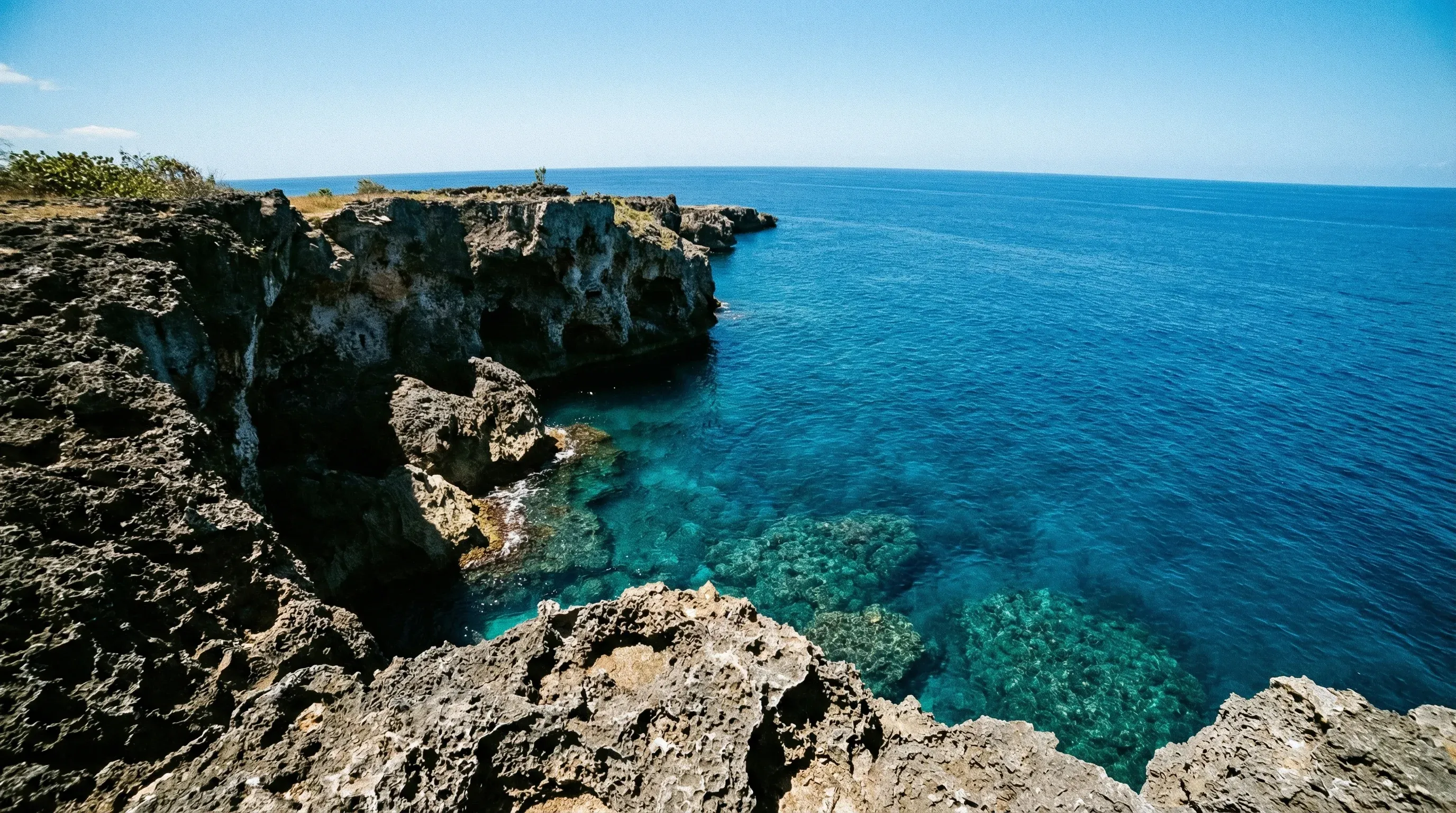
The West End offers a more dramatic landscape where limestone cliffs drop into deep blue water. This area is famous for its snorkeling coves and sunset views. Negril has a distinct bohemian spirit; it's less commercialized than Montego Bay and less frantic than Ocho Rios. You won't find massive cruise ships docking here, which preserves a slightly more intimate feel. However, families should be prepared for the "hustle" on the beach—vendors selling everything from hair braiding to wood carvings are frequent, though a polite "no thank you" is usually respected.
Key Attractions
While the beach itself is the main draw, the Negril Lighthouse at the westernmost tip of the island provides a dose of history and panoramic views. Built in 1894, it is solar-powered today, and on certain days, the keeper may allow families to climb the stairs for a stunning vista of the coastline. The cliffs nearby are home to Rick's Cafe (a famous spot, though very busy), where families can watch professional local divers leap from 80-foot platforms into the sea—a spectacle that fascinates children. Glass-bottom boat tours are also a staple here, allowing kids to see coral reefs and colorful fish without getting wet.
Practical Advice
Negril is about a 90-minute drive from Montego Bay airport. The transfer can be long for tired toddlers, so bring snacks. The West End cliffs are not suitable for unsupervised young children due to the drop-offs, but many hotels there have safety railings. The mosquitoes and sand fleas (no-see-ums) can be active at dusk, so bug protection is essential.
Food & Drink
Typical meal times: Breakfast is leisurely, often until 10:30 am. Lunch is 12:00 pm to 3:00 pm. Dinner is often timed around the sunset (5:30 pm to 7:00 pm).
Typical meal costs: Dining ranges from cheap roadside eats to upscale cliffside restaurants. A nice dinner costs JMD 3,500–6,000 (approx. $22–38 USD / €21–36 EUR). Beach vendors sell patties for around JMD 250 (approx. $1.60 USD / €1.50 EUR).
Dietary requirements: Negril has a strong connection to Italian culture and Rastafarian living, meaning excellent pasta and vegetarian (Ital) food are easy to find. Fresh fruit and smoothies are everywhere.
Signature dishes:
- Grilled Lobster – When in season (July to March), freshly caught spiny lobster grilled right on the beach is the ultimate Negril treat.
- Ital Stew – A coconut milk-based vegetable stew made without salt, popular in the local Rastafarian community.
- Bammy – A thick, flatbread made from cassava, often soaked in coconut milk and fried; a traditional accompaniment to fish.
Why this score?
While cliff jumping and diving at the West End offer some thrills, the region is mostly characterized by flat, sandy beaches and calm waters. Most activities are low-impact and designed for family-friendly recreation within a resort setting.
Why this score?
Negril has several private clinics and a local health center that handle common tourist ailments effectively. However, for serious trauma or specialized surgery, patients typically require a one-and-a-half-hour transfer to Montego Bay.
Why this score?
World-famous for Seven Mile Beach and the West End cliffs, Negril is a top-tier destination for international sun-seekers. It maintains a consistent flow of tourists from North America and Europe who occupy its diverse range of boutique hotels and large resorts.

Negril caters to a wide range of budgets. You can find small family-run cottages for JMD 15,000–23,000 (approx. $95–150 USD / €90–140 EUR) or luxury all-inclusives for five times that amount. Food costs can be kept low by eating patties and jerk chicken from stands, costing under JMD 1,000 (approx. $6.50 USD / €6 EUR) per person.

Getting Here & Around
Getting Here
- Airports – Most travelers fly into Sangster International Airport (MBJ) in Montego Bay and take a transfer to Negril. There is a small aerodrome in Negril (NEG) for domestic charter flights.
- Driving – The drive from Montego Bay takes about 1.5 hours along the coastal highway. The road is generally good but can be busy.
- Bus – The Knutsford Express offers a comfortable, scheduled service from Montego Bay Airport to Negril, dropping off at several points along the beach road.
Getting Around
- Walking – The Seven Mile Beach is walkable, and walking along the sand is the best way to choose a restaurant for lunch. However, distances can be deceptive in the heat.
- Taxi – Route taxis (cars with red plates) run up and down Norman Manley Boulevard constantly. They are a cheap way to hop between the beach and the cliffs.
- Cycling – Some hotels offer bicycles, and the flat beach road is relatively easy to cycle, though traffic moves fast.
No airports in this region. See the country flight map for nearby connections.
Official Links

Packing List
Sand fleas (no-see-ums) appear at sunset; locals swear by baby oil to stop them biting.
The water is so calm that you can drift for hours; buying one locally is often 3x the price.
The sun is deceptive with the cool breeze; sunburns happen quickly here.
Useful for keeping things dry on the beach or if taking a glass-bottom boat tour.
Essential for climbing Dunn's River Falls and protecting feet on rocky seabeds.
Allows you to take photos while bamboo rafting or swimming without risking your device.
Sand flies (midges) on beaches can be persistent, especially at sunrise and sunset.
Keeps drinks cold in the tropical heat and reduces single-use plastic waste.
Rental gear can be scratched or ill-fitting for kids; bring your own for the best views.

Activities & Best Times

Beach resorts, marine activities: diving, snorkelling, kite surfing, wind surfing, sailing
Seven Mile Beach is internationally iconic and consistently ranked among the Caribbean's best beaches. The combination of white sand, calm waters, and dramatic cliff coastline meets international standards for 'excellent' beach destinations, comparable to Turks & Caicos or the Maldives in its category.

Hiking, wildlife, outdoor exploration, ecotourism
Boasts a strong selection of adventure parks and unique ecosystems like the Dolphin Head Mountain and Royal Palm Reserve. The drier winter and spring months offer the most comfortable humidity and optimal trail conditions for family-friendly exploration.

Sport tourism, fitness activities, active recreation
Well-equipped with purpose-built facilities for off-road adventure, water sports, and internationally recognized running events. Optimal conditions for both land-based athletics and sea-based activities occur during the drier, cooler months from December through April.

Urban tourism, museums, historical sites, architecture
Offers a distinctive blend of historical landmarks like the Negril Lighthouse and a vibrant, laid-back local atmosphere. The cultural experience is best enjoyed during the winter months when outdoor markets and heritage sites are most active and accessible.

Scenic drives, countryside tours, route-based travel
The scenic Northern Coastal Highway and One Love Drive provide beautiful coastal routes with exceptional Caribbean vistas. These drives are safest and most visually spectacular during the dry season when visibility is highest and road conditions are most stable.

Events, celebrations, seasonal attractions
Host to internationally recognized events like Dream Weekend and the Reggae Marathon, drawing specialized global crowds. Visitation is driven primarily by these specific event calendars in early August and December.

Spa retreats, wellness centers, peaceful getaways
Known for unique mineral springs and the therapeutic, restorative atmosphere of the West End cliffs. Drier winter months provide the most comfortable climate for enjoying these outdoor-oriented natural baths and restorative environments.

Amusement parks, family entertainment venues
Features localized water parks and marine animal encounters that provide solid family entertainment but lack the scale of global theme park hubs. Peak periods coincide with major international winter breaks and the mid-summer holiday window.




Public Holidays & Calendar Next 12 months
Public holidays, festivals, cultural celebrations, and seasonal natural phenomena coming up in Negril & West over the next 12 months.
Loading holidays and events...

Travel Advisory
All major international agencies consistently recommend a high degree of caution for Jamaica. This classification is primarily driven by high levels of violent crime and the periodic implementation of security states of emergency in urban centers.
Safety Topics
Traveller Advice (3 groups)

Reports of sexual harassment and assault occur frequently, including at all-inclusive resorts. Vigilance is required when interacting with strangers, even in tourist-centric zones.

Certain same-sex acts are criminalized under local law, and social attitudes are often conservative. Travellers may face discrimination or hostility for public displays of affection.

Maintain a low profile, avoid carrying large sums of cash, and use hotel safes for valuables. Do not walk or drive in secluded areas at night and avoid resisting in the event of a robbery.
Agency Summaries
Travellers should be extremely vigilant due to frequent violent crimes like armed robbery and homicide. While tourist resorts are generally safer, security concerns persist island-wide, and gang-related activities are concentrated in specific urban neighborhoods.
Ireland advises its citizens to be highly cautious due to crime risks and current shortages of food and water in some areas. Health risks from mosquito-borne diseases like Oropouche and Dengue are also highlighted.
A high degree of caution is necessary because of the ongoing threat of violent crime. Infrastructure damage from Hurricane Melissa continues to cause disruptions to essential services and transportation in certain regions.
Recent improvements in safety have led to a reduced risk level, though crime and medical infrastructure remains a concern. Violent incidents occur across the island, including within some resorts, and emergency response times can be unreliable.
High homicide and crime rates are reported, particularly in inner-city areas. The government occasionally implements enhanced security measures, and the aftermath of recent hurricane activity still affects infrastructure in some western parishes.
There are significant security concerns, especially in Kingston and Montego Bay, due to violent crime. New Zealanders are urged to pay close attention to their personal safety and avoid public transportation.
Information is provided for general guidance only and does not constitute travel, safety, medical, or legal advice. Conditions may change. Users are responsible for independently verifying information before travel.