
Kantō & Tokyo Megalopolis
Neon lights, anime dreams, and ancient temples 🗼🍣
Click a region to explore
For most families, Kantō is the entry point to Japan, and it delivers an immediate sensory impact. At its core is the Tokyo megalopolis—an endless urban ocean that manages to be surprisingly safe, clean, and efficient. While the sheer scale can be overwhelming, the city is a collection of villages, each with a distinct character. You can geek out on anime in Akihabara, watch teenagers set fashion trends in Harajuku, and find quietude in the forest surrounding Meiji Shrine, all in one day. The convenience here is unmatched; trains run like clockwork, and convenience stores (konbini) offer high-quality food 24/7, a lifesaver for parents with jet-lagged children.
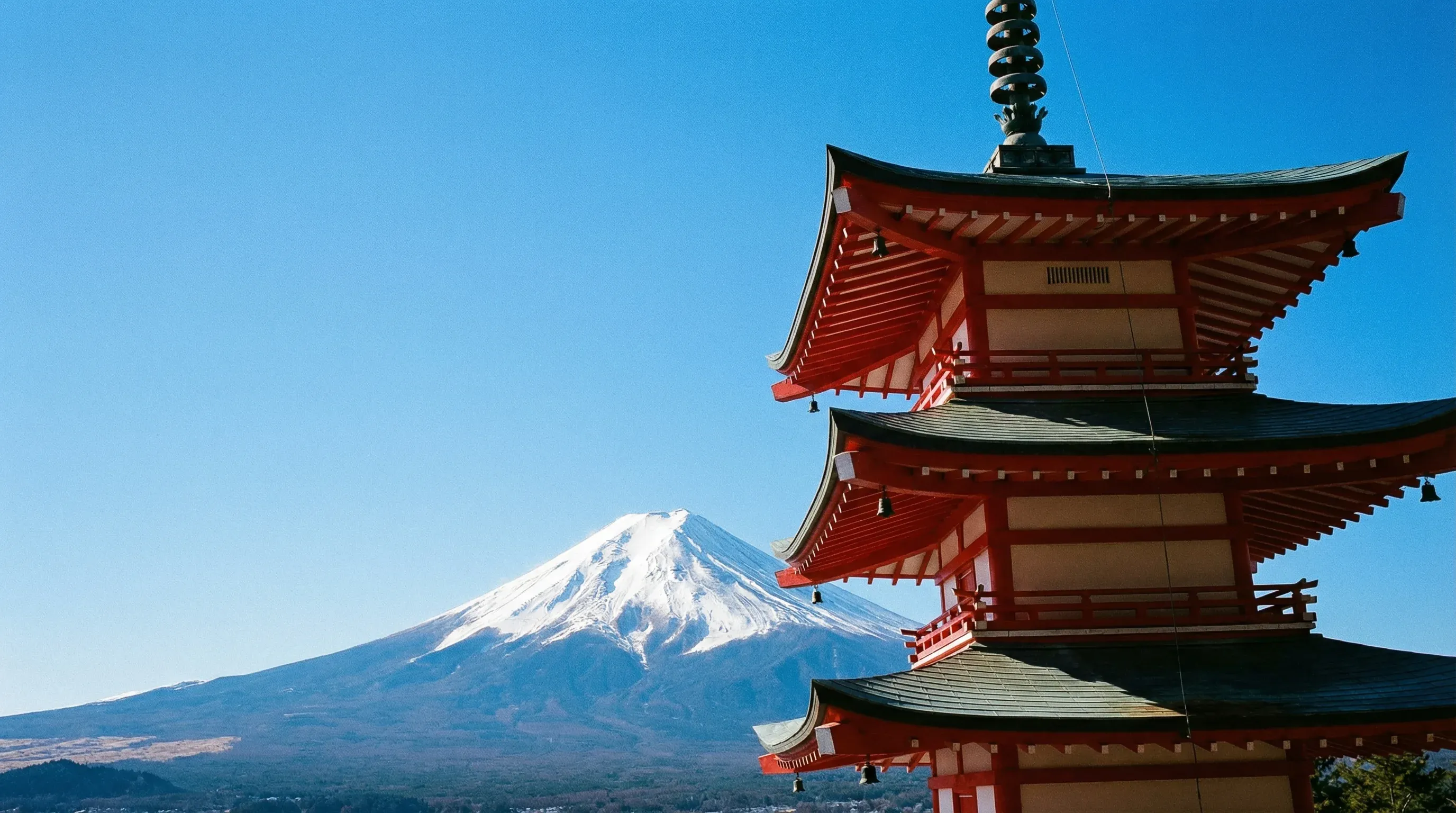
Beyond the concrete jungle, the region offers fantastic escapes within a 90-minute train ride. To the south lies the Izu Peninsula and Hakone, famous for hot springs and views of Mt. Fuji. To the north lies Nikko, home to lavish shrines and waterfalls. The contrast between the futuristic capital and these traditional retreats is what defines the Kantō experience. It is a region where you can ride a driverless monorail through skyscrapers in the morning and hike a cedar-lined mountain path in the afternoon. Summers are notoriously hot and humid, so plan indoor activities or coastal trips during July and August.
Key Attractions
The Ghibli Museum in Mitaka is a whimsical masterpiece dedicated to Studio Ghibli films. It requires tickets purchased months in advance, but it is magical for children, featuring a giant Catbus to play on and exclusive short films. For a different kind of fun, Hakone Kowakien Yunessun is a "hot spring theme park" where swimwear is required. Families can bathe in pools flavored with wine, coffee, and green tea—it’s silly, unique, and totally relaxed compared to strict traditional onsens.
History comes alive at the Great Buddha of Kamakura (Kotoku-in). This massive bronze statue sits in the open air, and for a small fee, you can actually go inside the hollow interior of the statue, which fascinates kids. Nearby, Enoshima Island offers tidal pools, caves, and the Enoshima Aquarium, making for a perfect coastal day trip from Tokyo.
For nature lovers, Hitachi Seaside Park in Ibaraki is famous for its blue nemophila flowers in spring and red kochia bushes in autumn. The park is vast, with rental bikes and a small amusement park, providing a great break from the city crush.
Practical Advice
Avoid rush hour trains (7:30 am–9:00 am and 5:00 pm–7:00 pm) with strollers and luggage; the crush is real. Purchase a "Welcome Suica" or "Pasmo Passport" IC card at the airport—these touch-and-go cards work on almost all trains, buses, and vending machines, making travel seamless.
Food & Drink
Typical meal times: 11:00 am to 2:00 pm for lunch. Dinner is flexible, with many places open late, though family restaurants peak around 7:00 pm.
Typical meal costs: Enormous variety. A quick noodle bowl is ¥600–1,000 (approx. $4–6.50 USD / €3.70–6.20 EUR). A nice family dinner is ¥3,000–6,000 (approx. $20–40 USD / €18–37 EUR) per person.
Dietary requirements: Tokyo is the easiest place in Japan for special diets. "HappyCow" app is useful for finding vegan spots. Gluten-free is still challenging due to soy sauce, but awareness is growing in foreigner-friendly districts like Roppongi and Shibuya.
Signature dishes:
- Edomae Sushi – The style of sushi famous worldwide (fresh fish on vinegared rice) originated here. You can find everything from conveyor belt places to high-end counters.
- Monjayaki – A Tokyo specialty similar to Okonomiyaki but with a much runnier batter. You cook it yourself on a hotplate and eat it with tiny spatulas—fun and messy for kids.
- Harajuku Crepes – Thin French-style crepes rolled into a cone and stuffed with fruit, custard, cheesecake, and ice cream. The ultimate walking street snack.
Why this score?
This is one of the most urbanized and technologically advanced regions on Earth, focusing on convenience and ease of movement. Even 'outdoor' trips to Mount Fuji or Hakone are supported by luxury trains, cable cars, and highly manicured tourist paths, offering very little ruggedness.
Why this score?
Tokyo is a global medical hub with numerous international hospitals, such as St. Luke's and the University of Tokyo Hospital, offering high levels of English support. Access to pharmacies, specialists, and emergency services is unrivaled, though the complexity of the system can sometimes be daunting for newcomers.
Why this score?
As the primary gateway to Japan, Greater Tokyo is a global mega-destination seeing tens of millions of international visitors annually. Iconic spots like Shibuya, Shinjuku, and nearby Hakone or Nikko are bucket-list items for travelers worldwide, supported by immense tourism infrastructure.

Accommodation in Tokyo is the most expensive in Japan. A small family room in a business hotel costs ¥20,000–40,000 (approx. $135–265 USD / €125–250 EUR). However, food can be incredibly cheap; you can get a high-quality lunch for ¥1,000 (approx. $6.70 USD / €6.20 EUR).

Getting Here & Around
Getting Here
- Airports – Narita (NRT) and Haneda (HND) are the two major international gateways. Haneda is much closer to downtown Tokyo.
- Train – Tokyo Station is the hub of the entire Shinkansen network, connecting to every region of Japan.
Getting Around
- Public Transport – The train and subway network is the world's most extensive and efficient. You do not need a car in Tokyo.
- Walking – Prepare to walk a lot. Distances within stations alone can be huge.
- Taxi – Clean and safe but expensive. Useful for short hops with luggage.
Nearby Airports (4 airports)
Hachijo Jima Airport
HACHachijo Jima
Haneda Airport
HNDTokyo
Ibaraki Airport
IBROmitami
Narita International Airport
NRTTokyo
View full flight map for Japan →
Official Links

Packing List
There are almost no public trash cans; you must carry your trash home.
You will use your phone constantly for maps and train schedules.
Public restrooms often lack paper towels or dryers.
Vending machines and small shops create lots of change.
Public bins are extremely rare; you are expected to carry your rubbish home or to your hotel.
Most public restrooms do not provide paper towels or hand dryers.
You will remove shoes frequently at temples, restaurants, and fitting rooms. Laces are a hassle.
Japanese brands are often weaker than Western ones; bring your preferred brand from home.

Activities & Best Times

Urban tourism, museums, historical sites, architecture
Tokyo is a global benchmark for urban culture, offering an unparalleled mix of hyper-modernity, world-class museums, and UNESCO heritage sites like Nikko. Spring and autumn provide ideal temperatures and iconic aesthetics, while the extreme humidity of July and August makes urban exploration uncomfortable.

Hiking, wildlife, outdoor exploration, ecotourism
The region features diverse natural landscapes from the volcanic beauty of Hakone to the highlands of Nasu and Nikko National Park. Peak seasons offer pleasant hiking conditions and stunning seasonal foliage, whereas summer humidity and winter mountain closures limit outdoor immersion for families.

Amusement parks, family entertainment venues
Boasts world-class entertainment hubs including Tokyo Disney Resort and Fuji-Q Highland, which are global leaders in themed experiences. Families should avoid the peak heat of summer when outdoor queuing becomes strenuous, favoring the milder shoulder or peak months for a better experience.

Learning experiences, scientific sites, historical education
Features internationally recognized facilities such as the Sumida and Sunshine Aquariums that offer high-level scientific engagement. While primarily indoor and accessible year-round, these sites are best visited outside of the crowded summer holiday peak to ensure an intimate learning environment.

Sport tourism, fitness activities, active recreation
Specialized infrastructure like the Mobility Resort Motegi and regional adventure parks provide quality facilities for active families. The temperate spring and autumn months are the most suitable for these physically demanding outdoor activities.

Beach resorts, marine activities: diving, snorkelling, kite surfing, wind surfing, sailing
KEEP - Appropriately rated. Enoshima and Yuigahama are accessible urban beaches but not destination-level.

Attractions (58 total)



Public Holidays & Calendar Next 12 months
Public holidays, festivals, cultural celebrations, and seasonal natural phenomena coming up in Kantō & Tokyo Megalopolis over the next 12 months.
Loading holidays and events...

Travel Advisory
All six major agencies agree that Japan is a safe destination where standard travel safety awareness is sufficient for visitors.
Safety Topics
Traveller Advice (3 groups)

Ensure you carry your original passport with you at all times as it is a legal requirement for foreign nationals in Japan.

While Japan is very safe, female travelers should remain vigilant in popular nightlife districts due to reported incidents of harassment or assault.

Japan is generally welcoming, but travelers should be aware that same-sex marriage and some related legal protections are not yet fully recognized by national law.
Agency Summaries
Travelers should follow standard safety protocols and stay informed of weather alerts and local guidance from Japanese authorities.
Japan is considered safe for New Zealanders, though awareness of seismic activity and petty crime in entertainment areas is advised.
The overall risk level is low, but travelers should be aware of regional risks such as earthquakes and potential crime in urban nightlife districts.
Japan offers a stable environment similar to Australia, with low crime rates but specific risks related to nightlife scams and natural disasters.
Standard safety measures are sufficient for travel to Japan. Visitors are encouraged to register for security updates and review local medical laws.
Japan is generally safe for travelers, though visitors should remain alert to natural hazards and stay informed via local media.
Information is provided for general guidance only and does not constitute travel, safety, medical, or legal advice. Conditions may change. Users are responsible for independently verifying information before travel.