
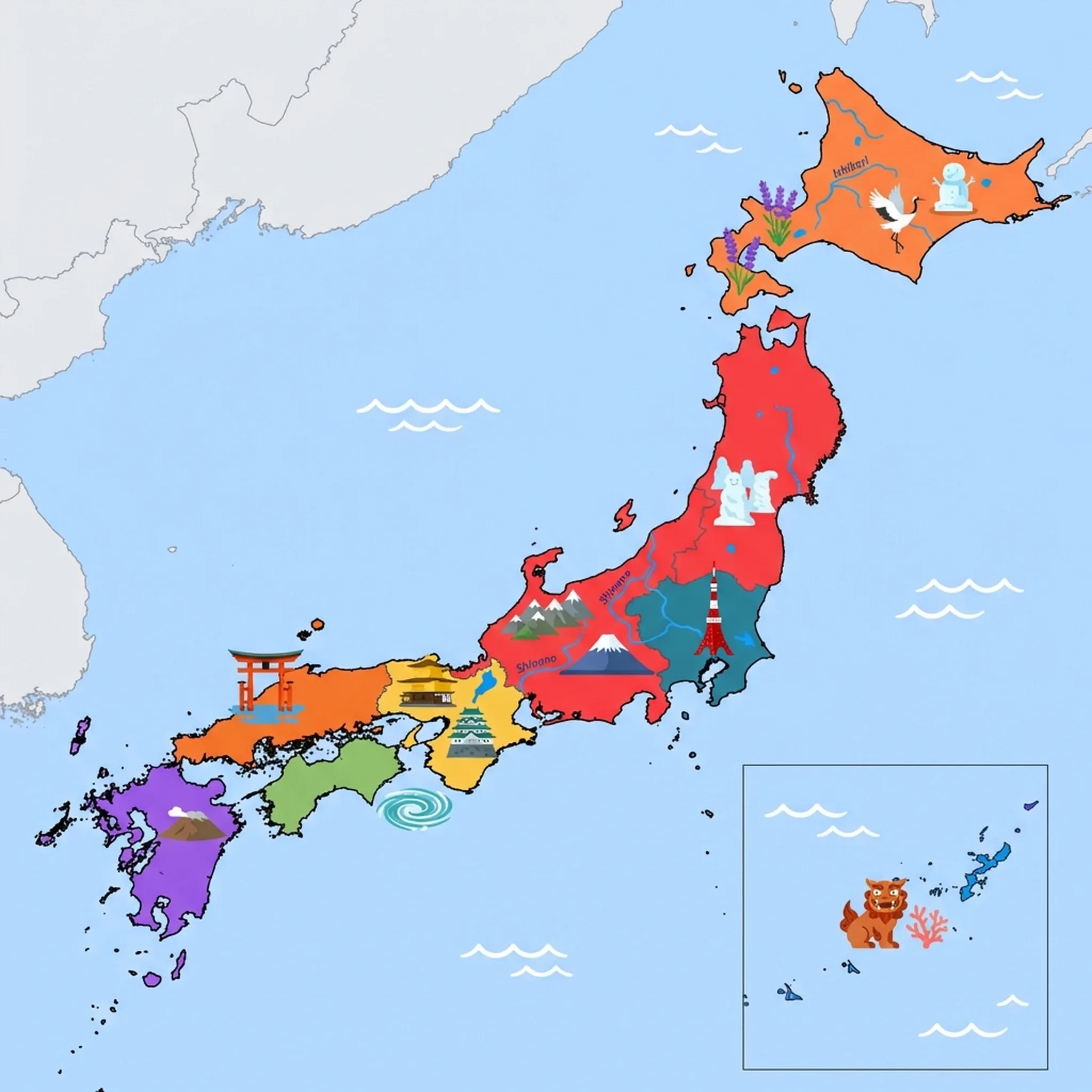
Click a region to explore
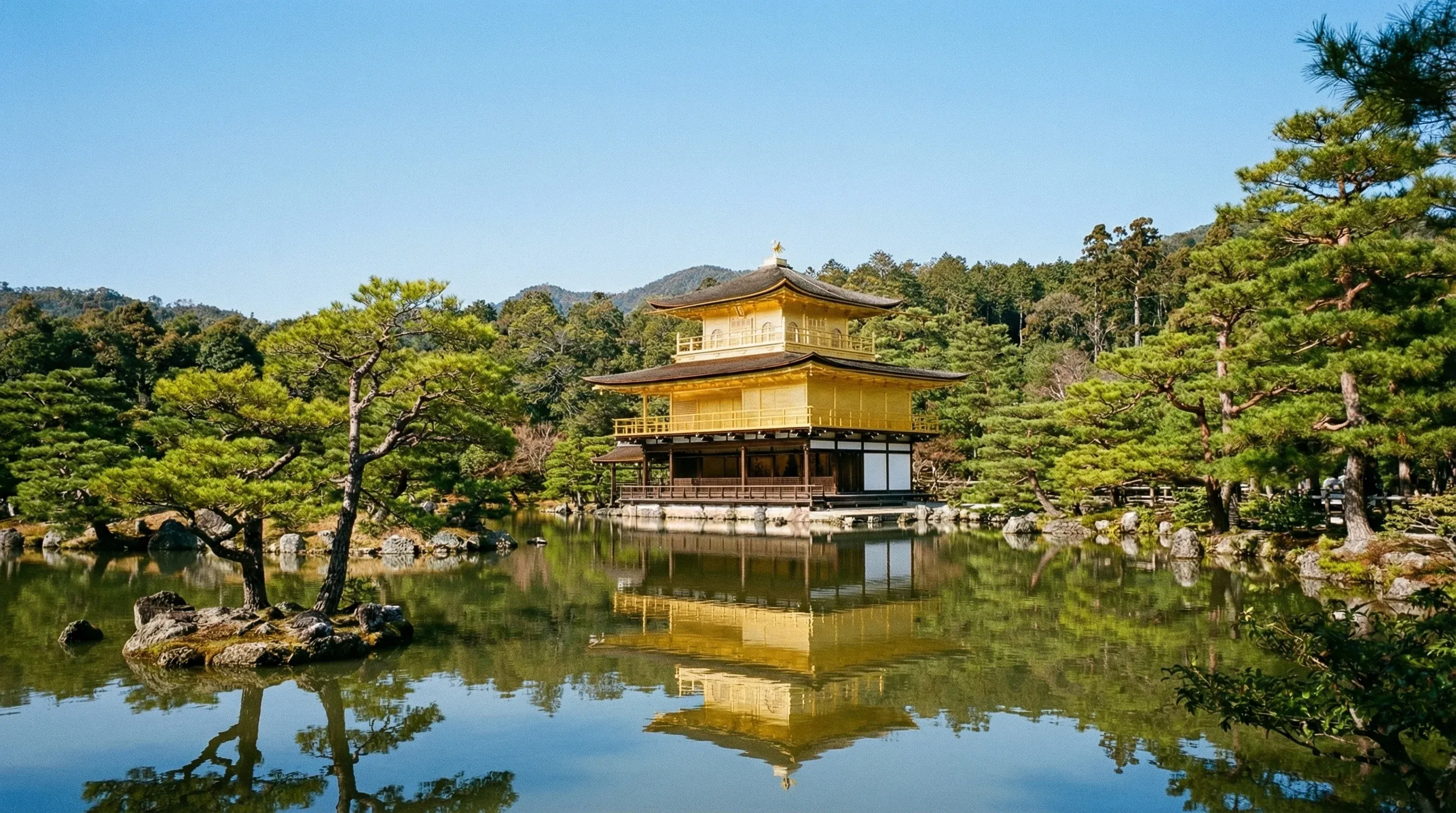
This region, commonly known as Kansai, is the counterweight to Tokyo. If Tokyo is the brain of Japan, Kansai is the heart and stomach. It includes Kyoto (the classic historical capital), Osaka (the boisterous merchant city), Nara (the ancient first capital), and Kobe (the cosmopolitan port). For families, this density of cities means you can base yourself in one location (usually Osaka or Kyoto) and take easy day trips to completely different worlds. Osaka is famous for its friendly, outgoing locals and incredible street food culture, making it a very relaxed place for families with noisy children.
Kyoto offers a quieter, more refined experience. While the famous temples can be crowded, the city's atmosphere of old Japan—wooden machiya houses, geisha scurrying to appointments, and zen gardens—is unparalleled. However, "temple fatigue" is real for kids. The key to this region is balance: spend the morning at a quiet shrine, and the afternoon eating giant cotton candy in the vibrant streets of Osaka or feeding deer in Nara Park. The region also extends to the Kii Peninsula, a spiritual heartland of deep forests, waterfalls, and the Kumano Kodo pilgrimage trails, offering a mystical nature escape for active families.
Key Attractions
The most iconic image of Kyoto is Fushimi Inari-taisha. The thousands of orange torii gates form a tunnel up the mountain. It's a hike, but you can turn back anytime, and kids love the adventure of the "endless" tunnel. Another favorite is the Arashiyama Bamboo Grove; walking through the towering stalks feels like entering a different world. Nearby, the Monkey Park Iwatayama allows you to feed wild monkeys, a sure hit with children.
In Osaka, while not a traditional "cultural" site, the food districts are attractions in themselves. But for animal encounters, head to the Wakayama prefecture to visit Adventure World. It is a theme park and zoo that has one of the most successful giant panda breeding programs outside China. In Himeji, Himeji Castle is the finest surviving castle in Japan. Its bright white exterior and labyrinthine defensive paths (designed to confuse attackers) make it fun to explore—it feels like a real fortress.
For a unique historical experience, the Gion District in Kyoto is the place to spot geiko and maiko (geisha). While you must be respectful and not chase them, seeing them in full regalia is a memorable cultural moment. In Kobe, the Kobe Nunobiki Herb Gardens is accessed by a scenic ropeway ride and offers lovely views and gardens, a nice break from the city bustle.
Practical Advice
Kyoto's bus system can be gridlocked with tourists; use trains/subways where possible or rent bicycles (Kyoto is flat and bike-friendly). Accommodation in Osaka is often cheaper and more spacious than in Kyoto, and the cities are only 30 minutes apart by train.
Food & Drink
Typical meal times: Lunch 11:30 am–2:00 pm. Dinner 6:00 pm–9:30 pm. Osaka has many 24-hour options.
Typical meal costs: Street food (Takoyaki) is cheap: ¥600–800 (approx. $4–5.30 USD / €3.70–5 EUR). Casual dining: ¥1,500–3,000 (approx. $10–20 USD / €9.30–18.50 EUR).
Dietary requirements: Kyoto is the capital of tofu and shojin ryori (Buddhist vegan cuisine), making it excellent for vegetarians. Osaka is heavier on flour, eggs, and dashi stock.
Signature dishes:
- Takoyaki – Ball-shaped snacks made of wheat batter and filled with minced octopus, ginger, and green onion. Watching the vendors flip them at lightning speed is mesmerizing.
- Okonomiyaki (Kansai style) – A savory pancake where all ingredients are mixed into the batter before grilling.
- Yudofu – Tofu simmered in hot water with kombu, a Kyoto specialty. It is delicate, healthy, and surprisingly tasty for kids who like mild flavors.
- Kushikatsu – Deep-fried skewers of meat and vegetables, famous in Osaka's Shinsekai district. Note: no double-dipping in the communal sauce!
Why this score?
The region is highly developed with some of the world's most efficient public transport, making travel effortless for families. While there are opportunities for light hiking in places like Mount Koya or the Arashiyama hills, the experience is predominantly urban and cultural rather than adventurous.
Why this score?
Osaka and Kyoto have exceptional healthcare facilities with a long history of serving international tourists and large expat populations. Multilingual support is common in major hospitals, and the density of pharmacies and clinics ensures immediate access to care in almost any situation.
Why this score?
Kyoto and Osaka form the heart of Japan's cultural tourism, attracting a massive volume of international visitors to their temples, food scenes, and theme parks like Universal Studios. Nara and Himeji add to the region's status as a world-class destination that is essential for most first-time visitors to the country.

Kyoto hotel prices surge during cherry blossom (April) and autumn foliage (November). Avoid these times for better rates. Osaka offers great value; business hotels can be found for ¥10,000–15,000 (approx. $67–100 USD / €62–93 EUR). Street food in Osaka allows you to eat well for under ¥1,000 (approx. $6.70 USD / €6.20 EUR).

Getting Here & Around
Getting Here
- Airports – Kansai International Airport (KIX) is the main international hub, sitting on an artificial island in Osaka Bay. Itami Airport (ITM) handles domestic flights.
- Train – The Tokaido Shinkansen connects Tokyo to Kyoto (2 hrs 15 mins) and Shin-Osaka (2 hrs 30 mins).
Getting Around
- Train – Excellent network (JR, Hankyu, Keihan lines) connecting Kyoto, Osaka, Nara, and Kobe. Cheap and frequent.
- Bus – The primary mode of transport within Kyoto city, but often crowded.
- Walking – The best way to see the Higashiyama district in Kyoto or Dotonbori in Osaka.
Nearby Airports (5 airports)
Osaka
ITMOsaka
Kansai International Airport
KIXOsaka
Shirahama Airport
SHMShirahama
Tajima Airport
TJHToyooka
Kobe
UKBKobe
View full flight map for Japan →
Official Links

Packing List
You will take shoes off at every temple and traditional restaurant in Kyoto.
Kyoto sits in a basin and gets incredibly hot and stifling in summer.
Standard for restrooms, but also for wiping sweat during humid temple hikes.
You will need coins for temple offerings and short bus fares.
Public bins are extremely rare; you are expected to carry your rubbish home or to your hotel.
Most public restrooms do not provide paper towels or hand dryers.
Japanese brands are often weaker than Western ones; bring your preferred brand from home.

Activities & Best Times

Hiking, wildlife, outdoor exploration, ecotourism
Features iconic sites like the Arashiyama Bamboo Grove and the spiritual Kumano Kodo pilgrimage trails, providing high-quality immersion in Japanese landscapes. Optimal conditions are found in the mild spring and autumn, as mountain paths can be slippery in winter and oppressively hot in mid-summer.

Urban tourism, museums, historical sites, architecture
As Japan's cultural heart, the region offers unparalleled access to UNESCO heritage sites, historic castles, and world-class culinary scenes. Peak visitation aligns with the iconic cherry blossoms and autumn foliage, while extreme summer humidity and winter cold are less ideal for extensive urban exploration.

Amusement parks, family entertainment venues
Home to Universal Studios Japan and the specialized Nijigen no Mori park, providing world-class entertainment for families. Peak periods coincide with school holiday festivities and temperate weather, though winter months are often too cold for comfortable outdoor park experiences.

Learning experiences, scientific sites, historical education
The Osaka Aquarium Kaiyukan and Toba Aquarium are destination-level facilities providing immersive marine education for families. These indoor attractions remain accessible year-round, making them excellent alternatives during the wetter or more extreme climate periods.

Sport tourism, fitness activities, active recreation
Purpose-built infrastructure like Biwako Valley and Rokkosan Athletic Park offers organized activities including zip-lining and specialized courses for active families. These facilities are best enjoyed during the temperate months to avoid seasonal weather extremes.

Beach resorts, marine activities: diving, snorkelling, kite surfing, wind surfing, sailing
Shirarahama and Amanohashidate are scenic but not internationally competitive beach destinations. Cold Sea of Japan waters and limited resort infrastructure.

Attractions (40 total)



Public Holidays & Calendar Next 12 months
Public holidays, festivals, cultural celebrations, and seasonal natural phenomena coming up in Kyoto & Classical Japan over the next 12 months.
Loading holidays and events...

Travel Advisory
All six major agencies agree that Japan is a safe destination where standard travel safety awareness is sufficient for visitors.
Safety Topics
Traveller Advice (3 groups)

Ensure you carry your original passport with you at all times as it is a legal requirement for foreign nationals in Japan.

While Japan is very safe, female travelers should remain vigilant in popular nightlife districts due to reported incidents of harassment or assault.

Japan is generally welcoming, but travelers should be aware that same-sex marriage and some related legal protections are not yet fully recognized by national law.
Agency Summaries
Travelers should follow standard safety protocols and stay informed of weather alerts and local guidance from Japanese authorities.
Japan is considered safe for New Zealanders, though awareness of seismic activity and petty crime in entertainment areas is advised.
The overall risk level is low, but travelers should be aware of regional risks such as earthquakes and potential crime in urban nightlife districts.
Japan offers a stable environment similar to Australia, with low crime rates but specific risks related to nightlife scams and natural disasters.
Standard safety measures are sufficient for travel to Japan. Visitors are encouraged to register for security updates and review local medical laws.
Japan is generally safe for travelers, though visitors should remain alert to natural hazards and stay informed via local media.
Information is provided for general guidance only and does not constitute travel, safety, medical, or legal advice. Conditions may change. Users are responsible for independently verifying information before travel.