
Amboseli & Tsavo (southern parks)
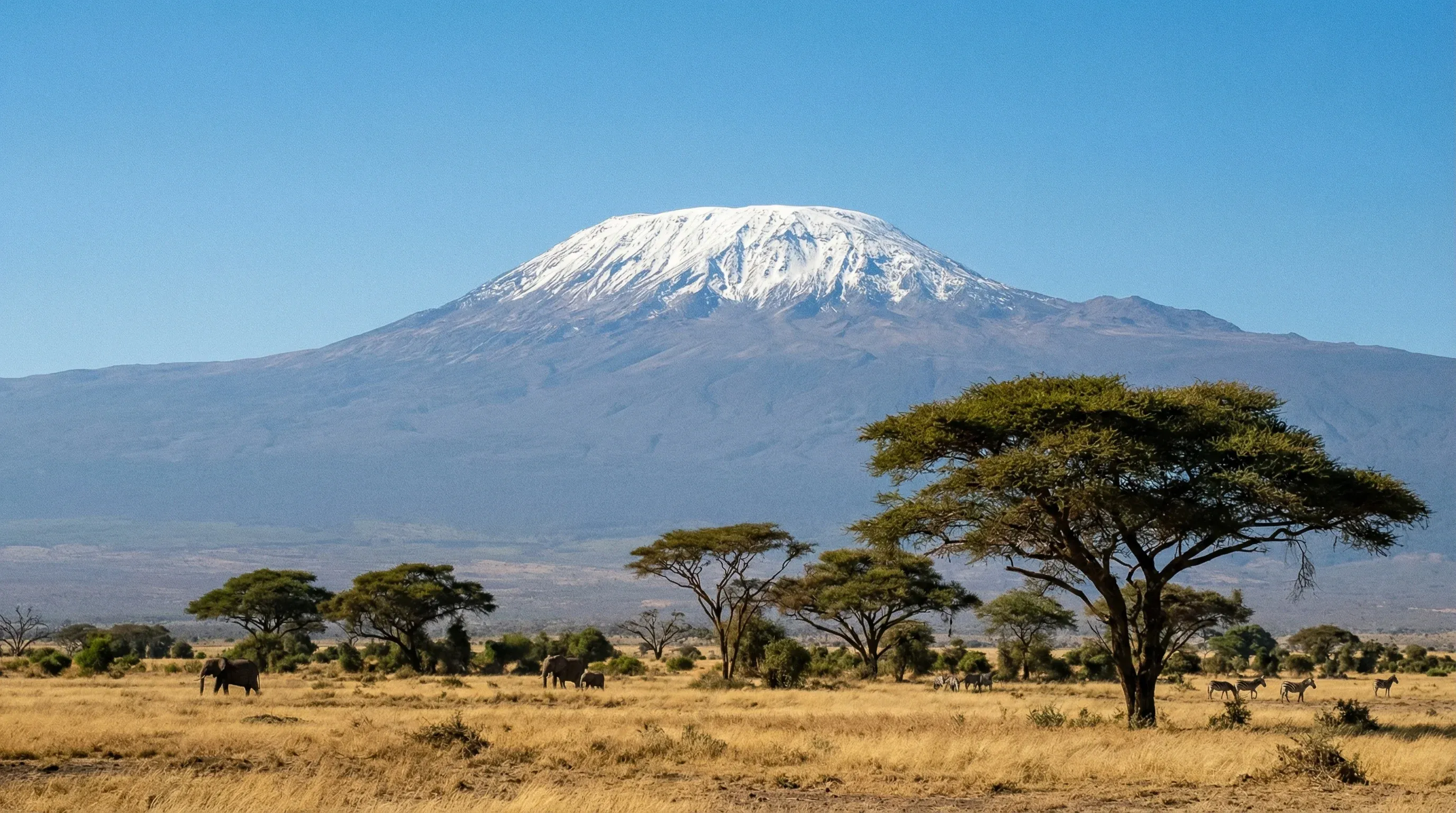
Land of giants under the watch of Kilimanjaro 🐘🏔️
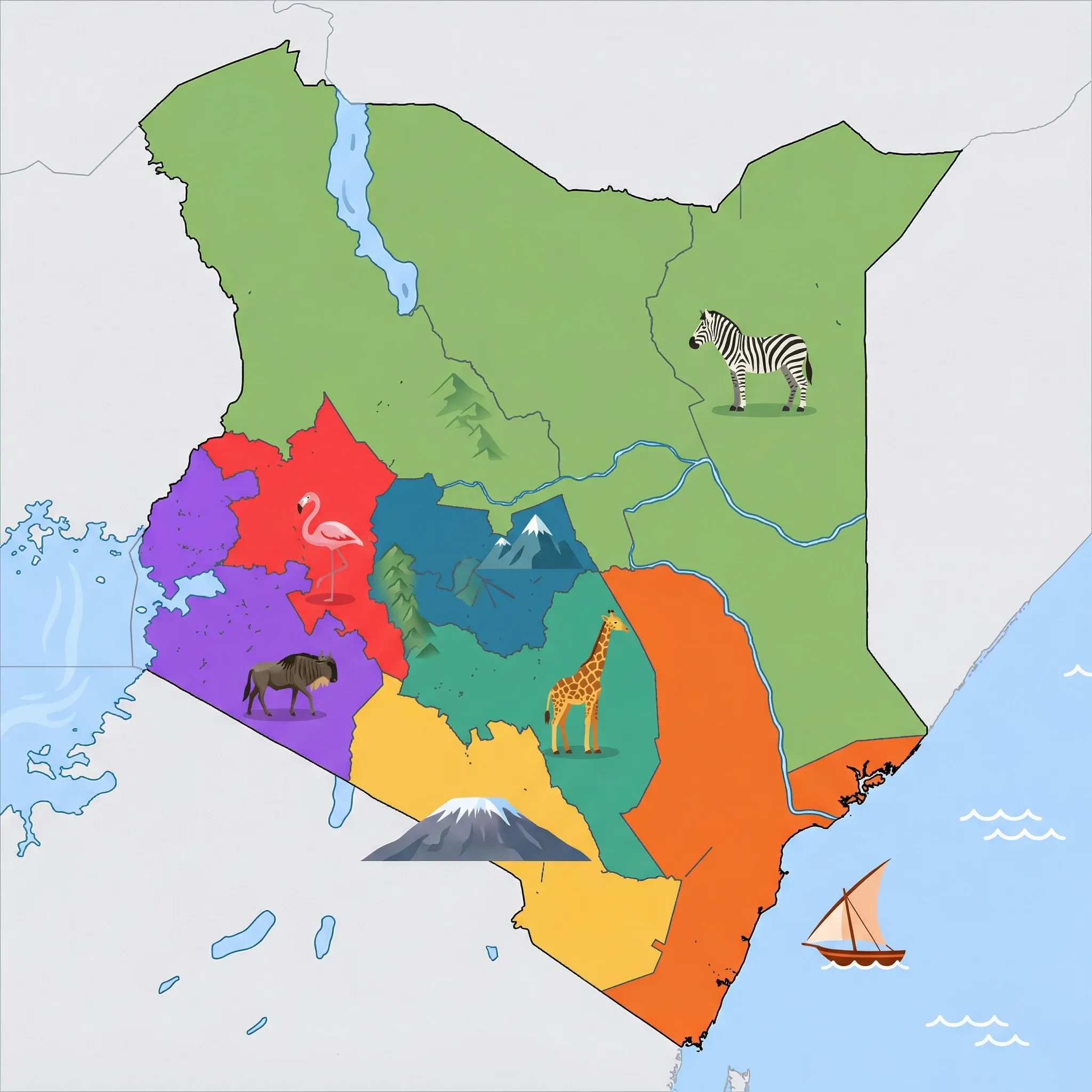
Click a region to explore
The southern parks of Kenya represent the quintessential African wilderness, offering a landscape that shifts from the dust-swept plains of Amboseli to the rugged, volcanic terrain of Tsavo. For families, this region is arguably the best place in Africa to see elephants in large numbers. In Amboseli, the gentle giants are habituated and calm, often allowing vehicles to get quite close, which is thrilling for children. The backdrop of snow-capped Mount Kilimanjaro provides a photographer's dream setting, while the open plains make wildlife spotting relatively easy for younger eyes that might struggle in thicker bush. The culture here is deeply rooted in the Maasai way of life, and many lodges offer opportunities for respectful cultural interactions where kids can learn to throw a rungu or bead with local women.
Further east, the vast Tsavo ecosystem—split into East and West—offers a wilder, more rugged adventure. Tsavo West is characterized by dramatic black lava flows and natural springs, creating a Jurassic Park-like atmosphere that captivates older children and teenagers. The "Theatre of the Wild" feels immense and untamed. Conversely, Tsavo East is flat and dry, famous for its dust-red elephants that bathe in the ruddy soil. The region is well-connected by the highway and railway linking Nairobi to the coast, making it a perfect safari stopover for families planning a "bush and beach" holiday.
Key Attractions
Amboseli National Park is the headline act here, famous for having the highest density of free-ranging elephants in the country. It is small enough to explore thoroughly in a couple of days, preventing 'safari fatigue' in younger children. The observation hill offers a safe place to stretch legs and see the swamps teeming with hippos and birdlife.
In the vast wilderness of Tsavo West National Park, the absolute highlight for families is Mzima Springs. Here, a submerged viewing chamber allows you to watch hippos and fish swimming underwater without getting wet—a magical perspective that kids talk about for years. Nearby, the Sheldrick Wildlife Trust - Voi Reintegration Unit (check access rules beforehand) allows a glimpse into the conservation of orphaned elephants moving back into the wild.
Practical Advice
The best time to visit is during the dry seasons (June to October and January to February) when animals congregate around water sources. Malaria prophylaxis is recommended as this is a lower altitude zone than Nairobi. The heat can be intense midday, so plan for early morning and late afternoon game drives, with pool time in between.
Food & Drink
Typical meal times: Breakfast is early (6:00 am to 8:30 am) before game drives. Lunch is served 12:30 pm to 2:00 pm, and dinner typically runs from 7:30 pm to 9:00 pm.
Typical meal costs: Most safaris are full-board. For independent travelers at camps, a buffet lunch costs KES 2,500–4,500 (approx. $19–35 USD / €17–31 EUR) per person.
Dietary requirements: Lodges are very accustomed to international guests and handle vegetarian, gluten-free, and nut-free requests well if notified in advance.
Signature dishes:
- Nyama Choma – Roasted meat (usually goat or beef) served at lodge bush dinners, often accompanied by a salty dipping mix.
- Kachumbari – A fresh tomato and onion salad with coriander and chili, serving as a bright side dish to heavy meats.
- Chapati – Soft, layered flatbread that is a favorite with children, often served with stews or simply with tea.
Why this score?
The vast, semi-arid landscapes of Tsavo East and the volcanic terrain of the Chyulu Hills offer a rugged and wild experience. Navigating these enormous parks involves long drives on unpaved tracks and a genuine sense of isolation. While Amboseli is more accessible, the overall region requires a high degree of self-sufficiency or professional guiding.
Why this score?
Medical facilities within the parks are virtually non-existent, consisting primarily of basic first-aid kits at luxury lodges. The nearest significant hospitals are in Nairobi or Mombasa, necessitating expensive air evacuation for any serious injury or illness. Travelers are almost entirely dependent on their tour operators' emergency protocols in this remote wilderness area.
Why this score?
This region is a staple of the Kenyan safari circuit, famous for its iconic views of Mount Kilimanjaro and large elephant herds. While it draws significant international crowds to Amboseli and Tsavo West, its sheer size and the more rugged nature of Tsavo East keep visitor densities lower than the Masai Mara. It remains a mid-tier destination globally, attracting a mix of dedicated safari-goers and regional tourists.

Accommodations range from budget camping to luxury eco-lodges. Park fees are significant for non-residents. A mid-range family safari lodge costs KES 40,000–70,000 (approx. $300–540 USD / €280–500 EUR) per night full-board. Park entry fees are roughly KES 10,000–13,000 (approx. $75–100 USD / €70–95 EUR) per adult per day, with children paying significantly less.

Getting Here & Around
Getting Here
- Train – The Madaraka Express (SGR) stops at Emali (for Amboseli) and Voi/Mtito Andei (for Tsavo). The journey from Nairobi takes 2–4 hours.
- Driving – Amboseli is a 4-hour drive from Nairobi via Namanga or Emali. Tsavo East National Park is accessed via the main Nairobi-Mombasa highway.
- Airports – Small airstrips serve the parks (Amboseli, Kilaguni, Finch Hattons) for scheduled flights from Nairobi Wilson Airport.
Getting Around
- Tour Van/Jeep – The only safe way to navigate the parks is inside a vehicle. Open-sided vehicles are available at camps.
- Train Transfers – Lodges can arrange transfers from the SGR train stations, but pre-booking is essential.
- Walking – Walking is strictly prohibited outside of lodges unless accompanied by armed rangers in designated areas like the Mzima Springs nature trail.
Nearby Airports (1 airport)
Amboseli
ASVAmboseli
View full flight map for Kenya →
Official Links

Packing List
Amboseli's volcanic soil creates very fine dust that coats everything during game drives.
Midday heat in Tsavo is intense; hotel pools are essential for cooling kids down.
Essential for spotting rhinos in Tsavo West's dense bush.
The dry heat dehydrates children faster than they realize.
Small safari planes strictly forbid hard-shell suitcases; bags must be squashed into tight holds.
Safari vehicles are open-sided; fine dust covers everything during game drives.
Avoid dark blue and black which attract painful tsetse flies, and bright white which scares animals.
Many eco-lodges run on solar or generators that turn off at night; essential for bathroom trips.
Single-use plastic bottles are strictly banned in all National Parks and forests.
Animals can be distant; having their own pair keeps kids engaged and prevents arguments.

Activities & Best Times

Hiking, wildlife, outdoor exploration, ecotourism
A world-class safari destination featuring iconic views of Mount Kilimanjaro and unique red elephants in vast wilderness areas. Peak months align with the dry seasons when wildlife congregates at permanent water sources, offering unparalleled viewing opportunities.

Urban tourism, museums, historical sites, architecture
Offers authentic immersion into Maasai culture and significant historical sites like the Taita Hills WWI Museum. Dry seasons provide optimal accessibility and comfort for visiting traditional villages and open-air landmarks.

Scenic drives, countryside tours, route-based travel
The Southern Safari Circuit and volcanic drives through the Shetani lava flows provide exceptional scenic touring through prehistoric landscapes. Rainy seasons (April-May and November) are avoided due to challenging road conditions and reduced visibility.

Sport tourism, fitness activities, active recreation
High-quality trekking opportunities exist on the Chyulu Hills Ridge Trail and Mount Kasigau, offering challenging terrain and panoramic vistas. Dry weather is essential for safe navigation of steep summits and volcanic trails.

Learning experiences, scientific sites, historical education
Features unique underwater viewing facilities at Mzima Springs for observing aquatic ecosystems, hippos, and fish in a natural setting. The site is best visited during dry months when water clarity is at its peak for scientific observation.




Public Holidays & Calendar Next 12 months
Public holidays, festivals, cultural celebrations, and seasonal natural phenomena coming up in Amboseli & Tsavo (southern parks) over the next 12 months.
Loading holidays and events...

Travel Advisory
All major global agencies maintain that travel to Kenya requires increased vigilance. While the country is open to tourism, there are persistent threats from terrorism and violent crime. Several agencies escalate their warnings to 'Reconsider Travel' or 'Do Not Travel' for specific regions, particularly those bordering Somalia, South Sudan, and Ethiopia, as well as certain high-crime neighborhoods in Nairobi.
Safety Topics
Traveller Advice (4 groups)

Female travellers should be cautious about travelling alone, particularly in the evening. Sexual assault risks exist in crowded city areas and some beach resorts.

Visitors should avoid displaying high-value items, limit road travel after dark, and use only trusted transportation services. It is essential to monitor local news for updates on security alerts and avoid any areas where large crowds or protests are gathering.

Staff from international organizations are advised that they may be specifically targeted for kidnapping by extremist groups in northeastern counties. Strict organizational security protocols and coordination with local authorities are highly recommended.

Sexual acts between same-sex individuals are illegal and can lead to imprisonment. Given conservative social attitudes, discretion is advised to avoid harassment or legal complications.
Agency Summaries
While general travel is possible, the government warns of a heightened terror threat. Strict 'no-travel' zones exist for areas bordering Somalia and parts of the northern coast.
Citizens are encouraged to maintain high awareness of their surroundings due to political instability, potential for demonstrations, and local security concerns.
Heightened safety risks from terrorism and crime exceed what is typical for New Zealanders. Specific urban neighborhoods and border regions are designated as higher risk.
Travellers should be extremely vigilant due to the pervasive threat of terrorism and high rates of violent crime across the nation.
Increased safety precautions are necessary throughout the country due to the danger of extremist violence and street crime. Regional restrictions apply to volatile border zones.
Vigilance is required because of criminal activity, the risk of terrorist attacks, kidnapping, and periodic civil unrest. Specific border regions carry significantly higher danger.
Information is provided for general guidance only and does not constitute travel, safety, medical, or legal advice. Conditions may change. Users are responsible for independently verifying information before travel.