
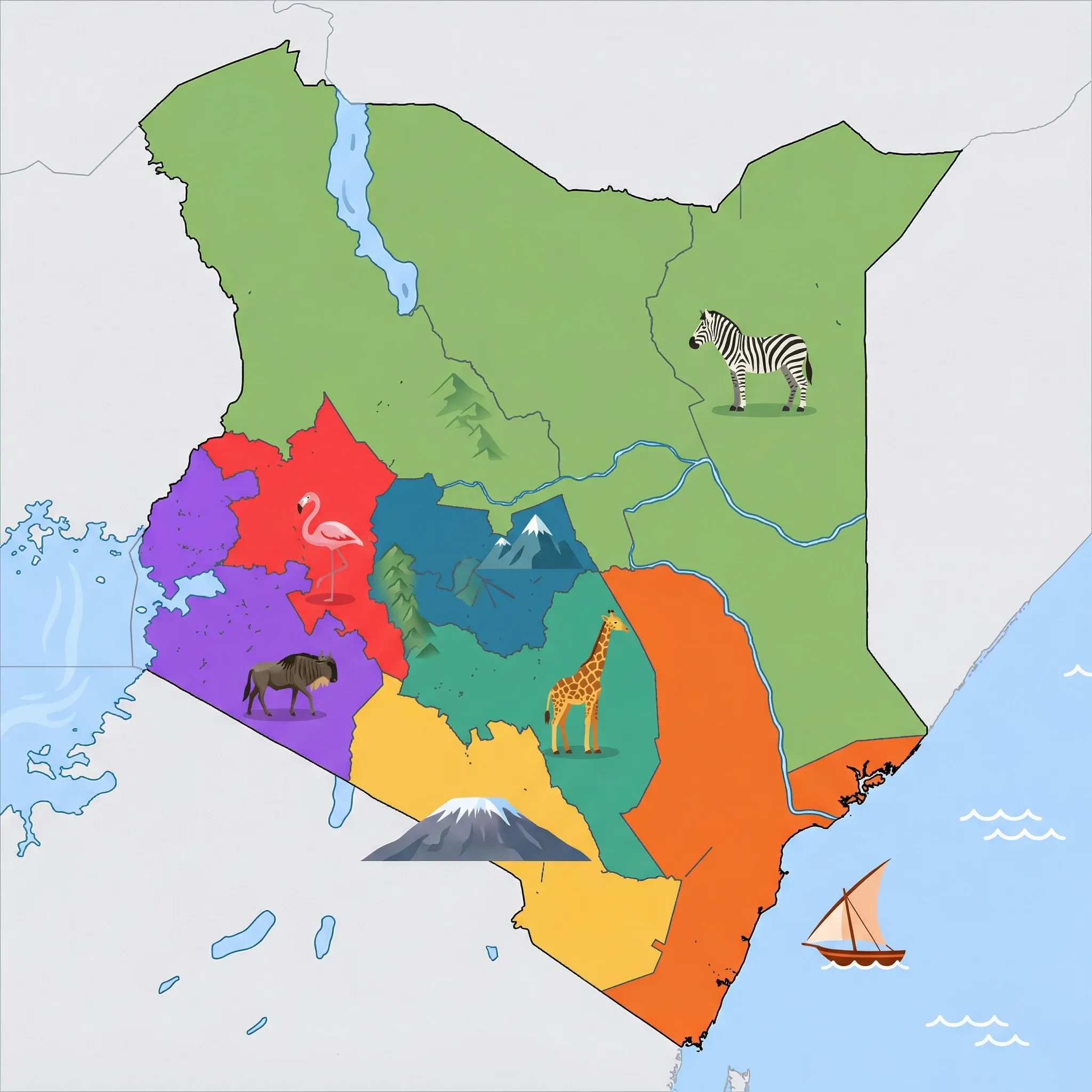
Click a region to explore
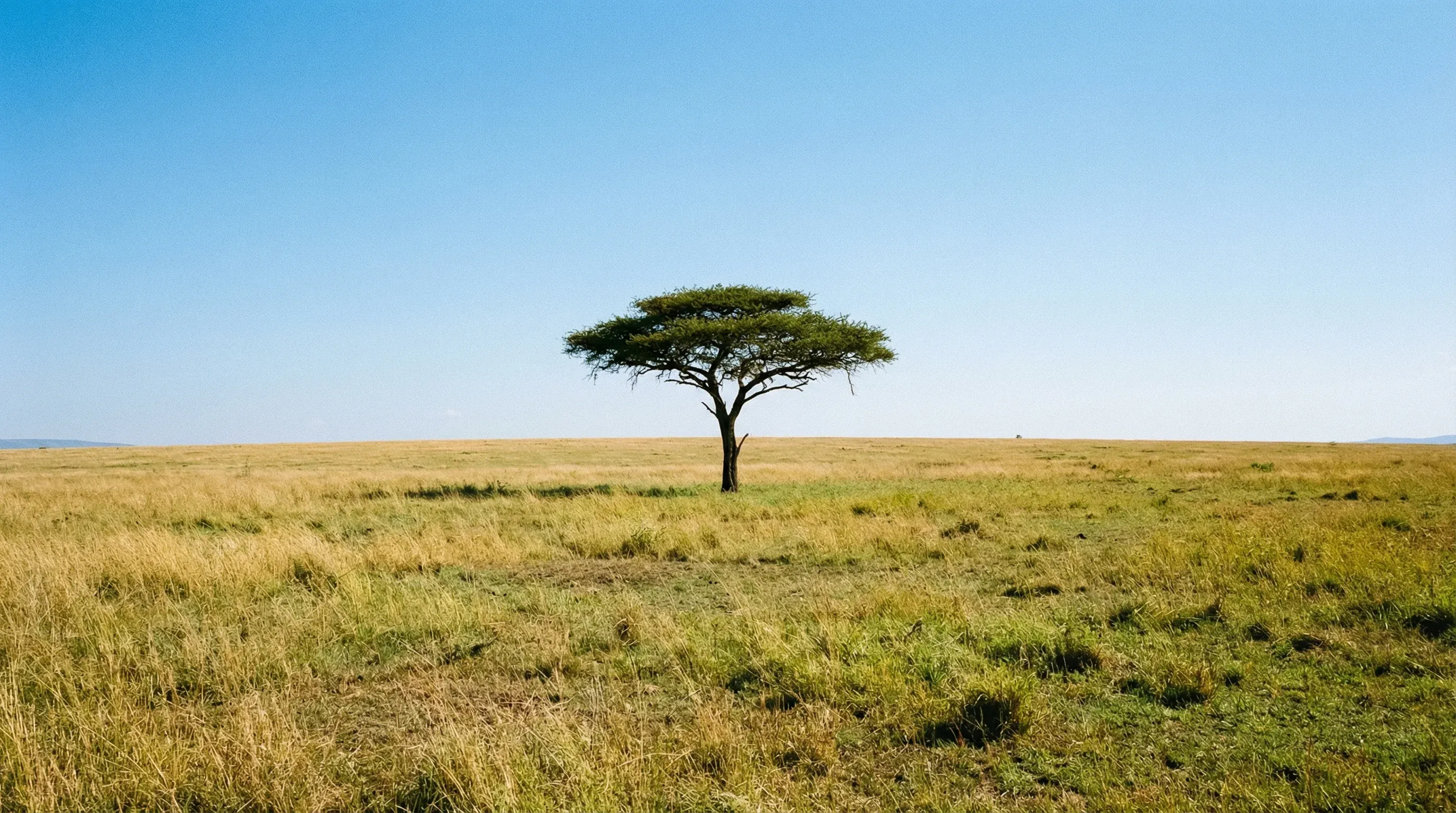
The Masai Mara is synonymous with the African safari. For families, this is where the Lion King comes to life. The density of wildlife here is unrivaled; you don't just see a lion, you see prides; you don't just see a zebra, you see thousands. The landscape consists of rolling savannahs dotted with distinctive acacia trees, offering wide visibility that keeps children engaged because there is always something to look at. From July to October, the Great Migration arrives, bringing over a million wildebeest and zebras—a chaotic, noisy, and thrilling spectacle that is a bucket-list experience for any age.
Beyond the wildlife, the Mara is the heartland of the Maasai people. The interaction here is genuine and profound. Many camps employ Maasai guides who are incredible with children, teaching them to read animal tracks, identify dung (always a hit with kids), and understand the bush. Staying in the private conservancies surrounding the main reserve offers a more exclusive experience with night drives and bush walks, which are not allowed in the main reserve.
Key Attractions
The Masai Mara National Reserve is the primary destination, offering high-density game viewing. It is the best place to spot the "Big Five" (lion, leopard, rhino, elephant, buffalo) in a single day.
The Mara River is the dramatic stage for the migration crossings, where crocodiles lie in wait. Even outside migration season, the river is home to massive pods of hippos. For a deep dive into history, the Thimlich Ohinga Archaeological Site is a UNESCO World Heritage site further west, showcasing dry-stone walled settlements that date back centuries, though it requires a dedicated detour.
Practical Advice
The main reserve can get crowded with vehicles, especially at river crossings. For families, the private conservancies (Mara North, Naboisho, Olare Motorogi) are highly recommended as they limit vehicle numbers and allow off-road driving to get closer to predators. The best time for the migration is July–October, but the resident wildlife is spectacular year-round.
Food & Drink
Typical meal times: Bush breakfast: 9:00 am. Lunch: 1:00 pm. Afternoon Tea (essential safari tradition): 4:00 pm. Dinner: 7:30 pm to 9:00 pm.
Typical meal costs: Almost exclusively all-inclusive within lodge packages. A bush dinner add-on might cost KES 6,000–10,000 (approx. $45–75 USD / €42–70 EUR) per person.
Dietary requirements: High-end camps cater to all allergies and preferences. Kid-friendly menus (pasta, chicken) are standard.
Signature dishes:
- Bush Breakfast – Not a specific dish but an event: eggs, bacon, and sausages cooked on a portable stove in the middle of the savannah.
- Kuku Paka – Chicken cooked in a coconut curry sauce, reflecting the Swahili influence even inland.
- Mandazi – Sweet, triangular doughnuts often served with morning coffee or tea before a game drive.
Why this score?
The region offers a quintessential African adventure, characterized by open savannahs, river crossings, and proximity to large predators. Living in tented camps and traversing unpaved plains provides a high level of ruggedness and immersion in nature. The environment is wild and unpredictable, requiring visitors to adhere to strict safety protocols in an unfenced wilderness.
Why this score?
Despite its popularity, the Mara has very limited medical infrastructure, with only basic clinics available at select lodges or within local villages. Serious medical emergencies require AMREF Flying Doctors or similar evacuation services to Nairobi. The remote location and difficult terrain make rapid ground transport to a hospital impossible for most visitors inland.
Why this score?
Recognized globally as one of the premier wildlife destinations, the Masai Mara attracts hundreds of thousands of international visitors annually, particularly during the Great Migration. It is the centerpiece of Kenya's tourism industry, though it remains a niche high-cost destination compared to global mass-market hubs like Bali. Its fame ensures a steady flow of high-spending travelers from across the globe.

The Mara is Kenya's most expensive region. Park fees are high (approx. $100–200 USD per adult/day depending on season). Budget camping exists, but a standard family safari tent costs KES 65,000–130,000 (approx. $500–1,000 USD / €460–930 EUR) per night. Luxury options can exceed KES 250,000 ($2,000 USD) nightly.

Getting Here & Around
Getting Here
- Airports – The most family-friendly option is flying from Nairobi Wilson Airport to various airstrips (Keekorok, Musiara, Ol Kiombo). Flight time is approx. 45 minutes.
- Driving – A long, bumpy 5–6 hour drive from Nairobi. The last section can be very rough, which can be tiring for small children.
Getting Around
- 4x4 Safari Vehicle – Crucial. Camps provide modified Land Cruisers with pop-up roofs or open sides for photography.
- Hot Air Balloon – A premium experience floating over the Masai Mara National Reserve at dawn, usually suitable for children over 7 years old.
Nearby Airports (4 airports)
Angama Airport
ANAMaasai Mara
Kakamega Airport
GGMKakamega
Kisumu
KISKisumu
Mara Lodges
MREMaasai Mara
View full flight map for Kenya →
Official Links

Packing List
Avoid dark blue and black which attract painful tsetse flies in the Mara woodlands.
Great for stabilizing cameras on the edge of the vehicle roof for steady photos.
Morning game drives start before sunrise and are surprisingly cold in open vehicles.
Small safari planes strictly forbid hard-shell suitcases; bags must be squashed into tight holds.
Safari vehicles are open-sided; fine dust covers everything during game drives.
Avoid dark blue and black which attract painful tsetse flies, and bright white which scares animals.
Many eco-lodges run on solar or generators that turn off at night; essential for bathroom trips.
Single-use plastic bottles are strictly banned in all National Parks and forests.
Animals can be distant; having their own pair keeps kids engaged and prevents arguments.

Activities & Best Times

Hiking, wildlife, outdoor exploration, ecotourism
One of the world's premier wilderness destinations, offering unparalleled Big Five viewing and the dramatic Mara River crossings. Peak seasons align with the dry months and the Great Migration, while the long rains in April and May make many trails and camps inaccessible.

Urban tourism, museums, historical sites, architecture
Home to the UNESCO-listed Thimlich Ohinga archaeological site and authentic Maasai cultural heritage that offers deep historical insight. Visits are best during the dry seasons when road access to these remote heritage sites is reliable and outdoor cultural demonstrations are active.

Scenic drives, countryside tours, route-based travel
Features spectacular scenic routes including the Oloololo Escarpment and the Great Rift Valley drive, though 4x4 vehicles are mandatory. The heavy rains from March to May can turn unpaved tracks into impassable mud, making the dry seasons the only viable time for touring.

Sport tourism, fitness activities, active recreation
Offers rugged active tourism including mountain biking circuits and high-altitude trekking in the Loita Hills. These activities require dry, stable conditions for safety on steep terrain, limiting the optimal season to the region's two main dry windows.

Events, celebrations, seasonal attractions
The Great Migration is a world-class seasonal event where millions of wildebeest and zebras traverse the plains, peaking from July to October. Outside of this specific window and the surrounding transition months, the unique natural spectacle that defines this category is absent.

Spa retreats, wellness centers, peaceful getaways
Natural thermal features like Lake Magadi and Maji Moto hot springs provide rustic, off-the-beaten-path wellness experiences in a raw wilderness setting. These are best enjoyed when accessibility is high and local humidity is lower during the region's dry periods.




Public Holidays & Calendar Next 12 months
Public holidays, festivals, cultural celebrations, and seasonal natural phenomena coming up in Masai Mara & Southwest over the next 12 months.
Loading holidays and events...

Travel Advisory
All major global agencies maintain that travel to Kenya requires increased vigilance. While the country is open to tourism, there are persistent threats from terrorism and violent crime. Several agencies escalate their warnings to 'Reconsider Travel' or 'Do Not Travel' for specific regions, particularly those bordering Somalia, South Sudan, and Ethiopia, as well as certain high-crime neighborhoods in Nairobi.
Safety Topics
Traveller Advice (4 groups)

Female travellers should be cautious about travelling alone, particularly in the evening. Sexual assault risks exist in crowded city areas and some beach resorts.

Visitors should avoid displaying high-value items, limit road travel after dark, and use only trusted transportation services. It is essential to monitor local news for updates on security alerts and avoid any areas where large crowds or protests are gathering.

Staff from international organizations are advised that they may be specifically targeted for kidnapping by extremist groups in northeastern counties. Strict organizational security protocols and coordination with local authorities are highly recommended.

Sexual acts between same-sex individuals are illegal and can lead to imprisonment. Given conservative social attitudes, discretion is advised to avoid harassment or legal complications.
Agency Summaries
While general travel is possible, the government warns of a heightened terror threat. Strict 'no-travel' zones exist for areas bordering Somalia and parts of the northern coast.
Citizens are encouraged to maintain high awareness of their surroundings due to political instability, potential for demonstrations, and local security concerns.
Heightened safety risks from terrorism and crime exceed what is typical for New Zealanders. Specific urban neighborhoods and border regions are designated as higher risk.
Travellers should be extremely vigilant due to the pervasive threat of terrorism and high rates of violent crime across the nation.
Increased safety precautions are necessary throughout the country due to the danger of extremist violence and street crime. Regional restrictions apply to volatile border zones.
Vigilance is required because of criminal activity, the risk of terrorist attacks, kidnapping, and periodic civil unrest. Specific border regions carry significantly higher danger.
Information is provided for general guidance only and does not constitute travel, safety, medical, or legal advice. Conditions may change. Users are responsible for independently verifying information before travel.