
Mombasa & Coast
Where ancient history meets wild coastal beauty 🌴🏰
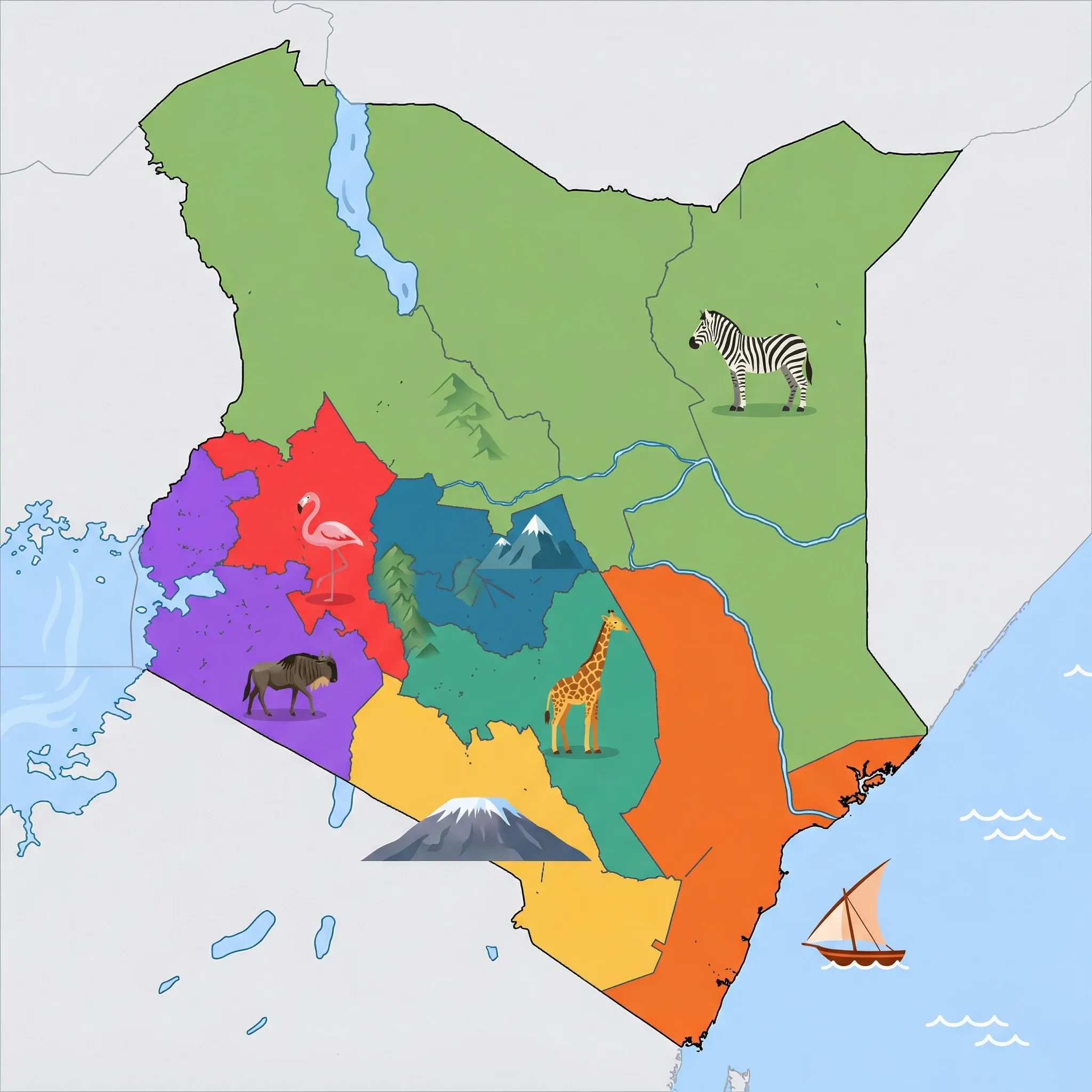
Click a region to explore
⚠️ SAFETY WARNING: Due to the threat of terrorism and violent crime, government agencies (including the USA, UK, and Australia) advise travelers to reconsider travel to specific coastal areas. While Diani and Mombasa Island are generally visited by tourists, travel north of Malindi and near the Somali border is dangerous. Families are strongly urged to consult their own government's official travel advisory before considering a trip, as circumstances and risk assessments vary.
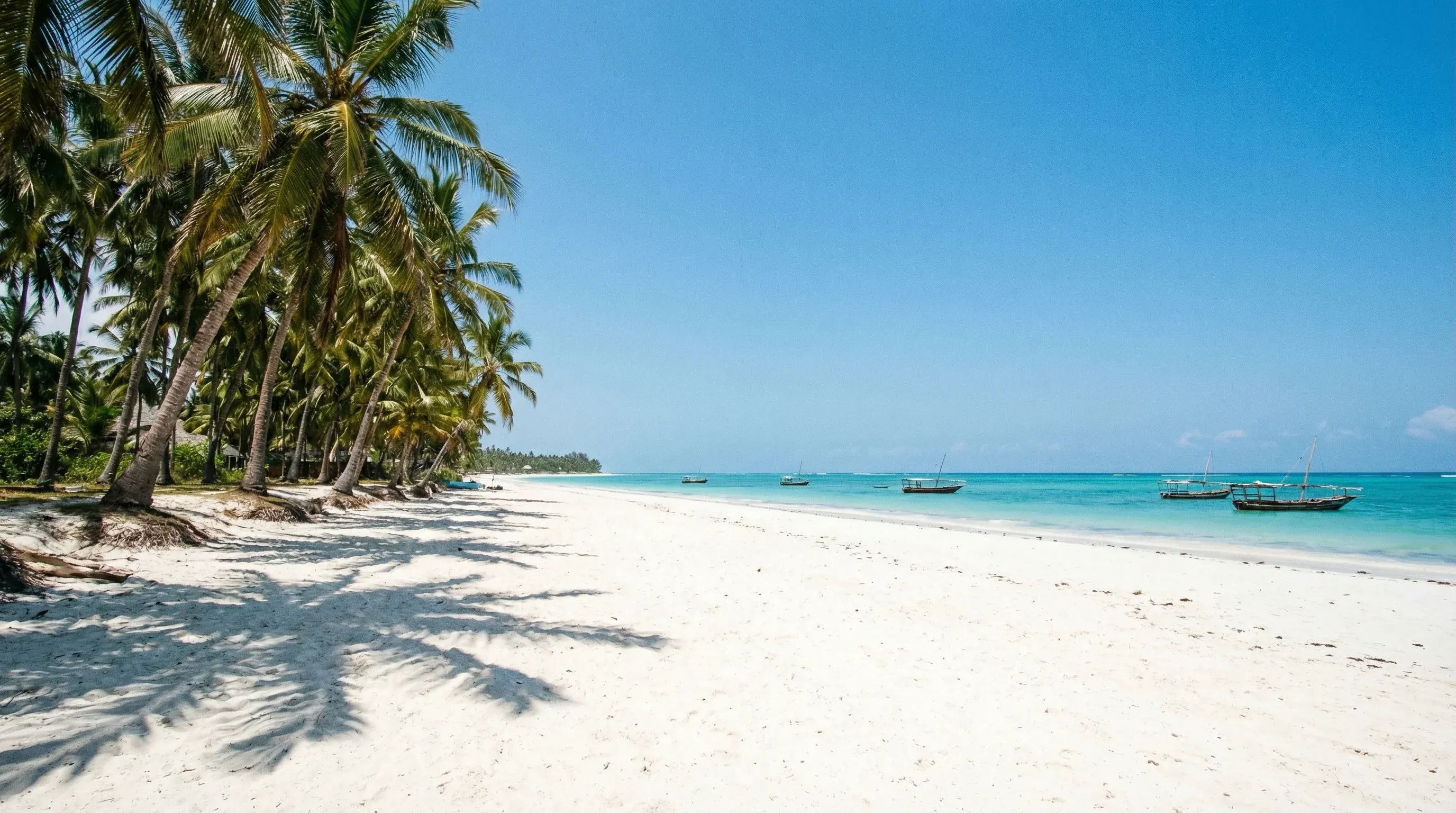
Kenya's coast offers a radically different experience from the savannah. Here, the pace slows down to the rhythm of the Indian Ocean tides. For families, this is the perfect place to unwind after a dusty safari. The beaches are world-class, with powdery white sand and warm water protected by offshore reefs, creating safe, shallow lagoons perfect for swimming and snorkeling. Diani Beach in the south is regularly voted one of Africa's best beaches, offering a resort atmosphere with plenty of amenities.
Culturally, the coast is unique. The Swahili culture—a blend of African, Arab, and Portuguese influences— permeates the architecture, food, and language. A visit to Mombasa isn't just a beach trip; it's a history lesson. Walking through the narrow streets of Old Town (best done with a guide) or exploring the Portuguese fortresses sparks the imagination. Nature lovers are spoiled too, with marine parks teeming with turtles, dolphins, and colorful fish, plus inland sanctuaries where you can feed giraffes.
Key Attractions
Diani Beach is the ultimate family playground, offering camel rides on the sand, glass-bottom boat trips, and kitesurfing lessons. For a day trip, Kisite-Mpunguti Marine National Park offers exceptional snorkeling and a high chance of spotting dolphins.
In Mombasa city, the UNESCO-listed Fort Jesus Museum is a 16th-century Portuguese fort that kids love exploring, complete with cannons and secret passages. Across the bridge, Haller Park is a rehabilitated quarry turned nature reserve where families can hand-feed giraffes and watch hippo feeding times. Further north, the ancient Gede Ruins offer a mysterious "lost city" experience in the jungle that feels like an Indiana Jones movie set.
Practical Advice
The coast is hot and humid year-round. The best times to visit are July–October and January–March. Being a Muslim-majority region, it is respectful to dress modestly when leaving the beach resorts and entering towns (covering shoulders and knees).
Food & Drink
Typical meal times: Lunch 1:00 pm to 3:00 pm. Dinner is late, often 8:00 pm to 10:00 pm, reflecting the coastal culture.
Typical meal costs: A seafood platter for two/three costs KES 3,500–6,000 (approx. $27–46 USD / €25–43 EUR). Street food is very cheap, under KES 200 ($1.50).
Dietary requirements: Halal food is the standard. Seafood is dominant. Vegetarians will find plenty of coconut-based curries.
Signature dishes:
- Swahili Biryani – A fragrant, spiced rice dish served with a rich meat sauce, colorful and flavorful without being too hot for kids.
- Samaki wa Kupaka – Fish grilled over charcoal and then slathered in a thick, tamarind-coconut sauce.
- Viazi Karai – Battered, deep-fried potatoes with a tamarind dip, a ubiquitous and delicious street snack.
Why this score?
Adventure here is primarily water-based, including snorkeling in marine parks, kite surfing, and exploring the ancient Gedi Ruins. While there are opportunities for exploration, the experience is largely centered around comfortable beach resorts and paved coastal roads. It is significantly less rugged than the Kenyan interior, making it ideal for families seeking relaxation.
Why this score?
Mombasa and Diani have several reputable private hospitals, such as the Diani Beach Hospital, which cater specifically to tourists and expats. These facilities are capable of handling most common tropical illnesses and minor traumas, with English-speaking staff and insurance coordination. However, for specialized surgery or critical care, transfer to Nairobi is still frequently recommended.
Why this score?
The Kenyan coast is a major international sun-and-sand destination, particularly popular with European charter tourists and domestic vacationers. Areas like Diani Beach and Watamu are well-established with dozens of resorts and a vibrant tourism infrastructure. It serves as the primary relaxation stop for most safari travelers, maintaining a high and consistent visitor flow.

The coast caters to all budgets. You can find budget rentals or luxury all-inclusive resorts. A mid-range family resort room costs KES 20,000–35,000 (approx. $155–270 USD / €140–250 EUR) per night. Meals are generally cheaper than in safari lodges.

Getting Here & Around
Getting Here
- Airports – Moi International Airport (MBA) in Mombasa and Ukunda Airstrip (Diani) receive flights from Nairobi. Malindi (MYD) serves the north coast.
- Train – The Madaraka Express (SGR) is a safe, scenic, and affordable family option, taking roughly 5 hours from Nairobi to Mombasa.
- Ferry – Crossing from Mombasa Island to the South Coast (Diani Beach) requires the Likoni Ferry, which can be chaotic; private hotel transfers are recommended.
Getting Around
- Tuk-tuk – Three-wheeled auto-rickshaws are the most fun and common way for families to make short trips around Diani or Malindi.
- Taxi/Uber – Available in Mombasa and major towns; safer for night travel.
- Dhow – Traditional sailing boats used for sunset cruises and marine park excursions.
Nearby Airports (3 airports)
Moi International
MBAMombasa
Malindi
MYDMalindi
Ukunda Airport
UKAUkunda
View full flight map for Kenya →
Official Links

Packing List
Essential for exploring rock pools and walking into the ocean at low tide due to sea urchins.
Light cotton trousers/shawls for visiting Old Town or markets out of respect for local culture.
Boat trips and snorkeling are major activities; keeps devices dry and sand-free.
Small safari planes strictly forbid hard-shell suitcases; bags must be squashed into tight holds.
Safari vehicles are open-sided; fine dust covers everything during game drives.
Avoid dark blue and black which attract painful tsetse flies, and bright white which scares animals.
Many eco-lodges run on solar or generators that turn off at night; essential for bathroom trips.
Single-use plastic bottles are strictly banned in all National Parks and forests.
Animals can be distant; having their own pair keeps kids engaged and prevents arguments.

Activities & Best Times

Beach resorts, marine activities: diving, snorkelling, kite surfing, wind surfing, sailing
Kenya's coast features internationally renowned beaches (Diani, Watamu) with exceptional marine parks, white sand, and 25m+ visibility. This is Kenya's premier beach destination and competes with top Indian Ocean destinations like Zanzibar and Seychelles. The downgrade to 'good' is under-calibrated given the global quality of facilities and natural environment.

Hiking, wildlife, outdoor exploration, ecotourism
Offers diverse ecosystems from Haller Park to Arabuko Sokoke forest; dry seasons facilitate easier wildlife spotting and trail accessibility for families.

Urban tourism, museums, historical sites, architecture
Home to authentic Swahili heritage sites like UNESCO-listed Fort Jesus and Gede Ruins; intense humidity and heavy rains in May hinder historical exploration.

Sport tourism, fitness activities, active recreation
Active infrastructure including forest cycling tracks and water sport centers are most reliable during the dry seasons with predictable wind patterns.

Learning experiences, scientific sites, historical education
Niche conservation-focused sites such as Local Ocean and Colobus Conservation provide authentic learning; heavy rains impact road access and outdoor briefings.

Scenic drives, countryside tours, route-based travel
Scenic coastal drives like the B8 offer Indian Ocean views, though infrastructure is best navigated during dry months to avoid monsoon-related road issues.

Amusement parks, family entertainment venues
Small-scale entertainment facilities like Mamba Village and Ngomongo cater to regional families; peak periods align with dry season school holidays.

Attractions (10 total)



Public Holidays & Calendar Next 12 months
Public holidays, festivals, cultural celebrations, and seasonal natural phenomena coming up in Mombasa & Coast over the next 12 months.
Loading holidays and events...

Travel Advisory
All major global agencies maintain that travel to Kenya requires increased vigilance. While the country is open to tourism, there are persistent threats from terrorism and violent crime. Several agencies escalate their warnings to 'Reconsider Travel' or 'Do Not Travel' for specific regions, particularly those bordering Somalia, South Sudan, and Ethiopia, as well as certain high-crime neighborhoods in Nairobi.
Safety Topics
Traveller Advice (4 groups)

Female travellers should be cautious about travelling alone, particularly in the evening. Sexual assault risks exist in crowded city areas and some beach resorts.

Visitors should avoid displaying high-value items, limit road travel after dark, and use only trusted transportation services. It is essential to monitor local news for updates on security alerts and avoid any areas where large crowds or protests are gathering.

Staff from international organizations are advised that they may be specifically targeted for kidnapping by extremist groups in northeastern counties. Strict organizational security protocols and coordination with local authorities are highly recommended.

Sexual acts between same-sex individuals are illegal and can lead to imprisonment. Given conservative social attitudes, discretion is advised to avoid harassment or legal complications.
Agency Summaries
While general travel is possible, the government warns of a heightened terror threat. Strict 'no-travel' zones exist for areas bordering Somalia and parts of the northern coast.
Citizens are encouraged to maintain high awareness of their surroundings due to political instability, potential for demonstrations, and local security concerns.
Heightened safety risks from terrorism and crime exceed what is typical for New Zealanders. Specific urban neighborhoods and border regions are designated as higher risk.
Travellers should be extremely vigilant due to the pervasive threat of terrorism and high rates of violent crime across the nation.
Increased safety precautions are necessary throughout the country due to the danger of extremist violence and street crime. Regional restrictions apply to volatile border zones.
Vigilance is required because of criminal activity, the risk of terrorist attacks, kidnapping, and periodic civil unrest. Specific border regions carry significantly higher danger.
Information is provided for general guidance only and does not constitute travel, safety, medical, or legal advice. Conditions may change. Users are responsible for independently verifying information before travel.