
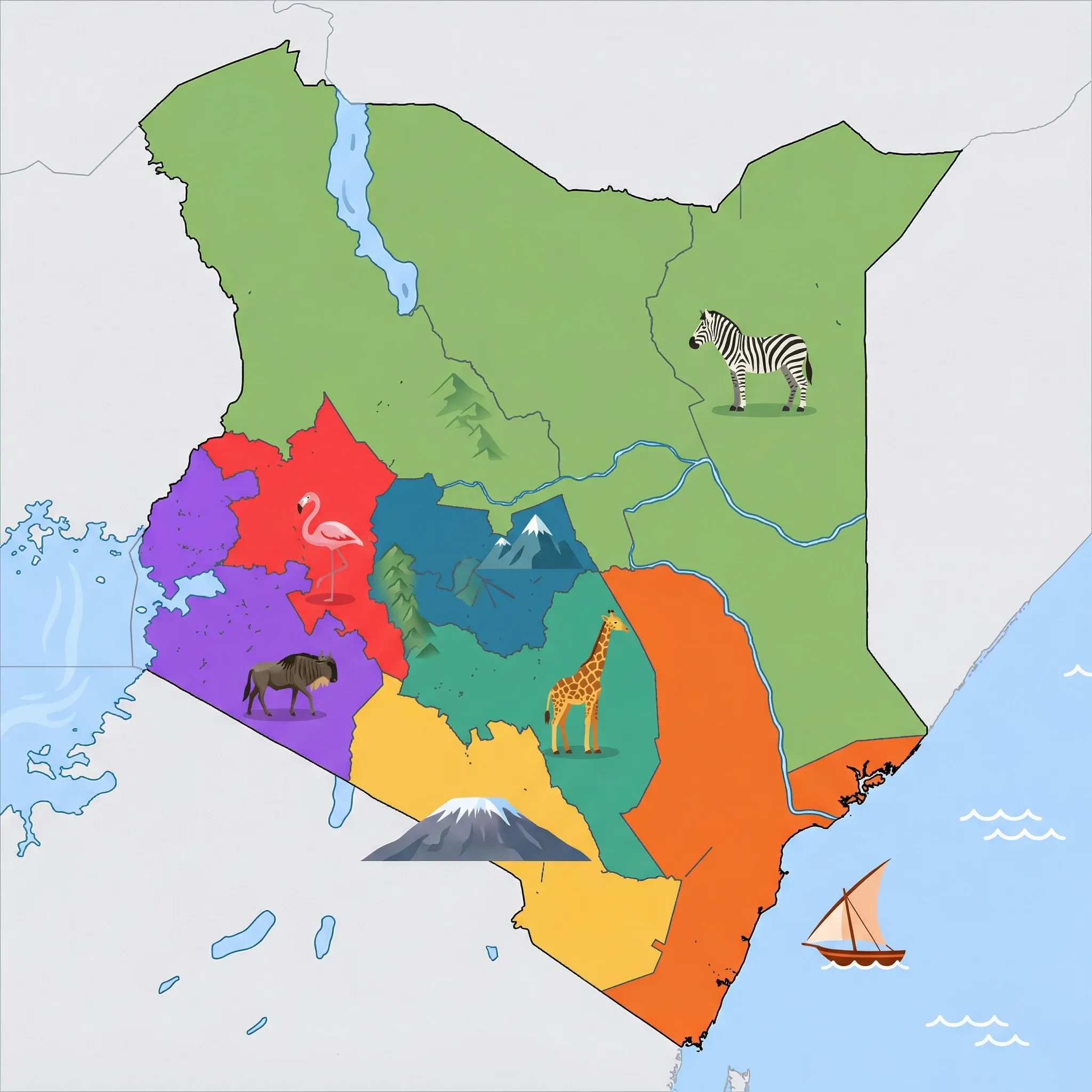
Click a region to explore
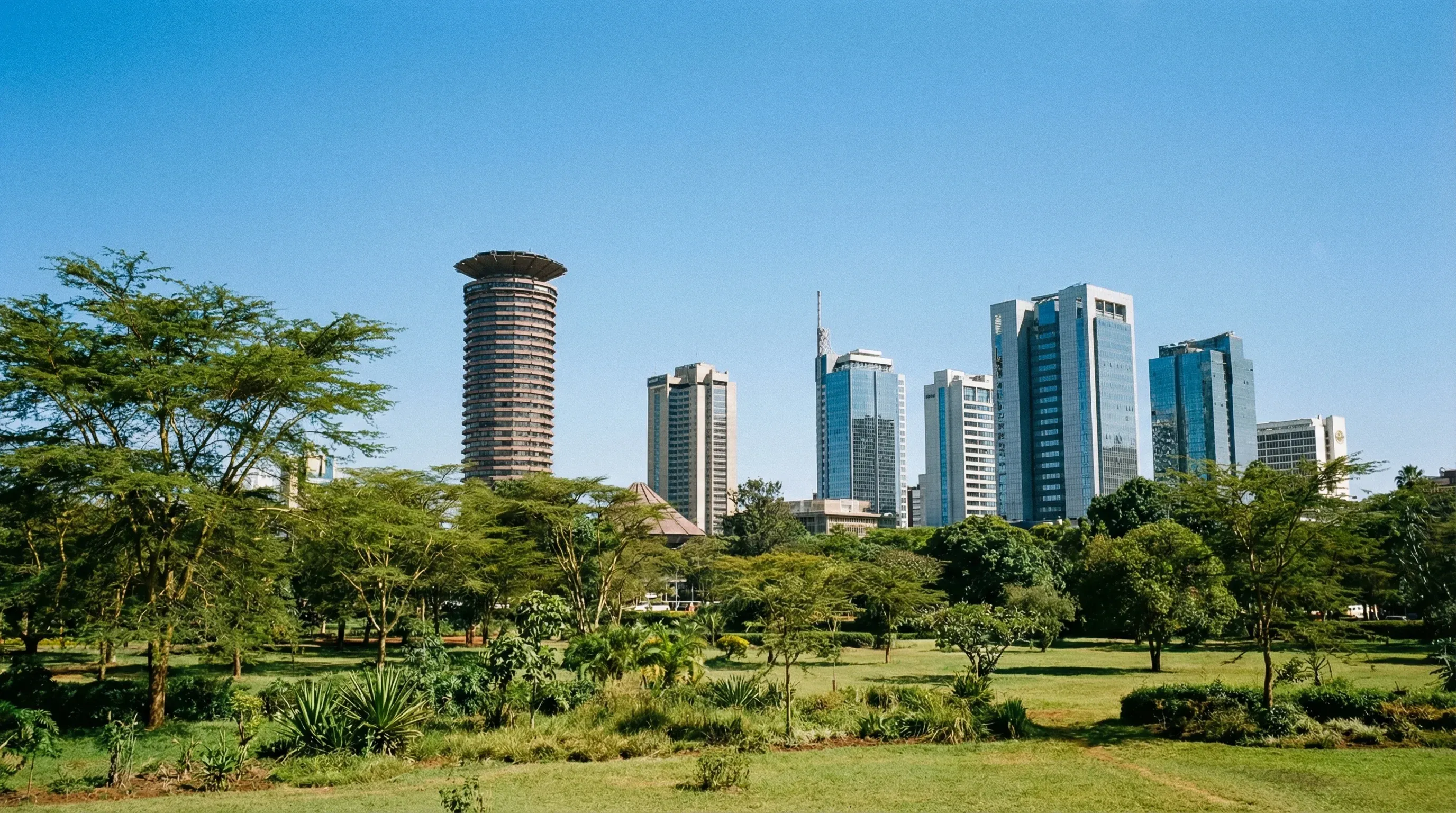
Nairobi is often seen merely as a transit point, but for families, it is a destination in its own right packed with high-quality, accessible attractions. It is a bustling, modern metropolis that retains a wild edge. The leafy suburbs of Karen and Langata are particularly family-friendly, hosting a cluster of conservation centres that allow children to get closer to animals than they ever could on a standard safari. Where else can you land at an international airport and be watching lions stalk prey against a backdrop of skyscrapers 30 minutes later?
Beyond wildlife, Nairobi offers a window into modern Kenya. The city has vibrant craft markets, excellent museums, and a restaurant scene that rivals major global cities. It's a place to understand the human story of Kenya—from the colonial history of Karen Blixen to the tribal heritage preserved at the Bomas of Kenya. While traffic can be intense, the rewards of spending 2-3 days here before heading to the bush or beach are significant, especially for allowing children to recover from jet lag in comfortable surroundings.
Key Attractions
The Sheldrick Wildlife Trust is an emotional and unforgettable experience where you can watch orphaned baby elephants being bottle-fed (visiting hours are strictly 11:00 am – 12:00 pm; booking essential). Nearby, the Giraffe Centre allows kids to hand-feed pellets to towering Rothschild's giraffes from a raised platform—expect slobbery kisses!
Nairobi National Park offers a genuine Big Five safari experience right on the city's doorstep. For culture, the Nairobi National Museum has excellent exhibits on human evolution and birds, while the Bomas of Kenya offers traditional dance performances and homestead tours that bring Kenya's tribal history to life.
Practical Advice
Nairobi is a high-altitude city (1,795m), so the weather is mild but nights are cool. Traffic jams are legendary; always allow double the expected time to get anywhere, especially if crossing the city center. Use Uber or reputable taxis rather than walking at night.
Food & Drink
Typical meal times: Urban hours apply. Lunch 12:30 pm to 2:30 pm. Dinner 7:00 pm to 10:00 pm.
Typical meal costs: Diverse options. A meal in a high-end mall or garden restaurant costs KES 2,500–5,000 (approx. $19–38 USD / €17–35 EUR) per person.
Dietary requirements: Excellent. Nairobi has a cosmopolitan dining scene with vegan cafes, gluten-free bakeries, and international franchises.
Signature dishes:
- Nyama Choma – The national dish of roasted meat, best experienced at a dedicated "choma zone" like Carnivore where waiters carve meat tableside.
- Kuku Kienyeji – "Roadrunner" or free-range chicken, tougher but more flavorful than broiler chicken, usually stewed.
- Dawa – A famous local drink (vodka, honey, lime, and crushed ice) originating from the Carnivore restaurant—virgin versions available for kids.
Why this score?
Nairobi is a modern, bustling metropolis where adventure is mostly found in controlled environments like Karura Forest or Nairobi National Park. While the proximity of lions to skyscrapers is unique, the experience is largely metropolitan with paved roads, shopping malls, and international hotels. It is the least rugged region in Kenya, focusing on urban convenience rather than wilderness.
Why this score?
Nairobi is home to the best medical facilities in East Africa, including The Nairobi Hospital and Aga Khan University Hospital, which meet international standards. These hospitals feature specialized departments, advanced diagnostic equipment, and highly trained English-speaking staff. It is the only region in Kenya where complex medical procedures and 24/7 emergency trauma care are reliably available.
Why this score?
As the primary gateway to East Africa, almost every international visitor to Kenya passes through Nairobi. The city itself hosts unique attractions like the Giraffe Centre and Nairobi National Park, which see intense daily visitor traffic. Its status as a regional business and diplomatic hub further boosts its international visitor profile compared to the rest of the country.

Nairobi offers everything from backpacker hostels to presidential suites. A safe, comfortable family hotel in a good suburb (Westlands or Karen) costs KES 18,000–30,000 (approx. $135–230 USD / €125–210 EUR) per night. Dining and Uber are reasonably priced by international standards.

Getting Here & Around
Getting Here
- Airports – Jomo Kenyatta International Airport (NBO) is the main entry point to East Africa. Wilson Airport (WIL) handles domestic safari flights.
- Train – The SGR terminus links Nairobi to the coast.
- Driving – The hub of Kenya's road network, though navigating the city traffic requires patience.
Getting Around
- Uber/Taxi – The safest and most convenient way for families to move between Karen, the CBD, and hotels.
- Matatu – Public minibuses. While iconic and colorful, they are often driven recklessly and are not recommended for families with luggage or small children.
- Private Driver – Hiring a car and driver for the day is the most stress-free option for sightseeing.
Nearby Airports (2 airports)
Jomo Kenyatta International
NBONairobi
Nairobi Wilson
WILNairobi
View full flight map for Kenya →
Official Links

Packing List
Nairobi has upscale restaurants and members' clubs where safari wear is too casual.
Useful for tipping porters, drivers, and buying souvenirs at markets where change is scarce.
Nairobi is "the city in the sun" but it gets surprisingly cold in July/August and at night.
Small safari planes strictly forbid hard-shell suitcases; bags must be squashed into tight holds.
Safari vehicles are open-sided; fine dust covers everything during game drives.
Avoid dark blue and black which attract painful tsetse flies, and bright white which scares animals.
Many eco-lodges run on solar or generators that turn off at night; essential for bathroom trips.
Single-use plastic bottles are strictly banned in all National Parks and forests.
Animals can be distant; having their own pair keeps kids engaged and prevents arguments.

Activities & Best Times

Hiking, wildlife, outdoor exploration, ecotourism
Home to the world-renowned Giraffe Centre and Sheldrick Wildlife Trust, offering unique, high-quality wildlife immersion within a metropolitan area. Peak visitation occurs during the dry seasons when forest trails in Karura and Kereita are most accessible and animal sightings are optimal.

Urban tourism, museums, historical sites, architecture
Nairobi offers a sophisticated blend of colonial history, modern art galleries, and the National Museum, serving as East Africa's cultural heart. The experience is best during dry months to enjoy the city's vibrant street life and the Nairobi Arboretum's botanical collections.

Sport tourism, fitness activities, active recreation
Boasts internationally recognized hiking at Ngong Hills and world-class cycling infrastructure in Karura Forest. These activities are highly weather-dependent, with the heavy rains of April, May, and November making trails too muddy and slippery for high-performance use.

Scenic drives, countryside tours, route-based travel
Features spectacular drives along the Great Rift Valley escarpment and through the lush Tigoni tea highlands on well-maintained roads. Travel is highly seasonal, as peak visibility of Mt Kenya and the valley floor requires the clear skies of the dry seasons.

Amusement parks, family entertainment venues
Modern facilities like Two Rivers Theme Park and Maji Magic Waterfront provide world-class family entertainment with international safety standards. Peak timing aligns with school holiday windows and dry weather, as many attractions feature significant outdoor components.

Learning experiences, scientific sites, historical education
The Nairobi Snake Park offers specialized herpetological learning, though it serves more as a niche educational stop than a standalone global motivator. Visitors prefer dry months to combine the visit with surrounding museum and botanical garden tours.

Attractions (13 total)



Public Holidays & Calendar Next 12 months
Public holidays, festivals, cultural celebrations, and seasonal natural phenomena coming up in Nairobi & Central Highlands over the next 12 months.
Loading holidays and events...

Travel Advisory
All major global agencies maintain that travel to Kenya requires increased vigilance. While the country is open to tourism, there are persistent threats from terrorism and violent crime. Several agencies escalate their warnings to 'Reconsider Travel' or 'Do Not Travel' for specific regions, particularly those bordering Somalia, South Sudan, and Ethiopia, as well as certain high-crime neighborhoods in Nairobi.
Safety Topics
Traveller Advice (4 groups)

Female travellers should be cautious about travelling alone, particularly in the evening. Sexual assault risks exist in crowded city areas and some beach resorts.

Visitors should avoid displaying high-value items, limit road travel after dark, and use only trusted transportation services. It is essential to monitor local news for updates on security alerts and avoid any areas where large crowds or protests are gathering.

Staff from international organizations are advised that they may be specifically targeted for kidnapping by extremist groups in northeastern counties. Strict organizational security protocols and coordination with local authorities are highly recommended.

Sexual acts between same-sex individuals are illegal and can lead to imprisonment. Given conservative social attitudes, discretion is advised to avoid harassment or legal complications.
Agency Summaries
While general travel is possible, the government warns of a heightened terror threat. Strict 'no-travel' zones exist for areas bordering Somalia and parts of the northern coast.
Citizens are encouraged to maintain high awareness of their surroundings due to political instability, potential for demonstrations, and local security concerns.
Heightened safety risks from terrorism and crime exceed what is typical for New Zealanders. Specific urban neighborhoods and border regions are designated as higher risk.
Travellers should be extremely vigilant due to the pervasive threat of terrorism and high rates of violent crime across the nation.
Increased safety precautions are necessary throughout the country due to the danger of extremist violence and street crime. Regional restrictions apply to volatile border zones.
Vigilance is required because of criminal activity, the risk of terrorist attacks, kidnapping, and periodic civil unrest. Specific border regions carry significantly higher danger.
Information is provided for general guidance only and does not constitute travel, safety, medical, or legal advice. Conditions may change. Users are responsible for independently verifying information before travel.