

Click a region to explore
Overview
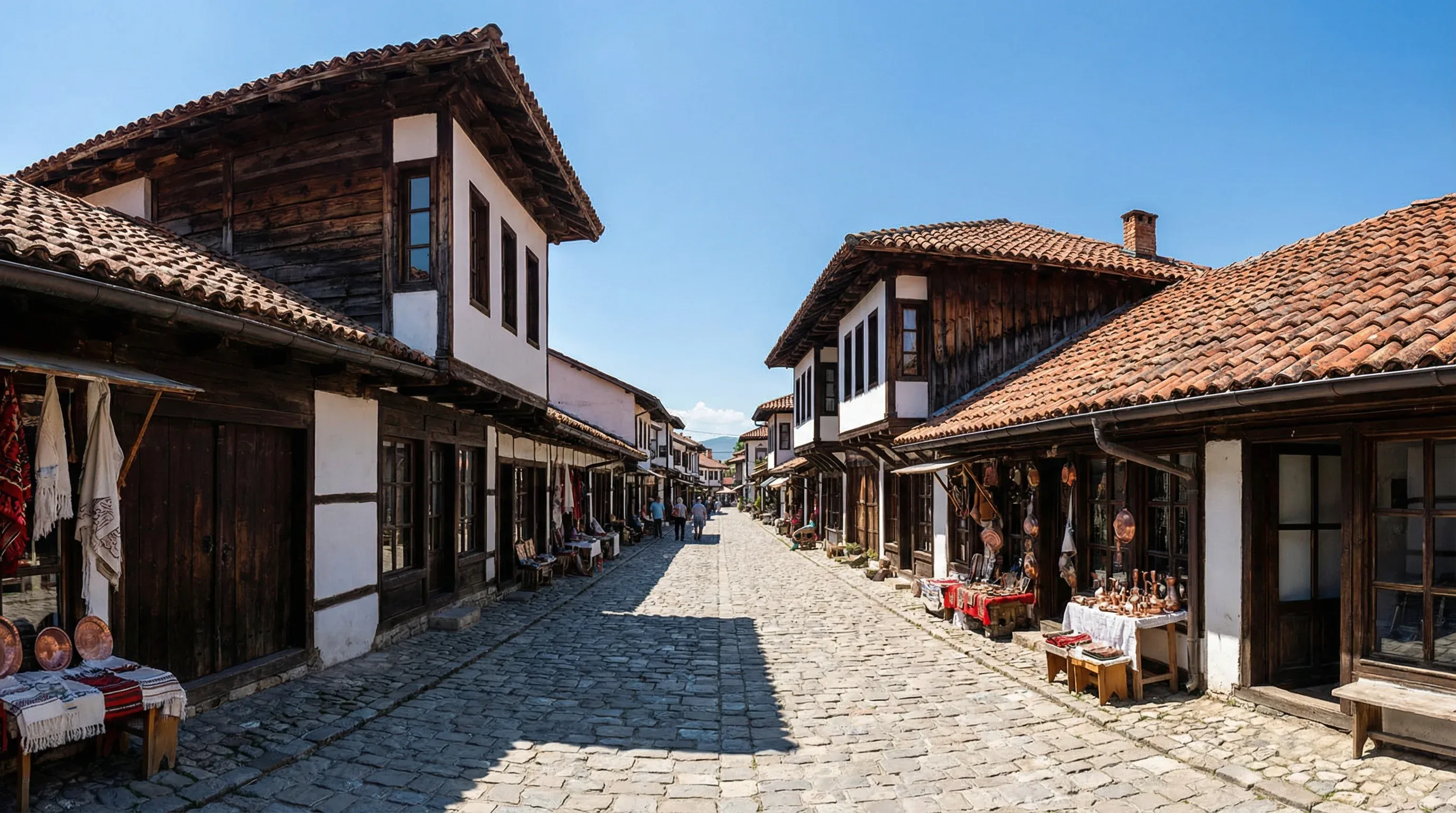
Gjakova (Gjakovë) and the western plains of the Dukagjini region represent the soulful, artistic side of Kosovo. For families, this area offers a relaxed pace compared to the capital, defined by flat, fertile landscapes that rise sharply into the mountains at the Albanian border. The atmosphere here is steeped in history; Gjakova itself was a major trading hub during the Ottoman era, and that legacy is palpable in the Çarshia e Madhe (Grand Bazaar). Unlike typical tourist traps, the bazaar here is a living, breathing community hub where woodworkers, tailors, and filigree artisans still practice centuries-old crafts in small wooden shops. Children are often fascinated by watching these artisans at work, making it an open-air classroom of culture.
Beyond the city limits, the region is home to some of the Balkans' most significant cultural sites. The geography is dominated by the abundance of water—rivers like the Erenik and Drin have shaped the land, creating green picnic spots that are popular with locals on weekends. The climate is continental but slightly milder due to the Mediterranean air currents coming through the mountain passes. Families visiting in late spring or early autumn will find perfect weather for exploring the outdoor heritage sites without the intense heat of high summer. The locals are exceptionally hospitable, often inviting families for tea or coffee, making it a welcoming environment for traveling with children.
Key Attractions
The absolute crown jewel of the region is the Visoki Dečani Monastery. Located in a chestnut grove just outside the town of Deçan, this UNESCO World Heritage Site is a marvel of medieval architecture. It is one of the few places in the Balkans that requires ID for entry (peacekeepers guard the site), which adds a layer of intrigue for older children. Inside, the walls are covered floor-to-ceiling in thousands of preserved frescoes that tell biblical stories like a graphic novel. The monks also produce their own cheese and honey, which makes for a delicious, locally-sourced souvenir.
Back in Gjakova city, the Grand Bazaar is an attraction in itself. Families can walk for hours exploring the intricate wooden architecture and visiting the Hadum Mosque (a masterpiece of acoustic engineering). For a break, a short hike or drive up Çabrati Hill offers panoramic views over the city and the surrounding plain—a perfect spot for a sunset picnic while the kids run around the open grassy areas.
Practical Advice
Spring (May–June) and Autumn (September–October) are the best times to visit. Summer can be hot in the plains, though evenings remain pleasant. The region is very stroller-friendly in the modern parts, but the cobblestones of the Old Bazaar can be bumpy—a carrier is better for infants. English is spoken by younger generations, but a few words of Albanian will be met with delight.
Food & Drink
Typical meal times: Lunch is the main event, usually eaten between 1:00 pm and 3:00 pm. Dinner is a lighter, social affair starting from 7:30 pm onwards.
Typical meal costs: Dining is incredibly affordable. A full family meal costs around €25–40 (approx. $27–43 USD / £21–34 GBP). Street food snacks cost €1–3 (approx. $1.10–3.25 USD / £0.85–2.55 GBP).
Dietary requirements: The region is famous for meat, but fresh salads and dairy are staples. Vegetarians can rely on stuffed peppers (without meat), cheeses, and bread. Gluten-free is harder to find in traditional menus; stick to grilled meats and salads.
Signature dishes:
- Flija – A labor-intensive dish consisting of multiple layers of crepe-like batter brushed with cream, baked under a metal lid covered in hot coals.
- Gjakova Sujuk – A spicy, fermented sausage specific to the region, often served grilled as a starter.
- Tave Kosi – Lamb baked in a yogurt and egg mixture, creating a quiche-like comfort dish that kids usually accept readily.
Why this score?
The region provides access to the Mirusha Waterfalls and the foothills of the Accursed Mountains, offering quality hiking and natural exploration. While less rugged than the deep Rugova Valley, the mix of canyon trails and river walks provides a solid outdoor experience for active families.
Why this score?
Medical facilities in Gjakova are basic and primarily serve the local population with limited specialized equipment. While emergency stabilization is available, international families would likely be transferred to Pristina for serious conditions or English-speaking specialized care.
Why this score?
Gjakova features a beautifully restored Ottoman bazaar and significant cultural history, yet it remains largely overlooked by the broader international market. Most visitors are members of the Kosovar diaspora or niche cultural travelers, resulting in very low global tourist density compared to European hotspots.

This region is one of the most affordable in Europe. A comfortable family guesthouse costs €35–55 (approx. $38–60 USD / £30–47 GBP) per night. Coffee is famously cheap, often €1 (approx. $1.10 USD / £0.85 GBP) or less. Entry to religious sites like <a data-attraction-id="34306">Visoki Dečani Monastery</a> is free, though donations are welcome.

Getting Here & Around
Getting Here
- Airports – Pristina International Airport (PRN) is the closest hub, approximately a 1-hour drive away.
- Bus – Frequent buses run from Pristina to Gjakova (every 20–30 minutes). The journey takes about 1.5 hours and is very cheap.
- Driving – Renting a car is the most convenient way for families. The M9 highway connects Pristina to the west; the road is generally good but can be busy with tractors and local traffic.
Getting Around
- Walking – The centre of Gjakova, particularly the Grand Bazaar area, is best explored on foot. Most sights are concentrated here.
- Taxi – Taxis are readily available and use meters or fixed prices. A ride across town rarely exceeds €3–4 (approx. $3.25–4.30 USD / £2.55–3.40 GBP).
- Car – Useful if you plan to visit Visoki Dečani Monastery or explore the wider countryside, as rural public transport is sparse.
No airports in this region. See the country flight map for nearby connections.

Packing List
Required for women entering Orthodox monasteries and some mosques.
Many bazaar artisans and small cafes do not accept cards.
The Grand Bazaar cobblestones are historic, uneven, and tough on thin soles.
Shoulders and knees should be covered for visiting religious heritage sites.
Power outages can still occur occasionally, especially in bad weather or rural areas.
Essential for visiting Orthodox monasteries like Visoki Dečani, which enforce strict dress codes.
Many small shops, bakeries, and rural cafes cannot break €50 notes and do not accept cards.
The scenic mountain roads to Rugova and Dragash are steep and very winding.
Public restrooms outside major hotels may lack toilet paper or soap.
It is customary to remove shoes when entering private homes and mosques; easy footwear helps.

Activities & Best Times

Hiking, wildlife, outdoor exploration, ecotourism
Home to the Accursed Mountains and Mirusha Waterfalls, the region offers rugged, authentic wilderness and high-altitude trekking. Peak summer months provide the safest and most accessible conditions for exploring remote canyons and the Gjeravica summit.

Urban tourism, museums, historical sites, architecture
Features the historic Grand Bazaar of Gjakova and the UNESCO-listed Visoki Dečani Monastery, representing a unique blend of Ottoman and Orthodox heritage. Late spring and early autumn offer ideal walking weather for exploring these heritage sites without the peak summer heat.

Scenic drives, countryside tours, route-based travel
Scenic routes through the White Drin Canyon and the Qafë Morinë pass provide spectacular Balkan vistas on generally well-maintained roads. Travel is best from late spring to early autumn to avoid hazardous winter driving conditions on mountain passes.

Sport tourism, fitness activities, active recreation
Offers established mountain trails and cycling circuits around Radoniqi Lake, supported by an emerging adventure park infrastructure. Activity is concentrated in the drier summer months when high-altitude trails like the Gjeravica route are clear of snow.

Spa retreats, wellness centers, peaceful getaways
The thermal baths at Banja e Pejës offer authentic restorative experiences, though facilities are more functional than luxury-oriented. Visitation is best during transitional months to avoid the discomfort of summer heat while enjoying the warmth of the springs.
Amusement parks, family entertainment venues
Regional water parks like Aquapark 1 Maji provide family entertainment but lack the scale or international standards of major global theme parks. These facilities are only operational during the height of the summer season.

Attractions (7 total)



Public Holidays & Calendar Next 12 months
Public holidays, festivals, cultural celebrations, and seasonal natural phenomena coming up in Gjakova & West over the next 12 months.
Loading holidays and events...

Travel Advisory
While most of Kosovo is safe for travel, most major agencies recommend increased vigilance due to persistent ethnic tensions and the risk of terrorism. Specific northern regions are under higher restrictions and should be avoided.
Safety Topics
Traveller Advice (3 groups)

While same-sex relationships are legal, they are not widely accepted in local society. It is advisable to avoid public displays of affection to prevent potential harassment or negative attention.
When hiking or exploring remote mountainous areas, stay strictly on marked trails. Unexploded landmines and ordnance from previous conflicts remain a hazard in some wilderness regions.

Ensure you have comprehensive travel insurance that includes medical evacuation. Avoid all demonstrations and large gatherings, particularly in Pristina and northern towns, as they can become volatile quickly.
Agency Summaries
Travellers should be more vigilant due to the threat of terrorism and regional ethnic tensions. Reconsider travel to northern areas, including Zubin Potok and Zvečan, where civil disturbances are more likely.
The UK government recommends avoiding all but essential travel to the municipalities of Zvečan, Zubin Potok, Leposavic, and parts of Mitrovica. These areas have seen recent violent incidents and heightened political friction.
Increased vigilance is suggested throughout the country due to potential for politically motivated violence. Visitors are urged to reconsider their need to travel to northern districts bordering Serbia.
Although the security situation is largely stable, recurring tensions in the north mean Irish citizens should avoid northern Mitrovica and surrounding municipalities. Monitor local news for sudden changes in the security environment.
New Zealanders should maintain a high degree of awareness due to the potential for civil unrest. Specifically, non-essential travel to northern Kosovo should be avoided because of the risk of ethnically motivated violence.
While general travel is permitted with standard safety awareness, the government maintains a regional warning advising against non-essential travel to northern municipalities like North Mitrovica and Leposavić due to civil unrest and ethnic tensions.
Information is provided for general guidance only and does not constitute travel, safety, medical, or legal advice. Conditions may change. Users are responsible for independently verifying information before travel.