
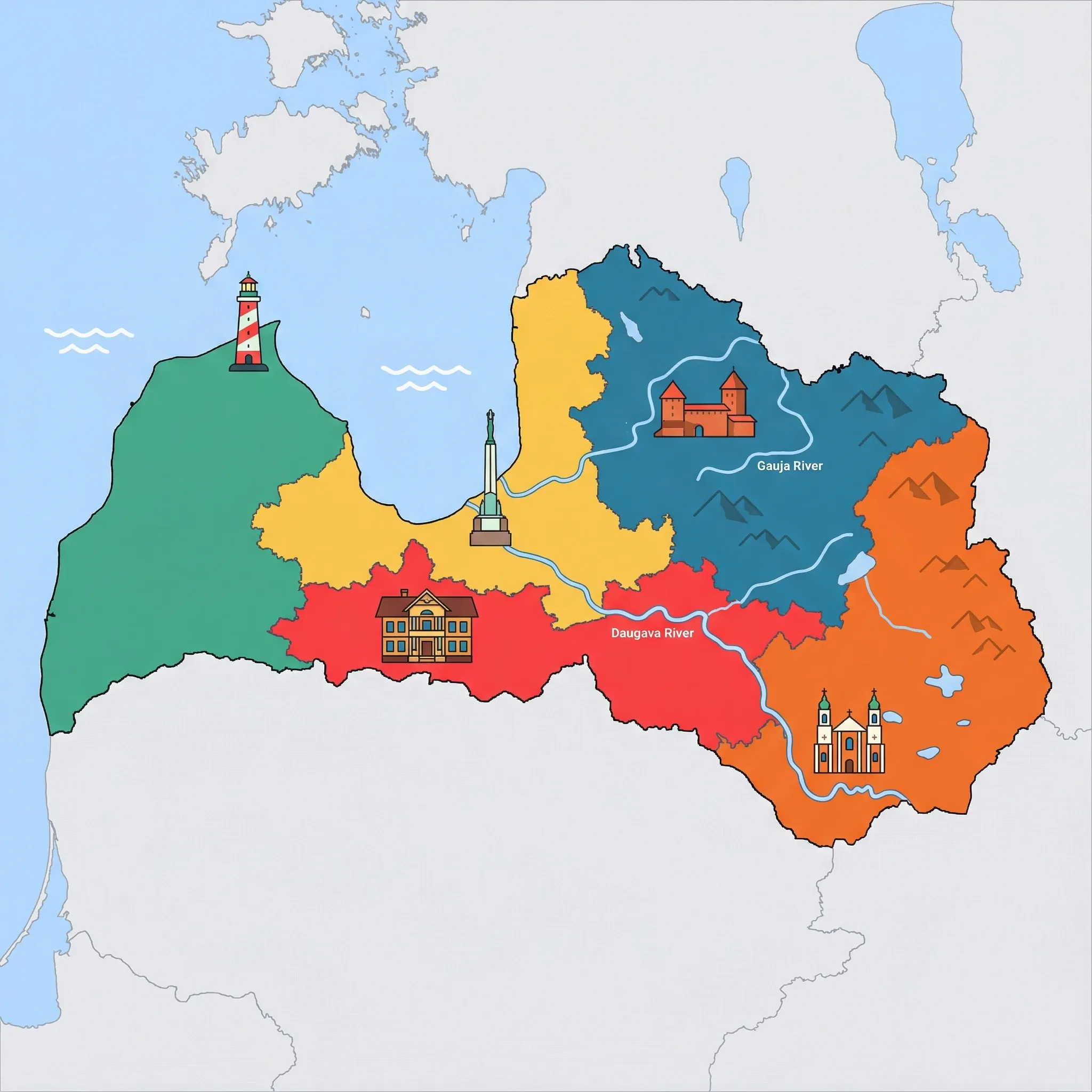
Click a region to explore
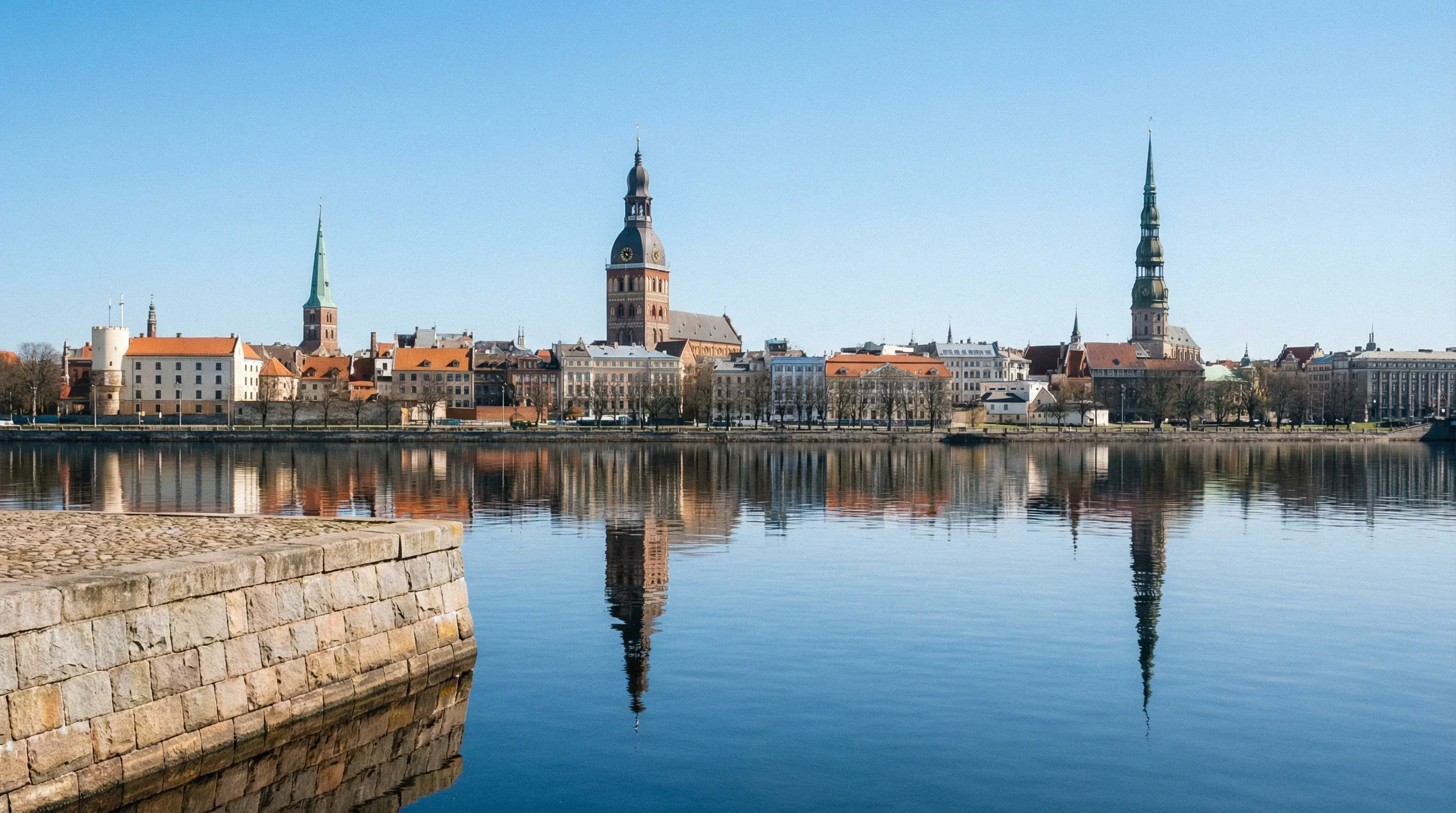
Riga is the cosmopolitan heart of the Baltics, a city that effortlessly blends centuries of history with a cool, modern vibe. For families, it is a manageable and safe European capital that can be explored largely on foot. The city is defined by its green spaces; a canal winds through the center surrounded by parks where you can feed ducks or ride a pedal boat, separating the medieval Old Town from the stunning Art Nouveau district. The skyline, dominated by church spires and the futuristic National Library, is striking, yet the city feels intimate and welcoming.
The Old Town (Vecrīga) is a pedestrian paradise (though bumpy with stroller wheels!) where every corner reveals a new curiosity, from golden roosters atop church spires to cat statues on roofs. But Riga is more than just history. The city has embraced family living with excellent playgrounds, interactive museums, and huge recreational areas like Mežaparks, a forest-park within the city limits. Here, urban life meets nature, offering rollerblading paths, adventure zones, and the city's zoo. Whether you are exploring the bustling Central Market housed in old Zeppelin hangars or watching street performers in the squares, Riga offers a sensory richness that captivates children without overwhelming them.
Key Attractions
Start your journey in the Old Town at the St. Peter's Church. Taking the elevator to the tower offers a breathtaking 360-degree view of the red roofs and river—a great way to orient the kids. Nearby, the House of the Blackheads is dazzlingly ornate and offers a glimpse into the lives of medieval merchants. For a day of pure fun, head to Mežaparks. This vast park is home to the Riga National Zoo, which is beautifully integrated into the pine forest and features a tropical house that is a hit with kids.
If it rains, Riga has world-class indoor options. The Rīga Motor Museum is one of the best in Europe, featuring interactive displays and vintage cars that will fascinate even non-petrolheads. For curious minds, the Latvian National Museum of Natural History offers engaging exhibits on local wildlife and geology. Just outside the city center, the Latvian Ethnographic Open-Air Museum allows families to walk into historic farmsteads and see how Latvians lived centuries ago—plenty of space to run around!
Practical Advice
Best time to visit: May to September for parks and outdoor events. December is magical with one of the best Christmas markets in Europe.
Family logistics: Trams are the best way to move around with kids—they are often spacious and offer great views. Old Town cobblestones are very uneven; a carrier is better than a stroller for that specific district.
Food & Drink
Typical meal times: Lunch 12:00 pm to 2:00 pm (look for "Biznesa pusdienas" - business lunch deals). Dinner 6:00 pm to 9:00 pm.
Typical meal costs: Mid-range. A family dinner in a nice restaurant costs €60–90 (approx. $65–97 USD / £51–77 GBP). Lido recreation centers offer cheaper, high-quality buffet food perfect for families (€30–40 for four).
Dietary requirements: excellent. Riga is very vegan-friendly and allergy-aware. Most menus have English translations and allergen markers.
Signature dishes:
- Pelēkie zirņi ar speķi – Grey peas with bacon and onions. A true Latvian staple, filling and savory.
- Rupjmaize – Dark rye bread, often served as a starter with garlic butter or used in desserts (bread soup).
- Kvass – A fermented bread drink (non-alcoholic or very low alcohol) that is a local alternative to soda.
Why this score?
As a largely flat, urban environment, Riga offers very little in the way of rugged adventure. Outdoor activities are limited to manicured city parks like Mežaparks and gentle river-based recreation on the Daugava, which are designed for leisure rather than physical challenge.
Why this score?
Riga is the national center for healthcare, home to the country's best university hospitals and private clinics with many English-speaking doctors. It offers the highest standard of care in Latvia and is the most reliable region for international insurance acceptance and specialized treatment.
Why this score?
Riga is the primary gateway to Latvia and the most visited city in the Baltic States, drawing nearly all of the country's international arrivals. Its UNESCO-listed Old Town and world-class Art Nouveau architecture make it a recognized European city-break destination, though it lacks the mega-destination volume of Western European capitals.

Riga is the most expensive part of Latvia but remains affordable compared to Western Europe. A family hotel room in the center costs €80–150 (approx. $86–162 USD / £68–128 GBP). Public transport tickets are €1.50 per ride. Eating at the famous 'Lido' chain is a budget-saver, where a full tray of food costs around €8–12 (approx. $8.50–13 USD / £7–10 GBP) per person.
Family Travel Notice
Parents should be aware of international parental child abduction laws and ensure they have appropriate documentation when travelling with minors.

Getting Here & Around
Getting Here
- Airports – Riga International Airport (RIX) is the main Baltic hub, just 20 minutes from the center. Bus 22 connects the airport to the Old Town cheaply and frequently.
- Train – Central Station is a hub for trains from all Latvian regions and neighboring Estonia (Valga).
- Ferry – Tallink ferries connect Riga with Stockholm, docking comfortably close to the Old Town.
Getting Around
- Public Transport – Excellent network of trams, trolleybuses, and buses. Children under 7 travel free. The e-ticket system is easy to use.
- Tram – Tram line 11 is the "Zoo line," connecting the center to Mežaparks and the Riga National Zoo.
- Walking – The Old Town and Art Nouveau district are best explored on foot, though mind the cobblestones.
Nearby Airports (1 airport)
Riga International Airport
RIXRiga
View full flight map for Latvia →
Official Links

Packing List
Crucial for safety and legally required for pedestrians in unlit areas at night/dusk.
Old Town cobblestones are notorious; thin soles or heels will be painful and difficult.
Much easier than a stroller for navigating the steps and cobbles of the Old Town.
Useful for covering shoulders when visiting active churches like the Cathedral.
Legally required for pedestrians in unlit areas at night; locals wear them on coats and bags for safety.
Forests and tall grass are common tick habitats; having a removal tool is a smart safety precaution.
Summer days are very long with twilight lasting until midnight, making it hard for children to sleep.
Foraging is a national pastime in summer/autumn; you will want a container to collect wild blueberries.

Activities & Best Times

Hiking, wildlife, outdoor exploration, ecotourism
Extensive forest and coastal trail networks like the Jūrtaka and Mežtaka provide authentic wilderness exploration within and around the city limits. The summer months offer the best accessibility and daylight for these natural experiences, whereas the long Baltic winter renders many trails difficult for family navigation.

Urban tourism, museums, historical sites, architecture
Riga features a UNESCO-listed medieval core and the world's highest concentration of Art Nouveau architecture, providing a sophisticated urban experience for discerning families. Peak travel occurs during the mild summer months and the festive December season, while the damp late autumn and early spring offer less favorable walking conditions.

Beach resorts, marine activities: diving, snorkelling, kite surfing, wind surfing, sailing
Wide, white-sand Baltic beaches such as Vecāķi and Vakarbuļļi offer clean and spacious coastal recreation within easy reach of the city. The swimming season is strictly limited to the height of summer when water temperatures reach acceptable levels for international visitors.

Learning experiences, scientific sites, historical education
With high-quality institutions like the Rīga Motor Museum and the Latvian National Museum of Natural History, the city offers substantive learning experiences for families. These indoor facilities are best visited during peak tourism windows or the milder shoulder seasons, avoiding the darkest and coldest winter months.

Scenic drives, countryside tours, route-based travel
As a central hub, Riga provides access to several named scenic routes including the Baltic Coastal Road and the heritage loop to Gauja National Park. These drives are most enjoyable during the long days of summer when the rural landscape is most vibrant and road conditions are optimal.

Sport tourism, fitness activities, active recreation
Purpose-built infrastructure like the Mežakaķis adventure park and designated coastal cycling routes support active family holidays. Activity is concentrated in the summer when weather conditions are reliable, with late spring and early autumn serving as acceptable transitional periods for active travelers.
Amusement parks, family entertainment venues
The region hosts Līvu Akvaparks, a major Northern European water park, and the Lido Leisure Centre, which offers a unique blend of Latvian culture and family entertainment. Summer provides optimal conditions for outdoor activities, while the festive atmosphere of December maintains appeal for the region's main amusement hubs.

Winter sports, ski resorts, snow activities
Small-scale urban winter sports facilities like Riekstukalns offer convenient but basic skiing and snowboarding for families already in the city. The season is short and dependent on deep winter temperatures, making it a secondary activity rather than a primary winter sports destination.

Attractions (26 total)



Public Holidays & Calendar Next 12 months
Public holidays, festivals, cultural celebrations, and seasonal natural phenomena coming up in Riga over the next 12 months.
Loading holidays and events...

Travel Advisory
All major travel agencies maintain the lowest risk rating for Latvia, citing a stable security situation and low crime levels. Standard travel awareness is sufficient for most visitors.
Safety Topics
Traveller Advice (5 groups)

Ensure you carry a valid form of identification at all times. Be aware of the strict laws regarding public alcohol consumption and drug possession. Secure your personal belongings in busy tourist areas like Old Riga and central markets.
Access to public transport and historic buildings, particularly in the cobblestoned areas of Old Riga, may be limited for those with mobility challenges.
Parents should be aware of international parental child abduction laws and ensure they have appropriate documentation when travelling with minors.

While same-sex relations are legal, social attitudes can be conservative outside of major urban centers like Riga. Public displays of affection may attract unwanted attention.

Standard safety precautions for solo female travellers are recommended, particularly when walking in unlit areas or late at night.
Agency Summaries
Latvia is a safe destination with a stable security environment. Visitors are encouraged to secure their belongings and carry identification at all times.
No major security concerns are reported. Travellers should ensure they have comprehensive insurance and remain aware of standard safety risks common to European cities.
Latvia is generally safe for visitors, but standard safety measures are advised. Travellers should remain vigilant in crowded areas and follow local regulations regarding identification and road safety.
Most visits are trouble-free, though tourists should be aware of petty crime in Riga. Significant restrictions apply near the Belarus border, where certain crossings are closed and access is limited.
Travellers should be mindful of petty theft in major transit hubs and avoid leaving drinks unattended. Heightened security measures may be in place near the eastern land borders.
The country is categorized as a low-risk destination. Visitors should follow basic security protocols and maintain awareness of their surroundings in urban tourist centers.
Information is provided for general guidance only and does not constitute travel, safety, medical, or legal advice. Conditions may change. Users are responsible for independently verifying information before travel.