
Byblos & North Coast
Ancient harbors, fossil museums, and sunny beaches ⛵🏺
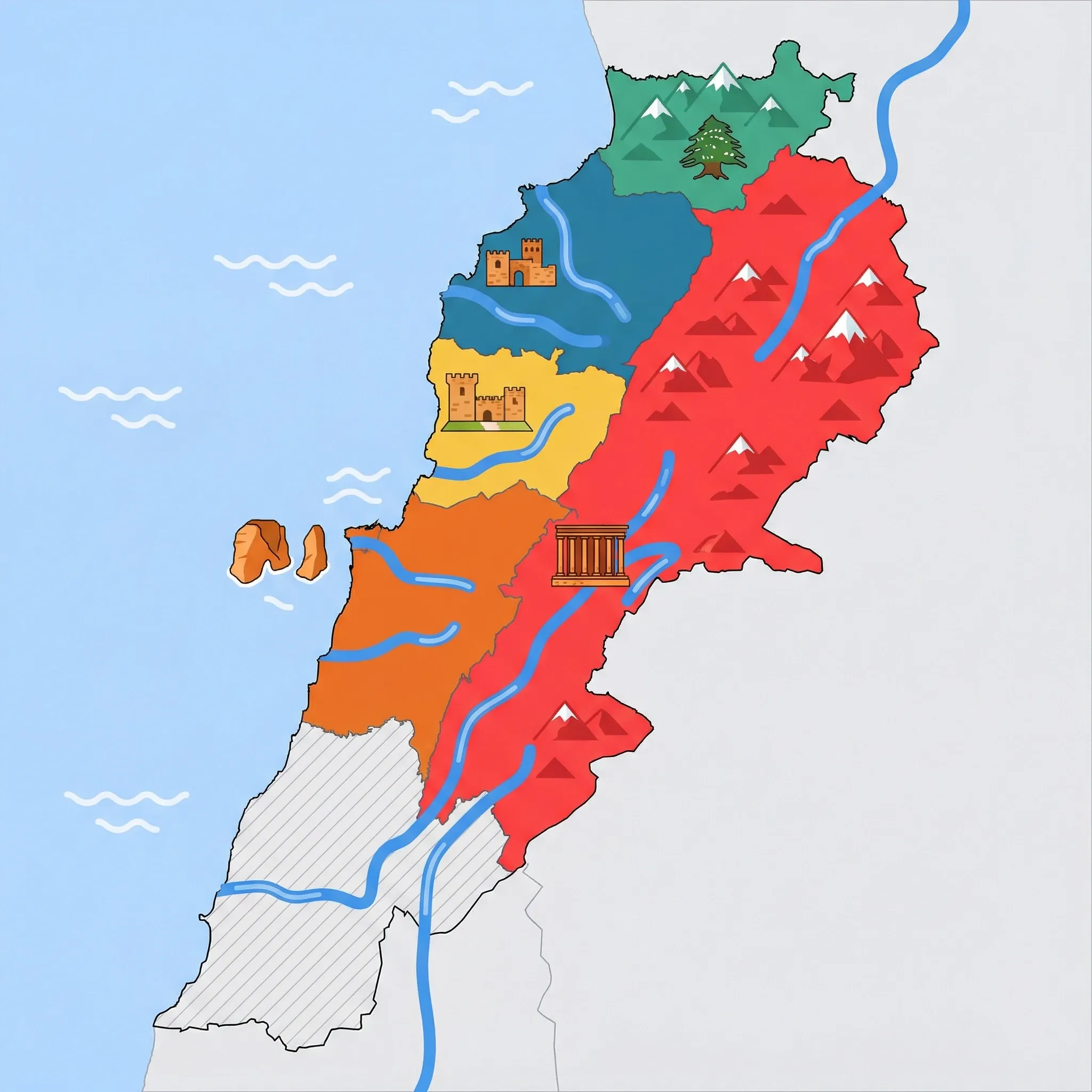
Click a region to explore
The North Coast, centered around Byblos (Jbeil), is widely considered the most family-friendly and accessible tourism region in Lebanon. Unlike the chaotic energy of Beirut, Byblos moves at a vacationer's pace. It is one of the oldest continuously inhabited cities in the world, yet today it feels like a charming Mediterranean resort town. The region is defined by its connection to the sea—ancient harbors filled with fishing boats, pebbly beaches with crystal-clear water, and coastal roads lined with palm trees. It is a place where history is approachable; the ruins are right in the middle of the town, not isolated in a remote field, meaning you can explore a Crusader castle and then be eating ice cream in the souk five minutes later.
For families, this region offers a "soft landing" into the Middle East. The Old Souks of Byblos are pedestrianized, safe, and beautifully restored, resembling a medieval European village with an Oriental twist. It is stroller-friendly and packed with shops selling fossils—a major hit with children. The region is famous for its fish fossils, and several small museums and shops allow kids to see (and sometimes buy) 100-million-year-old imprints of shrimp and fish found in the local mountains. Beyond history, the town of Batroun offers excellent beach clubs and lemonade stands, making it easy to split the day between culture and swimming.
Key Attractions
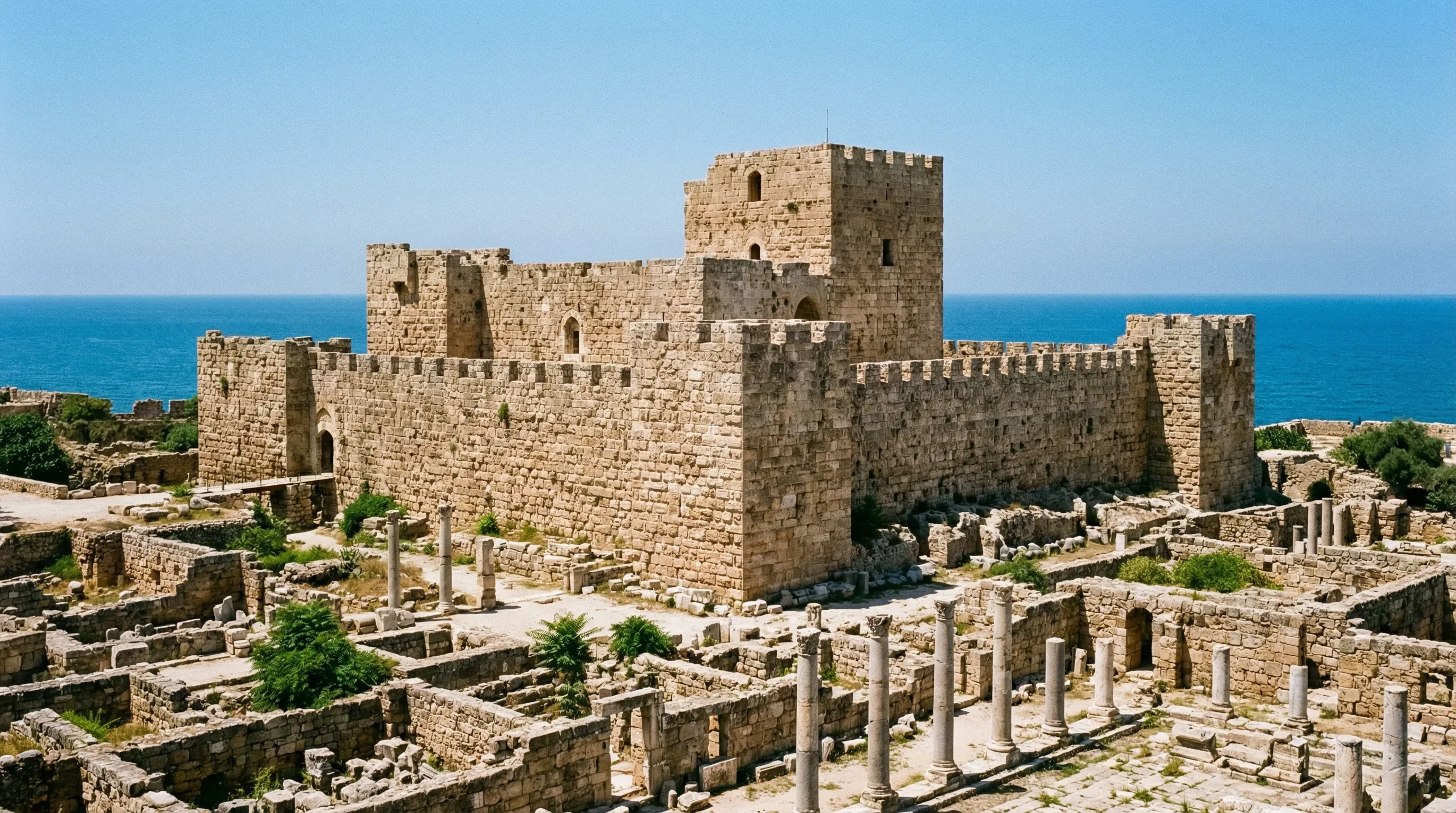
The anchor of any visit is the Byblos Archaeological Site. This UNESCO site is a layer cake of history, featuring Neolithic huts, Phoenician temples, and Roman theaters. It sounds intense, but the site is effectively a large, open park on a cliff overlooking the sea. Kids love clambering over the low walls and running through the wildflowers. Standing guard over the site is Byblos Castle, a Crusader fortress with thick walls, arrow slits, and a moat. It is small enough to explore fully in 45 minutes without tiring little legs, and the view from the top tower offers the best photo opportunity in the region.
For a cultural fix, the Nabu Museum in Chekka offers a striking modern contrast. Located right on the sea, this small museum houses archaeological artifacts and modern art. It is visually stimulating and manageable in size. If you are looking for nature, you can take a boat trip towards the Palm Islands Nature Reserve (accessible from Tripoli but visible from the coast), or simply enjoy the public beaches in Batroun where the water is cleaner than in Beirut.
Practical Advice
Best time to visit: Late spring to early Autumn. Byblos is magical on warm summer evenings. The Byblos Archaeological Site has little shade, so visit early morning or late afternoon in July/August.
Logistics: This area is well-connected and feels safer than other regions. It is the best base for families who want to avoid staying in busy Beirut.
Food & Drink
Typical meal times: Lunch 12:30 pm to 3:00 pm. Dinner is lively, with restaurants in the old souk filling up from 8:00 pm onwards.
Typical meal costs: Tourist-oriented but fair. A seafood dinner for four costs LBP 5,400,000–8,100,000 (approx. $60–90 USD / €55–83 EUR). Casual sandwiches are cheap.
Dietary requirements: Seafood is the specialty here. Ask for "Samke Harra" (spicy fish) or simply grilled fish. Vegetarian mezze is standard everywhere.
Signature dishes:
- Fresh Almonds (in season) – In spring, vendors sell green, fuzzy fresh almonds on the roadside, eaten dipped in salt. A crunchy, sour local snack.
- Batroun Lemonade – The town of Batroun is famous for its lemonade, which is served icy cold and often infused with rose water or mint.
- Samke Harra – A spicy fish dish usually cooked with tahini, coriander, walnut, and chili sauce.
Why this score?
The region is largely developed with a focus on coastal leisure, seaside dining, and historical walking tours. While children might enjoy climbing the Byblos Castle or hunting for fossils, the environment is safe and managed rather than rugged. The 'adventure' here is limited to mild coastal activities and exploring well-trodden archaeological paths.
Why this score?
The North Coast is served by several reputable private clinics and hospitals in Jbeil and Batroun that can handle common tourist ailments and minor injuries. Its geographical proximity to Beirut (less than an hour away) ensures that high-level emergency care is reachable if necessary. However, the facilities do not match the scale or specialized English-speaking support of the major Beirut teaching hospitals.
Why this score?
Byblos is one of Lebanon's most iconic and visited heritage sites, famous for its ancient harbor and Crusader castle. The North Coast, particularly Batroun, has seen a surge in popularity as a trendy beach and nightlife destination for both domestic and international tourists. Its accessibility and high concentration of well-preserved Phoenician history make it a secondary hub for the country’s tourism industry.

Byblos is a tourist hub, so prices in the souk are higher than in rural areas. However, it offers good value. Boutique guesthouses cost LBP 9,000,000–13,500,000 (approx. $100–150 USD / €92–138 EUR). Beach entrance fees in Batroun can be pricey, ranging from $10 to $25 USD per person.

Getting Here & Around
Getting Here
- Driving – The coastal highway connects Beirut to Byblos in about 45–60 minutes (traffic dependent). It is a straightforward drive.
- Bus – The "Connexion" or generic buses run from Beirut's Charles Helou station to Byblos/Tripoli. They are cheap but can be chaotic for families with luggage.
Getting Around
- Walking – The old city of Byblos, the Byblos Castle, and the souks are entirely pedestrian and best explored on foot.
- Golf Cart/Tuk-Tuk – In Batroun and Byblos, small tuk-tuks or golf carts are often available for short hops between the beach and the parking areas.
- Car – Essential if you want to move between Byblos, Batroun, and the Nabu Museum freely.
Nearby Airports (1 airport)
Beirut International Airport
BEYBeirut
View full flight map for Lebanon →
Official Links

Packing List
Most beaches in Byblos and Batroun are pebbly or rocky, not sandy.
The water is clear and rocky, great for spotting small fish near the shore.
Coastal humidity brings mosquitoes in the evenings, especially near outdoor dining.
The ruins have zero shade; sun protection is critical for kids.
Old, torn, or marked bills are often rejected. Bring new, crisp $10 and $20 notes for daily spending.
Daily electricity cuts are common; keep phones and devices charged when the grid goes down.
Streetlights are rare and stairwells in buildings may be dark during power outages.
Specific prescription drugs and some over-the-counter meds can be in short supply.

Activities & Best Times

Urban tourism, museums, historical sites, architecture
Byblos is a world-class UNESCO heritage site and one of the oldest continuously inhabited cities globally, offering a sophisticated mix of archaeological ruins, historic souks, and high-end museums like Nabu. The experience is optimal during spring and autumn when the weather is ideal for exploring outdoor historical sites.

Hiking, wildlife, outdoor exploration, ecotourism
With 13 attractions including the Palm Islands Nature Reserve and Ras el Chekka coastal path, the region offers diverse and authentic Mediterranean ecosystems. Peak seasons provide manageable temperatures for hiking and birdwatching, while the humid summer heat and wet winter months are less favorable.

Sport tourism, fitness activities, active recreation
The region features high-quality infrastructure for active families, including the Mseilha Walkway for cycling and organized adventure parks. Conditions are best in the transitional months, avoiding the peak summer humidity and winter storm cycles that limit outdoor sporting activities.

Beach resorts, marine activities: diving, snorkelling, kite surfing, wind surfing, sailing
The coastline features sophisticated beach clubs and unique coastal spots like Tahet el Rih, offering a distinctive 'Little Greece' vibe. International tourists peak during the hot summer months when sea temperatures and visibility are highest, though coastal activities cease during the rainy winter.

Scenic drives, countryside tours, route-based travel
The Old Coastal Road and mountain routes to Douma provide authentic and scenic driving experiences with world-class views. Clear visibility and lush landscapes make spring and autumn the prime periods for touring, while winter rains can make coastal roads less scenic and more hazardous.

Learning experiences, scientific sites, historical education
The 'Memory of Time' fossil museum offers a unique, internationally significant look at prehistoric marine life. While it is a niche interest, it complements the broader cultural heritage of Byblos, with peak visitation following the general tourist seasons.

Events, celebrations, seasonal attractions
The Byblos and Batroun International Festivals are major cultural events that draw global talent to stunning historic venues. These events are strictly seasonal, concentrated in the peak summer months, making the region a specific destination for festival-goers during this brief window.

Amusement parks, family entertainment venues
Small-scale water parks like Splash offer regional entertainment for families but are not stand-alone international draws. These facilities are only operational and enjoyable during the hot summer season.




Public Holidays & Calendar Next 12 months
Public holidays, festivals, cultural celebrations, and seasonal natural phenomena coming up in Byblos & North Coast over the next 12 months.
Loading holidays and events...

Travel Advisory
All major international agencies have reached a consensus that Lebanon is currently too dangerous for travel. This assessment is driven by active military conflict, high terrorism threats, and a volatile security situation that can worsen instantly. Immediate departure is recommended for all foreign nationals.
Safety Topics
Traveller Advice (4 groups)

Same-sex relationships lack legal protection and may face societal hostility; discretion is advised regarding public behavior and expressions of identity.

Personnel working for non-governmental organizations face an elevated risk of being targeted for kidnapping or caught in cross-border violence near refugee settlements and border zones.

It is recommended to dress conservatively and respect local cultural norms to minimize the risk of harassment or unwanted attention in public areas.

Visitors should maintain a high level of situational awareness, keep a low profile, and ensure they have a stock of essential supplies like food, water, and medicine for sheltering in place if movement becomes impossible.
Agency Summaries
Extreme caution is advised as the nation faces multiple severe threats including active armed conflict, terrorism, and widespread civil unrest. The U.S. government has ordered the departure of non-emergency personnel and has severely limited ability to provide emergency assistance to its citizens on the ground.
Ireland maintains its highest level of travel warning for the entire country. The current political and security environment is highly volatile with a significant risk of escalation. Citizens are advised that consular services are extremely constrained during this crisis.
Safety cannot be guaranteed due to intensified conflict between regional actors involving heavy military strikes. Travel to southern Lebanon and the border with Syria is strictly discouraged, while all non-essential travel to the rest of the country should be canceled. British nationals should prepare personal emergency plans.
The security landscape is extremely hazardous and unstable due to ongoing military actions and cross-border hostilities. Air raids and shelling are frequent, particularly in southern regions and Beirut's suburbs, posing a direct threat to life. Visitors are strongly urged to leave immediately while commercial transportation is still available.
A critical warning has been issued due to a sharp deterioration in regional security. Threats include armed conflict, kidnapping, and the risk of terrorist attacks. Essential services and transport infrastructure, including the main international airport, are at high risk of sudden closure or disruption.
There is an extreme risk to personal safety throughout the country. Explosions, airstrikes, and military operations occur with little to no notice. All travel plans should be abandoned, and individuals currently in the region should prioritize safe departure immediately.
Information is provided for general guidance only and does not constitute travel, safety, medical, or legal advice. Conditions may change. Users are responsible for independently verifying information before travel.