

Overview
Lesotho is a geographical wonder-the only country in the world situated entirely above 1,000 metres (3,281 ft). For families, this "Kingdom in the Sky" offers a refreshing escape into a world of dramatic peaks, cascading waterfalls, and traditional Basotho culture. Unlike traditional safari destinations, Lesotho focuses on mountain adventures, fresh air, and a slower pace of life. Children will be fascinated by the sight of locals wrapped in iconic wool blankets riding sure-footed ponies, a mode of transport that remains essential in the highlands.
The country is an enclave surrounded by South Africa, making it an easy addition to a broader Southern African road trip. Its high altitude ensures a malaria-free environment, which is a significant plus for travelling with young children. While the capital, Maseru, is busy, the true magic lies in the rural highlands where families can stay in traditional rondavels, explore ancient rock art sites, and discover real dinosaur footprints embedded in the sandstone. The climate is distinct, with crisp, clear days and the novelty of winter snow, allowing for skiing and snowboarding-a rare treat on the African continent.
Key Attractions
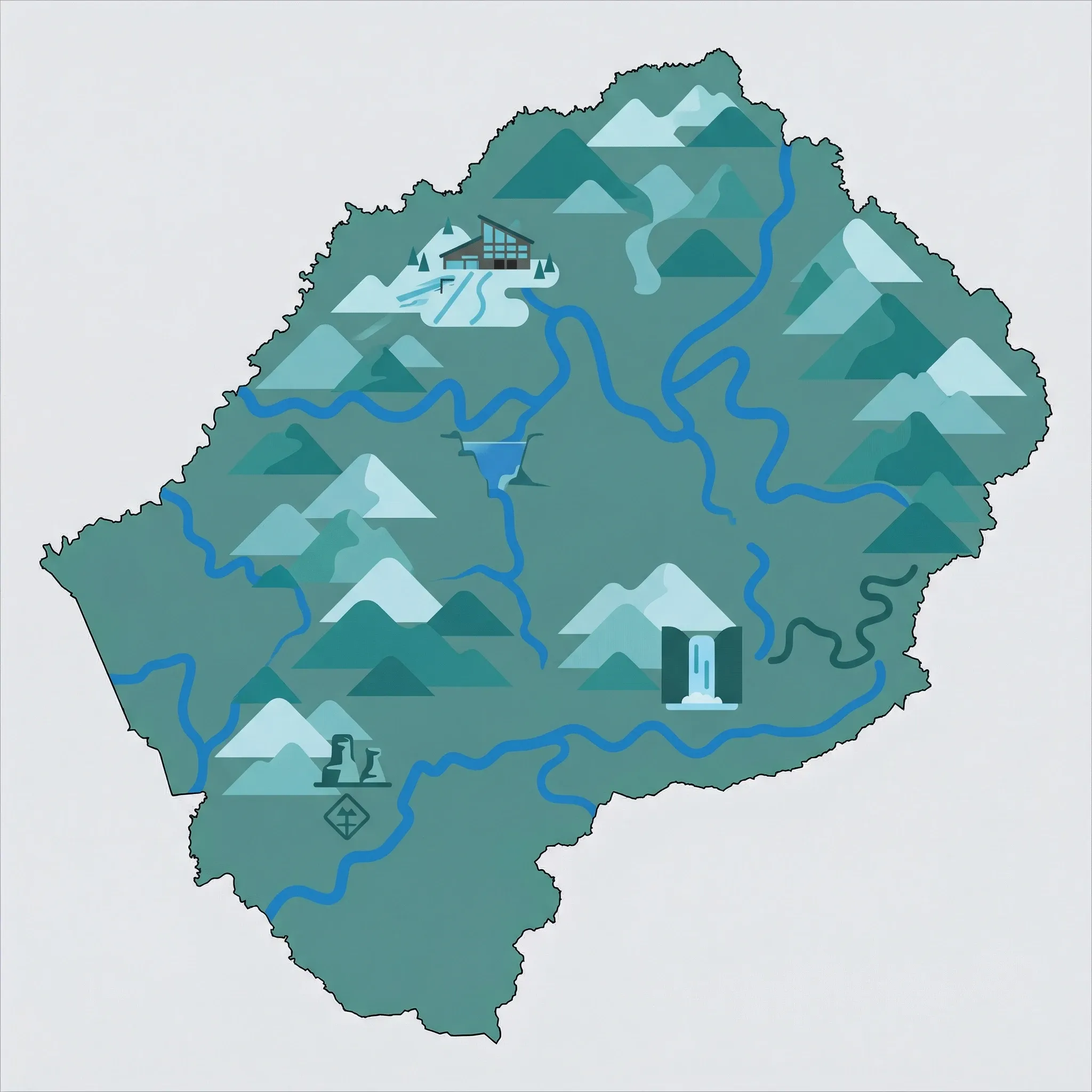
A family trip to Lesotho is defined by its spectacular natural features. The Katse Dam is a marvel of engineering that will impress older children with its sheer scale; guided tours take you into the dam wall itself, and the surrounding reservoir is beautiful for boating. For a mix of thrill and scenery, the Maletsunyane Falls in Semonkong is unmissable. It is one of the highest single-drop waterfalls in Africa, and while brave teens might attempt the world-record abseil, the viewpoint alone is breathtaking for the whole family.
Adventure continues at Afriski Mountain Resort, which is a fantastic family hub. In winter (June–August), it offers skiing and snowboarding lessons for kids; in summer, it transforms into an adventure park with mountain biking and monster rollers. Nature-loving families should head to Ts'ehlanyane National Park, which offers accessible hiking trails through indigenous forests and crystal-clear swimming pools. Further afield, Sehlabathebe National Park provides a remote, otherworldly landscape of rock formations and pools that feels like a natural playground.
History comes alive at the Thaba-Bosiu Plateau, the cultural fortress where the Basotho nation was founded. It is a place of great storytelling and national pride. Finally, no trip is complete without traversing the legendary Sani Pass. While the drive requires a 4x4 and nerves of steel, the views are unparalleled, and reaching the "highest pub in Africa" at the top is a fun milestone for a family lunch.
Practical Advice
Best time to visit: The shoulder seasons (March–May and September–November) offer pleasant weather. Winter (June–August) is very cold but essential for snow sports. Summer (December–February) is warm but wet, with frequent thunderstorms. Logistics: Renting a 4x4 vehicle is highly recommended for family safety and comfort, as many highland roads are rough gravel. Ensure your car hire company permits cross-border travel from South Africa. Health: The high altitude can affect children; stay hydrated and take it easy for the first day. Sun protection is vital due to the thin air and high UV index.
Safety
While rural Lesotho is generally peaceful, visitors should exercise increased caution (Level 2). Avoid walking alone in Maseru, especially at night. When driving, keep doors locked and windows closed, particularly at intersections. Livestock on roads is a major hazard, so strictly avoid night driving. Always carry a charged phone and emergency numbers.
Food & Drink
Typical meal times: Breakfast is usually 7:00 am to 9:00 am. Lunch is served from 12:30 pm to 2:00 pm, and dinner typically runs from 6:30 pm to 8:30 pm.
Typical meal costs: LSL 80–150 (approx. $4.50–8.50 USD / €4.20–7.90 EUR) for a main meal in a lodge or restaurant. Local street snacks cost significantly less.
Dietary requirements: Vegetarian options are readily available as local staples are plant-based (greens, maize, beans). Gluten-free travellers can rely on maize-based papa but should check sauces. Formal allergy labelling is rare, so communicate needs clearly.
Family-friendly dining: Most lodges and guesthouses are very accommodating to children, often offering simple grilled meats and chips if traditional food isn't preferred. Highchairs may be scarce outside major hotels.
Signature dishes:
- Papa – A stiff, white maize porridge that is the staple of every meal. It has a mild flavour similar to polenta and is very filling for active kids.
- Moroho – Leafy green vegetables (often spinach or wild greens) sautéed with onions and spices, traditionally served with papa.
- Makoenya – Traditional deep-fried fat cakes (doughnuts) that are slightly sweet and adored by children as a snack or breakfast treat.
- Maluti Trout – Fresh freshwater trout caught in the highland rivers, often served grilled or pan-fried at lodges.
- Oxtail Stew – A rich, slow-cooked meat stew with vegetables, perfect for warming up on a cold mountain evening.

Lesotho is an affordable destination, though vehicle rental increases the overall budget. A family of four can expect to spend around LSL 2,500–3,800 (approx. $140–210 USD / €130–200 EUR) per day. This covers a 4x4 rental, mid-range lodge accommodation, fuel, and hearty local meals. Activities like pony trekking are very reasonably priced compared to similar experiences elsewhere.
Age Suitability


Did you know? Lesotho welcomes approximately 320,000 international visitors per year. Most visitors come from Africa.
Why this score?
As the 'Kingdom in the Sky,' Lesotho offers high-altitude terrain with the entire country situated above 1,400 meters, providing a rugged environment for pony trekking and 4x4 expeditions. The challenging Maloti Mountains and the steep, unpaved hairpins of the Sani Pass represent significant adventure for families seeking remote wilderness experiences.
Why this score?
Medical facilities in Lesotho are very limited, with basic services concentrated in Maseru and extremely sparse coverage in rural mountain areas. For any serious illness or injury, international travelers typically require emergency medical evacuation to more advanced hospitals in neighboring South African cities like Bloemfontein or Johannesburg.
Why this score?
With approximately 320,000 annual arrivals and limited hotel capacity, Lesotho remains a niche destination primarily visited by regional travelers from South Africa and adventurous international backpackers. While attractions like the Sani Pass and Maletsunyane Falls are iconic, the country lacks the mass infrastructure and global visitor volume of major tourist hubs.
Lesotho is very affordable for international travelers. The currency (Loti) is pegged 1:1 with the South African Rand (ZAR), and ZAR is accepted everywhere. A night in a family lodge costs 900–1,800 LSL (approx. $48–96 USD / €45–90 EUR). Pony trekking activities usually cost 300–500 LSL (approx. $16–27 USD / €15–25 EUR) per person.

Getting There & Around
Getting There
- By Air – Moshoeshoe I International Airport (MSU) near Maseru receives daily flights from Johannesburg (JNB). It is a small airport with quick processing times.
- By Land – Most families enter by driving from South Africa. The Maseru Bridge and Ficksburg borders are the busiest. The Sani Pass entry requires a 4x4 vehicle.
- Entry Requirements – Visitors generally receive 14 to 90 days visa-free depending on nationality. Check your government website for the latest visa requirements, or use the IATA Travel Centre entry-requirements checker.
Getting Around
- Car Hire – A 4x4 vehicle is essential for exploring Lesotho beyond the main sealed roads. High clearance is needed for attractions like Sani Pass and rural access. Driving is on the left.
- Pony Trekking – A unique and traditional way to travel between remote villages. 'Basotho ponies' are sure-footed and gentle, making them perfect for children.
- Taxis – Minibus taxis connect towns but are often overcrowded and driven erratically. They are not recommended for families with luggage and small children.
Official Links

Packing List
The high altitude and thin air cause rapid sunburn and chapped lips, even on cloudy days.
Altitude sickness and dehydration are genuine risks for kids above 2,500m; these help recovery.
Temperatures drop drastically at night in the mountains, regardless of the season.
Card machines are unreliable in remote highland lodges and petrol stations.
Mountain roads are extremely winding and can be challenging for children in the back seat.

Activities & Best Times

Adventure & Nature
Very GoodHiking, wildlife, outdoor exploration, ecotourism
Lesotho offers unique high-altitude wilderness and authentic pony trekking through the Maloti Mountains. Peak months provide clear skies and mild temperatures ideal for families, whereas the bitter alpine winter (June-August) poses significant safety challenges in remote areas.

City & Cultural
Very GoodUrban tourism, museums, historical sites, architecture
Rich in Basotho heritage, sites like the Thaba-Bosiu plateau and Ha Kome cave dwellings provide an authentic historical experience. Travel is most comfortable in the dry seasons; sub-zero winter temperatures and heavy summer rains make outdoor cultural exploration difficult for international families.

Sports & Active
Very GoodSport tourism, fitness activities, active recreation
A hub for high-altitude mountain biking and seasonal winter sports at Afriski, the region caters well to active families. Peak seasons align with the winter ski window and the optimal dry-weather cycling periods in April and October, while avoiding summer lightning risks.

Road Trips & Scenic
GoodScenic drives, countryside tours, route-based travel
Iconic routes like the Sani Pass and the 'Roof of Africa' highway offer world-class scenic driving through dramatic mountain passes. Peak months ensure the best visibility and dry road conditions, avoiding the washouts of the summer rainy season and the hazardous ice of mid-winter.

Educational & Exploratory
MarginalLearning experiences, scientific sites, historical education
The region features destination-level educational sites including significant dinosaur trackways and the Katse Dam engineering project. These niche attractions are best accessed during the stable weather of the shoulder seasons, as winter conditions can frequently block mountain access roads.




Public Holidays & Calendar Next 12 months
Public holidays, festivals, cultural celebrations, and seasonal natural phenomena coming up in Lesotho over the next 12 months.
Loading holidays and events...

Travel Advisory
While half of the major agencies advise standard precautions, the other half (including the US, Canada, and Australia) have elevated their warnings to L1 due to high crime rates. Following the tie-break rule, the higher severity level is applied. Travellers should exercise increased vigilance, particularly regarding personal security.
Safety Topics
Traveller Advice (3 groups)

Same-sex relationships are legally prohibited in Lesotho. While enforcement is uncommon, travellers should avoid public displays of affection to prevent potential harassment or legal complications.
Those planning to drive through the Sani Pass or rural mountainous regions must use 4WD vehicles. Weather conditions in the highlands can shift dramatically and unexpectedly, and roadside assistance is virtually non-existent.

Female travellers should be aware of a heightened risk of sexual assault. It is strongly recommended to avoid walking alone, particularly after dark, and to remain in well-lit, populated areas.
Agency Summaries
Travellers should remain highly vigilant due to prevalent crime rates. Violent incidents, including robberies and carjackings, occur frequently. Infrastructure is limited, and driving in mountainous areas can be hazardous.
New Zealand does not currently issue a specific travel warning for Lesotho. However, travellers are urged to maintain comprehensive insurance that covers medical evacuation and to be mindful of local health risks such as HIV and rabies.
While no specific travel restrictions are in place, visitors are reminded that no travel is entirely without risk. Safety concerns focus on petty crime and the lack of comprehensive medical facilities within the country.
Irish citizens are advised to take standard safety measures and remain aware of their surroundings. Consular support is limited as Ireland does not maintain an embassy in Lesotho; assistance is provided through South Africa.
Elevated caution is recommended because of the threat of violent crime. Both petty and serious offences, including gun-related incidents, target visitors. Political demonstrations can also occur and may turn violent without warning.
The advisory was recently updated to Level 2 because of a rise in criminal activity. Street crime and armed robberies are common, and local law enforcement often lacks the resources to provide a swift response to emergencies.
Information is provided for general guidance only and does not constitute travel, safety, medical, or legal advice. Conditions may change. Users are responsible for independently verifying information before travel.