
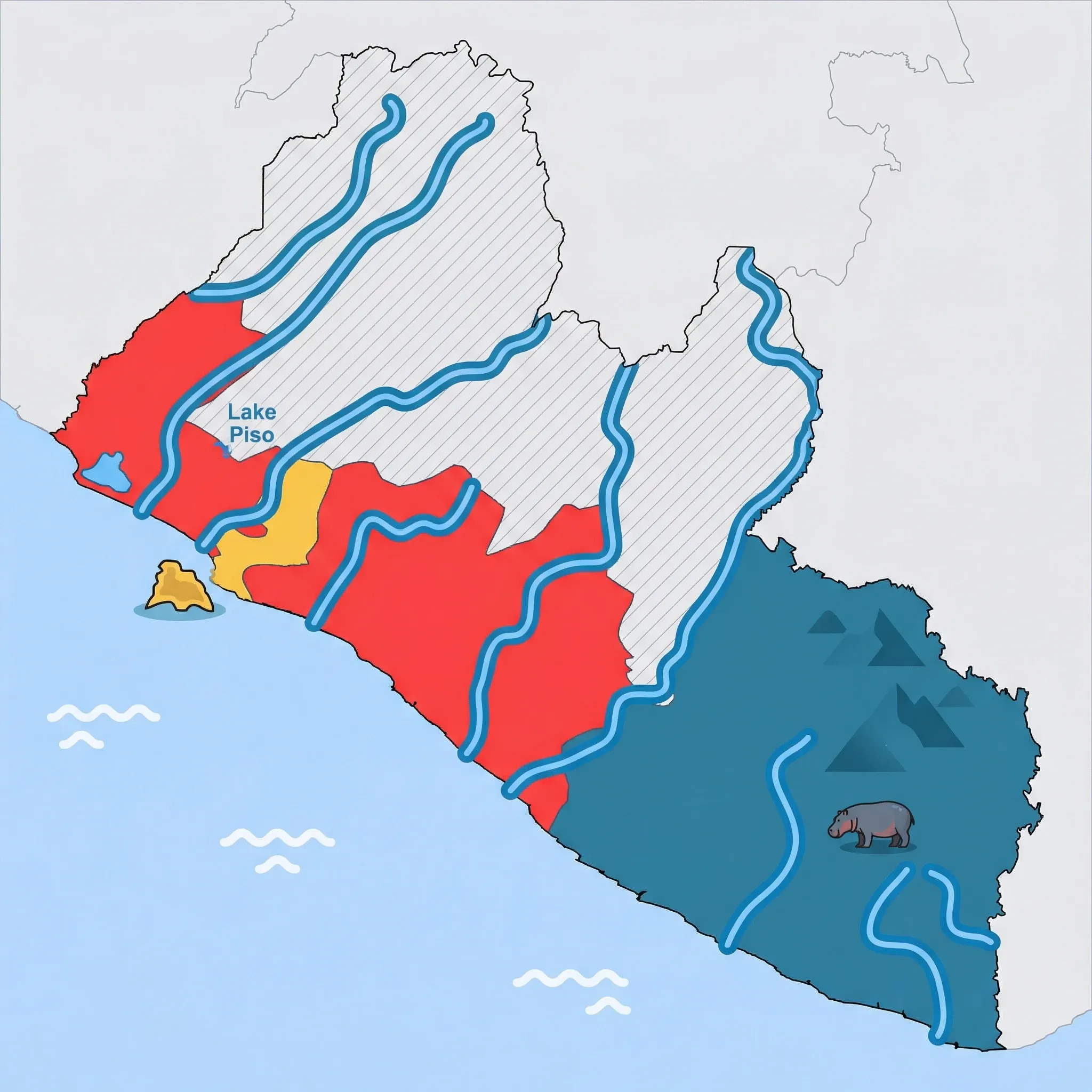
Click a region to explore
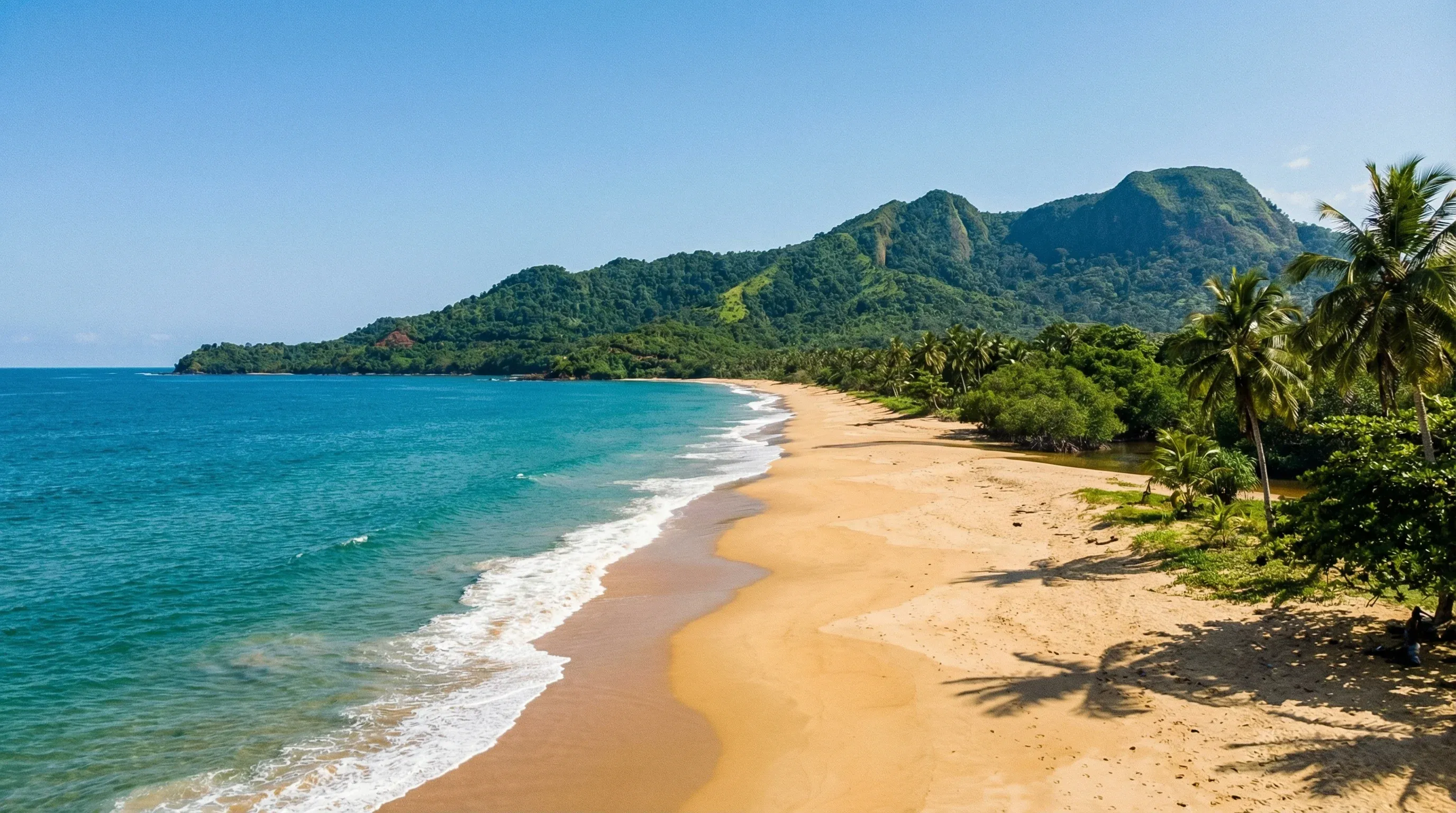
Stretching along the Atlantic Ocean, the Liberian Coast is a region of raw, unpolished beauty that offers adventurous families a glimpse into West Africa's potential as a surf and eco-tourism destination. Away from the bustle of the capital, the coastal towns operate at a slower rhythm, governed by the tides and the daily catch. For families, this region provides a unique opportunity to disconnect from digital distractions and engage with nature in its most authentic form.
The landscape is defined by endless stretches of golden sand backed by lush green vegetation and swaying palms. While swimming requires caution due to strong Atlantic undercurrents, many sheltered bays and lagoons offer safer waters for children. Culturally, the coast is the heart of the Kru and Fanti fishing communities; watching the colourful, hand-painted wooden canoes launch into the surf at dawn is a mesmerizing spectacle that teaches children about local livelihoods and resilience. The vibe here is welcoming but rustic—don't expect all-inclusive resorts, but rather charming guesthouses and eco-lodges where the sound of the ocean lulls you to sleep.
Key Attractions
The crown jewel of the region is undoubtedly Lake Piso, a brackish lagoon connected to the sea. It is an ideal spot for families, as the waters are calm compared to the open ocean, making it safe for boat tours where you can spot diverse birdlife and local fishermen casting their nets. The surrounding nature reserve is perfect for gentle hikes. Further down the coast, the town of Robertsport is famous for its world-class surf breaks; while the waves attract pros, local surf schools can introduce beginners to the sport in calmer sections. In Buchanan, clean beaches and fresh seafood restaurants offer a relaxing weekend escape.
Practical Advice
The dry season (December to April) is the best time to visit, as unpaved coastal roads can become impassable mud tracks during the rains. Robertsport and Buchanan are accessible by paved roads from Monrovia, but exploring deeper requires a 4x4. Malaria prophylaxis is essential for all family members. Bring plenty of cash (USD and LRD), as ATMs are scarce outside major towns.
Food & Drink
Typical meal times: Lunch is usually served from 12:00 pm to 2:00 pm, and dinner from 6:30 pm to 8:30 pm.
Typical meal costs: A fresh seafood meal for a family of four costs approximately L$8,000–14,000 (approx. $40–70 USD / €37–65 EUR) in a beachside restaurant.
Dietary requirements: Seafood is the staple here, so pescatarians are well catered for. Vegetarians can rely on rice, plantains, and cassava dishes, though specify no fish stock in sauces. Gluten-free travelers should stick to rice-based meals and grilled fish.
Signature dishes:
- Grilled Barracuda – Freshly caught fish marinated in spicy pepper sauce and grilled over open coals, often served with fried plantains.
- Cassava Gravy – A thick, hearty sauce made from cassava leaves (similar to spinach), often cooked with red palm oil.
- Coconut Rice – Rice cooked in fresh coconut milk, a sweet and savory side dish common in coastal settlements.
Why this score?
The region offers a mix of accessible leisure and moderate adventure, from beach camping and surfing in Robertsport to boat trips through the mangroves of Lake Piso. Traveling between coastal towns involves navigating unpaved roads and limited public transport, providing a rugged experience for families looking beyond the capital.
Why this score?
Medical facilities in towns like Buchanan and Robertsport are very basic and often lack essential supplies or specialized staff. While Libassa is relatively close to Monrovia's better clinics, any serious medical emergency along the coast would require a difficult overland transfer back to the capital.
Why this score?
While Robertsport is gaining a niche reputation among the global surfing community and Libassa Ecological Resort attracts weekenders from Monrovia, total international visitor numbers remain very low. Tourism infrastructure is sparse, and most visitors are either expats living in the region or intrepid travelers specifically seeking uncrowded surf breaks.

Accommodation on the coast ranges from basic surf camps to mid-range eco-lodges. A family room in a decent guesthouse costs L$19,000–28,500 (approx. $100–150 USD / €90–135 EUR) per night. Food is affordable if you eat local; a plate of rice and fish is around L$950–1,500 (approx. $5–8 USD / €4.50–7.50 EUR).

Getting Here & Around
Getting Here
- Driving – The drive from Monrovia to Robertsport takes approximately 3–4 hours on paved roads. Buchanan is about a 2.5-hour drive southeast from the capital.
- Taxi – Shared bush taxis run from Red Light Market in Monrovia to coastal towns, but private 4x4 hire is strongly recommended for families for safety and comfort.
Getting Around
- Car – A private vehicle with a driver is the most practical way to explore the coast. Accessing Lake Piso often requires a vehicle capable of handling rough tracks.
- Walking – Towns like Robertsport are compact and best explored on foot, allowing you to walk between the old colonial ruins and the beaches.
- Boat – To fully experience the lagoons and river mouths, hiring a local pirogue (canoe) with a guide is essential.
Nearby Airports (1 airport)
Monrovia Roberts International
ROBMonrovia
View full flight map for Liberia →

Packing List
Protect feet from sharp rocks and urchins when wading in lagoons.
Essential for keeping electronics safe during canoe trips or beach days.
Coastal mangroves can have sandflies and mosquitoes, especially at dusk.
Electricity can be sporadic in coastal guesthouses; solar charging is a reliable backup.
Power outages are frequent and street lighting is rare; essential for navigating hotels at night.
Old, torn, or small-head dollar bills are frequently rejected by local vendors and banks.
Tap water is unsafe and buying plastic bottles constantly is expensive and environmentally unfriendly.
Electricity is often generator-based and may be turned off during the day or late at night.
Essential for boat trips on Lake Piso and protecting electronics during sudden tropical downpours.

Activities & Best Times

Hiking, wildlife, outdoor exploration, ecotourism
Home to significant wildlife sanctuaries and ecological resorts like Libassa, offering unique chimpanzee rescue encounters and jungle trails. Peak season aligns with the dry months when trails are accessible and wildlife observation is most predictable.

Beach resorts, marine activities: diving, snorkelling, kite surfing, wind surfing, sailing
Robertsport is internationally recognized in the global surf community for world-class point breaks. While general beach infrastructure may be limited, for surf tourism this is a nationally and internationally significant destination. The classification notes themselves describe 'world-class waves' which supports a very_good rating.

Urban tourism, museums, historical sites, architecture
Robertsport offers a unique window into Afro-American settler history through its historic ruins and Afro-Caribbean vibes. The dry season is essential for comfortably exploring these open-air heritage sites and colonial structures.

Sport tourism, fitness activities, active recreation
Renowned in the global surfing community for the point breaks at Robertsport and diverse hiking on Mount Cape Mount. While surfing occurs in shoulder months, the dry season offers the best conditions for a mix of hiking and water sports for families.

Scenic drives, countryside tours, route-based travel
Scenic coastal drives between Monrovia, Robertsport, and Buchanan provide rugged, authentic views of the Atlantic. Travel is only recommended in the peak dry season due to road quality and safety concerns during the extreme rainfall of the monsoon.




Public Holidays & Calendar Next 12 months
Public holidays, festivals, cultural celebrations, and seasonal natural phenomena coming up in Coast over the next 12 months.
Loading holidays and events...

Travel Advisory
The majority of international agencies advise travellers to exercise a high degree of caution or increased vigilance when visiting Liberia. This assessment is primarily driven by high levels of violent crime, potential for civil unrest, and extremely limited medical and emergency services infrastructure.
Safety Topics
Traveller Advice (3 groups)

Check specific guidance on local attitudes and legal risks, as social and legal environments for LGBTQ+ individuals may differ significantly from Western standards.

Female travellers should be aware of high reported rates of sexual assault and aggravated harassment. It is strongly recommended to avoid walking alone, particularly in isolated areas or after sunset.

Limit movement after dark and avoid traveling between cities at night. Do not display signs of wealth such as jewelry or expensive electronics. Ensure you have comprehensive travel insurance that covers emergency medical evacuation by air.
Agency Summaries
High vigilance is necessary due to the threat of violent crime and the risk of civil disturbances. Ongoing health concerns, including Mpox outbreaks and poor medical services, further complicate the safety environment. Consular support is limited for Australian citizens.
Travellers should remain highly vigilant due to the potential for violent incidents and a high rate of crime. Petty theft is prevalent in crowded areas, while more serious crimes like armed robbery and sexual assault are significant risks, especially after dark when lighting is limited.
There is a significant incidence of armed robbery and muggings, particularly after dark. Travellers should avoid public transportation and pre-arrange all travel through reputable organizations, as the local police have limited capacity to respond to emergencies.
Increased caution is advised because of widespread crime, potential civil unrest, and inadequate medical facilities. Violent crimes, including armed robberies, frequently occur in urban centers and on public beaches. U.S. government personnel are restricted from traveling at night outside the capital.
While the political situation is stable, protests can occur with little notice and may turn violent. Visitors are warned of the high risk of crime, poor healthcare infrastructure, and the potential for terrorist activity within the broader West African region.
The security environment remains fragile with high levels of violent crime reported, including sexual assault and armed robbery. Protests are common and carry a risk of localized violence, making careful planning and situational awareness essential.
Information is provided for general guidance only and does not constitute travel, safety, medical, or legal advice. Conditions may change. Users are responsible for independently verifying information before travel.