
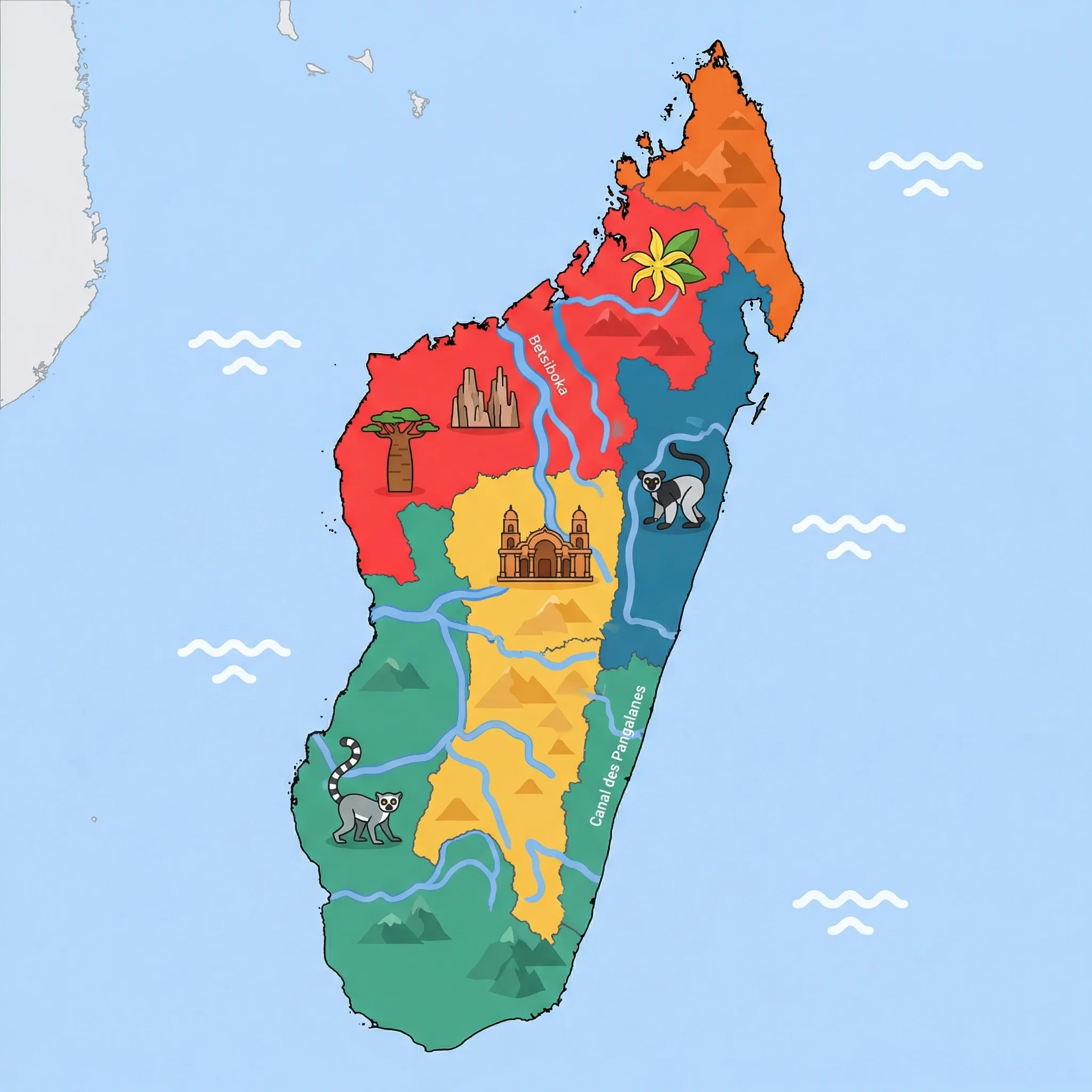
Click a region to explore
⚠️ SAFETY WARNING: Due to high rates of urban crime and potential civil unrest, government agencies (including AU, CA, USA, UK, IE, and NZ) advise travelers to exercise increased caution or reconsider travel to the capital region. The security situation can change; petty theft is common in crowded areas. Families are strongly urged to consult their own government's official travel advisory before considering a trip, as circumstances and risk assessments vary.
Overview
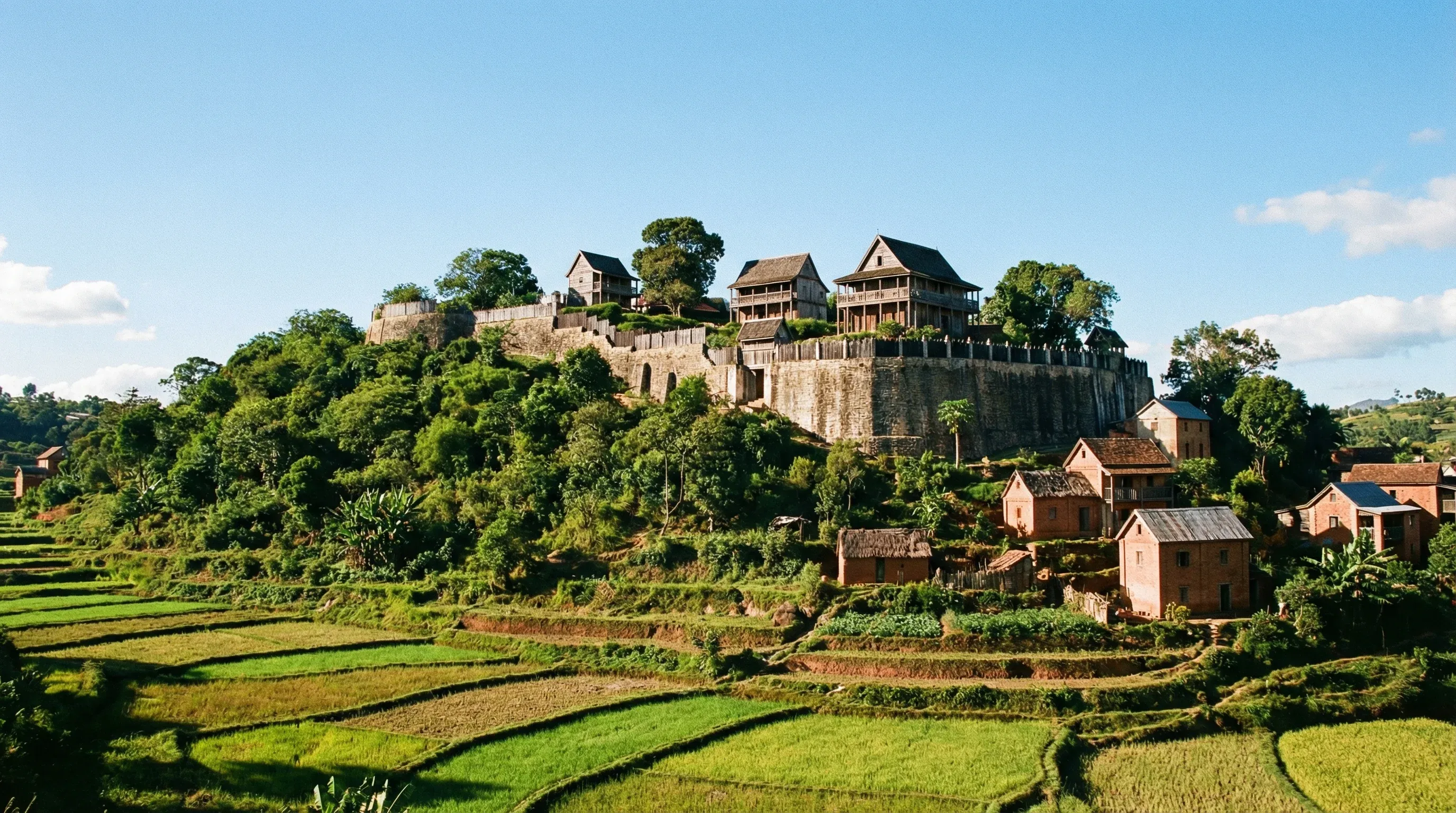
Antananarivo, affectionately known as 'Tana', is a colorful, chaotic mix of history and modern Malagasy life set amidst the cool Central Highlands. For families, this region is often the entry and exit point of their adventure, but it offers more than just an airport stopover. The landscape is defined by rolling hills, terraced rice paddies that turn emerald green in the rainy season, and distinctive red-brick houses. While the capital itself is bustling and traffic-heavy, the surrounding highlands offer a cooler climate and a fascinating window into the Merina culture that once ruled the island.
Beyond the city limits, the highlands provide a calmer pace suitable for children. The town of Antsirabe, known for its thermal springs and colourful rickshaws (pousse-pousse), is a family favourite. Here, you can watch artisans craft miniature bicycles from recycled cans or visit crater lakes. The region provides a necessary grounding in the island's history before you head to the coasts, allowing children to understand the human story of Madagascar alongside its wildlife.
Key Attractions
To see lemurs without a long trek, Lemurs' Park is essential for families; it is a private reserve where nine species roam freely in a safe, botanical garden setting, perfect for younger children who might struggle in dense rainforests. For a deep dive into history, the Royal Hill of Ambohimanga is a UNESCO World Heritage site that captivates older children with its ancient royal city, sacred trees, and stories of old kings.
Just outside the city near the airport, the Croc Farm creates a thrilling afternoon where kids can see hundreds of Nile crocodiles and even taste crocodile meat at the on-site restaurant. If you are heading south, the journey begins on the famous Route Nationale 7 (The South Road), a scenic drive that showcases the changing landscapes of the highlands.
Practical Advice
The highlands are significantly cooler than the coast, especially at night between June and August, so bring warm layers. Traffic in Antananarivo is notoriously gridlocked; allow double the expected time to get anywhere, especially to the airport. It is best to hire a driver and vehicle rather than relying on public taxis for family safety.
Food & Drink
Typical meal times: Lunch is typically served from 12:00 pm to 2:00 pm. Dinner is usually early, from 6:30 pm to 8:30 pm, as the city quiets down after dark.
Typical meal costs: A meal in a mid-range restaurant costs MGA 25,000–45,000 (approx. $5.50–10.00 USD / €5.00–9.00 EUR) per person.
Dietary requirements: Rice is the staple. Vegetarian options are available (mostly bean or vegetable stews), but vegan cheese or milk alternatives are rare. Peanuts are occasionally used in sauces.
Signature dishes:
- Romazava – The national dish, a meat stew (often beef or zebu) cooked with mixed leafy greens and ginger, always served with rice.
- Koba – A sweet snack made of ground peanuts, banana, and rice flour wrapped in banana leaves, often sold by roadside vendors.
- Zebu Steak – Local humpbacked cattle meat, leaner than beef, often served with green peppercorn sauce.
Why this score?
The highlands offer a more accessible form of adventure, featuring well-traversed roads and established walking tours in Lemurs' Park. While the terrain is hilly and rural, the presence of colonial-era towns like Antsirabe provides a level of comfort not found elsewhere in the country. It serves as an introductory adventure for families before heading into more remote wilderness.
Why this score?
This region hosts the country's best medical facilities, including private clinics in the capital like Espace Médical that are accustomed to treating foreigners. However, care still falls below international standards, and complex emergencies often require medical evacuation to Réunion or South Africa. English-speaking staff are more common here than in the provinces, but services are still basic.
Why this score?
As the country's primary gateway, almost all international visitors transit through Antananarivo, making it the most visited region. While it contains significant sites like the Royal Hill of Ambohimanga, it remains a niche destination globally compared to major African hubs. The infrastructure in Antsirabe supports a steady flow of travelers embarking on the RN7 route.

The highlands are generally very affordable. A comfortable family suite in a boutique hotel costs MGA 200,000–400,000 (approx. $45–90 USD / €40–80 EUR). Street snacks cost pennies, while a high-end dinner rarely exceeds MGA 70,000 (approx. $15 USD / €14 EUR) per person.

Getting Here & Around
Getting Here
- Airports – Ivato International Airport (TNR) is the main gateway, located about 20km from the city center.
- Road – Connected to the rest of the island via major national routes, including the Route Nationale 7 (The South Road) heading south and RN2 heading east.
Getting Around
- Private Driver – The safest and most convenient option for families. Hiring a car with a driver is standard practice for touring the highlands.
- Taxi – Beige-colored taxis are common in Tana but always agree on the fare before getting in. Avoid taking them at night.
- Pousse-Pousse – In highland towns like Antsirabe, these colorful rickshaws are a fun way to travel short distances.
Nearby Airports (1 airport)
Antananarivo Ivato
TNRAntananarivo
View full flight map for Madagascar →

Packing List
Highland evenings can drop to 10°C (50°F), surprisingly cold for a tropical island
Roads in the highlands are winding and often bumpy
Public restrooms often lack soap and toilet paper
The city center is extremely loud with traffic and street noise
Frequent power cuts ('delestage') and limited street lighting make this essential for safety and night walks.
Roads are winding and often in poor condition; even sturdy stomachs may struggle on long drives.
The Highlands (including Antananarivo) get surprisingly cold at night, especially during the dry winter months.
Electricity can be unreliable in rural lodges, so backup power for phones and cameras is crucial.
Essential for keeping electronics safe during pirogue (canoe) trips or sudden rainforest downpours.

Activities & Best Times

Hiking, wildlife, outdoor exploration, ecotourism
Offers unique endemic wildlife encounters at Lemurs' Park and the high-altitude landscapes of the Central Highlands. Peak season avoids the heavy tropical rains of January-March when trails become impassable and lemur activity is less predictable.

Urban tourism, museums, historical sites, architecture
Features significant UNESCO heritage at Ambohimanga and the historic Rova, providing deep insight into the Merina Kingdom's history. The dry winter months offer comfortable walking temperatures, whereas the wet season brings humidity and frequent urban flooding.

Scenic drives, countryside tours, route-based travel
The starting point for the legendary Route Nationale 7, offering dramatic scenery and varied cultural stops. Driving conditions are most reliable during the dry months, as heavy summer rains can lead to road damage and difficult travel times.

Sport tourism, fitness activities, active recreation
Excellent trekking opportunities around Antsirabe and the Zafimaniry villages for active families seeking authentic rural exploration. Infrastructure is rugged, making the dry season (May-October) essential for safety and visibility on mountain trails.

Learning experiences, scientific sites, historical education
Home to specialized museums such as the Museum of Paleontology, which offer unique insights into Madagascar's prehistoric isolation. While educational, these facilities are smaller and less immersive than global benchmarks like the Smithsonian.

Spa retreats, wellness centers, peaceful getaways
Antsirabe's thermal springs offer a historic, French-influenced spa experience, though facilities are more traditional than high-end modern wellness retreats. The cooler winter months (June-August) are the most popular time to enjoy the natural hot baths.

Amusement parks, family entertainment venues
Local entertainment parks like Thermes d'Antsirabe provide regional recreation but lack the scale and world-class polish expected by international luxury travelers. Best visited during the dry season when outdoor water parks and amusement facilities are fully operational.

Attractions (11 total)



Public Holidays & Calendar Next 12 months
Public holidays, festivals, cultural celebrations, and seasonal natural phenomena coming up in Antananarivo & Highlands over the next 12 months.
Loading holidays and events...

Travel Advisory
Consensus across all major agencies indicates that travelers should exercise a high degree of caution in Madagascar. Key risks include a high rate of violent crime (including armed robbery and carjacking), potential for sudden civil unrest, and very limited medical facilities. Special care is needed for travel outside of major cities and during the cyclone season.
Safety Topics
Traveller Advice (4 groups)

Travelers should be aware of local social norms and exercise discretion, as public attitudes towards the LGBTQ+ community can be conservative.

Solo female travelers should be particularly cautious in isolated areas and remote beaches where harassment or robbery can occur, even during daylight hours.

Maintain a high level of personal security awareness, avoid traveling alone after dark, and do not display items of wealth such as jewelry or electronics in public.

Accessibility infrastructure is extremely limited throughout Madagascar; individuals with mobility issues should plan extensively for transport and lodging challenges.
Agency Summaries
The security environment is currently stable but remains unpredictable. Travelers are warned about violent robberies on remote beaches and dangerous road conditions, particularly in the south and west.
Vigilance is required because of ongoing concerns regarding crime and the history of political protests. Visitors should avoid large crowds and remain informed of local developments.
Travelers should remain very vigilant due to widespread crime and the potential for political instability following recent governmental transitions.
Heightened vigilance is advised across the country because of significant crime rates, civil unrest risks, and limited medical infrastructure. Some southern and western regions carry higher danger due to banditry.
A high level of caution is necessary due to the combined threats of violent crime, frequent civil unrest, and the annual risk of severe cyclones.
Increased safety precautions are recommended due to the high frequency of violent crimes, including carjackings and robberies, and the possibility of political demonstrations turning violent.
Information is provided for general guidance only and does not constitute travel, safety, medical, or legal advice. Conditions may change. Users are responsible for independently verifying information before travel.