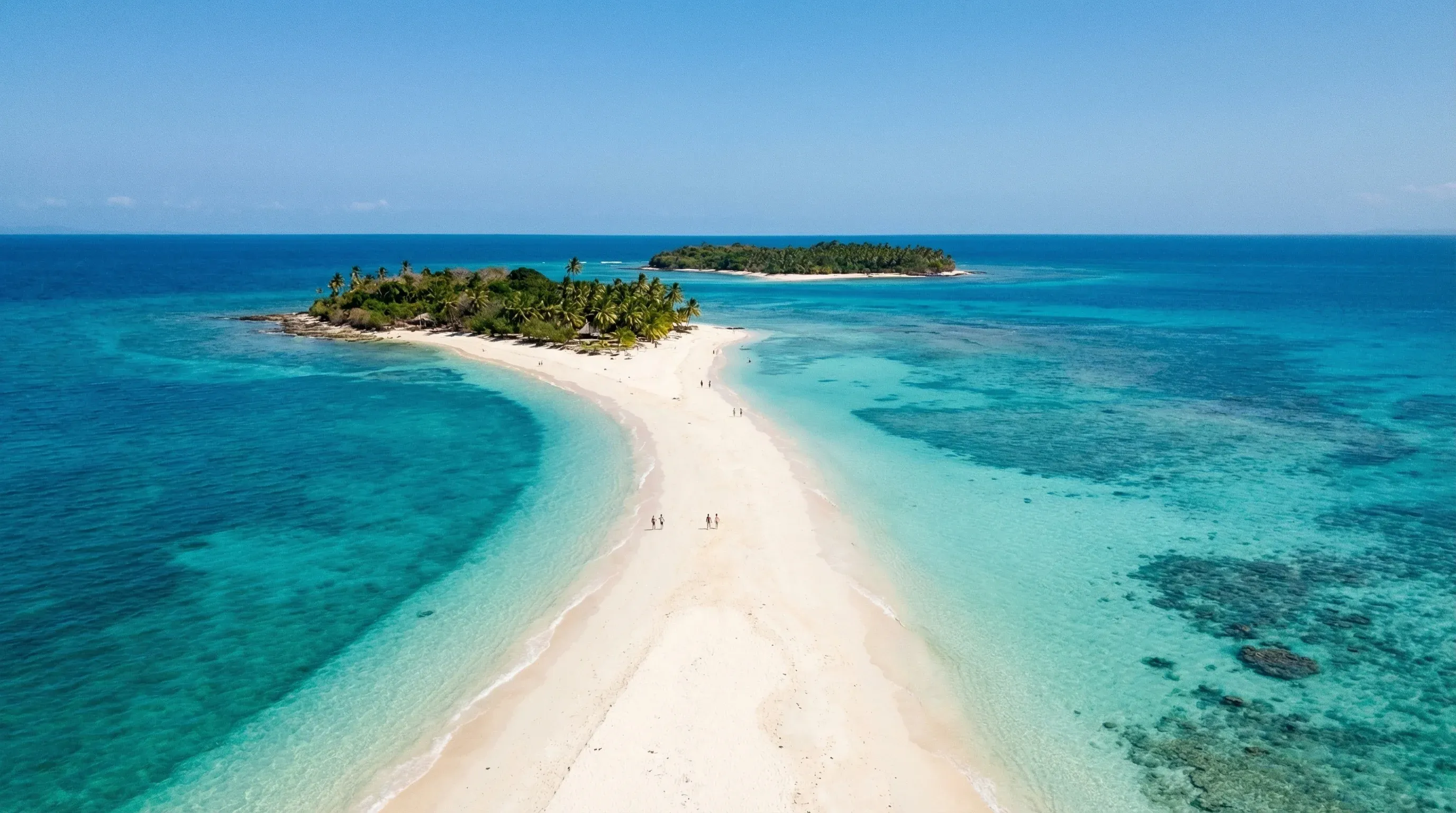

North & Nosy Be (beaches)
Turquoise waters and volcanic wonders 🐢
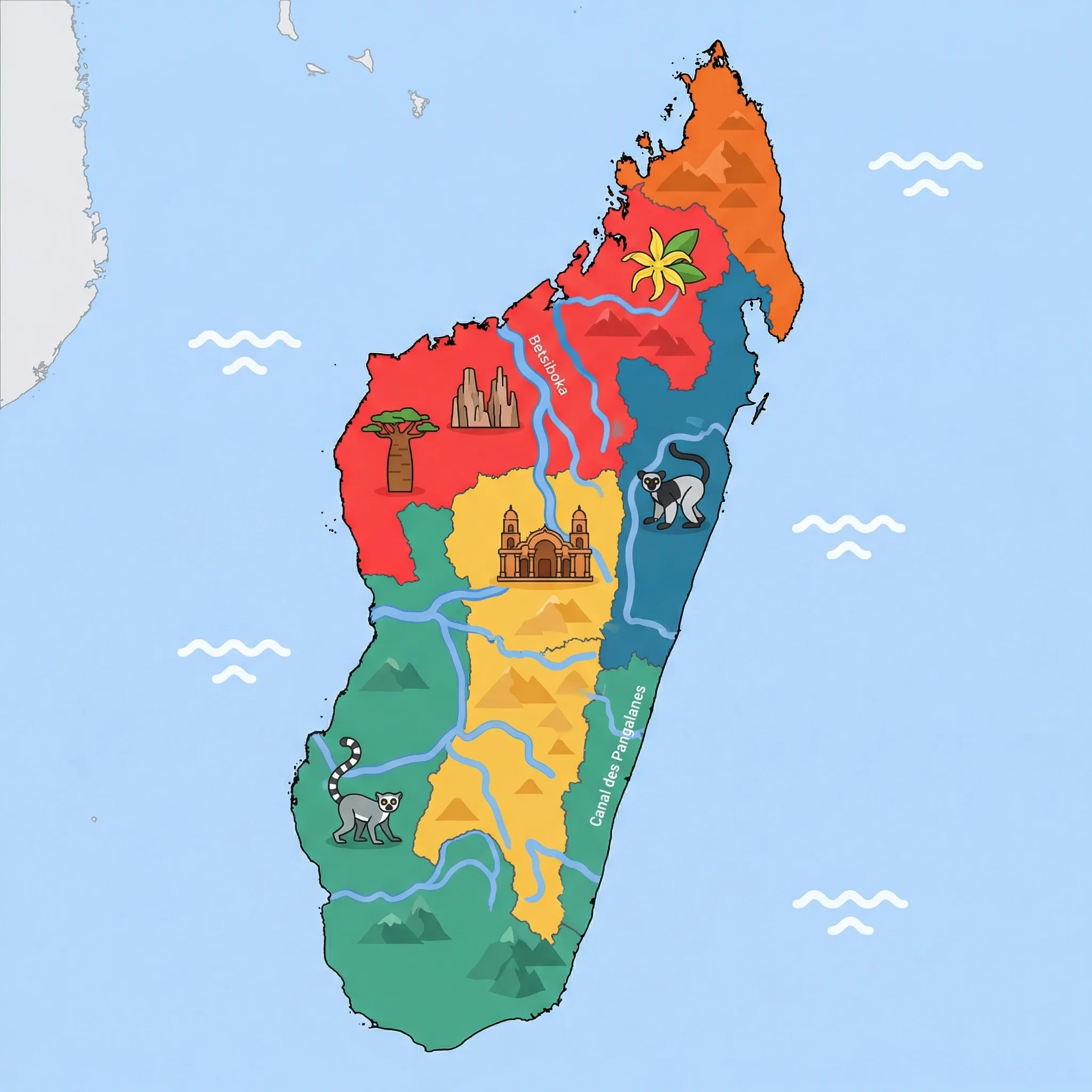
Click a region to explore
Overview
The North, anchored by the island of Nosy Be, is the most tourist-friendly region of Madagascar, making it an excellent choice for families seeking a 'soft landing'. The vibe here is distinctly tropical and relaxed, with scented ylang-ylang plantations, white sand beaches, and calm turquoise seas. Unlike the rougher east or arid south, the climate here is generally warm and sunny, with a clear turquoise ocean that looks exactly like a postcard.
Beyond the beach loungers, the mainland north offers incredible geological diversity within a short driving distance. You have rainforests, red rocky formations, and grey limestone pinnacles (tsingy) all close by. The infrastructure is better developed here than in many other regions, meaning more reliable electricity, better roads in tourist zones, and a wider range of family-friendly hotels with pools.
Key Attractions
For an underwater adventure that is safe for children, Nosy Tanikely Marine National Park is unbeatable. It is a protected marine reserve where the coral is vibrant and sea turtles graze in shallow waters—perfect for beginner snorkelers. A boat trip to Nosy Iranja reveals two islands connected by a blindingly white sandbar at low tide, a stunning spot for a picnic.
On the mainland, Montagne d'Ambre National Park offers a cool respite with waterfalls and crater lakes; it is one of the easiest places to spot chameleons, often right at eye level for kids. Nearby, the Tsingy Rouge de l'Irodo are surreal red laterite formations that look like melting wax candles, providing a geology lesson that feels like visiting Mars.
Practical Advice
Nosy Be is a malaria risk area, so prophylaxis and bug spray are essential. The sun is extremely strong; bring high-SPF rash guards for swimming. This region is more expensive than the mainland, so budget accordingly.
Food & Drink
Typical meal times: Lunch is 12:00 pm to 2:30 pm. Dinner is served later, typically 7:30 pm to 9:30 pm.
Typical meal costs: Tourist prices prevail. Main meals range from MGA 40,000–90,000 (approx. $9.00–20.00 USD / €8.00–18.00 EUR).
Dietary requirements: Seafood is the main protein. Italian influence is strong in Nosy Be, so pizza and pasta are widely available for fussy eaters. Vegetarian options are common in hotels.
Signature dishes:
- Langouste – Rock lobster grilled simply with garlic butter, a luxury available at a fraction of Western prices.
- Achards – A spicy pickled vegetable relish (usually mango or lemon) served as a condiment; warn kids it can be hot!
- Riz Coco – Rice cooked in fresh coconut water and milk, slightly sweet and sticky.
Why this score?
While the beaches of Nosy Be are relaxing, the surrounding northern mainland offers rugged exploration in the karst landscapes of Ankarana and the cloud forests of Montagne d'Ambre. Activities range from scuba diving and island hopping to navigating sharp limestone 'tsingy' formations. It provides a balanced mix of resort-based comfort and significant outdoor physical challenges.
Why this score?
Nosy Be has some private medical facilities and pharmacies that cater to the tourist population, offering better immediate care than the mainland's rural areas. However, for serious surgical or specialized needs, patients must still be moved to Antananarivo or abroad. The quality of care in Antsiranana is functional for minor ailments but remains limited for international families.
Why this score?
Nosy Be is Madagascar's premier resort destination, benefiting from direct international flights from Europe which bypass the capital. It offers the most developed tourism infrastructure in the country, with a high density of hotels and organized excursions to the Emerald Sea. While popular for the region, it remains a secondary choice compared to global beach giants like Bali or Phuket.

Nosy Be is the most expensive region. Resorts can charge MGA 450,000–1,300,000 (approx. $100–290 USD / €90–260 EUR) per night. Dining is priced for international tourists. However, local markets remain cheap if you self-cater.

Getting Here & Around
Getting Here
- Airports – Fascene Airport (NOS) on Nosy Be receives international charter flights (often from Italy/Ethiopia) and domestic links. Antsiranana (Diego Suarez) also has an airport.
- Ferry – Boats connect Ankify on the mainland to Nosy Be (approx. 45 mins).
Getting Around
- Tuk-tuk – The standard way to get around Nosy Be and Diego Suarez. They are cheap and fun for kids.
- Boat – Speedboats are the primary taxi service between the various islands like Nosy Iranja.
- Car – Necessary for visiting mainland parks like Ankarana Special Reserve.
Nearby Airports (3 airports)
Antsiranana Arrachart
DIEAntsiranana
Nosy Be Fascene
NOSNossi-be
Sambava Sud
SVBSambava
View full flight map for Madagascar →

Packing List
Crucial for protecting the coral at marine reserves like Tanikely
Sun intensity is extreme even while snorkeling
Protection against stonefish and sharp coral on wilder beaches
Water clarity is exceptional and turtles are common
Frequent power cuts ('delestage') and limited street lighting make this essential for safety and night walks.
Roads are winding and often in poor condition; even sturdy stomachs may struggle on long drives.
The Highlands (including Antananarivo) get surprisingly cold at night, especially during the dry winter months.
Electricity can be unreliable in rural lodges, so backup power for phones and cameras is crucial.
Essential for keeping electronics safe during pirogue (canoe) trips or sudden rainforest downpours.

Activities & Best Times

Hiking, wildlife, outdoor exploration, ecotourism
Home to the unique 'Tsingy' formations of Ankarana and the montane rainforests of Amber Mountain, this region offers world-class endemic wildlife encounters. Peak visitation occurs during the dry months (May-Oct) when lemurs are active and trails are accessible; heavy monsoon rains (Jan-Mar) make exploration difficult.

Beach resorts, marine activities: diving, snorkelling, kite surfing, wind surfing, sailing
Nosy Be is internationally recognized as Madagascar's premier beach destination with iconic islands (Nosy Iranja, Nosy Tanikely). While not Caribbean-class, it's the country's flagship beach region and deserves very_good rating for international calibration.

Urban tourism, museums, historical sites, architecture
Explores a distinctive blend of Sakalava traditions, colonial heritage in Hell-Ville, and unique natural landmarks like the Tsingy Rouge. Tourism peaks in the dry season (May-Oct) when travel to outlying cultural sites is most reliable; Jan-Mar rains significantly impede access to heritage areas.

Scenic drives, countryside tours, route-based travel
The route from Antsiranana to Ankify (RN6) and coastal circuits on Nosy Be offer rugged, scenic landscapes and authentic rural insights. Driving conditions are optimal during the core dry season (Jun-Sep); the rainy season (Dec-Apr) makes many unpaved sections dangerous or impassable.

Sport tourism, fitness activities, active recreation
Offers specialized hiking trails and adventure centers like Jungle Park, catering to families seeking active immersion in unique landscapes. Cooler, drier weather (May-Oct) provides the safest and most comfortable conditions for outdoor sports; extreme summer rainfall (Jan-Mar) renders most facilities unusable.

Attractions (15 total)



Public Holidays & Calendar Next 12 months
Public holidays, festivals, cultural celebrations, and seasonal natural phenomena coming up in North & Nosy Be (beaches) over the next 12 months.
Loading holidays and events...

Travel Advisory
Consensus across all major agencies indicates that travelers should exercise a high degree of caution in Madagascar. Key risks include a high rate of violent crime (including armed robbery and carjacking), potential for sudden civil unrest, and very limited medical facilities. Special care is needed for travel outside of major cities and during the cyclone season.
Safety Topics
Traveller Advice (4 groups)

Travelers should be aware of local social norms and exercise discretion, as public attitudes towards the LGBTQ+ community can be conservative.

Solo female travelers should be particularly cautious in isolated areas and remote beaches where harassment or robbery can occur, even during daylight hours.

Maintain a high level of personal security awareness, avoid traveling alone after dark, and do not display items of wealth such as jewelry or electronics in public.

Accessibility infrastructure is extremely limited throughout Madagascar; individuals with mobility issues should plan extensively for transport and lodging challenges.
Agency Summaries
The security environment is currently stable but remains unpredictable. Travelers are warned about violent robberies on remote beaches and dangerous road conditions, particularly in the south and west.
Vigilance is required because of ongoing concerns regarding crime and the history of political protests. Visitors should avoid large crowds and remain informed of local developments.
Travelers should remain very vigilant due to widespread crime and the potential for political instability following recent governmental transitions.
Heightened vigilance is advised across the country because of significant crime rates, civil unrest risks, and limited medical infrastructure. Some southern and western regions carry higher danger due to banditry.
A high level of caution is necessary due to the combined threats of violent crime, frequent civil unrest, and the annual risk of severe cyclones.
Increased safety precautions are recommended due to the high frequency of violent crimes, including carjackings and robberies, and the possibility of political demonstrations turning violent.
Information is provided for general guidance only and does not constitute travel, safety, medical, or legal advice. Conditions may change. Users are responsible for independently verifying information before travel.