
Lilongwe & Central
The green heart of the country mixing culture, wildlife, and history 🌳
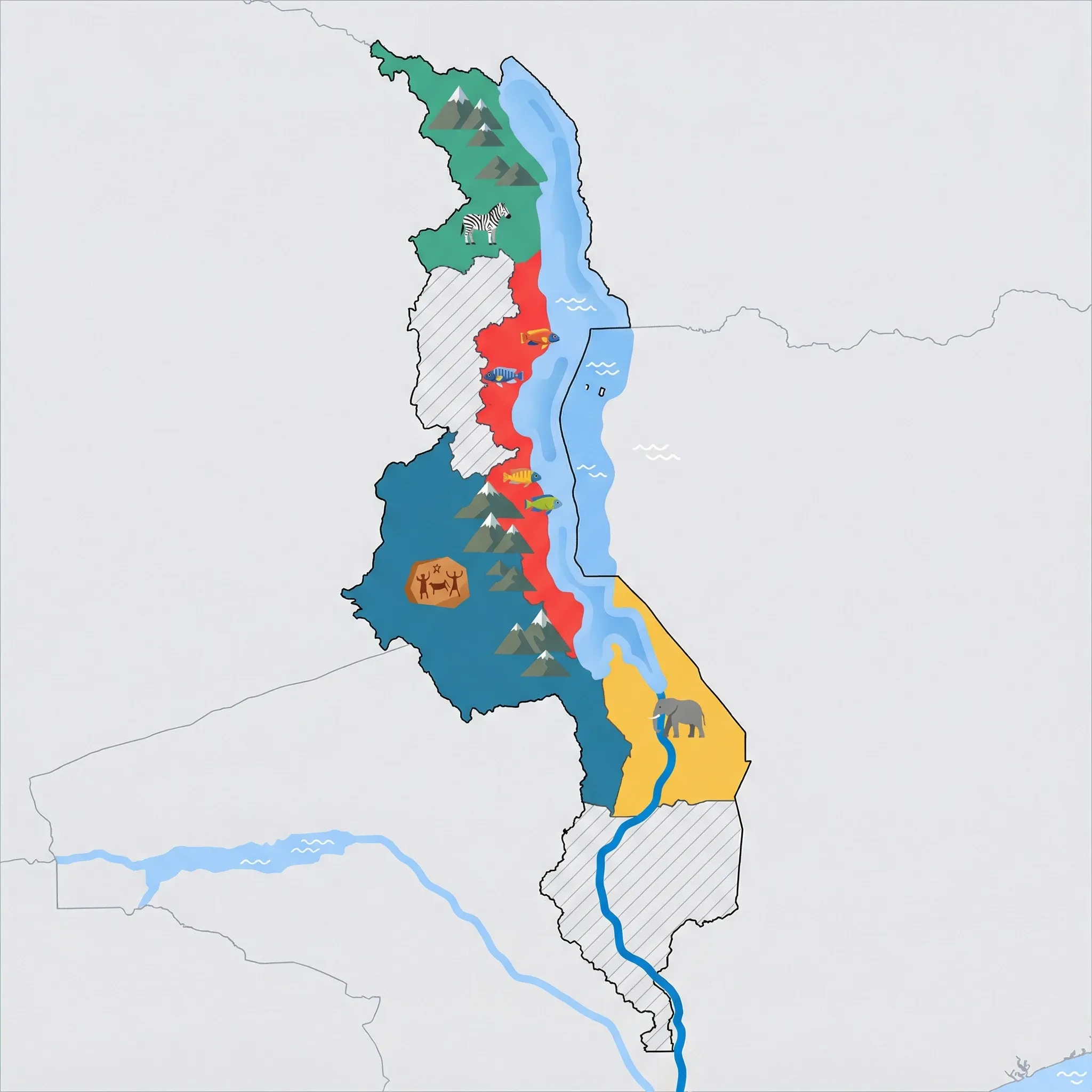
Click a region to explore
Overview
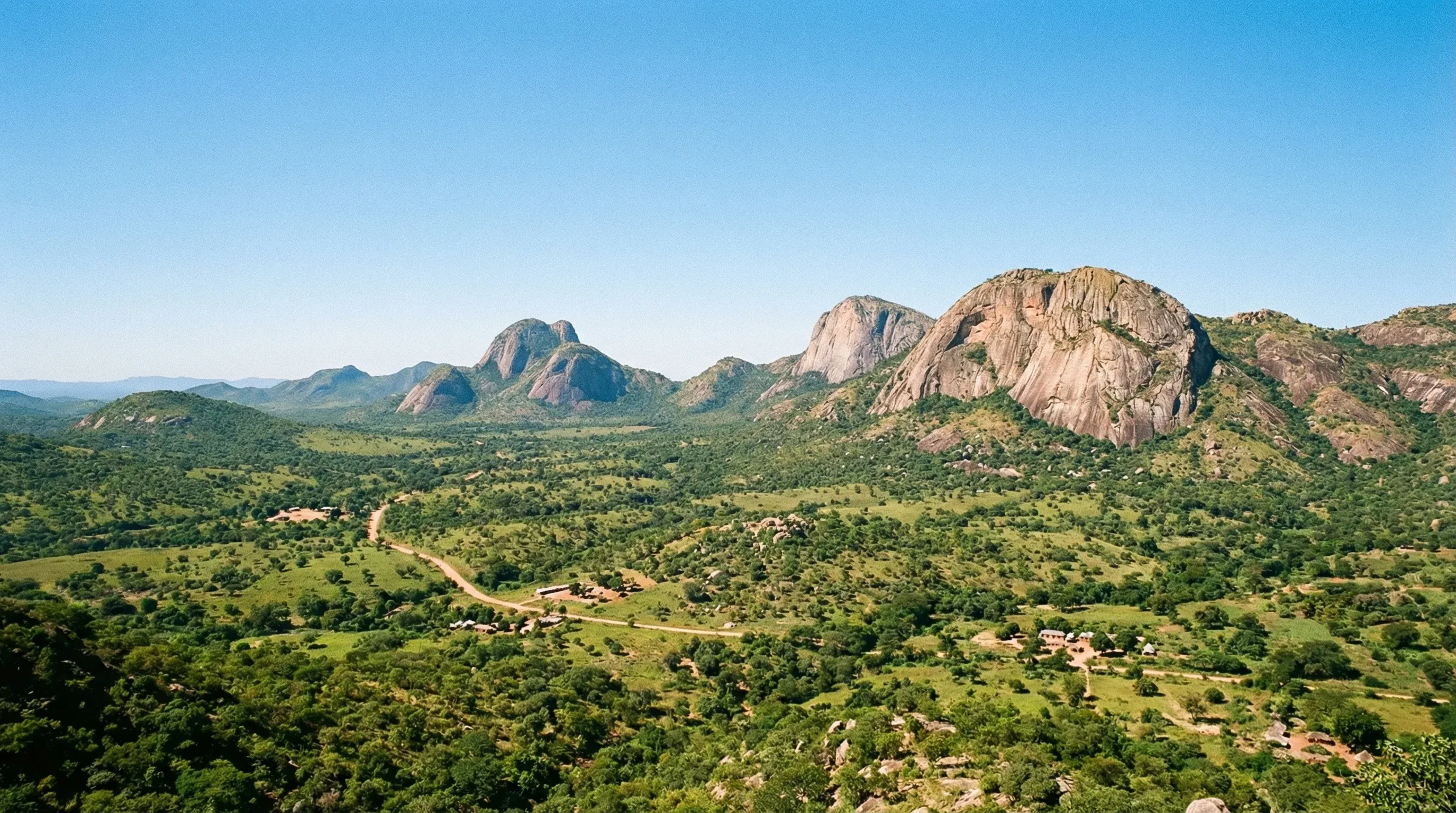
Lilongwe is often described as a "city within a garden." Unlike many chaotic African capitals, it is divided into a distinct New City (City Centre) and Old Town, separated by a substantial nature reserve. This unique layout makes it far less overwhelming for families traveling with children. The pace here is gentle, the traffic is manageable, and the streets are lined with flowering jacaranda and flame trees. It serves as the primary gateway for international arrivals but is worthy of a stay in its own right to decompress after a long flight. The region surrounding the capital offers a mix of cultural heritage and accessible nature, making it an excellent base for acclimatizing to the "Warm Heart of Africa."
Beyond the city limits, the Central Region rises into the Dedza highlands, where cool air and mountain views provide a refreshing change from the plains. This area is rich in history and traditional culture. Families can explore local markets where wood carvers display incredible craftsmanship, or venture into the reserves where elephants roam just a few hours from the city. The region balances modern conveniences—supermarkets, pharmacies, and international restaurants—with authentic Malawian experiences, providing a safety net for parents who want to ensure they have access to supplies before venturing to more remote areas.
Key Attractions
The absolute must-visit for families is the Lilongwe Wildlife Centre. This sanctuary is not a zoo; it is a world-renowned rescue center for orphaned and injured animals, including lions, monkeys, and antelopes. The guided tours are educational and deeply moving, teaching children about conservation and the illegal wildlife trade in an age-appropriate way. The sanctuary also features a lovely boardwalk through the forest and a playground, making it a perfect half-day outing.
For a dive into deep history, a trip to the Chongoni Rock Art Area near Dedza is fascinating. This UNESCO World Heritage site features the densest concentration of rock art in Central Africa, with paintings dating back to the Stone Age and the Chewa agricultural period. While some hike is involved, several sites are accessible for active children. If you happen to visit in late September, the Lake of Stars Festival (often held at Senga Bay Beach, a short drive from Lilongwe) is a vibrant celebration of music and arts that often includes family-friendly daytime activities.
Practical Advice
Lilongwe is the logistics hub. It is the best place to withdraw cash (ATMs are reliable), buy SIM cards, and stock up on nappies/diapers and snacks. The city is safe during the day, but walking at night is not recommended; always take a taxi after dark. The best time to visit is the dry season (April to October).
Food & Drink
Typical meal times: Lunch 12:00 pm to 2:00 pm; Dinner 6:00 pm to 9:00 pm. Restaurants in Lilongwe stay open later than in rural areas.
Typical meal costs: A meal in a good city restaurant costs MWK 18,000–30,000 (approx. $10–17 USD / €9.50–16 EUR). Street food is under MWK 2,000 ($1.15 USD).
Dietary requirements: Excellent. Lilongwe has Indian, Italian, and Chinese restaurants that easily cater to vegetarians, vegans, and gluten-free diets.
Signature dishes:
- Thobwa – A fermented drink made from white maize and millet, gritty and sweet, known as "sweet beer" (though non-alcoholic).
- Mandasi – Local fried dough balls (doughnuts) sold at every market, loved by kids for breakfast.
- Dedza Pottery Cheesecake – Famous throughout the region, served at the pottery lodge in Dedza.
Why this score?
This is the most developed region of Malawi, featuring paved roads, shopping centers, and relatively predictable urban environments. Adventure is limited to light hiking in the Dedza highlands or exploring the peri-urban wildlife sanctuary, making it very accessible for families.
Why this score?
Lilongwe offers the highest standard of healthcare in the country, with private clinics and hospitals that are accustomed to treating the expatriate and diplomatic community. However, even these 'top' facilities are basic by international standards and may struggle with complex surgical or emergency needs.
Why this score?
While most international arrivals pass through the capital, Lilongwe is largely a transit hub or a base for NGO and business travel rather than a standalone tourist destination. Attractions like the Lilongwe Wildlife Centre and the UNESCO-listed Chongoni Rock Art Area see steady but low-volume international footfall.

Lilongwe offers the widest range of budgets. You can find luxury hotels for MWK 350,000+ ($200+ USD) or comfortable family guesthouses for MWK 85,000–140,000 (approx. $48–80 USD / €45–75 EUR). Imported goods in supermarkets are expensive, often costing more than in Europe.

Getting Here & Around
Getting Here
- Airports – Kamuzu International Airport (LLW) is the main entry point, located 25km north of the city center.
- Bus – The AXA Coach service connects Lilongwe to Blantyre (4-5 hours) and Mzuzu (4-5 hours).
- Driving – Lilongwe is the hub of the country's road network. The M1 runs north-south through the city.
Getting Around
- Tuk-tuks – Three-wheeled auto-rickshaws are a fun, cheap way to zip around Old Town and City Centre. Negotiate the price first.
- Taxi – Registered taxis are available at hotels and shopping malls. Useful for visiting Lilongwe Wildlife Centre if staying in the suburbs.
- Car Rental – All major agencies have offices at the airport and in town. Essential for day trips to Chongoni Rock Art Area.
Nearby Airports (1 airport)
Kamuzu Intl
LLWLilongwe
View full flight map for Malawi →
Official Links

Packing List
Hotel sinks in the city often lack plugs; useful for washing baby bottles or clothes.
When visiting markets or cultural sites like Chongoni, covering knees and shoulders is respectful.
Essential for cleaning up after handling curios or snacking in the markets.
Effective at deterring tsetse flies in the bush, which are often attracted to moving vehicles and not repelled by standard DEET.
Power cuts and load shedding are common; a hands-free light is essential for navigating lodges or reading bedtime stories in the dark.
Cash is vital for visas and tips. Notes must be in pristine condition and printed after 2013, or banks and merchants will reject them.
Roads in national parks and rural areas can be extremely corrugated and bumpy; extra support is highly recommended for comfort.
Multi-purpose: use as a dust cover in vehicles, a modest skirt for village visits, or a beach towel at the lake.
The heat in the Shire Valley can be intense; these are hard to find in remote areas and vital for keeping kids hydrated.

Activities & Best Times

Hiking, wildlife, outdoor exploration, ecotourism
Features major wildlife reserves like Nkhotakota and Kasungu which offer authentic, uncrowded safari experiences alongside the unique Dedza Mountain landscapes. Peak visitation occurs during the dry season when wildlife congregates at water sources; the rainy season (Dec-Apr) makes many tracks impassable.

Urban tourism, museums, historical sites, architecture
Home to the UNESCO-listed Chongoni Rock Art Area and the Kungoni Centre, providing high-quality insight into Chewa culture. The dry, cooler months are ideal for exploring these outdoor heritage sites and the botanical gardens, while heavy summer rains can hinder access to rural cultural sites.

Scenic drives, countryside tours, route-based travel
The Golomoti Escarpment and M5 Lakeshore road offer spectacular scenic driving with significant elevation changes and views. Best traveled in the dry season for maximum visibility and road safety, as heavy rains can create hazardous conditions on steep escarpment routes.

Events, celebrations, seasonal attractions
Host to the internationally recognized Lake of Stars and Tumaini festivals, which draw global audiences for music and arts. These events are strictly seasonal, typically occurring in the late dry season (Sept-Nov) to ensure optimal outdoor conditions.

Sport tourism, fitness activities, active recreation
Offers rugged hiking trails in Dedza and Dzalanyama, though infrastructure is more suited to adventurous self-guided travelers than luxury sports enthusiasts. The cool mid-year months are peak for physical exertion, while the humid rainy season makes trails slippery and difficult.




Public Holidays & Calendar Next 12 months
Public holidays, festivals, cultural celebrations, and seasonal natural phenomena coming up in Lilongwe & Central over the next 12 months.
Loading holidays and events...

Travel Advisory
Travellers should exercise increased vigilance due to high rates of crime and potential civil unrest. While the country is generally safe for tourism, specific precautions against violent crime (including carjackings and robberies) and during political demonstrations are recommended. Health risks such as waterborne diseases and limited medical infrastructure also require preparation.
Safety Topics
Traveller Advice (4 groups)

Female travellers, particularly those moving alone, may encounter verbal harassment or unwanted attention. It is advisable to avoid walking alone at night and to dress modestly in rural or conservative areas.

When planning to climb Mount Mulanje, it is strongly recommended to coordinate with the Mountain Club of Malawi for updated security and safety information. Trails can be poorly marked and weather conditions change rapidly.

Ensure all visas are arranged before travel as rules for Irish and other citizens have recently changed. Maintain copies of travel documents and be prepared for limited police assistance in rural areas.

Same-sex relationships are illegal and can lead to imprisonment. Public displays of affection are generally discouraged for all travellers but may carry higher risks for LGBTQ+ individuals due to local laws and social conservative norms.
Agency Summaries
Travellers should be more alert due to significant crime rates. Safety concerns include violent incidents such as carjackings and robberies, particularly in larger cities. Public transport is often overcrowded and road conditions can be hazardous, necessitating extra care when driving.
Vigilance is advised because of frequent violent crime, including muggings and residential break-ins. Periodic civil unrest and political protests may lead to road closures or the use of crowd control measures. Police resources are often limited in their ability to respond to emergencies.
While travel is generally safe, visitors should be mindful of petty theft and stay informed about the potential for demonstrations. There is a general global threat of terrorism. Medical facilities are limited, and health precautions for waterborne diseases are essential.
No specific elevated security warnings are in place, but travellers should maintain typical safety habits. Significant focus should be placed on health risks, including rabies and bilharzia, and ensuring comprehensive insurance for medical evacuations.
A high level of vigilance is required due to the risk of violent crime. Avoid walking after dark and be cautious at transit hubs. Travellers should be aware of risks such as drink spiking and ensure all entry permits are secured prior to arrival.
Standard safety measures are recommended. New entry regulations require many visitors to obtain a visa in advance via the official government portal. Maintain awareness of local news and follow the instructions of local authorities during your stay.
Information is provided for general guidance only and does not constitute travel, safety, medical, or legal advice. Conditions may change. Users are responsible for independently verifying information before travel.