
Liwonde NP
River safaris, diverse wildlife, and a conservation triumph 🐘
Click a region to explore
Overview
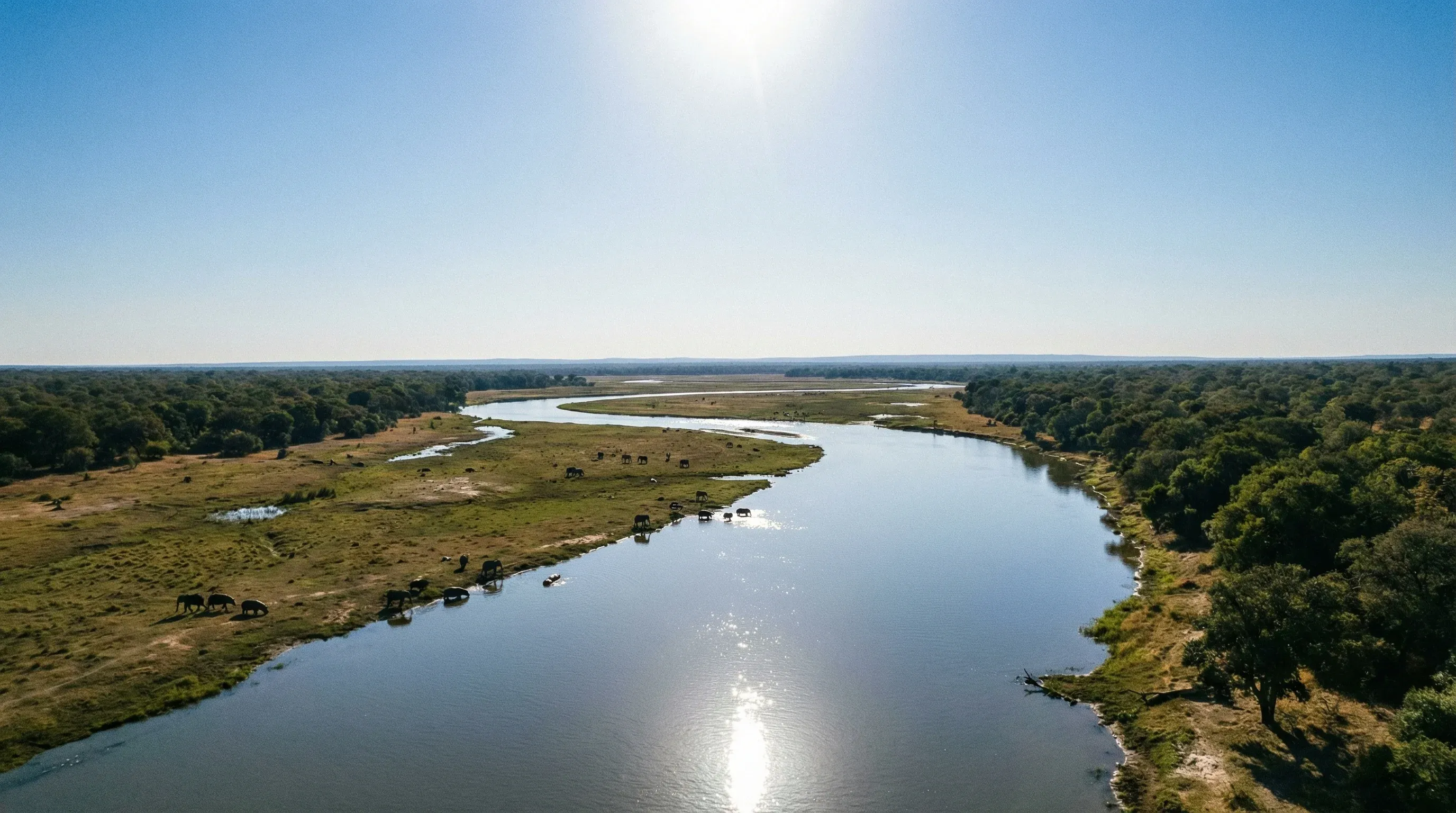
Liwonde National Park is widely considered the best game park in Malawi and one of the most scenic in Southern Africa. For families, it offers a safari experience that is manageable, rewarding, and distinct from the vast, dusty plains of the Serengeti or Kruger. The park's lifeblood is the Shire River, which flows from Lake Malawi. This constant water source attracts dense concentrations of wildlife, meaning you don't have to drive for hours to see animals. Elephants, hippos, and crocodiles are virtually guaranteed sightings, often within minutes of entering the park. The relatively small size of the park and the density of animals make it ideal for children who might lack the patience for long, empty game drives.
The landscape is a beautiful mix of riverine swamps, open floodplains, and mopane woodlands, dotted with ancient baobab trees that look like they've been plucked from a storybook. Since African Parks took over management, the park has been secured, and key species have been reintroduced, including cheetahs, lions, and black rhinos. The fencing is secure, and the guides are highly trained, making it a safe environment for family adventures. The humid, tropical atmosphere feels adventurous, filled with the sounds of bird calls and the grunt of hippos, immersing kids in the wild from the moment they arrive.
Key Attractions
The crown jewel of Liwonde National Park is the boat safari. Unlike being stuck in a car, a boat trip on the Shire River allows families to drift silently within meters of elephants drinking at the water's edge. It is a smooth, calm experience that allows children to move around slightly more than in a jeep. The river is also home to one of the densest hippo populations in Africa, and watching their antics (from a safe distance) is always a highlight.
On land, game drives in Liwonde National Park offer the chance to track the reintroduced predators. The park is also a birdwatcher's paradise with over 400 species; even kids who aren't "birders" will be impressed by the size of the Goliath Heron or the brightness of the various Kingfishers. Many lodges here are unfenced or have animals roaming freely through the grounds, so warthogs grazing by the breakfast table is a common and delightful occurrence.
Practical Advice
Liwonde is hot and humid. The best time to visit is the dry season (May to October) when animals congregate at the river. However, October is extremely hot (often 40°C/104°F). Tsetse flies are present in the woodlands; they have a painful bite. It is crucial to wear light-colored clothing (beige, khaki, olive) and avoid blue or black, which attract them. Insect repellent is a must.
Food & Drink
Typical meal times: Safari schedules dictate meals. Light breakfast 5:30 am; Brunch 11:00 am; High Tea 3:30 pm; Dinner 7:30 pm.
Typical meal costs: Almost all dining is within lodges and usually included in the full-board rate. If not, lunch is approx. MWK 18,000–25,000 ($10–14 USD / €9.50–13 EUR).
Dietary requirements: Safari lodges are very accustomed to international dietary needs. Inform them in advance, and they will cater to allergies and picky eaters.
Signature dishes:
- Game Drives Snacks – Not a specific dish, but the homemade cookies, biltong (dried meat), and savory muffins served during safari stops are a signature part of the experience.
- Chambo Fillet – Fresh fish from the nearby river system is a staple on lodge dinner menus.
Why this score?
The park offers a genuine wilderness experience with big game encounters, including elephants and rhinos, often viewed from small boats on the Shire River. The environment is rugged and wild, requiring visitors to stay in bush camps and follow strict safety protocols common in African wildlife reserves.
Why this score?
Being a protected wildlife area, there are no medical facilities within the park boundaries beyond basic first aid kits at luxury lodges. The nearest town of Liwonde has very limited medical services, and any serious incident would require a long road or air transfer to Blantyre or Lilongwe.
Why this score?
Liwonde is Malawi's premier safari destination, having gained international recognition through successful conservation management and wildlife reintroductions. Despite its high quality, it remains an 'off-the-beaten-path' choice for safari-goers who typically favor the better-known parks in neighboring Zambia or Tanzania.

Safari tourism is the most expensive part of a Malawi trip. International-standard lodges in the park range from MWK 440,000 to over MWK 1,000,000 (approx. $250–600+ USD / €230–550 EUR) per person per night, usually including meals and activities. There is a campsite for budget travelers, but you need your own vehicle and gear.

Getting Here & Around
Getting Here
- Driving – Roughly 3-4 hours from Lilongwe or 2 hours from Blantyre on paved roads until the park gate turn-off.
- Air – Charter flights land at the Liwonde National Park airstrip, a thrilling arrival for kids.
- Boat Transfer – Some lodges offer boat transfers from Liwonde town, turning the arrival into a mini-safari along the Shire River.
Getting Around
- Safari Vehicle – Open-sided 4x4s operated by lodges are the standard way to explore Liwonde National Park.
- Boat – Motorized safari boats are essential for seeing the riverfront wildlife.
- Walking – Guided nature walks are available but usually restricted to children over 12 due to safety regulations with dangerous game.
Nearby Airports (1 airport)
Chileka International
BLZBlantyre
View full flight map for Malawi →
Official Links

Packing List
Avoid blue and black strictly; these colors attract painful tsetse flies. Wear khaki or beige.
To ward off tsetse flies and mosquitoes in the humid river environment.
Crucial for birdwatching and seeing animals on the far bank of the river.
Safari roads can be very bumpy; comfort is key for the ladies.
Effective at deterring tsetse flies in the bush, which are often attracted to moving vehicles and not repelled by standard DEET.
Power cuts and load shedding are common; a hands-free light is essential for navigating lodges or reading bedtime stories in the dark.
Cash is vital for visas and tips. Notes must be in pristine condition and printed after 2013, or banks and merchants will reject them.
Roads in national parks and rural areas can be extremely corrugated and bumpy; extra support is highly recommended for comfort.
Multi-purpose: use as a dust cover in vehicles, a modest skirt for village visits, or a beach towel at the lake.
The heat in the Shire Valley can be intense; these are hard to find in remote areas and vital for keeping kids hydrated.

Activities & Best Times

Hiking, wildlife, outdoor exploration, ecotourism
Liwonde offers exceptional river-based safaris and rhino conservation experiences on the Shire River floodplains. Peak wildlife viewing occurs during the dry season (May-Oct) when animals congregate at the water, while heavy rains from Dec-Mar make tracks difficult to navigate.

Scenic drives, countryside tours, route-based travel
As a central pillar of the Southern Malawi Safari Circuit, the region offers scenic driving routes connecting the highlands to Lake Malawi. The dry season provides the safest and most visually clear conditions, whereas summer rains can impact road accessibility and visibility.

Urban tourism, museums, historical sites, architecture
The visitor center provides limited cultural context regarding the local community's relationship with the park and conservation efforts. It serves as a minor stop for travelers already in the region during the peak tourism window.

Learning experiences, scientific sites, historical education
Specialized conservation learning is available through the park's information center, focusing on rhino reintroduction and elephant management. These educational aspects are best experienced when the park is fully accessible during the dry winter months.

Sport tourism, fitness activities, active recreation
The wilderness and Chinguni Hill trails provide opportunities for guided bush walks and hiking in a raw African landscape. The cooler months of May to August are optimal for physical exertion, as humidity and heat become prohibitive during the late dry season and rains.




Public Holidays & Calendar Next 12 months
Public holidays, festivals, cultural celebrations, and seasonal natural phenomena coming up in Liwonde NP over the next 12 months.
Loading holidays and events...

Travel Advisory
Travellers should exercise increased vigilance due to high rates of crime and potential civil unrest. While the country is generally safe for tourism, specific precautions against violent crime (including carjackings and robberies) and during political demonstrations are recommended. Health risks such as waterborne diseases and limited medical infrastructure also require preparation.
Safety Topics
Traveller Advice (4 groups)

Female travellers, particularly those moving alone, may encounter verbal harassment or unwanted attention. It is advisable to avoid walking alone at night and to dress modestly in rural or conservative areas.

When planning to climb Mount Mulanje, it is strongly recommended to coordinate with the Mountain Club of Malawi for updated security and safety information. Trails can be poorly marked and weather conditions change rapidly.

Ensure all visas are arranged before travel as rules for Irish and other citizens have recently changed. Maintain copies of travel documents and be prepared for limited police assistance in rural areas.

Same-sex relationships are illegal and can lead to imprisonment. Public displays of affection are generally discouraged for all travellers but may carry higher risks for LGBTQ+ individuals due to local laws and social conservative norms.
Agency Summaries
Travellers should be more alert due to significant crime rates. Safety concerns include violent incidents such as carjackings and robberies, particularly in larger cities. Public transport is often overcrowded and road conditions can be hazardous, necessitating extra care when driving.
Vigilance is advised because of frequent violent crime, including muggings and residential break-ins. Periodic civil unrest and political protests may lead to road closures or the use of crowd control measures. Police resources are often limited in their ability to respond to emergencies.
While travel is generally safe, visitors should be mindful of petty theft and stay informed about the potential for demonstrations. There is a general global threat of terrorism. Medical facilities are limited, and health precautions for waterborne diseases are essential.
No specific elevated security warnings are in place, but travellers should maintain typical safety habits. Significant focus should be placed on health risks, including rabies and bilharzia, and ensuring comprehensive insurance for medical evacuations.
A high level of vigilance is required due to the risk of violent crime. Avoid walking after dark and be cautious at transit hubs. Travellers should be aware of risks such as drink spiking and ensure all entry permits are secured prior to arrival.
Standard safety measures are recommended. New entry regulations require many visitors to obtain a visa in advance via the official government portal. Maintain awareness of local news and follow the instructions of local authorities during your stay.
Information is provided for general guidance only and does not constitute travel, safety, medical, or legal advice. Conditions may change. Users are responsible for independently verifying information before travel.