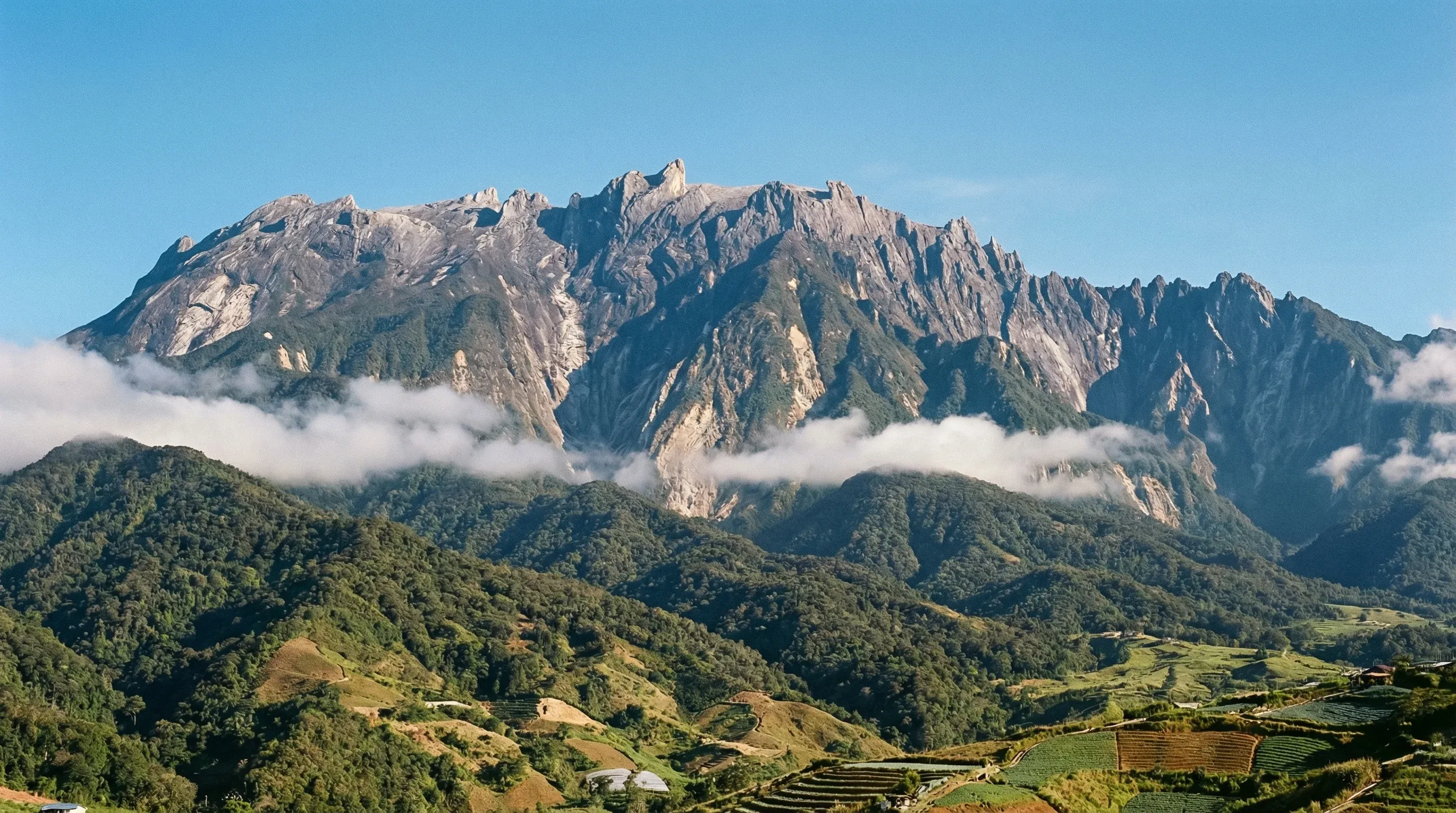

Malaysian Borneo - Sabah (Mt Kinabalu, Sepilok)
Wild rainforests, orangutans, and island adventures 🦧🏔️
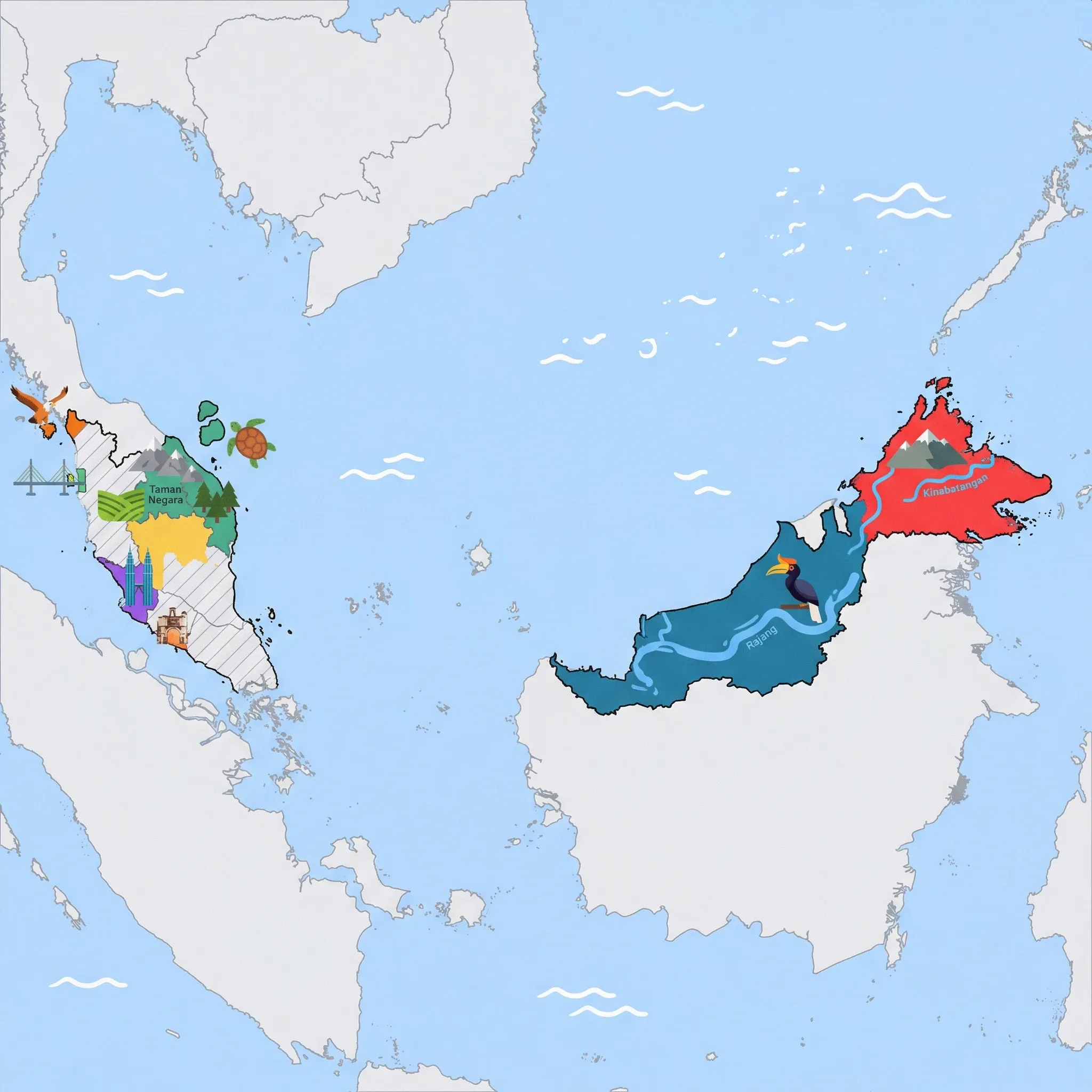
Click a region to explore
⚠️ SAFETY WARNING: Due to the risk of kidnapping by militant groups, government agencies (including CA, USA, UK, AU, and NZ) advise travelers to reconsider travel to the eastern coastal areas of Sabah (from Sandakan to Tawau) and nearby islands. The main tourist hubs of Kota Kinabalu and Mount Kinabalu in the west are generally considered safer. Families are strongly urged to consult their own government's official travel advisory before considering a trip, as circumstances and risk assessments vary.
Overview
Sabah offers some of the best wildlife experiences in Asia, making it a bucket-list destination for families who love nature. The state is divided roughly into the west coast (beaches, islands, and mountains) and the east coast (rainforests and river safaris). The vibe here is adventurous but accessible; you can be trekking in a primary rainforest in the morning and relaxing at a 5-star resort by sunset.
The cultural tapestry is distinct from Peninsular Malaysia, with indigenous traditions playing a large role. Children will be captivated by the sheer biodiversity—this is one of the few places on earth to see orangutans, pygmy elephants, and proboscis monkeys in the wild. While distances can be long, the infrastructure for tourism is well-established, with plenty of family-friendly resorts and guided tours designed to make the wilderness accessible.
Key Attractions
In the west, Kinabalu Park is a UNESCO World Heritage site where families can enjoy cool mountain air and nature trails at the base of Mount Kinabalu. The nearby Kundasang War Memorial offers history and beautiful gardens. For a relaxing day trip, a boat ride to Manukan Island in the Tunku Abdul Rahman Marine Park offers shallow, fish-filled waters perfect for snorkeling with kids.
In the east (check safety advisories), the Sepilok Orangutan Rehabilitation Centre is the most famous spot to see primates during feeding times. Next door, the Rainforest Discovery Centre (RDC) features a sturdy canopy walkway that allows children to walk high among the treetops safely. The Lok Kawi Wildlife Park near the capital is a good alternative for seeing Borneo's animals if you cannot travel to the deep jungle.
Practical Advice
Flights between Kota Kinabalu (BKI) and Sandakan (SDK) save hours of driving. The jungle is hot and humid; dress kids in breathable, quick-dry clothing. Leeches are common on treks—leech socks are recommended.
Food & Drink
Typical meal times: Lunch 12:00 pm to 2:00 pm. Seafood dinners are popular and often eaten late, around 7:30 pm.
Typical meal costs: Seafood is the highlight and can vary, but a family feast costs approx. MYR 150–250 (approx. $32–53 USD / €30–50 EUR). Noodle dishes cost MYR 10–15 (approx. $2–3 USD / €2–3 EUR).
Dietary requirements: Seafood is ubiquitous. Vegetarian options are available but less varied than on the peninsula. Rice is the staple.
Signature dishes:
- Tuaran Mee – A traditional handmade egg noodle dish from Tuaran town, usually fried with egg and served with slices of sweet roast pork (or chicken) and vegetables.
- Hinava – A raw fish salad (similar to ceviche) marinated in lime juice, ginger, chilli, and shallots; a Kadazan-Dusun specialty.
- Seafood – Fresh tiger prawns and grouper are cheaper and fresher here than almost anywhere else in Malaysia.
Why this score?
The region offers significant adventure, from summiting a 4,000-meter peak to navigating the remote Kinabatangan River and Danum Valley. The terrain is rugged, and many wildlife encounters take place in deep rainforest environments.
Why this score?
Kota Kinabalu has excellent private hospitals like Gleneagles Sabah that cater well to foreigners. However, medical infrastructure is much more sparse in the interior, with significant travel times from remote adventure sites to quality care centers.
Why this score?
Sabah is globally recognized for its unique wildlife and the iconic Mount Kinabalu, drawing a steady stream of eco-tourists and climbers. While less visited than Peninsular Malaysia, it is a bucket-list destination for nature enthusiasts worldwide.

Sabah can be more expensive than the peninsula due to logistics. Jungle lodges range from basic (MYR 200 / $42 USD) to luxury (MYR 1500+ / $315 USD). Seafood is excellent value. Transport between cities adds to the cost.

Getting Here & Around
Getting Here
- Airports – Kota Kinabalu International Airport (BKI) is the main entry point with international connections. Sandakan (SDK) and Tawau (TWU) serve the east coast.
- Ferry – Ferries connect Kota Kinabalu to Labuan and Brunei, though flying is generally preferred by families.
Getting Around
- Plane – The best way to cross the state (e.g., Kota Kinabalu to Sandakan) is a 45-minute flight. The bus takes 6+ hours on winding roads.
- Car/Driver – Renting a car is possible in the west coast cities. For jungle excursions (like Kinabatangan River), package tours with transfers are safer and easier.
- Boat – Essential for island hopping in Tunku Abdul Rahman Marine Park.
Nearby Airports (4 airports)
Kota Kinabalu International
BKIKota Kinabalu
Lahad Datu
LDULahad Datu
Sandakan
SDKSandakan
Tawau
TWUTawau
View full flight map for Malaysia →
Official Links

Packing List
Essential for jungle trekking, especially after rain, to prevent bites.
Crucial for spotting wildlife high in the canopy during river cruises.
Protects gear during boat transfers and sudden tropical downpours.
Many eco-lodges have limited electricity or unlit paths at night.
You will remove shoes constantly at temples, homes, and even some shops/hostels.
Essential for kids to prevent dengue; easier to apply than sticky sprays.
Many public toilets only provide a water hose; carry your own paper.
Useful for modesty at mosques and as a light cover-up against powerful A/C.

Activities & Best Times

Hiking, wildlife, outdoor exploration, ecotourism
A world-class destination for rainforest immersion, featuring iconic wildlife like orangutans at Sepilok and the unique ecosystem of Mt Kinabalu. Drier months are essential for safe trekking and optimal wildlife spotting along the Kinabatangan River.

Urban tourism, museums, historical sites, architecture
Kota Kinabalu offers a vibrant mix of modern culture, heritage museums, and significant war memorials. The drier season provides more comfortable conditions for exploring the city's markets and botanical gardens on foot.

Sport tourism, fitness activities, active recreation
Home to the world's highest Via Ferrata and world-renowned trekking routes on Mt Kinabalu. Weather is a critical factor, as summit trails often close during the heavy rains and high winds of the monsoon season.

Beach resorts, marine activities: diving, snorkelling, kite surfing, wind surfing, sailing
Features significant marine biodiversity at Selingan Turtle Island and accessible coastal resorts near Kota Kinabalu. Peak months offer the calmest seas and best underwater visibility, while the year-end monsoon brings rougher conditions.

Learning experiences, scientific sites, historical education
The Rainforest Discovery Centre and Sepilok are destination-level facilities for learning about tropical conservation and marine ecology. Peak months ensure better access to outdoor interpretive trails and active wildlife research stations.

Scenic drives, countryside tours, route-based travel
Scenic highland routes from Kota Kinabalu toward Ranau provide spectacular views of the Crocker Range and the Tip of Borneo. Drier months are preferred for road safety and clear visibility of the iconic mountain vistas.

Amusement parks, family entertainment venues
Unique attractions like the Upside Down House and marine museums provide solid family entertainment. Peak visitation coincides with drier weather and the December school holiday period when these venues are most active.

Spa retreats, wellness centers, peaceful getaways
Natural hot springs at Poring offer a restorative experience typically combined with adventure travel. Seasonal timing reflects the months when access is easiest and the natural surroundings are most pleasant.

Attractions (28 total)



Public Holidays & Calendar Next 12 months
Public holidays, festivals, cultural celebrations, and seasonal natural phenomena coming up in Malaysian Borneo - Sabah (Mt Kinabalu, Sepilok) over the next 12 months.
Loading holidays and events...

Travel Advisory
All major agencies maintain a baseline advisory level of 'Normal Precautions' for Malaysia as a whole. While the country is generally safe, all agencies highlight a specific and significant security risk (including kidnapping and terrorism) in the eastern coastal regions of Sabah, particularly on offshore islands.
Safety Topics
Traveller Advice (3 groups)

To respect local cultural and religious sensitivities, particularly in rural or conservative areas and at places of worship, it is recommended to dress modestly and behave discreetly.

Ensure you submit the mandatory Digital Arrival Card (MDAC) online before your trip. Use reputable ride-hailing services rather than hailing taxis on the street, especially at night.

Same-sex relationships are illegal under both federal and Sharia law, which can apply to tourists. Public displays of affection may lead to police intervention, fines, or imprisonment. Exercise extreme discretion.
Agency Summaries
Irish citizens can visit for up to 90 days without a visa. Visitors are encouraged to follow standard safety routines and ensure they have comprehensive travel insurance.
Travelers should follow standard safety procedures in most of the country. Increased vigilance is required in eastern Sabah due to the threat of kidnapping by criminal and extremist groups.
Malaysia is considered generally safe, though visitors are advised to maintain standard safety awareness. A higher degree of caution is recommended specifically for the eastern coastal regions of Sabah due to security threats.
The overall advice level is at its lowest, but travelers are warned about kidnapping risks in the coastal areas of eastern Sabah and advised to monitor local weather due to seasonal flooding.
General travel to Malaysia is safe, but the government advises against all but essential travel to the islands and dive sites off the coast of eastern Sabah. Petty crime and a general threat of terrorism exist.
The general security situation is stable. However, regional escalations exist for the islands and coastal areas of eastern Sabah, where the threat of kidnapping for ransom is significant.
Information is provided for general guidance only and does not constitute travel, safety, medical, or legal advice. Conditions may change. Users are responsible for independently verifying information before travel.