
Bamako & South
The rhythmic heart of Mali where the Niger River flows 🥁🌊
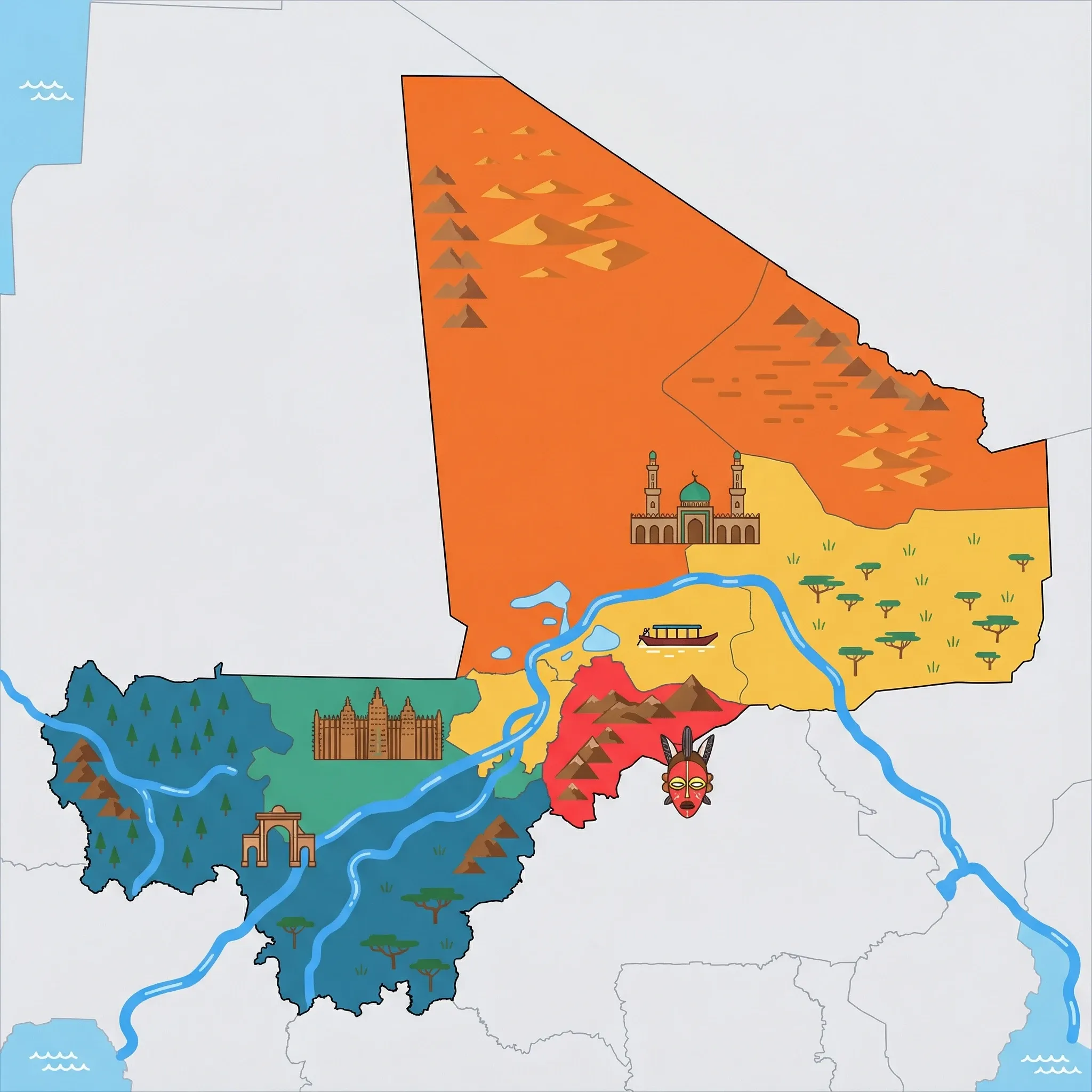
Click a region to explore
⚠️ SAFETY WARNING: Due to the persistent threat of terrorism and kidnapping, government agencies (including CA, USA, UK, and AU) advise travelers to avoid all travel to Mali, including Bamako and the south. While the capital is generally more secure than the north, attacks on locations frequented by Westerners have occurred. Families are strongly urged to consult their own government's official travel advisory before considering a trip, as circumstances and risk assessments vary.
Overview
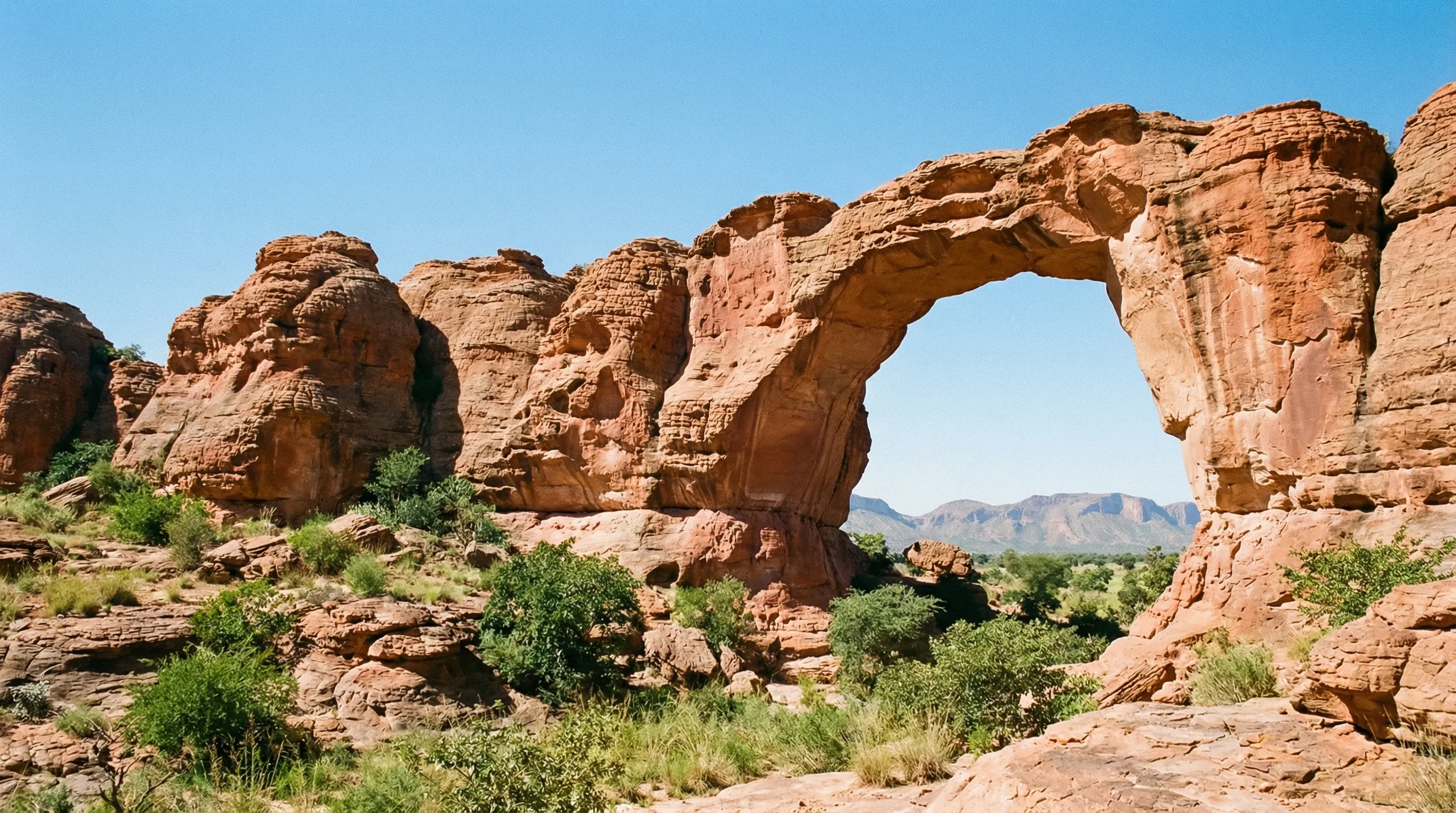
Bamako, the sprawling capital of Mali, is a city that moves to a relentless rhythm. Situated on the banks of the Niger River, it is the economic and cultural hub of the nation, where the ancient traditions of the Manding empire blend with the chaotic energy of a modern African metropolis. For families interested in West African history, the south of Mali offers a landscape that changes from the sandstone cliffs of the Manding Mountains to the lush, agricultural breadbasket of Sikasso. The air here is often filled with the sounds of kora and balafon, as this region is the birthplace of some of the world's most renowned diverse musical traditions.
Culturally, the south is dominated by the Bambara and Malinké peoples, known for their warm hospitality and complex social structures. The markets are a riot of color, smelling of shea butter, roasted peanuts, and smoked fish. While the security situation restricts movement, the region historically serves as the gateway to the cooler, greener highlands near the borders of Burkina Faso and Côte d'Ivoire. The southern region is also home to significant forest reserves and waterfalls, marking a stark contrast to the encroaching Sahara in the north. The climate here is tropical, with a distinct rainy season that turns the red earth into a vibrant green landscape.
Key Attractions
The lifeblood of the region is undoubtedly the Niger River. It is not just a body of water but a highway of commerce and culture. In more peaceful times, families would take pirogue rides at sunset to watch the fishermen cast their nets and see the city from a serene distance. The riverbanks are often bustling with laundry washing, gardening, and brick-making, offering a window into daily life in Bamako. Further downstream lies the town of Ségou, famous for its red clay architecture and the annual Festival on the Niger. This festival is one of West Africa's premier cultural events, showcasing music, dance, and puppet masquerades that mesmerize children and adults alike. It celebrates the river's role in connecting the diverse ethnic groups of the region.
Practical Advice
The best time to visit the south is during the cooler dry season from November to February. From March to May, temperatures in Bamako can soar, making travel with children difficult. The rainy season (June to October) brings relief from the heat but can make unpaved roads in the south impassable. Malaria prophylaxis is essential for all family members. French is the official language, but Bambara is the lingua franca; learning a few greetings is essential for polite interaction.
Food & Drink
Typical meal times: Lunch is the main meal of the day, typically eaten from 1:00 pm to 2:30 pm. Dinner is served later, usually between 8:00 pm and 9:30 pm.
Typical meal costs: A mid-range meal in Bamako costs roughly 4,000–8,000 XOF (approx. $6.50–13.00 USD / €6.00–12.00 EUR). Street food is much cheaper, often under 1,000 XOF (approx. $1.60 USD / €1.50 EUR).
Dietary requirements: Vegetarian options are generally available as rice and vegetable sauces are staples, though meat stock is often used. Peanuts are ubiquitous, so those with nut allergies must be extremely cautious. Gluten-free travelers can rely on rice and millet dishes but should ask about flour thickeners.
Signature dishes:
- Tigadèguèna (Mafé) – A rich, hearty meat stew simmered in a peanut butter sauce, usually served over white rice. It is the beloved national dish.
- Capitaine à la Braise – Fresh Nile Perch from the Niger River, marinated in spices and grilled over charcoal, often served with aloko (fried plantains).
- Fakoye – A dark, earthy sauce made from leaves found in the north but popular in Bamako, served with rice or millet.
Why this score?
The region offers moderate adventure through the Manding Mountains' hiking trails and Niger River boat trips. While urbanized compared to the north, the lack of modern infrastructure and the logistical challenge of navigating the city provide a mild ruggedness for visitors.
Why this score?
Bamako contains Mali's highest-quality medical facilities, including private clinics like Clinique Pasteur which cater to expats and have some English-speaking staff. Despite being the national best, care remains below international standards, and emergency evacuation insurance is strongly recommended.
Why this score?
As the nation's primary international gateway and business hub, Bamako receives the majority of the country's limited visitor flow, including NGOs and business travelers. However, widespread travel advisories and regional instability have reduced leisure tourism to a small niche compared to global standards.

Bamako is generally more expensive than the countryside due to the presence of international organizations. Western-style hotels with security are pricey, ranging from 80,000–150,000 XOF (approx. $130–245 USD / €120–230 EUR) per night. Local dining is affordable, with hearty plates of rice and sauce costing 2,000–4,000 XOF (approx. $3.25–6.50 USD / €3.00–6.00 EUR).

Getting Here & Around
Getting Here
- Airports – Bamako-Sénou International Airport (BKO) is the primary gateway, receiving flights from Paris, Casablanca, and regional African capitals.
- Road – Long-distance buses connect Bamako to neighboring countries, though land borders may be subject to closure or security checkpoints.
Getting Around
- Taxis – In Bamako, yellow and green taxis are the standard way to get around. They are plentiful but rarely have seatbelts. Negotiation is required before entering.
- Sotramas – These are green private minibuses that serve as public transport. They are extremely crowded, hot, and not recommended for families with young children or luggage.
- Car Hire – Renting a 4x4 with a driver is the safest and most reliable option for families needing to move between secure locations.
Nearby Airports (1 airport)
Bamako Senou
BKOBamako
View full flight map for Mali →
Official Links

Packing List
English is rarely spoken outside top hotels; basic French is vital for daily interactions.
Power cuts (load shedding) are frequent in Bamako and can last for hours.
Malaria risk is high; accommodation nets may have holes or be missing.
Running water and soap can be scarce in public places and markets.
Power outages are frequent in Bamako and almost guaranteed elsewhere; street lighting is minimal.
Credit cards are virtually useless outside top hotels; ATMs are unreliable. Euros exchange easily.
Tap water is unsafe. Bottled water is available but a backup purification method is essential for emergencies.
Physical proof of vaccination is strictly checked at the airport border control upon arrival.
Extreme heat and potential stomach bugs make dehydration a rapid risk for children.
Mali is conservatively Muslim; covering shoulders and knees is respectful and avoids unwanted attention.

Activities & Best Times

Hiking, wildlife, outdoor exploration, ecotourism
Features unique West African landscapes including the Manding Mountains and the Niger River valley. Peak visitation occurs during the cooler dry season to allow for comfortable trekking and wildlife observation at the national zoo and parks.

Urban tourism, museums, historical sites, architecture
Bamako offers world-class cultural assets like the National Museum and vibrant markets with distinct Sudanese architecture. The cooler months of November to February provide the only comfortable window for exploring these dense urban environments.

Events, celebrations, seasonal attractions
Festival on the Niger is internationally recognized. While not as globally famous as Festival au Désert, it still attracts international visitors and deserves better than 'marginal'.

Scenic drives, countryside tours, route-based travel
Iconic routes like the Niger River Cultural Road offer sophisticated travelers authentic glimpses into rural Malian life. Peak months offer the best road conditions and visibility before the dust of the Harmattan or the heavy monsoon rains.

Sport tourism, fitness activities, active recreation
The Manding Mountains provide distinctive trekking and cycling trails for active families. Extreme heat in the spring and heavy rains in the summer create significant barriers to physical activity during the off-season.
Amusement parks, family entertainment venues
Local water and amusement parks provide supplementary entertainment for families but lack the scale of international destination parks. Best visited when temperatures are moderate to avoid the extreme pre-monsoon heat.




Public Holidays & Calendar Next 12 months
Public holidays, festivals, cultural celebrations, and seasonal natural phenomena coming up in Bamako & South over the next 12 months.
Loading holidays and events...

Travel Advisory
All major international travel agencies maintain their highest risk rating for Mali, advising against all travel due to extreme security threats including terrorism, kidnapping, and civil instability.
Safety Topics
Traveller Advice (2 groups)

Anyone currently in the country should leave immediately via commercial air travel while it remains available. If you must stay, maintain a personal emergency plan and consider hiring professional security services.

Aid workers face a critical risk of kidnapping for ransom by extremist groups. Operations outside of Bamako are extremely dangerous and lack government protection or support.
Agency Summaries
U.S. authorities recommend against any travel due to extreme levels of violent crime, terrorism, and kidnapping. While embassy operations have been normalized, government personnel are strictly limited to the capital, and help outside Bamako is unavailable.
The Irish Department of Foreign Affairs strongly advises against all travel. With no local embassy presence, the ability to provide emergency consular assistance is severely limited, and citizens are urged to leave via commercial air routes.
Australia urges citizens to avoid Mali entirely. There is a very high danger of terrorist activity and kidnapping throughout the country. Australians already present should consider departing while commercial flights are still operational.
The Canadian government warns against all travel to Mali because of persistent threats from terrorist organizations, high kidnapping risks, and widespread banditry. Recent fuel shortages have further complicated domestic transportation and essential services.
New Zealand classifies Mali as a no-travel zone due to extreme insecurity, violent banditry, and the threat of terrorism. The withdrawal of international peacekeeping forces has increased regional instability and risks for foreigners.
The FCDO advises against all travel to Mali citing highly unpredictable security and a significant threat of kidnapping. Militant blockades on major roads and fuel supply routes have increased risks for those attempting to travel by land.
Information is provided for general guidance only and does not constitute travel, safety, medical, or legal advice. Conditions may change. Users are responsible for independently verifying information before travel.