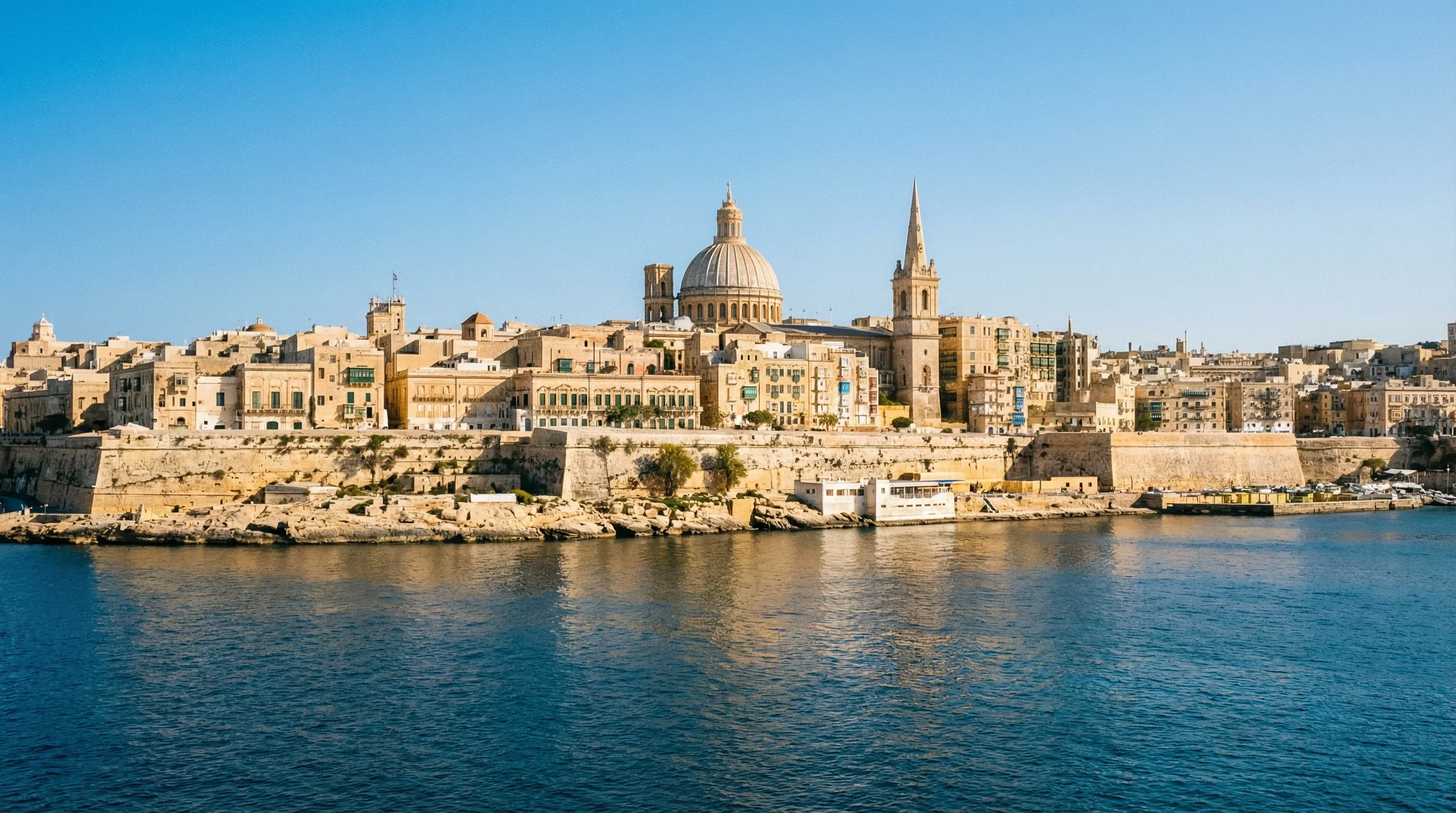

Malta (main island - Valletta, Mdina)
Knightly adventures and golden bays in the heart of the Mediterranean 🛡️☀️
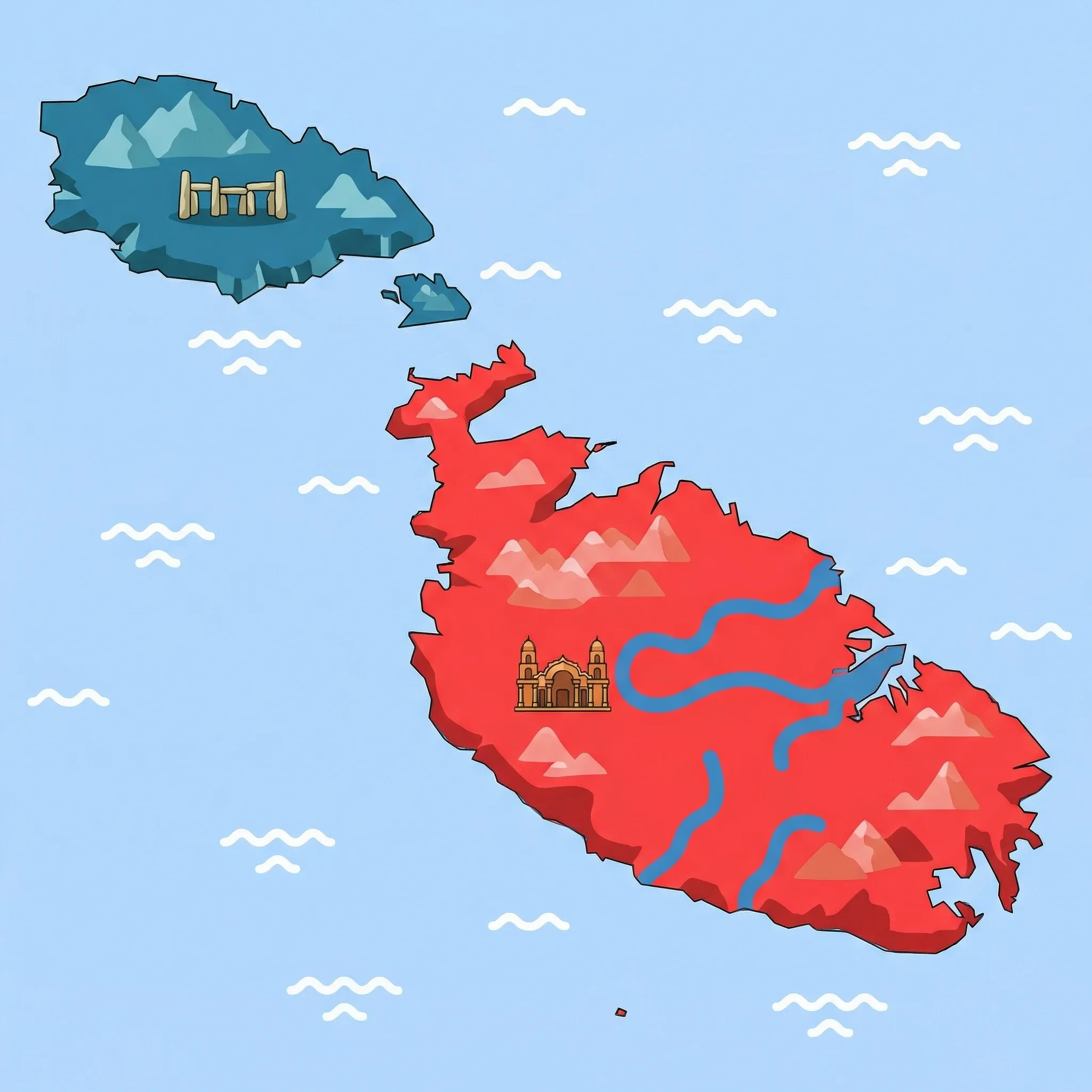
Click a region to explore
Mainland Malta is a destination that packs an incredible amount of culture and activity into a small footprint. For families, it offers a rare combination: real history that feels like an adventure movie (think Knights of St. John, cannons, and dungeons) alongside classic Mediterranean beach fun. The island is bustling and energetic, with a landscape dominated by golden limestone architecture that glows pink at sunset. While the traffic can be heavy and the pace fast in the harbour areas, the island offers diverse pockets of experience—from the resort vibes of the north to the quiet, rugged cliffs of the west.
Culturally, Malta is very welcoming to children. It is common to see kids out late at family dinners, and locals are generally helpful to parents with strollers, despite the occasionally challenging uneven pavements. The island is an open-air museum where history isn't locked behind glass; kids can walk through city gates that have stood for centuries and swim in waters where WWII battles were fought. Whether you are exploring the Grand Harbour by boat or eating ice cream on the Sliema promenade, the blend of British colonial heritage and Mediterranean laid-back charm makes it easy for English-speaking families to navigate.
Key Attractions
A must-visit is Mdina (The Silent City). This medieval walled city is largely pedestrianized, allowing children to safely explore its maze-like alleys. It feels like a film set (and was one for *Game of Thrones*). Don't miss the views from the bastions and the famous chocolate cake at the tearooms on the walls. In the capital, Valletta, Fort St. Elmo - National War Museum is fantastic for kids, housing the plane 'Faith' and offering plenty of open space to explore ramparts. The daily firing of the cannons at the Saluting Battery (Upper Barrakka Gardens) at 12:00 pm and 4:00 pm is a loud, thrilling spectacle that children love.
For nature and wildlife, the Malta National Aquarium in Qawra is excellent. It features a walk-through tunnel with sharks and rays, and a huge nautical-themed playground just outside. If you are looking for sand, Mellieħa Bay in the north has the longest stretch of sandy beach with very shallow water, perfect for young swimmers. In the south, a trip to Marsaxlokk Fishing Village lets kids see the colourful 'Luzzu' boats with their painted eyes (to ward off evil spirits), followed by a short boat trip to the stunning Blue Grotto arch.
Practical Advice
Avoid the peak heat of August if possible, as walking around stone cities becomes exhausting for little ones. The shoulder seasons (April-June, September-October) offer the best balance of weather and crowd levels. If you plan to visit the Ħal Saflieni Hypogeum, you must book weeks or even months in advance as entry is strictly limited; however, note that children under 6 are not admitted to the Hypogeum. Public transport is affordable but buses can be crowded; consider using ride-hailing apps for short, stress-free hops.
Food & Drink
Typical meal times: Lunch is usually 12:30 pm to 2:30 pm. Dinner service starts around 7:00 pm, though many locals eat closer to 8:30 pm. Most places are flexible with hungry kids.
Typical meal costs: A main course in a casual restaurant costs €15–25 (approx. $16–27 USD / £13–21 GBP). Local snacks like pastizzi are incredibly cheap, costing around €0.50–0.80 ($0.55–0.90 USD / £0.40–0.70 GBP) each.
Dietary requirements: Very good. English is an official language, so communicating allergies is easy. Vegetarian and vegan options are widespread in tourist areas, though traditional rabbit stews are meat-heavy.
Signature dishes:
- Pastizzi – Flaky, diamond-shaped phyllo pastries filled with either ricotta cheese or mushy peas. The ultimate cheap, greasy, delicious snack found on every corner.
- Fenek (Rabbit) – The national dish, usually fried with garlic or served as a stew with spaghetti. It’s rich and gamey.
- Timpana – A heavy pasta pie: macaroni enclosed in pastry and baked. A distinctively carb-heavy comfort food that kids usually devour.
Why this score?
The main island is one of the most densely populated areas in Europe, with a landscape that is primarily urban or suburban. While there are some coastal cliffs and small nature parks like Majjistral, the tourism experience is largely focused on historic cities, beaches, and developed resorts.
Why this score?
Malta boasts an excellent healthcare system by European standards, centered around the modern Mater Dei Hospital. The universal use of English among medical professionals and the island's experience with medical tourism ensure high-quality, accessible care for foreign visitors.
Why this score?
As the primary hub for the country's tourism industry, the main island hosts the vast majority of Malta's 52,000 hotel beds and international arrivals. Iconic sites like Valletta, the Hypogeum, and St. Julian's attract a steady stream of international visitors year-round, placing it firmly among well-known European destinations.

Malta offers good value compared to Italy or France. Budget family hotels cost €80–120 (approx. $85–130 USD / £65–100 GBP) per night outside peak August. Transport is cheap: bus tickets are €2.00–2.50 ($2.15–2.70 USD / £1.70–2.10 GBP). Attraction entry fees can add up; for example, the Aquarium is approx €15 ($16 USD / £13 GBP) for adults.

Getting Here & Around
Getting Here
- Airports – Malta International Airport (MLA) is the sole airport, located in Luqa. It is well-connected to major European hubs. It's a 20-minute drive to Valletta or 40 minutes to the northern beaches.
- Ferry – High-speed catamarans connect Valletta to Sicily (Pozzallo) in about 90 minutes, making dual-destination trips easy.
- Cruise – Large cruise ships dock at the Valletta Waterfront, a short lift ride or walk from Fort St. Elmo - National War Museum.
Getting Around
- Bus – Tallinja buses cover the whole island. They are cheap (kids under 4 free), but often run late due to traffic. The routes to Mellieħa Bay can get very crowded in summer.
- Ferry – The ferry between Sliema and Valletta is a cheap, scenic delight for kids, avoiding the traffic and offering great views of Mdina (The Silent City) in the distance.
- Car – Useful for reaching the south or west coast, but parking in towns like Sliema or Valletta is notoriously difficult.
Nearby Airports (1 airport)
Malta International Airport
MLAMalta
View full flight map for Malta →

Packing List
Malta uses the British 3-pin plug system, unlike the rest of glorious Europe.
The sun is extremely strong, and jellyfish are occasionally present in summer waters.
Pavements can be narrow, high, and uneven; a lightweight umbrella stroller may struggle on cobblestones.
Tap water is safe but tastes slightly salty (desalinated); keeping bottled water cool is a challenge in summer.
Many of the best swimming spots, including the Blue Lagoon, have rocky entries and sea urchins.
Churches like St. John's Co-Cathedral strictly enforce dress codes; shoulders and knees must be covered.
Malta uses the British 3-pin rectangular plug system, which surprises many European travellers.
Valletta and Mdina have many steep steps and cobblestones where pushchairs struggle.
Sandflies and mosquitoes can be active on summer evenings, especially near the coast.

Activities & Best Times

Urban tourism, museums, historical sites, architecture
Home to the UNESCO-listed Valletta and the 'Silent City' of Mdina, the island offers dense, world-class Baroque architecture and authentic Mediterranean heritage. Spring and autumn provide the best climate for urban exploration; summer heat can be intense for walking tours.

Hiking, wildlife, outdoor exploration, ecotourism
The island features dramatic limestone cliffs and coastal trails like the Dingli Cliffs, alongside several wildlife and activity centers suitable for families. Optimal for trekking and nature exploration during the blooming spring or mild autumn, avoiding the arid summer heat.

Sport tourism, fitness activities, active recreation
Features internationally recognized infrastructure for sailing and well-established hiking routes like the Victoria Lines. Activity is best in transitional seasons when the weather supports strenuous land sports; mid-summer is too hot for most activities outside of water sports.

Beach resorts, marine activities: diving, snorkelling, kite surfing, wind surfing, sailing
Offers high-quality sandy beaches at Mellieħa and unique geological swimming spots like the Blue Grotto with excellent water clarity. Peak visitation aligns with the hottest months for swimming and boat excursions, while winter sea conditions are unsuitable for beach activities.

Learning experiences, scientific sites, historical education
Features significant purpose-built facilities like Esplora Interactive Science Centre and the National Aquarium that provide world-class family learning experiences. Most facilities are indoor, but peak periods align with the general tourist season for integrated family travel.

Scenic drives, countryside tours, route-based travel
The island hosts several designated scenic routes, including the South Coast and Victoria Lines drives, offering dramatic Mediterranean vistas. Best experienced when visibility is high and daylight is long; winter months can be prone to heavy rainfall that obscures views.

Events, celebrations, seasonal attractions
Hosts internationally recognized events like Isle of MTV and the Fireworks Festival, which attract a global audience. These events are strictly seasonal, with April and July serving as the primary months for these major cultural celebrations.
Amusement parks, family entertainment venues
Includes unique attractions like the Popeye Village film set and Mediterraneo Marine Park, though these are more regional than globally dominant entertainment hubs. Most parks are outdoors and operate fully during the summer school holiday window.

Attractions (29 total)



Public Holidays & Calendar Next 12 months
Public holidays, festivals, cultural celebrations, and seasonal natural phenomena coming up in Malta (main island - Valletta, Mdina) over the next 12 months.
Loading holidays and events...

Travel Advisory
Malta is assessed as a low-risk destination by all major international agencies. Standard personal safety awareness and common sense are sufficient for most travellers. No major security or safety threats are present beyond typical urban petty crime.
Safety Topics
Traveller Advice (3 groups)

Malta is highly progressive and consistently ranks as one of the most LGBT-friendly countries in the world. Legal protections are strong and social acceptance is very high across the islands.

While the country is generally safe, physical and sexual assaults have been reported in nightlife districts like Paceville. Travellers should remain vigilant in these areas, especially where alcohol consumption is high, and never leave drinks unattended.

Dual nationals are recognized by the Maltese government; however, unlike some countries, dual citizens are not subject to mandatory military service requirements.
Agency Summaries
The U.S. Department of State classifies Malta as a Level 1 destination, indicating a low risk to safety and security. Travellers should follow standard safety protocols and remain aware of their surroundings. Passport validity should be checked to ensure compliance with Schengen Area requirements.
Malta is a safe destination for British nationals with no specific travel restrictions in place. Travellers should stay informed about the global risk of terrorism and ensure their travel documents meet Schengen requirements, including passport issue dates and validity periods.
The Irish government advises normal safety measures for visitors to Malta. Irish citizens do not require a visa for entry but are encouraged to register with authorities if staying for more than 90 days. Standard vigilance regarding personal belongings is recommended.
There is currently no specific travel advisory for Malta, meaning New Zealanders should follow baseline safety protocols. Comprehensive travel insurance is highly recommended, especially to cover potential medical evacuations given the island's geography.
Australia advises travellers to use common sense and maintain standard precautions. While generally safe, petty crime and nightlife-related rowdiness are present in tourist hubs. Australia maintains a reciprocal healthcare agreement with Malta providing access to public medical facilities for short stays.
Malta is considered a low-risk destination where travellers should maintain standard safety awareness. Petty crimes such as pickpocketing and bag snatching occur in crowded areas and nightlife districts. Travellers are advised to be cautious in the Paceville area where large crowds and alcohol consumption can lead to incidents.
Information is provided for general guidance only and does not constitute travel, safety, medical, or legal advice. Conditions may change. Users are responsible for independently verifying information before travel.