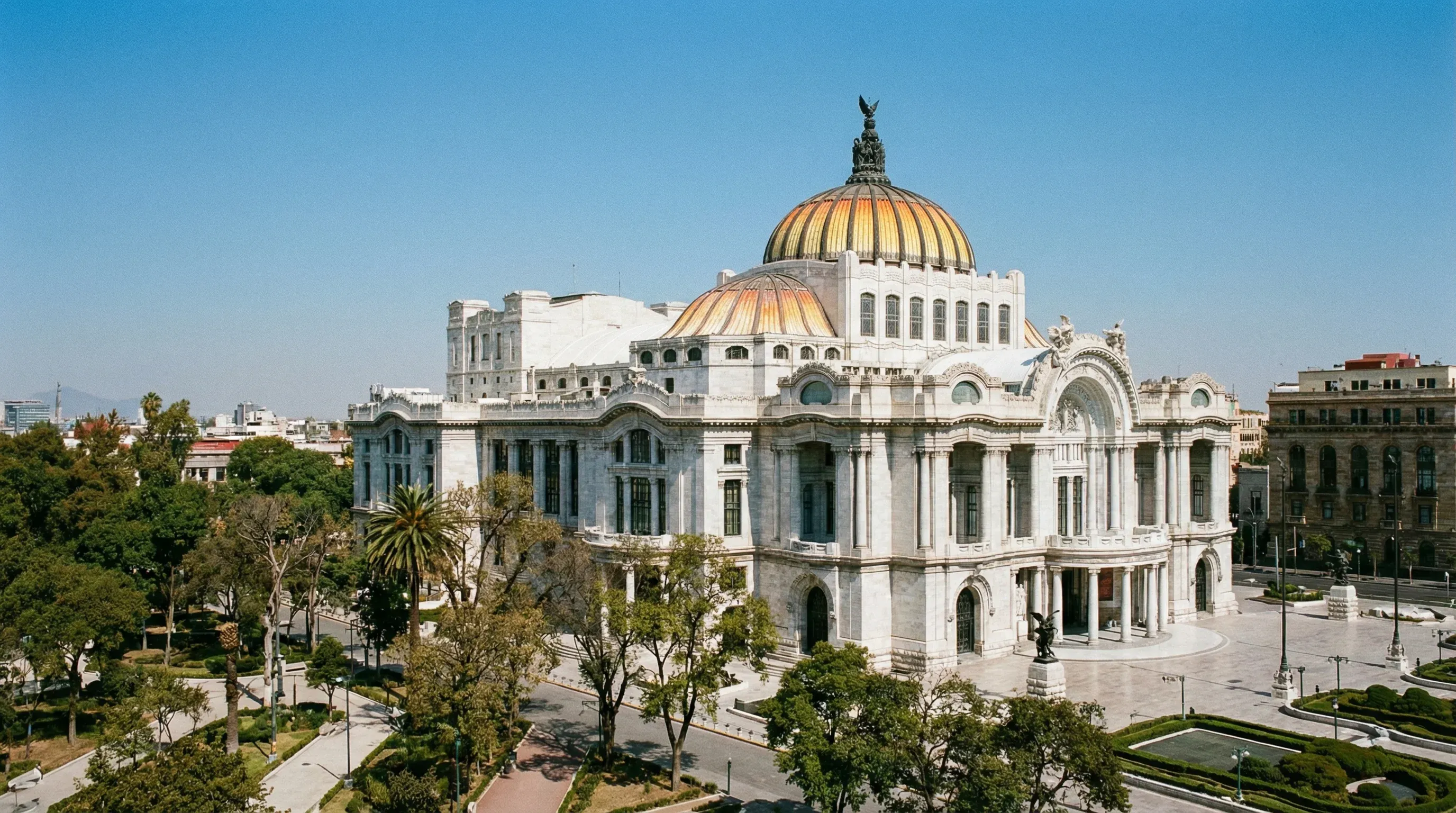

Central Highlands & Mexico City Region
Ancient pyramids and modern energy in the clouds 🏛️🏙️
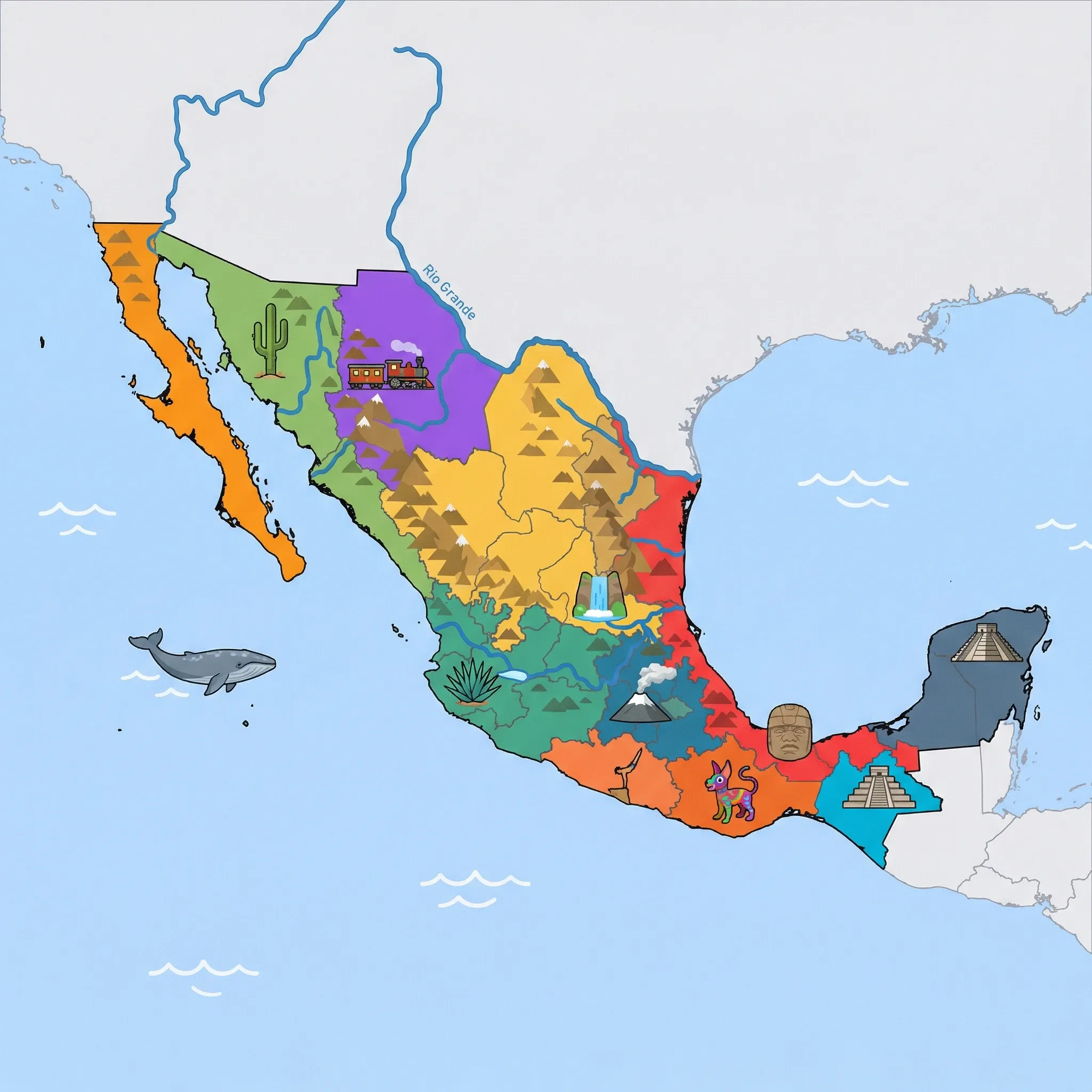
Click a region to explore
The Central Highlands, anchored by the sprawling metropolis of Mexico City (CDMX), offers an incredible density of culture, history, and activity. Sitting at over 2,200 meters (7,200 feet) above sea level, the climate is temperate and spring-like year-round, though evenings can be crisp. For families, this region is an educational goldmine. You can walk through centuries of history in a single afternoon, moving from Aztec temple ruins to Spanish colonial cathedrals and modern skyscrapers. The energy here is palpable, but so is the warmth of the people, who are generally very welcoming to children.
Beyond the capital, the region includes charming "Magic Towns," volcanic national parks, and the colonial jewel of Puebla. It is a place where traditions are alive; you might see indigenous dancers in the Zócalo one minute and visit a contemporary art museum the next. While the size of Mexico City can be intimidating, its neighborhoods are walkable and leafy, filled with parks and playgrounds. The food scene is arguably the best in the country, offering everything from street corn to high-end gastronomy.
Key Attractions
Mexico City is home to Bosque de Chapultepec, a park twice the size of New York's Central Park. Inside, families can visit the Chapultepec Zoo (which is free and houses pandas) and the majestic Chapultepec Castle, the only royal castle in the Americas, offering stunning views of the city. The Museo Soumaya, with its distinct shiny silver exterior, is visually striking for kids and free to enter.
For a colorful cultural experience, the Museo Frida Kahlo (the Blue House) is a must, though booking weeks in advance is essential. In the city center, the Metropolitan Cathedral and the adjacent Aztec ruins offer a history lesson in stone. For a day trip, the Africam Safari (Interaction Zone) in Puebla allows families to drive through simulated African habitats. Adventurous families with older children might hike near the Nevado de Toluca volcano for breathtaking high-altitude scenery.
Practical Advice
The best time to visit is October to May to avoid the rainy season. Traffic in Mexico City is notorious; plan activities in clusters to minimize travel time. Altitude sickness can affect some visitors; drink plenty of water and take it easy on the first day.
Food & Drink
Typical meal times: Lunch is the main event, usually 2:00 pm to 4:00 pm. Dinner is lighter and eaten later, around 8:00 pm to 10:00 pm.
Typical meal costs: Street food is cheap, but sit-down meals run MXN 300–600 (approx. $17–33 USD / €15–30 EUR) per person. High-end dining is comparable to US prices.
Dietary requirements: CDMX is very vegan-friendly with many specialized restaurants. In traditional places, check for lard in beans and chicken stock in rice.
Signature dishes:
- Tacos al Pastor – Spit-roasted pork marinated with achiote and pineapple, served on small corn tortillas. The city's most iconic dish.
- Mole Poblano – A rich, dark sauce made from chocolate, chilies, and spices, traditionally served over turkey or chicken; originating from Puebla.
- Chiles en Nogada – Poblano chilies stuffed with fruit and meat, topped with walnut cream sauce and pomegranate seeds (seasonal: August-September).
Why this score?
The region is highly urbanized and densely populated, with tourism focused on historic sites, museums, and gastronomy. While hiking exists on the surrounding volcanoes like Popocatépetl, the primary visitor experience is city-based.
Why this score?
Mexico City hosts the country's finest private hospitals, such as ABC Medical Center, which offer world-class care and English-speaking staff. It is the primary medical hub for the entire country, providing specialized services not available elsewhere.
Why this score?
Mexico City is a global cultural powerhouse and a major hub for business and leisure travel, drawing millions of international visitors to its museums and Teotihuacán. Nearby Puebla and Cuernavaca also maintain steady international tourist flows.

Mexico City offers options for every budget. You can eat world-class street food for MXN 100 (approx. $5.50 USD / €5 EUR) or spend hundreds on fine dining. Accommodation in safe, tourist-friendly neighborhoods like Roma or Polanco runs MXN 2,000–4,000 (approx. $110–220 USD / €100–200 EUR) per night. Museums are very affordable.

Getting Here & Around
Getting Here
- Airports – Mexico City International Airport (MEX) is the main hub. The newer Felipe Ángeles International Airport (NLU) is further out but an option. Puebla (PBC) has some international flights.
- Bus – Four major bus terminals in CDMX connect to every corner of the country. Executive class buses to Puebla or Toluca are luxurious and safe.
Getting Around
- Public Transport – The Metro in CDMX is fast and incredibly cheap (MXN 5), but avoid rush hours with kids. The Metrobús (BRT) is often more comfortable.
- Uber/Ride-share – Uber and Didi are widely available, safe, and affordable. They are often the best option for families to avoid navigating complex transit maps.
- Walking – Neighborhoods like Roma, Condesa, and Coyoacán are best explored on foot.
Nearby Airports (5 airports)
Mexico City
MEXMexico City
Felipe Angeles International Airport
NLUMexico City
Hermanos Serdan International
PBCPuebla
Ingeniero F Espinoza Gutierrez International
QROQueretaro
Licenciado Adolfo Lopez Mateos International
TLCToluca
View full flight map for Mexico →
Official Links

Packing List
Mornings and evenings are surprisingly cold due to high altitude
The air at 7,000ft is very dry and can cause nosebleeds
Helpful for digestion adjustments to street food
Navigation apps drain battery quickly during long days out
Strictly required in cenotes and marine parks to protect ecosystems; regular sunscreen is often confiscated.
Essential for protecting feet on rocky cenote floors and hot sand; widely used by locals.
High-altitude cities like Mexico City and San Cristóbal get surprisingly cold at night, even in summer.
Many colonial towns have uneven cobblestone streets that make strollers difficult to use.
Easier to apply on squirming kids than spray and essential for preventing dengue in tropical areas.

Activities & Best Times

Urban tourism, museums, historical sites, architecture
Home to world-class UNESCO sites like Teotihuacán and a sophisticated culinary and museum scene in Mexico City that rivals European capitals. The dry season from October to April offers perfect walking weather, while the summer rainy season only slightly affects urban exploration via afternoon showers.

Hiking, wildlife, outdoor exploration, ecotourism
Features unique high-altitude volcanic landscapes and major wildlife facilities like Africam Safari that appeal to experienced families. Peak conditions occur in the dry winter months when visibility for volcano trekking is highest; the summer rainy season makes mountain trails significantly less safe and accessible.

Amusement parks, family entertainment venues
Hosts internationally recognized venues like Six Flags Mexico and the flagship KidZania, offering high-quality entertainment infrastructure. Peak visitation aligns with major school holidays and drier periods, while September's heavy rainfall can lead to ride closures and a diminished outdoor experience.

Learning experiences, scientific sites, historical education
Features significant scientific and marine learning centers like Acuario Inbursa that serve as major regional draws for families. These indoor facilities are viable year-round, though visitor numbers peak during domestic holiday windows and the drier spring months.

Sport tourism, fitness activities, active recreation
The region offers specialized outdoor activity centers like La Marquesa that leverage the unique high-altitude terrain for active families. Activity is optimal during the dry season to avoid mud and slippery conditions on adventure circuits, with the peak summer rains creating less-than-ideal conditions for organized outdoor sports.

Attractions (34 total)



Public Holidays & Calendar Next 12 months
Public holidays, festivals, cultural celebrations, and seasonal natural phenomena coming up in Central Highlands & Mexico City Region over the next 12 months.
Loading holidays and events...

Travel Advisory
All major agencies maintain a baseline of increased vigilance for Mexico. While many tourist areas remain accessible, widespread criminal activity and recent localized spikes in cartel-related violence in western states necessitate a high degree of caution.
Safety Topics
Traveller Advice (4 groups)

While major cities and resort destinations are generally accepting, social attitudes in rural regions can be conservative. Travelers should be mindful of local sentiments regarding public displays of affection.

Female travelers should remain particularly alert as incidents of harassment and sexual assault have been reported, even in tourist areas. It is safer to travel in groups and use reputable, pre-arranged transportation.

Stay within well-known tourist zones and travel primarily by air. If driving is necessary, use toll roads during daylight hours and avoid secondary or isolated routes. Monitor local news constantly for sudden security changes or roadblocks.
Older travelers should consider the physical demands of high-altitude destinations like Mexico City. Ensure comprehensive health insurance is in place, as private medical care in cities is excellent but expensive, whereas rural facilities are often limited.
Agency Summaries
New Zealanders should exercise heightened caution because of pervasive violent crime and drug-related conflicts. Specific regional warnings are in place for many states where travelers are advised to avoid non-essential trips.
Travelers should be extremely careful due to prevalent crime and kidnapping. While the national level is set at increased caution, specific states carry 'Do Not Travel' warnings because of extreme violence. U.S. government personnel face restricted movement in many high-risk zones.
Irish citizens are advised to be very cautious across the country. Travel to Jalisco is currently discouraged entirely due to ongoing security operations and violence. Many other states are designated for essential travel only due to high levels of insecurity.
The security situation is unpredictable and potentially dangerous in several states. Travelers in Jalisco are advised to stay indoors following significant unrest and road blockades. Violent incidents, including arson and armed confrontations, have increased following a major law enforcement operation.
A high level of vigilance is required due to the persistent threat of violent crime. Recent security incidents in Jalisco and neighboring states have led to shelter-in-place advisories and significant transportation disruptions, including flight cancellations in major tourist hubs.
Canadians are urged to remain highly vigilant throughout Mexico due to widespread criminal activity. Emergency shelter-in-place orders are currently active in Jalisco and Nayarit following violent clashes between security forces and criminal groups. High levels of violence and organized crime are reported in many regions.
Information is provided for general guidance only and does not constitute travel, safety, medical, or legal advice. Conditions may change. Users are responsible for independently verifying information before travel.