
Click a region to explore
⚠️ SAFETY WARNING: Due to high levels of crime and violence, government agencies (including the US, Canada, and UK) advise travelers to avoid all travel to the state of Guerrero, with the exception of direct air travel to Ixtapa-Zihuatanejo and staying within tourist zones. Acapulco has experienced significant instability. Families are strongly urged to consult their own government's official travel advisory before considering a trip, as circumstances and risk assessments vary.
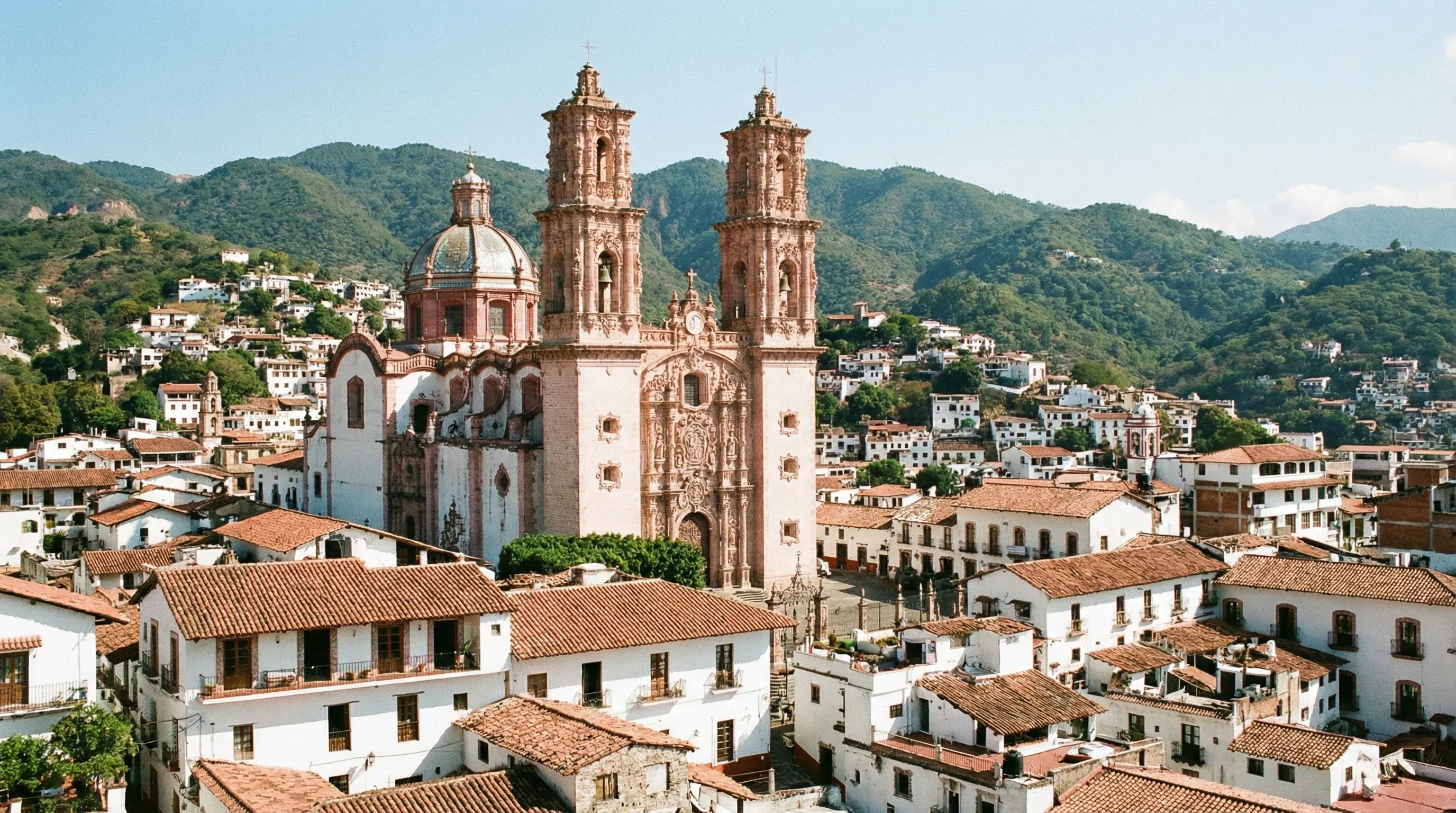
Guerrero is a state of dramatic beauty and contrasts. It is home to Acapulco, the original Mexican resort town that captivated Hollywood in the 1950s, and the dual destination of Ixtapa-Zihuatanejo, which pairs a modern resort strip with a traditional fishing village. Inland, the mountains hide Taxco, a colonial city famous for its silver mining and winding cobblestone streets. The coast is defined by golden sands, crashing Pacific waves, and lush tropical vegetation climbing the Sierra Madre mountains.
For families who choose to visit (adhering strictly to safety advice), the focus is usually on resort-based relaxation. Ixtapa offers a contained, family-friendly environment with calm beaches and high-quality hotels. Zihuatanejo offers a more authentic taste of Mexican coastal life with fish markets and small bay beaches. The climate is consistently hot and tropical, making the pool and ocean the center of daily life.
Key Attractions
In Acapulco, the spectacle of the La Quebrada Cliffs divers plunging 35 meters into a narrow inlet is a timeless thrill for children and adults alike. For history, the Fuerte de San Diego offers a look at the region's trade history with Asia. However, Ixtapa is often the preferred choice for safety-conscious families. Here, you can take a short boat ride to Isla Ixtapa, where calmer waters allow for snorkeling and swimming away from the strong open-ocean currents. Playa La Ropa in Zihuatanejo is one of the best swimming beaches in the region, with gentle waves and plenty of watersports. Inland, the vast caverns of Grutas de Cacahuamilpa National Park are among the largest cave systems in the world, offering an awe-inspiring walk underground.
Practical Advice
Visit between November and April for the best weather. Strictly follow safety guidance: do not drive on highways between cities (especially at night). Fly directly to your destination and use official airport taxis or pre-arranged hotel transfers. Stay within established tourist zones.
Food & Drink
Typical meal times: Breakfast 8:00 am to 11:00 am, Lunch 2:00 pm to 5:00 pm. Dinner is often late, after 8:00 pm.
Typical meal costs: Meals in tourist zones run MXN 400–800 (approx. $22–45 USD / €20–40 EUR). Zihuatanejo town is cheaper than Ixtapa resorts.
Dietary requirements: Seafood is the staple. Vegetarian options are available in hotels but less common in traditional seafood shacks.
Signature dishes:
- Pescado a la Talla – Whole fish butterfly-cut, marinated in guajillo chili sauce, and grilled over charcoal. A classic of the Guerrero coast.
- Pozole Verde – A green version of the hominy soup, made with pumpkin seeds (pepitas) and green herbs, typically served on Thursdays.
Why this score?
The Sierra Madre del Sur mountains provide a rugged backdrop, but most tourist activities are concentrated in developed beach resorts or colonial towns. Navigating the region requires caution and staying within established zones, adding an element of logistical challenge.
Why this score?
Major tourist zones like Acapulco and Ixtapa have hospitals capable of handling common emergencies and standard care for foreigners. However, infrastructure quality is inconsistent, and specialized care often requires transport to Mexico City.
Why this score?
Acapulco remains a significant name in global tourism despite safety challenges, while Ixtapa-Zihuatanejo and Taxco draw steady international visitors. The region has a well-established infrastructure that continues to support a high volume of domestic and foreign travelers.

Acapulco offers a wide range of prices, from budget hotels to luxury villas, though quality varies. Ixtapa is generally mid-to-high range, catering to international tourists. Expect to pay MXN 2,500–5,000 (approx. $140–275 USD / €125–250 EUR) per night for a good resort. Food is reasonably priced compared to Cabo or Cancún.

Getting Here & Around
Getting Here
- Airports – Acapulco (ACA) and Ixtapa-Zihuatanejo (ZIH) have international connections. Flying is the only recommended method of entry due to highway safety risks.
- Driving – Strongly discouraged due to security concerns on the highways in Guerrero state.
Getting Around
- Taxis – Use only official "sitio" taxis called from your hotel or restaurant. Do not hail cabs on the street in Acapulco.
- Walking – Zihuatanejo's waterfront is walkable and charming. In Ixtapa, travel is mostly between the hotel and the marina or Isla Ixtapa.
Nearby Airports (1 airport)
Ixtapa Zihuatanejo International
ZIHIxtapa/Zihuatanejo
View full flight map for Mexico →
Official Links

Packing List
Some beaches, especially on Isla Ixtapa, can be rocky or have coral
Tropical coast means mosquitoes and biting midges (jejenes) at dusk
Sun is extremely strong at this latitude
Strictly required in cenotes and marine parks to protect ecosystems; regular sunscreen is often confiscated.
High-altitude cities like Mexico City and San Cristóbal get surprisingly cold at night, even in summer.
Many colonial towns have uneven cobblestone streets that make strollers difficult to use.
Easier to apply on squirming kids than spray and essential for preventing dengue in tropical areas.

Activities & Best Times

Hiking, wildlife, outdoor exploration, ecotourism
Offers world-class experiences like the Xtasea zipline and meaningful sea turtle conservation at Campamento Tortuguero. Best visited during the dry months when trails are accessible and turtle nesting/hatching activities are most frequent.

Urban tourism, museums, historical sites, architecture
Features the unique colonial silver-mining architecture of Taxco and the historic Fuerte de San Diego in Acapulco. Dry months offer comfortable temperatures for exploring hilly Taxco and navigating urban cultural sites.

Sport tourism, fitness activities, active recreation
Boasts significant infrastructure like the Ixtapa-Zihuatanejo Ciclopista and professional-grade adventure courses at Xtasea. Optimal conditions occur during the dry months when humidity is manageable for high-exertion outdoor activities.

Beach resorts, marine activities: diving, snorkelling, kite surfing, wind surfing, sailing
Home to iconic beaches like Playa La Ropa and Isla Ixtapa, offering calm waters and family-oriented resorts. Peak season avoids the heavy tropical rains of June-September when sea visibility and heat indices are less favorable.

Learning experiences, scientific sites, historical education
Includes unique learning sites like the Pre-Hispanic Mine of Taxco and the Centro Mexicano de la Tortuga. The winter months provide the best conditions for traveling between inland archaeological sites and coastal marine research centers.

Spa retreats, wellness centers, peaceful getaways
Features authentic thermal springs like Papalutla, though facilities are more rustic than global luxury wellness benchmarks. The dry season provides a more restorative atmosphere compared to the intense humidity of the monsoon period.

Scenic drives, countryside tours, route-based travel
The Silver Route from Mexico City to Taxco and the scenic Pacific Coast Highway offer spectacular views for self-drive families. Driving is safest and most scenic in the dry season when mountain roads are clear of washouts and visibility is high.

Amusement parks, family entertainment venues
Regional water parks like El Rollo provide family entertainment but lack the scale and international infrastructure of world-class theme parks. Tropical rains in summer often lead to park closures or diminished outdoor experiences.




Public Holidays & Calendar Next 12 months
Public holidays, festivals, cultural celebrations, and seasonal natural phenomena coming up in Guerrero & Pacific South over the next 12 months.
Loading holidays and events...

Travel Advisory
All major agencies maintain a baseline of increased vigilance for Mexico. While many tourist areas remain accessible, widespread criminal activity and recent localized spikes in cartel-related violence in western states necessitate a high degree of caution.
Safety Topics
Traveller Advice (4 groups)

While major cities and resort destinations are generally accepting, social attitudes in rural regions can be conservative. Travelers should be mindful of local sentiments regarding public displays of affection.

Female travelers should remain particularly alert as incidents of harassment and sexual assault have been reported, even in tourist areas. It is safer to travel in groups and use reputable, pre-arranged transportation.

Stay within well-known tourist zones and travel primarily by air. If driving is necessary, use toll roads during daylight hours and avoid secondary or isolated routes. Monitor local news constantly for sudden security changes or roadblocks.

Older travelers should consider the physical demands of high-altitude destinations like Mexico City. Ensure comprehensive health insurance is in place, as private medical care in cities is excellent but expensive, whereas rural facilities are often limited.
Agency Summaries
New Zealanders should exercise heightened caution because of pervasive violent crime and drug-related conflicts. Specific regional warnings are in place for many states where travelers are advised to avoid non-essential trips.
Travelers should be extremely careful due to prevalent crime and kidnapping. While the national level is set at increased caution, specific states carry 'Do Not Travel' warnings because of extreme violence. U.S. government personnel face restricted movement in many high-risk zones.
Irish citizens are advised to be very cautious across the country. Travel to Jalisco is currently discouraged entirely due to ongoing security operations and violence. Many other states are designated for essential travel only due to high levels of insecurity.
The security situation is unpredictable and potentially dangerous in several states. Travelers in Jalisco are advised to stay indoors following significant unrest and road blockades. Violent incidents, including arson and armed confrontations, have increased following a major law enforcement operation.
A high level of vigilance is required due to the persistent threat of violent crime. Recent security incidents in Jalisco and neighboring states have led to shelter-in-place advisories and significant transportation disruptions, including flight cancellations in major tourist hubs.
Canadians are urged to remain highly vigilant throughout Mexico due to widespread criminal activity. Emergency shelter-in-place orders are currently active in Jalisco and Nayarit following violent clashes between security forces and criminal groups. High levels of violence and organized crime are reported in many regions.
Information is provided for general guidance only and does not constitute travel, safety, medical, or legal advice. Conditions may change. Users are responsible for independently verifying information before travel.