
Northwest Pacific & Sonoran Desert
Red deserts and golden coasts 🦐☀️
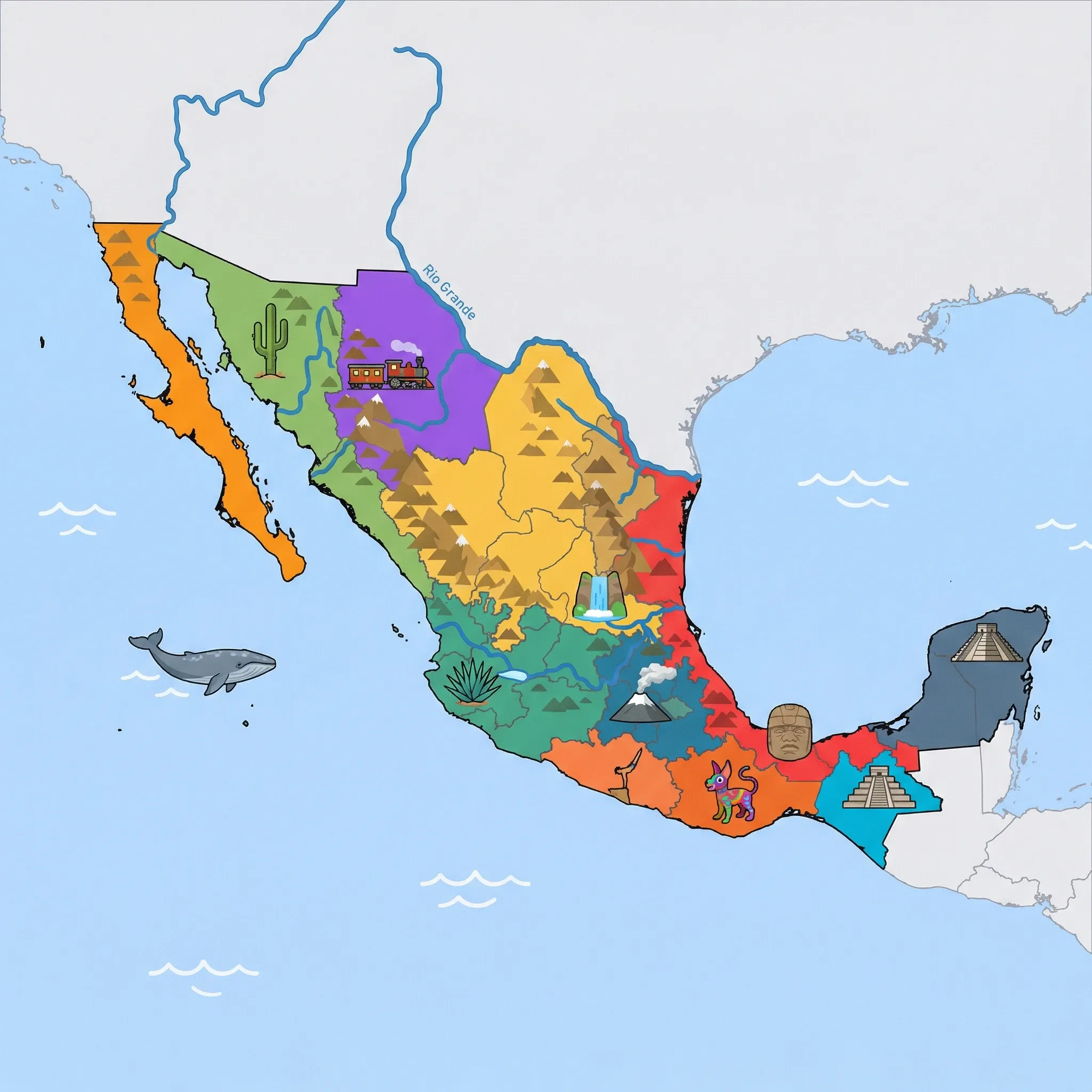
Click a region to explore
⚠️ SAFETY WARNING: Government agencies (including USA and Canada) advise travelers to reconsider travel to Sonora and avoid all travel to Sinaloa (except the Mazatlán tourist zone) due to crime. Travelers should stick to main toll highways (Cuota) during daylight hours only and avoid rural areas. The tourist zones of Mazatlán and San Carlos are generally able to be visited if travelers remain vigilant and stay within resort areas.
This region is a dramatic corridor where the scorched earth of the Sonoran Desert falls into the bountiful Sea of Cortez. It is a land of extreme heat, giant cacti, and incredibly fresh seafood. For families, the main draws are the beach towns like San Carlos (Sonora) and Mazatlán (Sinaloa). San Carlos is known for its rugged, red-rock scenery that looks like it belongs on Mars, juxtaposed with calm blue waters perfect for kayaking.
Mazatlán, known as the "Pearl of the Pacific," is a historic city with a beautiful colonial center (unique for a Mexican beach resort) and a long boardwalk. It feels more "Mexican" and less sanitized than Cancún. The region is also an agricultural powerhouse; driving through, you'll see vast fields of produce. While the summer heat is oppressive, the winter months offer perfect, sunny weather.
Key Attractions
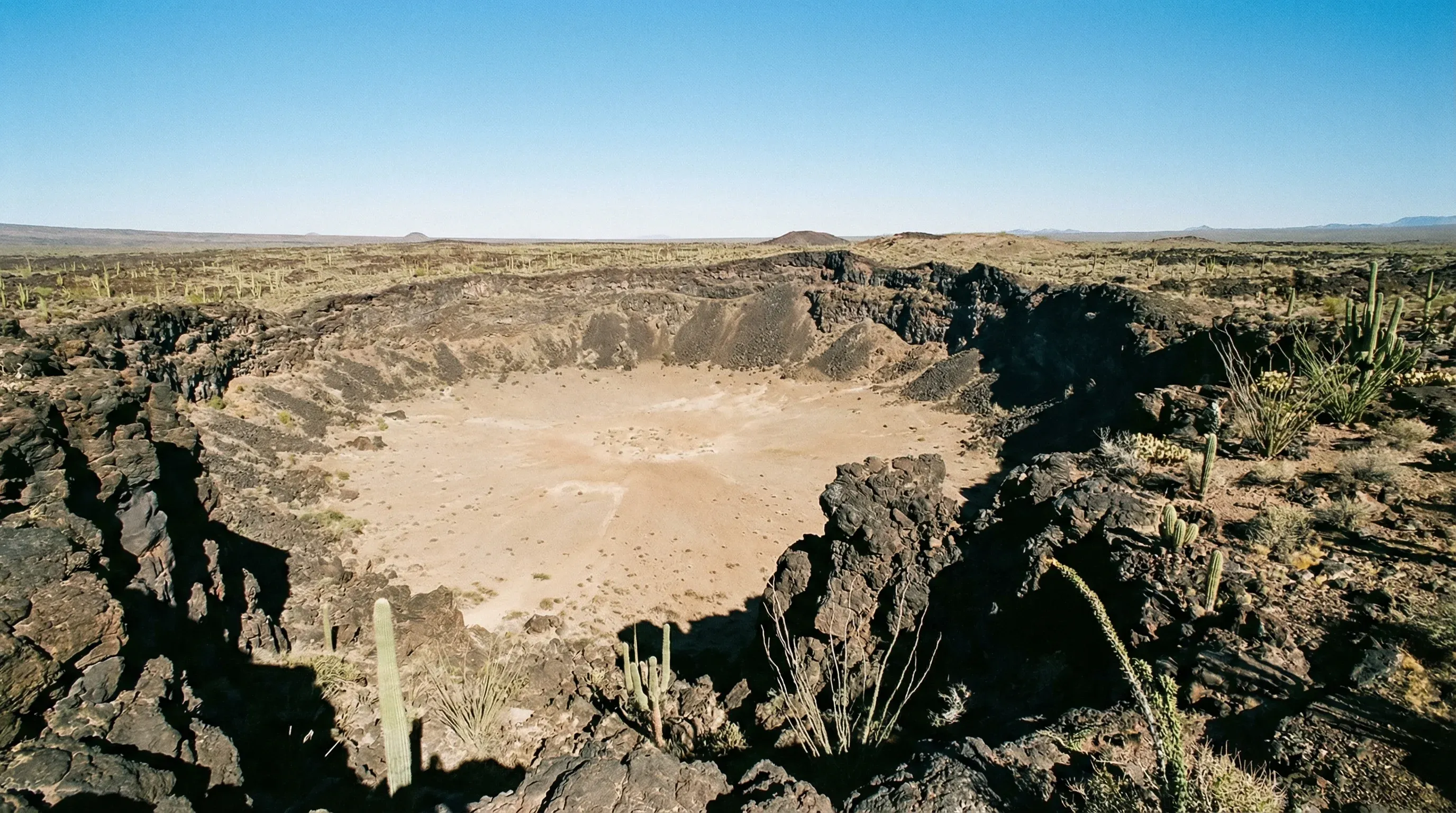
In Sonora, the El Pinacate and Gran Desierto de Altar Biosphere Reserve is a UNESCO World Heritage site that looks like another planet. Families can see massive volcanic craters and active sand dunes—it's an educational geology lesson on a grand scale. The city of Hermosillo features the Catedral Metropolitana de Hermosillo and the MUSAS - Museo de Arte de Sonora, a modern art museum that often has kid-friendly exhibits.
In Mazatlán (Sinaloa), the historic center (Old Mazatlán) is the highlight, with the beautiful Parroquia de la Purísima Concepción and plazas filled with music. The city also boasts one of the longest boardwalks (malecón) in the world, perfect for a family bike ride or sunset walk.
Practical Advice
Heat is a major factor; summer temperatures regularly exceed 40°C (104°F). Visit between November and April. If driving from the US border to San Carlos or Puerto Peñasco, stick strictly to the main Highway 15 or Highway 8 and travel only in daylight.
Food & Drink
Typical meal times: Seafood breakfasts are common! Lunch 1:00 pm to 3:00 pm.
Typical meal costs: Moderate. A seafood feast costs MXN 300–600 (approx. $16–33 USD / €15–30 EUR) per person.
Dietary requirements: Outstanding for pescatarians. Beef is also high quality (Sonora beef). Vegetarians may struggle outside of simple quesadillas.
Signature dishes:
- Aguachile – Raw shrimp cured in lime juice with chili (usually serrano or chiltepín), cucumber, and onion. Spicy!
- Coyotas – Flat, unleavened pastries filled with piloncillo (cane sugar) or jam, a sweet treat from Sonora.
- Dogos – Sonoran hot dogs wrapped in bacon and piled high with beans, mayo, and salsa.
Why this score?
The Pinacate Biosphere Reserve and the rugged coastline of the Sea of Cortez offer wilderness experiences in an arid, extreme environment. The intersection of the Sonoran Desert and the sea creates unique, challenging terrain for outdoor enthusiasts.
Why this score?
Hermosillo and Mazatlán provide good medical services with modern equipment and some English-speaking personnel. Smaller towns along the coast offer only basic clinics, necessitating travel to larger cities for serious conditions.
Why this score?
Mazatlán is a major international cruise port and resort city, while San Carlos attracts a niche of American retirees and divers. Beyond these hubs, the vast Sonoran coast remains relatively unknown to the global tourism market.

Mazatlán offers good value compared to other major resorts. You can find excellent beachfront hotels for MXN 1,500–2,500 (approx. $80–140 USD / €75–125 EUR). San Carlos caters to American retirees and can be slightly pricier for accommodation.

Getting Here & Around
Getting Here
- Airports – Mazatlán (MZT) and Hermosillo (HMO) are the main airports.
- Driving – Many visitors drive from Arizona to Puerto Peñasco (Rocky Point) or San Carlos. This is common but requires strict adherence to safety protocols (daylight only, main roads).
- Ferry – The Baja Ferries connect Mazatlán to La Paz (Baja California).
Getting Around
- Pulmonías – In Mazatlán, these open-air golf-cart-style taxis are a fun way for families to get around the seafront.
- Car – Useful for reaching El Pinacate, but ensure you have insurance and stay on mapped roads.
Nearby Airports (5 airports)
Ciudad Obregon International
CENCiudad Obregon
Culiacan International
CULCuliacan
General Ignacio P Garcia International
HMOHermosillo
Federal Airport
LMMLos Mochis
General Rafael Buelna International
MZTMazatlan
View full flight map for Mexico →
Official Links

Packing List
Extreme dry heat in Sonora leads to dehydration faster than you realize
The desert sun is unforgiving; baseball caps aren't enough
For removing inevitable cactus spines if hiking in the desert
Strictly required in cenotes and marine parks to protect ecosystems; regular sunscreen is often confiscated.
Essential for protecting feet on rocky cenote floors and hot sand; widely used by locals.
High-altitude cities like Mexico City and San Cristóbal get surprisingly cold at night, even in summer.
Many colonial towns have uneven cobblestone streets that make strollers difficult to use.
Easier to apply on squirming kids than spray and essential for preventing dengue in tropical areas.

Activities & Best Times

Urban tourism, museums, historical sites, architecture
The region features the historic 'Pueblo Magico' of Alamos and Mazatlan's colonial old town, offering authentic Mexican heritage. Peak months avoid the extreme Sonoran summer heat, providing comfortable conditions for exploring cathedrals and art museums.

Hiking, wildlife, outdoor exploration, ecotourism
Unique desert-meets-sea ecosystems like Nacapule Canyon and the Sierra de Alamos offer distinctive hiking and birdwatching. Summer is classified as off-season due to dangerous temperatures exceeding 35C and high humidity.

Beach resorts, marine activities: diving, snorkelling, kite surfing, wind surfing, sailing
Destinations like San Carlos and Playa Los Algodones offer dramatic coastal scenery on the Sea of Cortez. High summer months are less desirable due to the Pacific monsoon season bringing heavy rains and tropical humidity.

Learning experiences, scientific sites, historical education
Facilities like the Delfinario Sonora offer marine education, but are supplementary to the broader travel experience. Winter and spring are peak due to the overall accessibility and comfort of the region's climate.

Sport tourism, fitness activities, active recreation
Activity centers in Nacapule Canyon provide opportunities for climbing and guided exploration in a desert setting. The oppressive summer heat makes active outdoor sports physically demanding and generally unsuitable for international families.

Amusement parks, family entertainment venues
Regional water parks like Mazagua cater to families seeking relief from the heat, though they lack international destination-level scale. Peak months coincide with late spring when temperatures are high enough for water activities but before the peak monsoon.

Attractions (12 total)



Public Holidays & Calendar Next 12 months
Public holidays, festivals, cultural celebrations, and seasonal natural phenomena coming up in Northwest Pacific & Sonoran Desert over the next 12 months.
Loading holidays and events...

Travel Advisory
All major agencies maintain a baseline of increased vigilance for Mexico. While many tourist areas remain accessible, widespread criminal activity and recent localized spikes in cartel-related violence in western states necessitate a high degree of caution.
Safety Topics
Traveller Advice (4 groups)

While major cities and resort destinations are generally accepting, social attitudes in rural regions can be conservative. Travelers should be mindful of local sentiments regarding public displays of affection.

Female travelers should remain particularly alert as incidents of harassment and sexual assault have been reported, even in tourist areas. It is safer to travel in groups and use reputable, pre-arranged transportation.

Stay within well-known tourist zones and travel primarily by air. If driving is necessary, use toll roads during daylight hours and avoid secondary or isolated routes. Monitor local news constantly for sudden security changes or roadblocks.

Older travelers should consider the physical demands of high-altitude destinations like Mexico City. Ensure comprehensive health insurance is in place, as private medical care in cities is excellent but expensive, whereas rural facilities are often limited.
Agency Summaries
New Zealanders should exercise heightened caution because of pervasive violent crime and drug-related conflicts. Specific regional warnings are in place for many states where travelers are advised to avoid non-essential trips.
Travelers should be extremely careful due to prevalent crime and kidnapping. While the national level is set at increased caution, specific states carry 'Do Not Travel' warnings because of extreme violence. U.S. government personnel face restricted movement in many high-risk zones.
Irish citizens are advised to be very cautious across the country. Travel to Jalisco is currently discouraged entirely due to ongoing security operations and violence. Many other states are designated for essential travel only due to high levels of insecurity.
The security situation is unpredictable and potentially dangerous in several states. Travelers in Jalisco are advised to stay indoors following significant unrest and road blockades. Violent incidents, including arson and armed confrontations, have increased following a major law enforcement operation.
A high level of vigilance is required due to the persistent threat of violent crime. Recent security incidents in Jalisco and neighboring states have led to shelter-in-place advisories and significant transportation disruptions, including flight cancellations in major tourist hubs.
Canadians are urged to remain highly vigilant throughout Mexico due to widespread criminal activity. Emergency shelter-in-place orders are currently active in Jalisco and Nayarit following violent clashes between security forces and criminal groups. High levels of violence and organized crime are reported in many regions.
Information is provided for general guidance only and does not constitute travel, safety, medical, or legal advice. Conditions may change. Users are responsible for independently verifying information before travel.