
West-Central Mexico & Bajío
The land of tequila, mariachi, and butterflies 🦋🎺
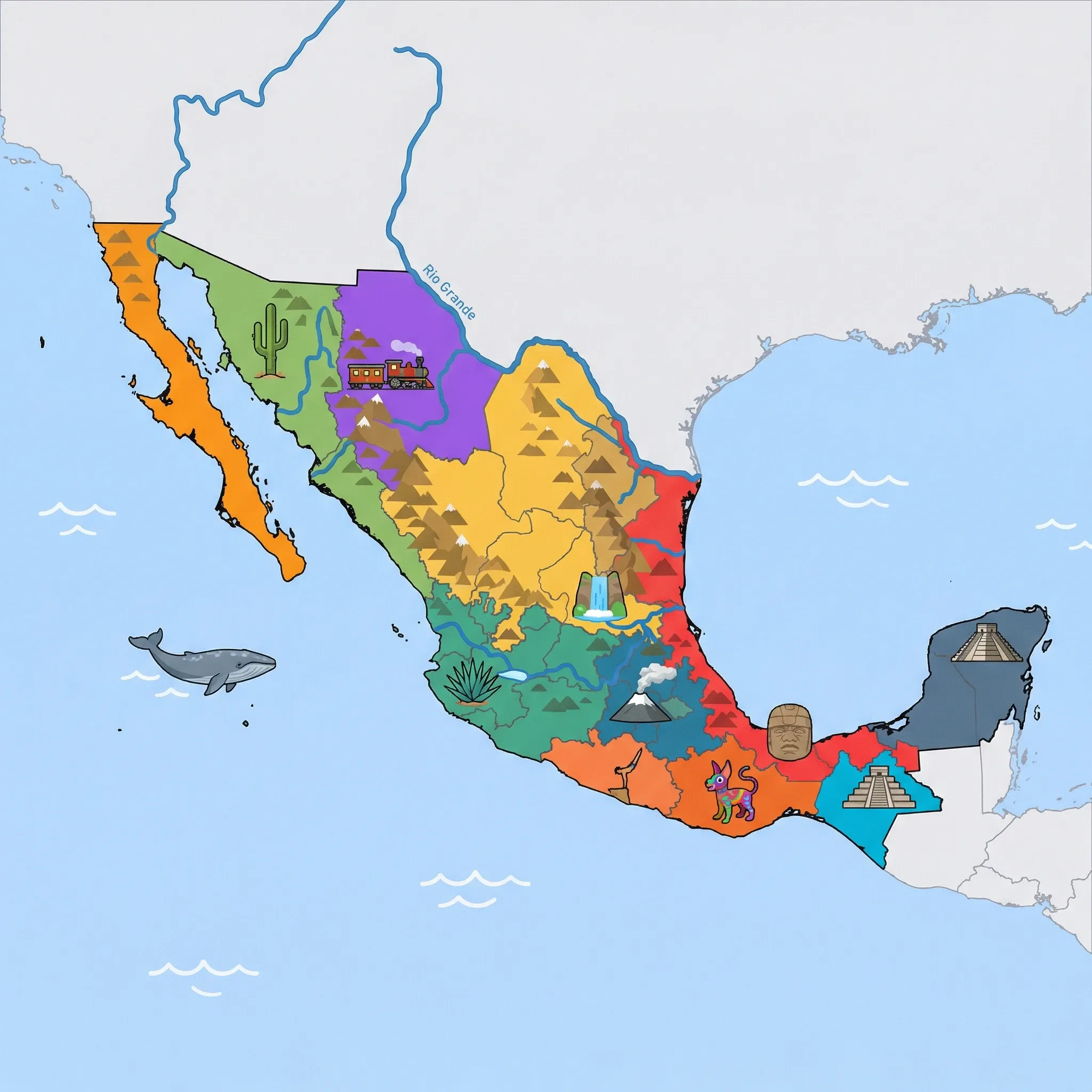
Click a region to explore
⚠️ SAFETY WARNING: Government agencies (including USA and UK) advise travelers to reconsider travel to Jalisco and avoid Michoacán and Colima due to crime. However, the tourist areas of Puerto Vallarta, Guadalajara (city center), San Miguel de Allende, and Guanajuato City are popular and generally considered safe for tourists. Families should avoid rural highways in Jalisco/Michoacán and travel between major cities using first-class buses or flights.
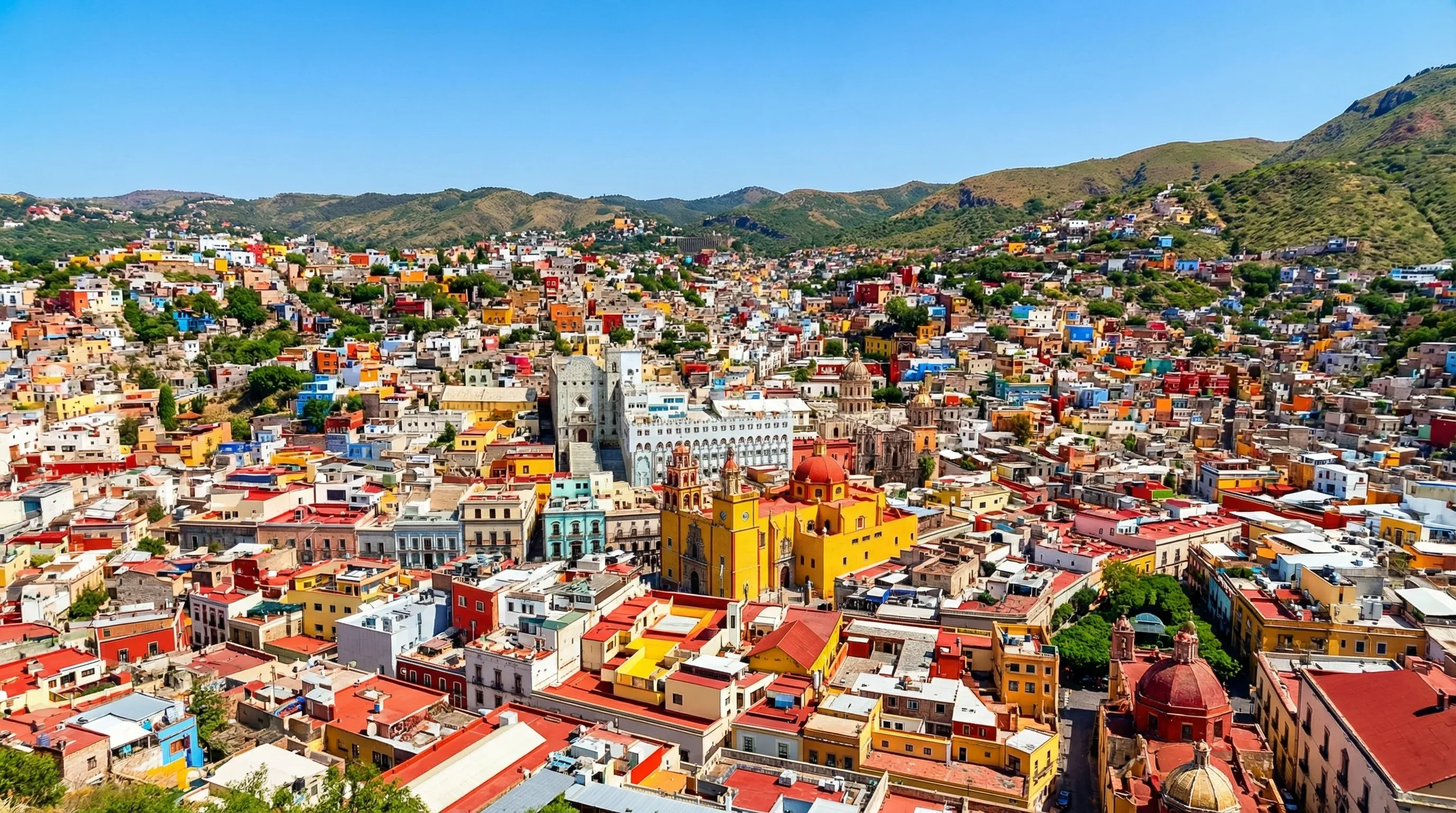
This region (often called "El Bajío") is prosperous, historic, and visually stunning. It is the Mexico of the imagination: colonial towns with pink stone churches, mariachi bands playing in plazas, and fields of blue agave stretching to the horizon. For families, it offers a safe and walkable introduction to colonial Mexico (especially in San Miguel and Guanajuato) combined with the beach fun of Puerto Vallarta.
San Miguel de Allende is an expat haven that is extremely family-friendly, with safe streets and plenty of English spoken. Guanajuato City is an adventure in itself—a city of tunnels and colorful houses stacked up the hillsides. Guadalajara, the country's second-largest city, offers big-city amenities like zoos and aquariums. In winter, the mountains of Michoacán (visited via organized tours) host one of nature's greatest spectacles: the migration of millions of Monarch butterflies.
Key Attractions
In Guadalajara, the Guadalajara Cathedral and the Instituto Cultural Cabañas (with its fire murals) are cultural staples. Kids will prefer the huge Zoológico Guadalajara, one of the best in Latin America, featuring a safari ride. A train ride (like the Jose Cuervo Express) to Tequila Pueblo Mágico travels through the UNESCO-listed Agave Landscape of Tequila—fun for parents, but the train and old-world town are fun for kids too.
In Guanajuato, the Alhóndiga de Granaditas teaches revolutionary history, but the real fun is taking the funicular up the hill or exploring the Museo Casa Diego Rivera. In San Miguel, the Parroquia de San Miguel Arcángel looks like a pink wedding cake and dominates the plaza where kids play. The Monarch Butterfly Biosphere Reserve is a bucket-list nature experience (Jan-Feb is best).
Practical Advice
San Miguel and Guanajuato are very hilly with cobblestones—leave the stroller at home and bring a carrier. The butterfly sanctuaries are at high altitude and require hiking; best for kids aged 6+.
Food & Drink
Typical meal times: Lunch 2:00 pm to 4:00 pm. San Miguel has many restaurants serving on US schedules.
Typical meal costs: San Miguel is expensive (US prices). Guanajuato and Guadalajara are more moderate: MXN 250–500 (approx. $14–27 USD / €12–25 EUR).
Dietary requirements: Very good. This is an agricultural region with fresh produce. San Miguel is a haven for vegan/organic food.
Signature dishes:
- Torta Ahogada – A "drowned sandwich" from Guadalajara: pork on crusty bread, submerged in spicy tomato sauce.
- Birria – A spicy stew (traditionally goat, now often beef) served with tortillas and consommé.
- Enchiladas Mineras – Carrots and potatoes fried with cheese-filled tortillas, a specialty of Guanajuato.
Why this score?
Most activities are centered around well-developed colonial cities or manicured beach resorts. While the Sierra Madre Occidental offers hiking and the Tequila region has rural elements, the overall infrastructure is highly polished and accessible.
Why this score?
Guadalajara is a major medical center with excellent private hospitals, and Puerto Vallarta has several high-quality facilities specialized in treating international tourists and retirees. The region is well-prepared for foreign medical needs.
Why this score?
This region contains heavy-hitters like Puerto Vallarta, Guadalajara, and San Miguel de Allende, which are some of the most visited spots by North Americans. It combines massive beach tourism with high-volume colonial and cultural tourism.

San Miguel de Allende is "high" cost (comparable to the US). Guadalajara and Guanajuato are "mid" to "low". A boutique hotel in Guanajuato might cost MXN 1,500 (approx. $80 USD / €75 EUR), while a similar one in San Miguel could be MXN 5,000+ (approx. $275 USD / €250 EUR).

Getting Here & Around
Getting Here
- Airports – Guadalajara (GDL), Puerto Vallarta (PVR), and Bajío/León (BJX) serve the region.
- Bus – The ETN luxury bus network here is exceptional—double-decker buses with lie-flat seats connect Guadalajara, San Miguel, and Mexico City. It's safe and comfortable.
Getting Around
- Walking – The colonial centers are best seen on foot.
- Uber – Available in Guadalajara, Guanajuato, and San Miguel (though taxis are more common in San Miguel).
- Tours – Essential for visiting the Monarch Butterfly Biosphere Reserve safely.
Nearby Airports (8 airports)
Jesus Teran International
AGUAguascalientes
Guanajuato
BJXLeon/Guanajuato
Colima
CLQColima
Guadalajara International Airport
GDLGuadalajara
General Francisco J Mujica
MLMMorelia
Licenciado Gustavo Diaz Ordaz International
PVRPuerto Vallarta
Tepic
TPQTepic
Licenciado Y Gen Ignacio Lopez Rayon
UPNUruapan
View full flight map for Mexico →
Official Links

Packing List
Cobblestones in San Miguel and steep stairs in Guanajuato make strollers useless
Required for the butterfly sanctuaries (dusty, steep trails)
Colonial centers are noisy with church bells and fireworks at all hours
Strictly required in cenotes and marine parks to protect ecosystems; regular sunscreen is often confiscated.
Essential for protecting feet on rocky cenote floors and hot sand; widely used by locals.
High-altitude cities like Mexico City and San Cristóbal get surprisingly cold at night, even in summer.
Many colonial towns have uneven cobblestone streets that make strollers difficult to use.
Easier to apply on squirming kids than spray and essential for preventing dengue in tropical areas.

Activities & Best Times

Urban tourism, museums, historical sites, architecture
Home to some of the world's most beautiful colonial cities and UNESCO sites, offering a rich tapestry of history, world-class museums, and sophisticated gastronomy. Winter and spring provide ideal walking weather, while September's heavy rainfall marks the only period where urban exploration is less recommended for families.

Hiking, wildlife, outdoor exploration, ecotourism
Offers world-class agave landscapes and authentic high-country ranch experiences that provide sophisticated families with a genuine taste of rural Mexican life and ecosystem immersion. The dry winter months provide the most comfortable conditions for exploration, while the summer rains from June to September can make rural access and trails challenging.

Sport tourism, fitness activities, active recreation
Features professionally managed adventure centers in scenic highland locations, providing high-standard zip-lining and outdoor activity infrastructure suitable for active families. Operations are most reliable during the clear dry season from November to April, while summer thunderstorms often lead to temporary closures of outdoor equipment.

Amusement parks, family entertainment venues
Provides high-quality family entertainment including internationally recognized concepts like KidZania and significant regional water parks with modern facilities. Peak seasons align with international and domestic school holiday windows, though the mid-year rainy season can affect outdoor water park suitability and operations.

Attractions (30 total)



Public Holidays & Calendar Next 12 months
Public holidays, festivals, cultural celebrations, and seasonal natural phenomena coming up in West-Central Mexico & Bajío over the next 12 months.
Loading holidays and events...

Travel Advisory
All major agencies maintain a baseline of increased vigilance for Mexico. While many tourist areas remain accessible, widespread criminal activity and recent localized spikes in cartel-related violence in western states necessitate a high degree of caution.
Safety Topics
Traveller Advice (4 groups)

While major cities and resort destinations are generally accepting, social attitudes in rural regions can be conservative. Travelers should be mindful of local sentiments regarding public displays of affection.

Female travelers should remain particularly alert as incidents of harassment and sexual assault have been reported, even in tourist areas. It is safer to travel in groups and use reputable, pre-arranged transportation.

Stay within well-known tourist zones and travel primarily by air. If driving is necessary, use toll roads during daylight hours and avoid secondary or isolated routes. Monitor local news constantly for sudden security changes or roadblocks.

Older travelers should consider the physical demands of high-altitude destinations like Mexico City. Ensure comprehensive health insurance is in place, as private medical care in cities is excellent but expensive, whereas rural facilities are often limited.
Agency Summaries
New Zealanders should exercise heightened caution because of pervasive violent crime and drug-related conflicts. Specific regional warnings are in place for many states where travelers are advised to avoid non-essential trips.
Travelers should be extremely careful due to prevalent crime and kidnapping. While the national level is set at increased caution, specific states carry 'Do Not Travel' warnings because of extreme violence. U.S. government personnel face restricted movement in many high-risk zones.
Irish citizens are advised to be very cautious across the country. Travel to Jalisco is currently discouraged entirely due to ongoing security operations and violence. Many other states are designated for essential travel only due to high levels of insecurity.
The security situation is unpredictable and potentially dangerous in several states. Travelers in Jalisco are advised to stay indoors following significant unrest and road blockades. Violent incidents, including arson and armed confrontations, have increased following a major law enforcement operation.
A high level of vigilance is required due to the persistent threat of violent crime. Recent security incidents in Jalisco and neighboring states have led to shelter-in-place advisories and significant transportation disruptions, including flight cancellations in major tourist hubs.
Canadians are urged to remain highly vigilant throughout Mexico due to widespread criminal activity. Emergency shelter-in-place orders are currently active in Jalisco and Nayarit following violent clashes between security forces and criminal groups. High levels of violence and organized crime are reported in many regions.
Information is provided for general guidance only and does not constitute travel, safety, medical, or legal advice. Conditions may change. Users are responsible for independently verifying information before travel.