
Yucatán Peninsula
Caribbean turquoise waters and Maya mysteries 🏖️🗿
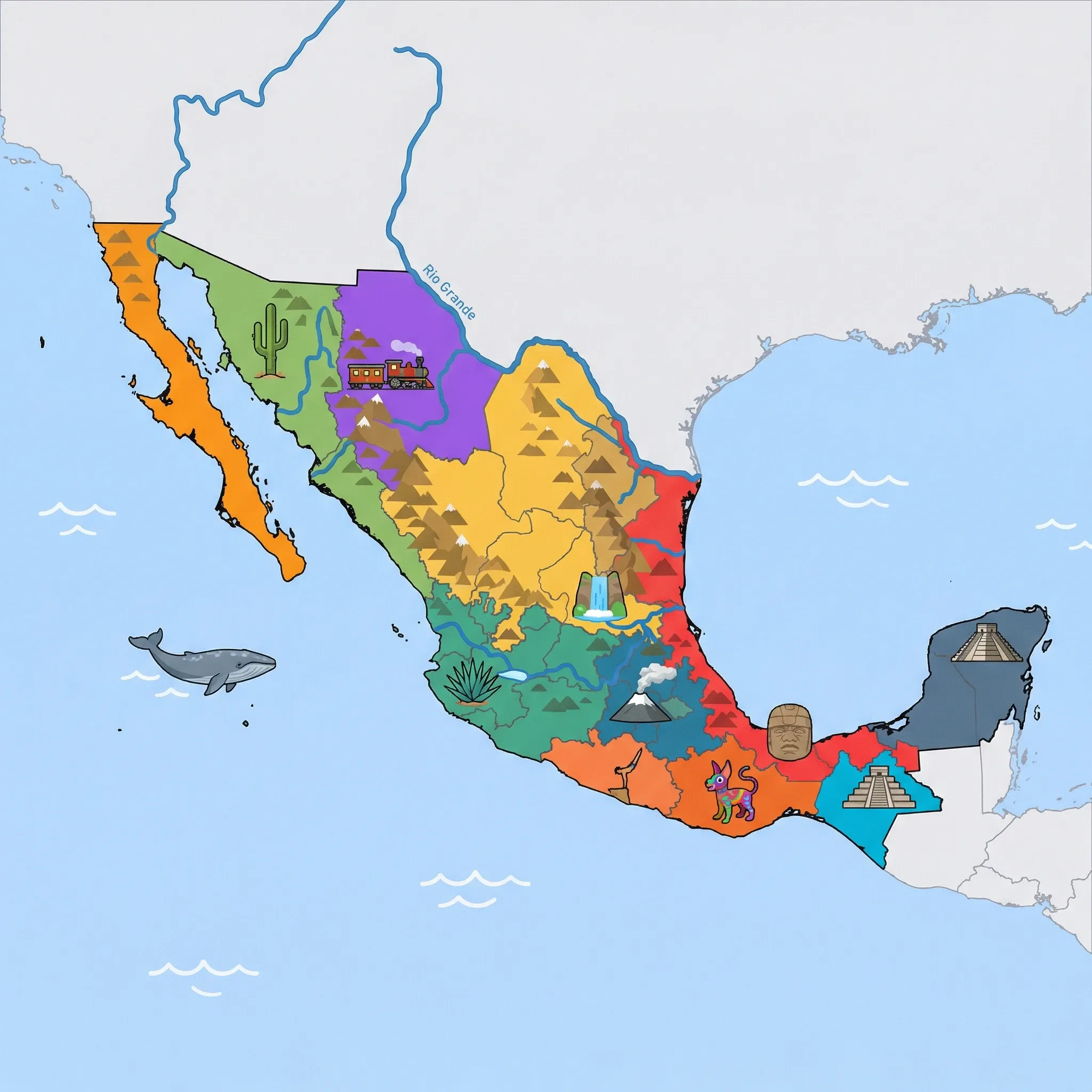
Click a region to explore
The Yucatán Peninsula is the most popular destination in Mexico for families, and for good reason. It offers a perfect infrastructure for easy travel, combining the world-famous beaches of the Riviera Maya (Cancún, Playa del Carmen, Tulum) with the rich cultural heritage of the state of Yucatán (Mérida, Valladolid). The geography is flat limestone shelf, meaning no mountains but thousands of underground freshwater sinkholes called cenotes, which are magical places for kids to swim.
This region caters to every style of travel: from massive all-inclusive resorts with kids' clubs to boutique eco-hotels in Tulum or colonial mansions in Mérida. It is generally one of the safest regions in Mexico. The Maya culture is very much alive here; you will hear the language spoken in villages and taste the unique local cuisine. While the coast can be crowded and Americanized, a short drive inland reveals colorful colonial towns, pink salt lakes, and jungles filled with spider monkeys.
Key Attractions
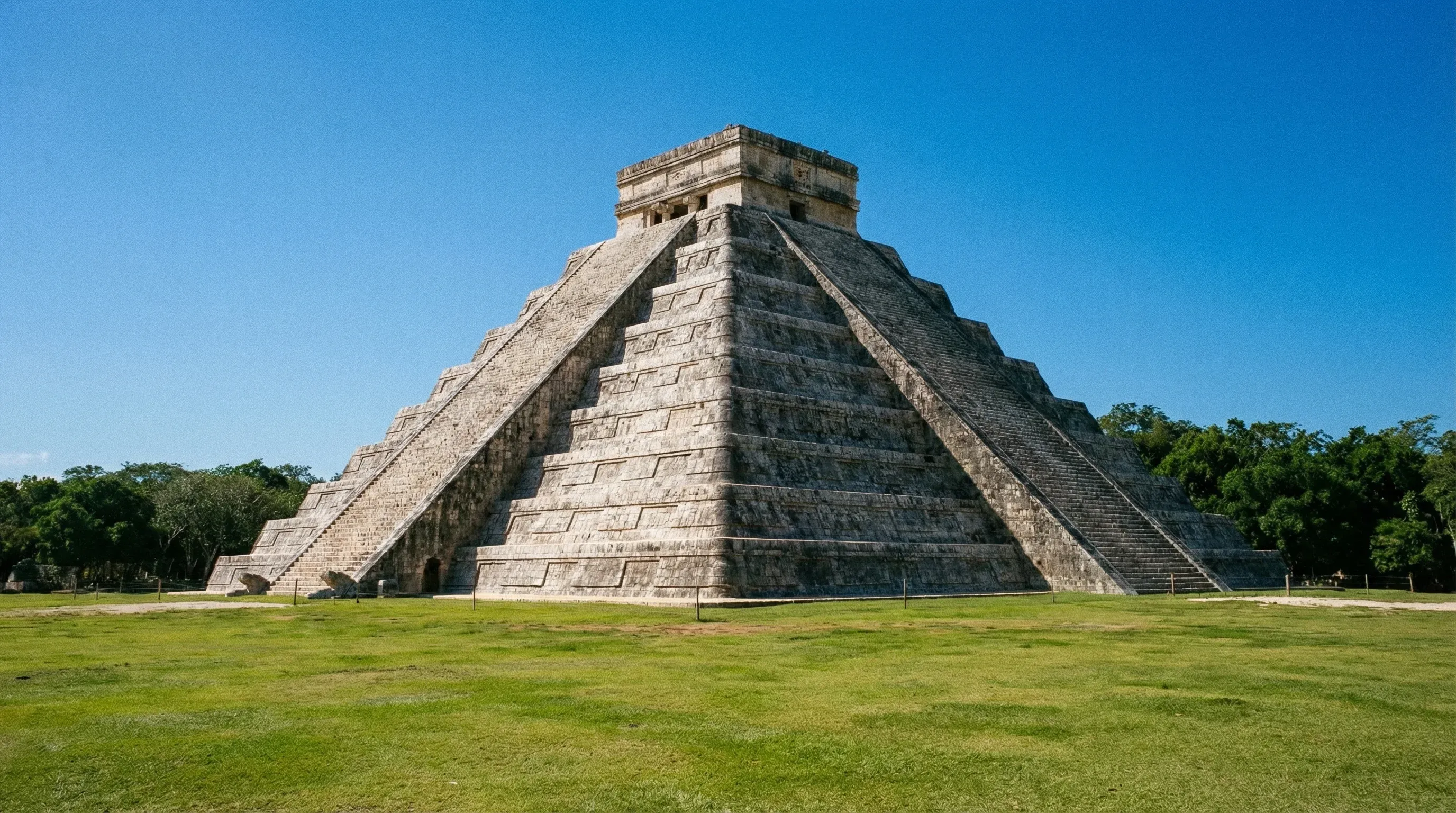
The headline act is Chichén Itzá, one of the New Seven Wonders of the World. To beat the heat and crowds, go at opening time. Nearby, Cenote Ik Kil is a breathtaking open-sky sinkhole with hanging vines—swimming here is unforgettable. For a more adventurous ruin experience, Calakmul Archaeological Zone involves climbing pyramids in a dense biosphere reserve (watch for jaguars!).
For water lovers, the Laguna de Bacalar offers seven shades of blue fresh water, shallower and calmer than the sea. Sian Ka'an Biosphere Reserve offers boat tours through mangrove canals where you can float with the current. In Cancún, the Maya Museum of Cancun is excellent, and the MUSA Underwater Museum of Art allows snorkeling over submerged statues. The Mérida Historic Centre offers free nightly cultural events and is the cultural capital of the peninsula.
Practical Advice
Sargassum (seaweed) can affect beaches unpredictably; check recent reports or stay at hotels with pools/cenotes nearby. The heat is intense year-round; always carry water. The new Tren Maya connects many of these sites, offering a new way to travel.
Food & Drink
Typical meal times: Lunch 1:00 pm to 3:00 pm. Tourist areas serve all day.
Typical meal costs: Varied. Local meals in Mérida: MXN 150–300 (approx. $8–17 USD / €7–15 EUR). Tulum/Cancún beach zones: MXN 600–1,200+ (approx. $33–65 USD / €30–60 EUR).
Dietary requirements: Excellent. This is a top global tourist destination, so vegan/gluten-free options are everywhere on the coast. Local food uses corn (GF) and pork.
Signature dishes:
- Cochinita Pibil – Slow-roasted pork marinated in citrus and achiote seeds, traditionally cooked underground.
- Sopa de Lima – A refreshing lime-scented chicken soup with crispy tortilla strips.
- Marquesitas – A street crepe rolled like a taco, filled with Edam cheese (queso de bola) and Nutella. Kids love them.
Why this score?
While the region offers jungle treks and cenote diving, most 'adventure' is packaged in high-end eco-theme parks like Xcaret. The terrain is flat and easily accessible, with very few truly remote or high-risk wilderness areas for the average tourist.
Why this score?
Cancún and Mérida feature modern private hospitals with extensive experience in international insurance and English-speaking staff. The medical infrastructure is specifically designed to support the massive influx of foreign tourists.
Why this score?
Cancún and the Riviera Maya are top-tier international destinations, welcoming millions of visitors annually to world-class resorts and Chichén Itzá. It is arguably the most recognizable and visited tourism brand in all of Latin America.

The Riviera Maya (Tulum/Cancún) is the most expensive part of Mexico, with prices often exceeding US/European levels. Inland Yucatán (Mérida/Valladolid) is "mid" to "low" cost. Entry to Chichén Itzá is expensive for foreigners (approx MXN 600+ / $35 USD).

Getting Here & Around
Getting Here
- Airports – Cancún (CUN) is the major hub with flights from everywhere. Mérida (MID) and the new Tulum (TQO) airport offer alternatives.
- Train – The Tren Maya now connects Cancún, Mérida, Campeche, and Palenque, stopping at major archaeological sites.
Getting Around
- Car Rental – Driving is safe and easy here (flat, straight roads). It's the best way to reach cenotes and ruins on your own schedule.
- Bus – ADO buses are excellent, air-conditioned, and frequent between all major towns.
- Ferry – Frequent ferries connect Playa del Carmen to Cozumel and Cancún to Isla Mujeres.
Nearby Airports (5 airports)
Ingeniero Alberto Acuna Ongay International
CPECampeche
Cancun International Airport
CUNCancun
Cozumel International
CZMCozumel
Licenciado Manuel Crecencio Rejon International
MIDMerida
Felipe Carrillo Puerto Airport
TQOTULUM
View full flight map for Mexico →
Official Links

Packing List
Strictly enforced in cenotes to protect the delicate ecosystem
Rental gear is often poor quality; bringing your own mask fits kids better
Essential for capturing photos inside wet caves and cenotes
Jungle areas and mangroves have aggressive mosquitoes at sunset
Essential for protecting feet on rocky cenote floors and hot sand; widely used by locals.
High-altitude cities like Mexico City and San Cristóbal get surprisingly cold at night, even in summer.
Many colonial towns have uneven cobblestone streets that make strollers difficult to use.
Easier to apply on squirming kids than spray and essential for preventing dengue in tropical areas.

Activities & Best Times

Hiking, wildlife, outdoor exploration, ecotourism
Features a world-unique network of cenotes and bio-reserves like Bacalar that offer authentic, high-end eco-exploration for families. The cooler dry season is perfect for jungle expeditions, whereas peak summer heat and rainfall make the interior environment oppressive.

Urban tourism, museums, historical sites, architecture
Anchor to globally significant UNESCO sites like Chichén Itzá and Uxmal, paired with the sophisticated colonial heritage of Mérida. Winter months are essential for comfortably exploring vast archaeological zones that become dangerously hot during the summer peak.

Beach resorts, marine activities: diving, snorkelling, kite surfing, wind surfing, sailing
Cancún, Playa del Carmen, and Tulum are internationally renowned Caribbean beach destinations attracting millions of visitors annually. The current 'good' rating significantly underrates this region's global beach tourism significance. While perhaps not at the very pinnacle globally, these beaches are world-famous and warrant 'very_good' at minimum.

Learning experiences, scientific sites, historical education
Features destination-level learning experiences like the Maya Museum and specialized aquariums that offer high-quality engagement with regional history and biology. These facilities provide excellent indoor alternatives during peak tourism months but see reduced services during the low-demand hurricane season.

Sport tourism, fitness activities, active recreation
Purpose-built adventure infrastructure at sites like Xplor provides world-class zip-lining and underground river activities for active families. Optimal conditions match the dry season when water clarity in cenotes is highest and humidity levels are manageable for physical exertion.

Amusement parks, family entertainment venues
Hosts world-class eco-archaeological parks like Xcaret and Xel-Há which offer a unique blend of nature and entertainment found nowhere else. These parks are primary drivers for family tourism during major school holidays, though outdoor shows are frequently impacted by late-season storms.

Attractions (30 total)



Public Holidays & Calendar Next 12 months
Public holidays, festivals, cultural celebrations, and seasonal natural phenomena coming up in Yucatán Peninsula over the next 12 months.
Loading holidays and events...

Travel Advisory
All major agencies maintain a baseline of increased vigilance for Mexico. While many tourist areas remain accessible, widespread criminal activity and recent localized spikes in cartel-related violence in western states necessitate a high degree of caution.
Safety Topics
Traveller Advice (4 groups)

While major cities and resort destinations are generally accepting, social attitudes in rural regions can be conservative. Travelers should be mindful of local sentiments regarding public displays of affection.

Female travelers should remain particularly alert as incidents of harassment and sexual assault have been reported, even in tourist areas. It is safer to travel in groups and use reputable, pre-arranged transportation.

Stay within well-known tourist zones and travel primarily by air. If driving is necessary, use toll roads during daylight hours and avoid secondary or isolated routes. Monitor local news constantly for sudden security changes or roadblocks.

Older travelers should consider the physical demands of high-altitude destinations like Mexico City. Ensure comprehensive health insurance is in place, as private medical care in cities is excellent but expensive, whereas rural facilities are often limited.
Agency Summaries
New Zealanders should exercise heightened caution because of pervasive violent crime and drug-related conflicts. Specific regional warnings are in place for many states where travelers are advised to avoid non-essential trips.
Travelers should be extremely careful due to prevalent crime and kidnapping. While the national level is set at increased caution, specific states carry 'Do Not Travel' warnings because of extreme violence. U.S. government personnel face restricted movement in many high-risk zones.
Irish citizens are advised to be very cautious across the country. Travel to Jalisco is currently discouraged entirely due to ongoing security operations and violence. Many other states are designated for essential travel only due to high levels of insecurity.
The security situation is unpredictable and potentially dangerous in several states. Travelers in Jalisco are advised to stay indoors following significant unrest and road blockades. Violent incidents, including arson and armed confrontations, have increased following a major law enforcement operation.
A high level of vigilance is required due to the persistent threat of violent crime. Recent security incidents in Jalisco and neighboring states have led to shelter-in-place advisories and significant transportation disruptions, including flight cancellations in major tourist hubs.
Canadians are urged to remain highly vigilant throughout Mexico due to widespread criminal activity. Emergency shelter-in-place orders are currently active in Jalisco and Nayarit following violent clashes between security forces and criminal groups. High levels of violence and organized crime are reported in many regions.
Information is provided for general guidance only and does not constitute travel, safety, medical, or legal advice. Conditions may change. Users are responsible for independently verifying information before travel.