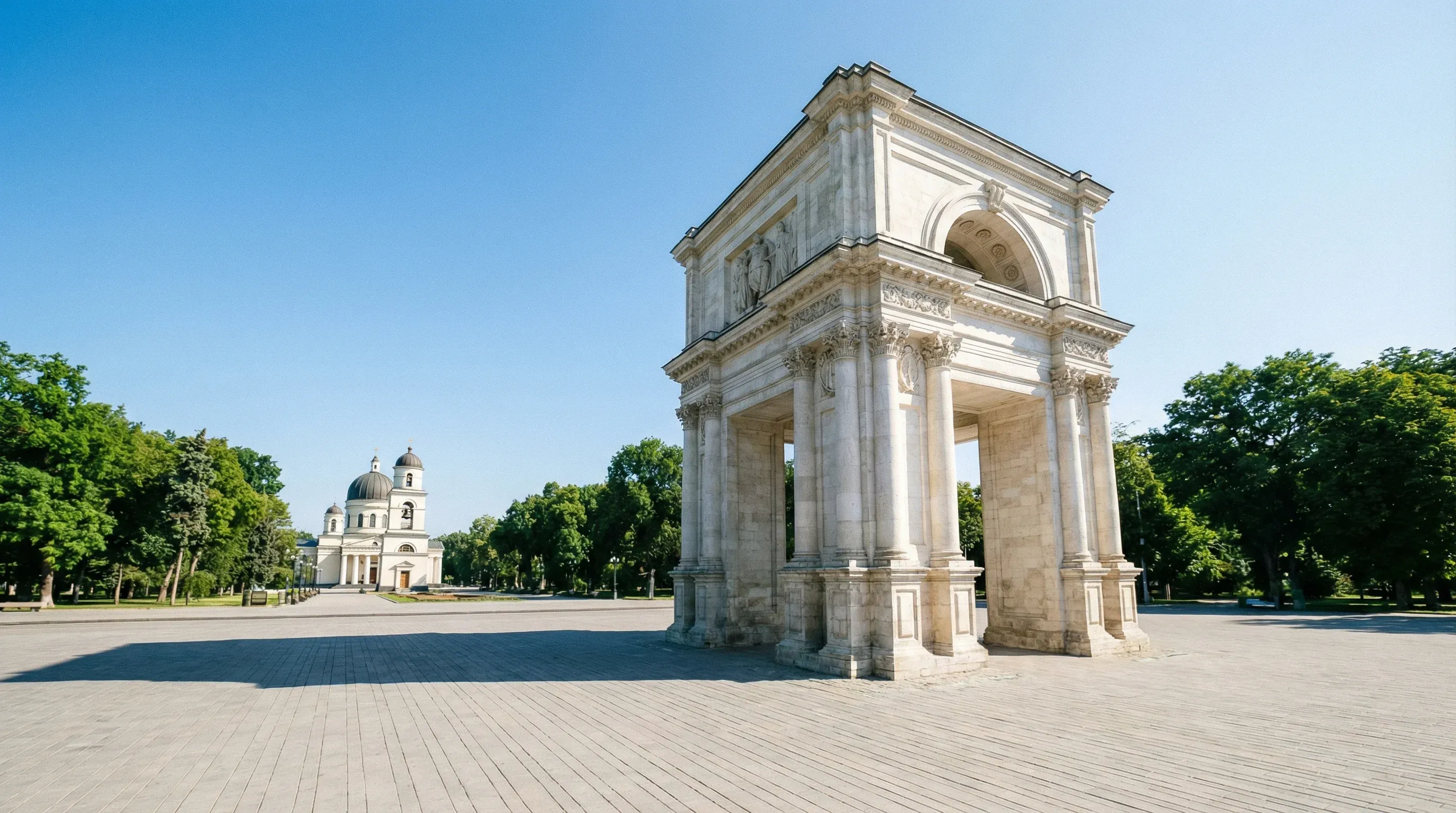

Chișinău
The green capital where urban culture meets relaxing nature 🌳
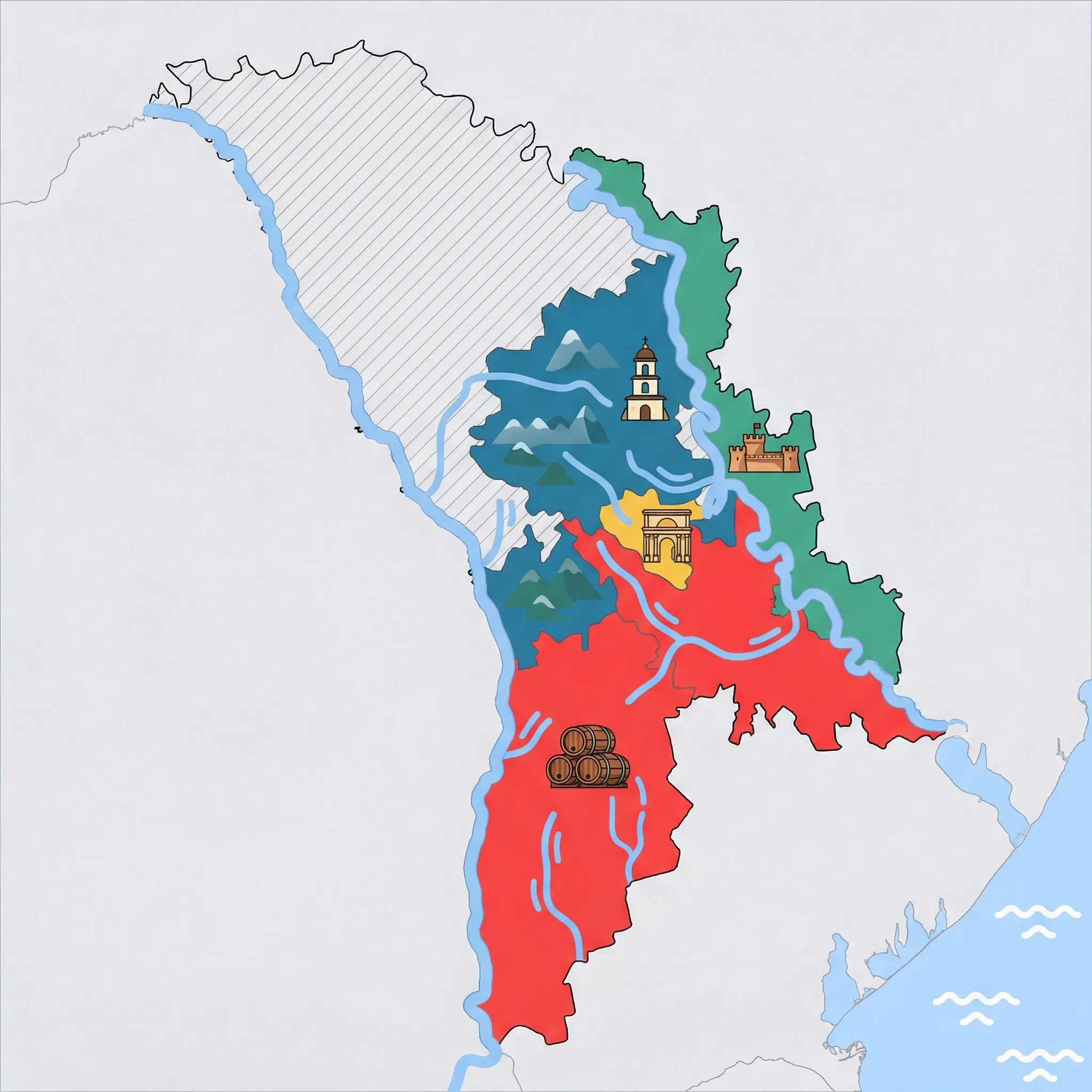
Click a region to explore
Chișinău (pronounced Kish-i-now) is a surprising delight for families, often defying expectations with its incredible abundance of greenery, wide boulevards, and a relaxed pace of life that is rare for a capital city. Built on seven hills along the river Bîc, the city is defined by its white limestone architecture—giving it the nickname 'White Stone City'—and its Soviet-era urban planning which prioritised massive parks and public spaces. For travelling families, this means ample room for children to run free. The atmosphere is distinctively dual-natured: modern cafes and European-style playgrounds sit alongside brutalist architecture and bustling traditional bazaars. It is a safe, walkable, and welcoming city where locals are fond of children, and the relatively small city centre makes it easy to navigate with strollers.
The climate here is continental, meaning hot, dry summers and snowy winters. In spring and autumn, the city is at its most beautiful, with the parks exploding in colour. Families will find that Chișinău is not about ticking off world-famous monuments, but rather about enjoying the lifestyle. You can spend mornings exploring interactive museums, afternoons rowing on city lakes, and evenings enjoying high-quality food at remarkably affordable prices. The city serves as the perfect base for exploring the rest of the country, but it holds enough charm to keep a family occupied for several days of leisurely exploration.
Key Attractions
The heart of the city is undoubtedly Stefan cel Mare Central Park. Known as the 'Park of the Lovers', it is equally popular with families who gather near the central fountain and the Alley of Classics. It's a perfect spot for a picnic or a safe run-around away from traffic. Just a short walk away, culture-loving families can visit the National Museum of History of Moldova, which features the 'Wolf of Rome' statue in front and offers a deep dive into the region's complex past, though parents may need to help interpret some exhibits for younger kids.
For a full day of activity, the Valea Morilor Park Beach is a must-visit. This massive landscaped park features a large lake where you can rent boats, a sandy beach area for summer play, and the spectacular Cascade Stairs which offer panoramic views of the water—great for family photos. If your children are animal lovers, the Chișinău Zoo on the city outskirts is a highlight. While smaller than major western zoos, it has been modernized in recent years and offers close-up views of zebras, tigers, and bears in a wooded setting that feels like a nature walk.
Practical Advice
The best time to visit is late April to June or September to October when temperatures are mild (65°F–75°F). Summers can be intensely hot (over 90°F), and many older buildings lack air conditioning. Public toilets are available in parks but carry your own tissues. English is spoken by younger people, but a translation app for Romanian or Russian is very helpful in markets and taxis.
Food & Drink
Typical meal times: Lunch is the main meal, typically served from 12:00 pm to 3:00 pm. Dinner is usually eaten between 7:00 pm and 9:00 pm.
Typical meal costs: A family of four can enjoy a feast for 400–700 MDL (approx. $22–40 USD / €20–36 EUR). Street food snacks cost 15–30 MDL (approx. $0.85–1.70 USD / €0.75–1.50 EUR).
Dietary requirements: Vegetarian options are increasingly common in the city centre, with grilled vegetables and cheese pastries widely available. Vegan options exist but require checking, as cream and cheese are staples. Allergies should be clearly communicated using a translation card.
Signature dishes:
- Zeamă – A sour chicken noodle soup, famous for its restorative properties, usually served with sour cream and hot peppers on the side.
- Plăcinte – The ultimate Moldovan comfort food; thin, fried or baked pastries filled with cheese, potatoes, cabbage, or sour cherries. Perfect for kids.
- Mamaliga cu Brânză și Smântână – A polenta dome served with salty sheep cheese and sour cream, often used as a bread substitute to soak up stews.
Why this score?
Chișinău is a largely flat, developed urban environment dominated by broad boulevards and public gardens. While it is walkable and family-friendly, it offers almost no rugged or off-the-beaten-path physical challenges for travelers. Outdoor activities are limited to manicured spaces like the Botanical Garden and the Zoo, providing a very low adventure profile.
Why this score?
The capital offers the highest standard of healthcare in Moldova, including several private clinics and hospitals that are more likely to have English-speaking staff. However, the system generally lacks the high-tech infrastructure and seamless international insurance processing found in Western Europe. For families, basic emergency care is accessible, but complex cases may require medical evacuation to nearby capitals like Bucharest.
Why this score?
As the national capital and primary entry point, Chișinău receives the majority of Moldova's 254,000 annual visitors. While it offers a relaxed atmosphere and leafy parks like Valea Morilor, it remains one of Europe's least-visited capitals, catering primarily to business travelers and niche regional tourists. The city serves as the hub for the country's emerging tourism infrastructure but lacks the mass appeal of larger European destinations.

Chișinău is one of the most affordable capitals in Europe. A comfortable apartment rental costs 800–1,200 MDL (approx. $45–67 USD / €41–62 EUR) per night. Public transport is negligible at 6 MDL (approx. $0.35 USD / €0.30 EUR) per ticket. A three-course meal with wine rarely exceeds 350 MDL (approx. $20 USD / €18 EUR) per person.

Getting Here & Around
Getting Here
- Airports – Chișinău International Airport (KIV) is the main gateway, located just 13km from the city centre. It connects to major European hubs like London, Vienna, and Istanbul.
- Train – The central railway station offers an overnight train connection to Bucharest, Romania (the "Prietenia"), which is a slow but adventurous option for families.
- Bus – Regular bus services connect Chișinău to Bucharest, Odesa, and other regional cities, arriving at the Central or North Bus Stations.
Getting Around
- Trolleybus – The most authentic and cheapest way to move around. The network is extensive, and kids often enjoy the electric rides. Tickets are purchased from a conductor on board.
- Taxi – Apps like Yandex Go and iTaxi are essential for families. They are reliable, very cheap, and avoid the risk of being overcharged by street-hail taxis.
- Walking – The city centre, particularly around Stefan cel Mare Central Park and the main boulevard, is very walkable with wide sidewalks, though pavement quality varies.
Nearby Airports (1 airport)
Chisinau International Airport
RMOChisinau
View full flight map for Moldova →
Official Links

Packing List
Public restrooms in parks and museums often lack toilet paper or drying facilities.
Visiting Orthodox cathedrals often requires removing shoes or standing for long periods.
Essential for summer evenings near Valea Morilor and other city lakes.
English is not widely spoken by older generations or in local markets.
Street lighting in villages and even some city parks can be very sparse or non-existent at night.
Credit cards are rarely accepted outside Chișinău; small shops and rural markets operate almost exclusively on cash.
Public restrooms, especially at bus stations or in rural areas, often lack toilet paper and soap.
Essential for entering Orthodox monasteries and churches, where covering your head is a strict requirement.

Activities & Best Times

Hiking, wildlife, outdoor exploration, ecotourism
Chișinău offers access to the Codru forest reserves and the unique cliff monasteries of Orheiul Vechi, providing authentic hiking and wildlife experiences for families. Peak seasons avoid the freezing winters and muddy spring thaws, focusing on the lush late spring and the vibrant autumn foliage.

Urban tourism, museums, historical sites, architecture
The city provides an authentic blend of Brutalist architecture, grand Orthodox cathedrals, and expansive botanical gardens that appeal to travelers seeking off-the-beaten-path urban heritage. Peak months coincide with active street life and major cultural festivals like National Wine Day, while avoiding the grey and cold winter period.

Scenic drives, countryside tours, route-based travel
The Central Wine Route and drives to nearby historical sites like Orheiul Vechi offer scenic vistas of undulating vineyards and rural landscapes. May, June, September, and October provide the best visibility and landscape colors, whereas winter months can present challenging road conditions and bleak scenery.

Sport tourism, fitness activities, active recreation
Known for its established cycling routes that connect the capital to famous underground wineries, the region caters well to active families looking for soft-adventure. Peak activity is limited to the warmer months when dedicated outdoor infrastructure and adventure centers are fully operational.
Amusement parks, family entertainment venues
The region features several regional-scale amusement and water parks, such as Vara Vara and Aqua Magic, which provide reliable family entertainment during the summer. These are primarily domestic-tier facilities and are entirely seasonal, remaining closed or inactive during the cooler majority of the year.

Attractions (13 total)



Public Holidays & Calendar Next 12 months
Public holidays, festivals, cultural celebrations, and seasonal natural phenomena coming up in Chișinău over the next 12 months.
Loading holidays and events...

Travel Advisory
All major agencies recommend exercising a high degree of caution or increased vigilance throughout Moldova, primarily due to the regional security environment and political tensions resulting from the nearby conflict in Ukraine. The breakaway region of Transnistria carries a much higher risk level, with several agencies advising against all travel there.
Safety Topics
Traveller Advice (3 groups)

Female visitors are encouraged to review safety resources specifically for solo or group women travellers before arriving, as standard safety precautions for women should be strictly followed.

Accessibility features in public spaces and transportation may be limited; those with mobility or other disabilities should research specific facility standards in advance.

It is recommended that LGBTQ+ travellers consult specialized guides on local social attitudes and legal frameworks to ensure their safety and comfort during their stay.
Agency Summaries
Due to the regional instability, visitors are urged to be extremely cautious, monitor local news closely, and strictly avoid the breakaway Transnistria area.
Increased safety precautions are necessary across the country because of the unpredictable security landscape and the proximity of military activity in Ukraine.
A state of emergency and regional conflict necessitate heightened awareness. Visitors are advised to steer clear of all political gatherings and the Transnistria region.
While most of the country is accessible, all travel to the Transnistria region is discouraged due to volatile security and restricted consular access. Potential energy shortages may affect infrastructure.
Vigilance is advised because of the persistent tensions surrounding the separatist Transnistria territory and the broader regional security situation linked to the war in Ukraine.
Travellers should remain highly vigilant due to the ongoing spillover effects from the conflict in neighboring Ukraine and the potential for sudden civil disturbances or demonstrations.
Information is provided for general guidance only and does not constitute travel, safety, medical, or legal advice. Conditions may change. Users are responsible for independently verifying information before travel.