

Overview
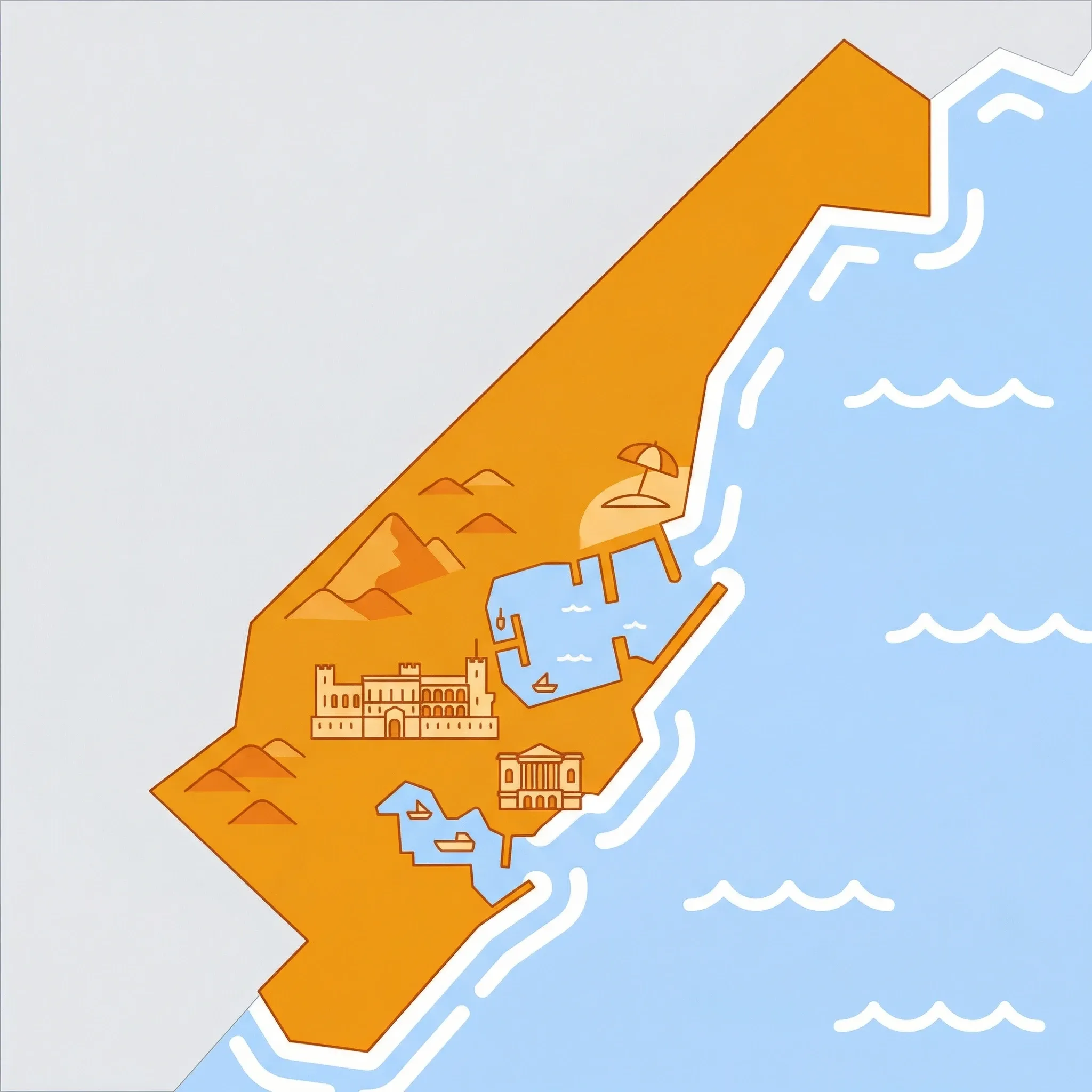
Squeezed between the Alps and the Mediterranean Sea, Monaco is the second-smallest country in the world, yet it packs an incredible amount of glamour, history, and family entertainment into its two square kilometres. For families, the appeal lies in its safety, cleanliness, and manageable scale. Unlike sprawling capitals, you can walk (or take the pristine public lifts) across the entire country in an hour. The vibe is one of polished luxury, but children are welcomed warmly, especially in the numerous manicured parks and the pedestrian-friendly historic quarter on The Rock.
While often associated with high-rollers, Monaco offers a surprising depth of cultural and natural experiences for younger visitors. The mild Mediterranean climate makes it a year-round destination, though spring and autumn offer the most comfortable temperatures for exploring the steep, winding streets. Whether you are spotting supercars near the harbour or watching marine life in world-famous aquariums, the principality feels like a safe, sun-drenched bubble where the high life meets family fun.
Key Attractions
The crown jewel for families is the Oceanographic Museum of Monaco. Perched dramatically on a cliffside, this "Temple of the Sea" captivates children with its shark lagoon, turtle island, and interactive touch tanks. Just a short walk away on The Rock of Monaco lies the Prince's Palace of Monaco. Families should aim to arrive by 11:55 am to witness the daily Changing of the Guard ceremony-a precise and traditional spectacle that children adore.
For a change of pace, explore the serene Japanese Garden in the Larvotto district. It provides a Zen-like escape with koi carp ponds and waterfalls that fascinate toddlers and teens alike. Nearby, Larvotto Beach offers a safe, netted swimming area and clean sands perfect for a family dip. Motorsport fans can walk the famous curves of the Circuit de Monaco (Grand Prix Route), imagining the roar of engines past the harbour.
While the gaming rooms of the Casino de Monte-Carlo are off-limits to children, the building's atrium and surrounding gardens are open to all and offer a glimpse of Belle Époque grandeur. Finally, take a peaceful stroll through the Princess Grace Rose Garden in Fontvieille, a fragrant tribute that offers plenty of space for younger children to run safely.
Practical Advice
Monaco is hilly, but a network of 79 free public elevators, escalators, and travelators makes navigating with a stroller surprisingly easy. The best time to visit is May, June, or September to avoid the peak August heat and crowds. Tap water is safe to drink. Healthcare is excellent but expensive; travel insurance is essential.
Food & Drink
Typical meal times: Lunch is generally served from 12:00 pm to 2:00 pm. Dinner is a later affair, typically starting from 7:30 pm or 8:00 pm, though brasseries may serve continuously.
Typical meal costs: €50–80 (approx. $55–85 USD / £42–68 GBP) for a main meal in a standard restaurant. Quick snacks like barbajuan cost €2–6.
Dietary requirements: Excellent. With strong French and Italian influences, restaurants are very accustomed to vegetarian, gluten-free, and allergy-specific requests.
Family-friendly dining: Italian cuisine is ubiquitous here, meaning pizza and pasta are available on almost every corner, making it easy to feed fussy eaters. Most restaurants welcome children, though high-end venues may expect well-behaved dining etiquette.
Signature dishes:
- Barbajuan – A delicious deep-fried pastry fritter filled with Swiss chard, ricotta, and herbs. The ultimate local snack.
- Socca – A thin, crispy chickpea flour pancake, best eaten hot from market stalls in La Condamine.
- Fougasse Monégasque – A sweet, aniseed-flavoured bread topped with nuts and raisins (distinct from the savoury French version).
- Stocafi – Dried cod stewed in a rich tomato sauce with black olives and garlic, a traditional dish for adventurous eaters.

Monaco is one of the most expensive destinations in the world. A family of four should expect to spend €350–600 (approx. $380–650 USD / £300–510 GBP) per day for mid-range accommodation, meals, and activities. While walking and public lifts are free, sit-down dining and hotels command a significant premium.
Age Suitability




Did you know? Monaco welcomes approximately 348,000 international visitors per year. Most visitors come from Europe.
Why this score?
Monaco is an entirely urbanized sovereign city-state with virtually no rugged or wild terrain, making it one of the least adventurous regions globally. The territory is characterized by manicured gardens, paved streets, and a comprehensive network of public elevators, offering a controlled environment focused on luxury and culture rather than outdoor exploration.
Why this score?
The principality boasts exceptional healthcare infrastructure, including the renowned Princess Grace Hospital Center which offers state-of-the-art medical technology and specialized care. As a hub for the international elite, the medical services are highly accustomed to treating foreign patients with multilingual staff and efficient emergency response systems that meet the highest European standards.
Why this score?
While Monaco is a globally iconic brand associated with luxury and the Grand Prix, its actual overnight visitor numbers are relatively modest at approximately 350,000 per year. It functions largely as a high-end niche destination and a popular day-trip stop for tourists staying elsewhere on the French Riviera rather than a global mega-destination like Paris or London.
Monaco is one of the most expensive destinations in Europe. Accommodation is significantly pricier than neighbouring French towns, with family rooms often exceeding €350 (approx. $380 USD / £300 GBP) per night. However, many public attractions like the Japanese Garden and the Changing of the Guard are free. Bus tickets are reasonable at €2 (approx. $2.20 USD / £1.70 GBP). A casual bakery lunch is the best way to save money.

Getting There & Around
Getting There
- By Air – The nearest major hub is Nice Côte d'Azur Airport (NCE) in France. From there, you can take an express bus (line 110), a regional train, or a helicopter transfer to reach Monaco.
- By Train – Monaco-Monte Carlo station is well-connected by the SNCF TER network. Frequent trains run along the coast from Nice (20 mins) and the Italian border town of Ventimiglia.
- By Road – Driving is possible but traffic is heavy and parking is extremely expensive. The scenic Bus 100 from Nice Port is a very affordable option, though often crowded.
- Entry Requirements – Monaco is not in the EU but is a de facto member of the Schengen Area. There are no border controls between France and Monaco. Check your government website for the latest visa requirements, or use the IATA Travel Centre entry-requirements checker.
Getting Around
- Walking & Public Lifts – The best way to explore. A unique network of 79 public lifts, escalators, and travelators connects the upper and lower levels of the city, making it easy to navigate the steep terrain with strollers.
- Bus Network – The Compagnie des Autobus de Monaco (CAM) operates an efficient bus service. Tickets cost €2 on board or less via the Monapass app. Children under 5 travel free.
- Bateau Bus – A solar-powered electric boat shuttle that crosses Port Hercule, connecting Monaco-Ville (The Rock) with Monte Carlo. It costs the same as a bus ticket and is a fun short trip for kids.
- Tourist Train – The 'Azur Express' offers a guided tour of key sites like the Prince's Palace of Monaco and the Casino de Monte-Carlo, ideal for saving little legs.

Packing List
Many restaurants and the Casino area enforce dress codes (no shorts/flip-flops) after 7pm.
Perfect for children to spot mega-yachts and helicopters from the panoramic viewpoints on The Rock.
Bottled water is pricey, but the principality has clean, safe public drinking fountains.
You will walk a lot on steep pavements, but trainers may be refused in smarter venues.
The Rock and harbour areas are very exposed to wind and sun with little shade.

Activities & Best Times

City & Cultural
Very GoodUrban tourism, museums, historical sites, architecture
Offers a concentrated collection of world-class heritage sites like the Prince's Palace and Casino de Monte-Carlo within a high-security, luxury urban environment. Peak season aligns with the height of the Mediterranean social calendar and optimal weather for exploring the historic Rock of Monaco.

Festivals & Seasonal
Very GoodEvents, celebrations, seasonal attractions
Monaco hosts world-class events: Monaco Grand Prix (F1's most prestigious race), Monte-Carlo International Circus Festival (premier global circus event), Monte-Carlo Jazz Festival, and Monaco Yacht Show. These are internationally significant events that draw global audiences. 'Marginal' severely underrates Monaco's festival calendar.

Adventure & Nature
GoodHiking, wildlife, outdoor exploration, ecotourism
Features dramatic coastal topography and access to the Via Alpina and Sentier du Littoral, offering stunning Mediterranean views for hiking families. Late spring and early autumn provide ideal temperatures for these coastal trails, while July and August can be uncomfortably hot for active exploration.

Beach & Sea
GoodBeach resorts, marine activities: diving, snorkelling, kite surfing, wind surfing, sailing
Larvotto Beach is an excellent urban beach with high-quality facilities. While artificial and limited in size, it provides genuine beach recreation. 'Marginal' understates its quality for a city-state beach destination.

Educational & Exploratory
GoodLearning experiences, scientific sites, historical education
Once the Oceanographic Museum is added to the database, this rating should increase. The museum is a world-renowned marine science institution. Combined with the Prince's Car Collection and other specialized museums, Monaco offers strong educational tourism despite its small size.

Sports & Active
GoodSport tourism, fitness activities, active recreation
Provides elite infrastructure for sailing and internationally recognized cycling routes like the EuroVelo 8 Mediterranean segment. Peak months offer reliable conditions for maritime sports and cycling before the winter humidity and precipitation increase.

Road Trips & Scenic
MarginalScenic drives, countryside tours, route-based travel
Monaco is 2.02 km² - too small for road trips. The Grand Prix circuit is a race track (not a tourist route), and the Grande Corniche is in France, not Monaco. While Monaco has automotive heritage, it lacks actual scenic driving routes within its borders.

Theme Park & Entertainment
MarginalAmusement parks, family entertainment venues
The Stade Nautique Rainier III provides a high-quality aquatic center experience that serves as a seasonal family entertainment hub. Its appeal is largely restricted to the peak summer season when outdoor water activities are most desirable.

Attractions (14 total)



Public Holidays & Calendar Next 12 months
Public holidays, festivals, cultural celebrations, and seasonal natural phenomena coming up in Monaco over the next 12 months.
Loading holidays and events...

Travel Advisory
The country is considered exceptionally safe. Standard travel safety awareness is sufficient for visitors.
Safety Topics
Traveller Advice (4 groups)

No specific safety risks or legal restrictions are identified for LGBTQ+ travellers in Monaco.

The hilly terrain of Monaco may present mobility challenges; however, specialized advice and resources are available through consular channels.

Maintain standard safety awareness, particularly in crowded areas, and ensure you have valid travel insurance for your stay.

Solo female travel is generally safe in the principality; standard safety practices used in any major city are appropriate.
Agency Summaries
Monaco is generally very safe, though visitors should remain alert for petty crimes like pickpocketing in crowded tourist spots and at transportation hubs.
Irish citizens can enjoy a safe environment but should stay informed through local media and follow any guidance from Monegasque authorities.
Monaco is considered safe for visitors. Australians are advised to maintain standard security awareness and ensure they have comprehensive travel insurance.
The country maintains a very low crime rate. Travellers should practice standard safety awareness and comply with all local regulations.
There is currently no specific travel advisory for Monaco, indicating a baseline level of safety. Standard travel insurance and health precautions are recommended.
Safety is high, but travelers should secure their belongings on trains to and from the principality and at nearby airports. Dress codes are strictly enforced in public areas.
Information is provided for general guidance only and does not constitute travel, safety, medical, or legal advice. Conditions may change. Users are responsible for independently verifying information before travel.