
Western Mongolia (Altai)
Where eagles hunt and mountains touch the sky 🦅🏔️
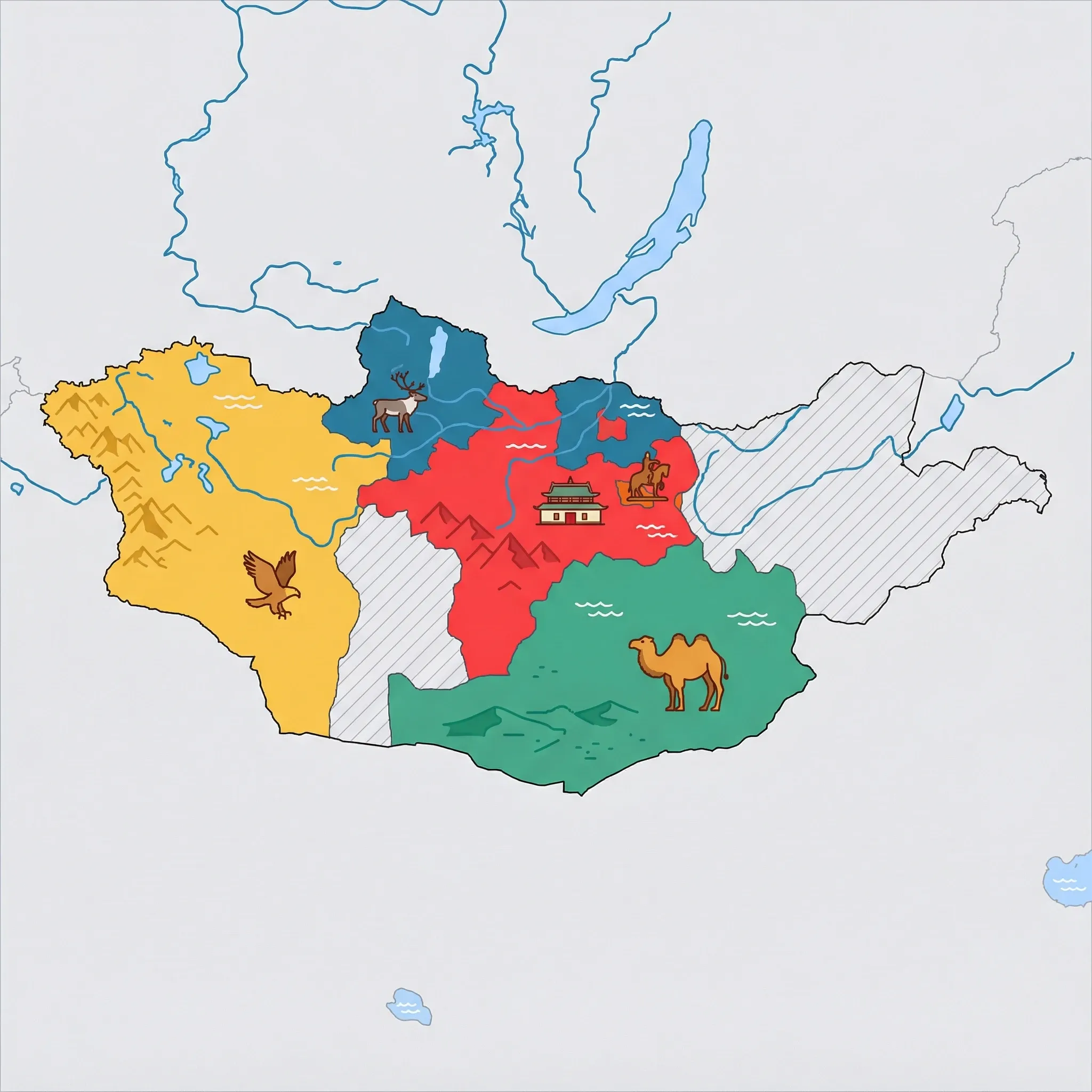
Click a region to explore
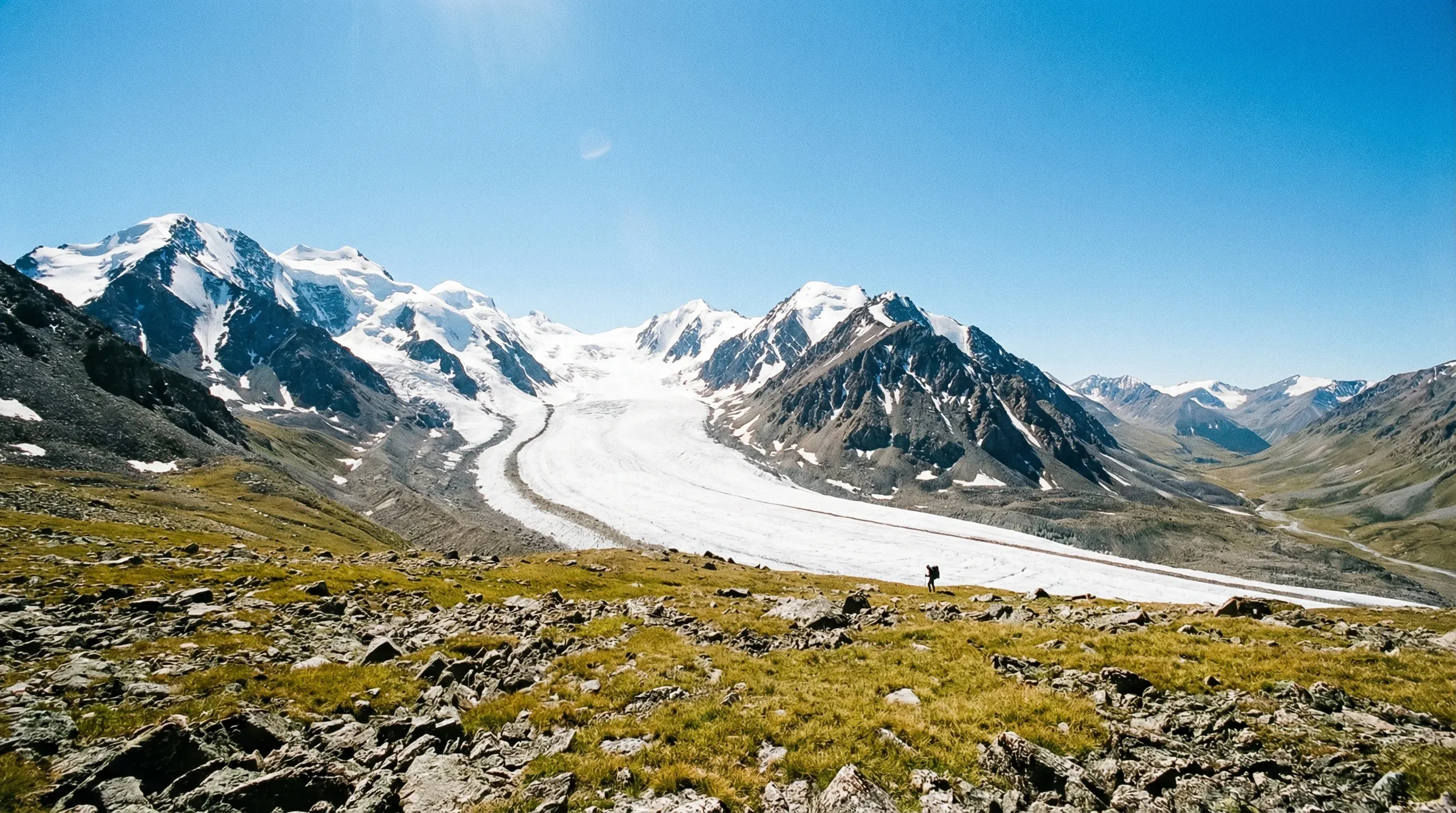
Western Mongolia, specifically the Altai Mountains, is the most geographically and culturally distinct part of the country. Here, the rolling green hills are replaced by jagged, snow-capped peaks, and the white gers are replaced by larger, more colorful Kazakh yurts. The population here is predominantly ethnic Kazakh, meaning the culture is Muslim rather than Buddhist, and the language is Kazakh. For families, this offers a fascinating lesson in cultural diversity within a single country.
This region is "Adventure Level: High." It is remote, the roads are rough, and the infrastructure is basic. However, for active families with older children (8+), it is incredibly rewarding. The landscape is monumental—glaciers, alpine lakes, and ancient history are everywhere. The most famous draw is the tradition of Eagle Hunting. While the Golden Eagle Festival in October is the main event, families visiting in summer can still visit eagle hunters' homes, see the magnificent birds up close, and watch training demonstrations. The bond between the hunter and the eagle is something children never forget.
Key Attractions
The Altai Tavan Bogd National Park is the crown jewel, home to the five highest peaks in Mongolia. While climbing the peaks is for mountaineers, families can hike to the Potanin Glacier or camp near the stunning lakes. Khoton Lake and Khurgan Lake are particularly beautiful spots for camping; they are surrounded by forests and snow-capped mountains, with clear water for fishing and skimming stones.
History is literally etched into the landscape here. The Petroglyphic Complexes of the Mongolian Altai is a massive outdoor gallery of rock carvings dating back 12,000 years. Kids love "treasure hunting" for images of deer, hunters, and chariots on the rocks. It’s an open-air history lesson with no glass cases. The provincial capital, Olgii, feels like a different country, with its mosque minarets and bustling bazaar selling embroidered Kazakh tapestries.
Practical Advice
This is the farthest region from Ulaanbaatar. You must fly to Olgii; driving takes 3-4 days of non-stop punishment. The best time to visit is June to September. October is famous for the Eagle Festival but is very cold (-10°C is possible). Accommodations are mostly guest yurts or camping. The hospitality is legendary, but privacy is limited.
Food & Drink
Typical meal times: Breakfast 8:00 am – 9:30 am; Lunch 1:00 pm – 2:30 pm; Dinner 7:30 pm – 9:00 pm.
Typical meal costs: Similar to other rural areas but slightly higher transport costs for food. Meals: 15,000–25,000 MNT (approx. $4.50–7.50 USD / €4–6.50 EUR).
Dietary requirements: This is mutton country. Horse meat is also common in Kazakh cuisine (kazy). Vegetables are expensive and rare in rural areas. Vegetarians will struggle without their own supplies.
Signature dishes:
- Beshbarmak – "Five Fingers." The signature Kazakh dish of boiled meat (mutton/horse) and flat pasta sheets, traditionally eaten with your hands from a communal platter.
- Kazy – Horse meat sausage, considered a delicacy and high-energy food for the mountains.
- Baursak – Puffy fried dough, similar to donuts but not sugary, served with tea and cream.
Why this score?
The Altai Mountains offer an extreme adventure environment featuring glaciers, high-altitude passes, and deep cultural immersion. It is a rugged frontier where weather can change instantly and infrastructure like roads and electricity is often non-existent. Families visiting here face serious physical challenges and must be prepared for total isolation from the modern world.
Why this score?
Medical services are at their most primitive here, with the provincial center of Ölgii offering only very basic care. In the remote mountain valleys where eagle hunters live, there is no medical infrastructure at all. Any serious injury in this region is a life-threatening event due to the extreme difficulty of organizing an aerial evacuation from such a remote area.
Why this score?
This is the most remote and least-visited part of the country, primarily attracting high-end adventure travelers and those interested in Kazakh eagle hunting. Its distance from Ulaanbaatar and the high cost of domestic flights or long drives keep it exclusive to a very small number of visitors. It remains a truly off-the-beaten-path destination for global travelers.

The high cost comes from logistics. Flights to Olgii are the most expensive domestic route, approx. 1,000,000–1,500,000 MNT (approx. $295–440 USD / €270–405 EUR) round trip. Vehicle hire is also pricier due to the rough terrain and remoteness, averaging $100–130 USD (approx. 340,000–440,000 MNT / €90–120 EUR) per day for car + driver + fuel.

Getting Here & Around
Getting Here
- Air – The only practical way for families. Flights from Ulaanbaatar to Olgii (ULG) run daily in summer and take about 3 hours (often with a stopover). Book months in advance as they sell out.
- Driving – Only for extreme overlanders. The drive from UB is 1,600km+ and takes 3–4 days on mixed roads. Not recommended for a standard 2-week family holiday.
Getting Around
- Car – A Russian UAZ Furgon is the vehicle of choice here. It can handle the rugged terrain around Altai Tavan Bogd National Park better than modern SUVs. Prepare for a bumpy ride.
- Hiking – Excellent opportunities, but trails are unmarked. A guide is essential.
- Horse/Camel – Both are used for trekking here. Camels are often used to carry gear for multi-day treks.
Nearby Airports (5 airports)
Khovd Airport
HVDKhovd
Altai Airport
LTIAltai
Olgii Airport
ULGUlgit
Ulaangom Airport
ULOUlaangom
Donoi Airport
ULZUliastai
View full flight map for Mongolia →
Official Links

Packing List
Kazakh hospitality is intense; bring small gifts for host families.
Electricity is extremely rare in the Altai mountains; you may go days without a plug.
If trekking, temperatures at altitude drop below freezing even in summer.
Mongolian is less spoken here; Russian or Kazakh is the lingua franca.
Ger camps and outhouses often lack electricity at night; hands-free lighting is essential for bathroom trips.
You must remove shoes every time you enter a family's ger. Laces become very frustrating very quickly.
Showers can be scarce in the remote steppes. Wipes are the standard 'Mongolian shower' for days on the road.
It is customary to offer small tokens to the children of host families when visiting their gers.
Electricity in rural camps is often limited to a few hours of generator time or solar power.
To carry your own trash out of remote areas (leave no trace) and protect electronics from fine Gobi dust.

Activities & Best Times

Hiking, wildlife, outdoor exploration, ecotourism
Altai Tavan Bogd offers world-class trekking and glacial landscapes that are both authentic and visually stunning for experienced families. Peak summer months provide the only viable window for high-altitude exploration before extreme sub-zero temperatures return.

Urban tourism, museums, historical sites, architecture
The region provides a unique Kazakh-Mongolian cultural fusion centered around traditional eagle hunting and Neolithic petroglyphs. Visitation is best during the autumn festival season, while the harsh winter months significantly limit cultural accessibility.

Scenic drives, countryside tours, route-based travel
The AH4 and Altai expedition circuits offer legendary overland routes through some of Central Asia's most spectacular and remote mountain terrain. Travel is restricted to the brief summer window when mountain passes are clear of snow and road conditions are safest.

Sport tourism, fitness activities, active recreation
Challenging high-altitude trekking and bikepacking routes through the Altai Tavan Bogd offer rigorous physical challenges for active families in a remote setting. The season is limited to the warmest months when professional support logistics are operational.

Events, celebrations, seasonal attractions
The Golden Eagle Festival is a globally recognized cultural event showcasing traditional Kazakh falconry against the Altai mountain backdrop. This is a highly seasonal experience, with primary international interest focused specifically on the October event window.




Public Holidays & Calendar Next 12 months
Public holidays, festivals, cultural celebrations, and seasonal natural phenomena coming up in Western Mongolia (Altai) over the next 12 months.
Loading holidays and events...

Travel Advisory
All major international agencies currently designate Mongolia as a low-risk destination where standard safety measures are sufficient. There are no active regional travel prohibitions or heightened security warnings beyond typical urban crime awareness.
Safety Topics
Traveller Advice (4 groups)
Rural travel requires significant preparation for extreme weather and limited infrastructure. It is recommended to travel with local guides, carry a satellite phone for communication in remote areas, and pack ample water and supplies.
Accessibility in Ulaanbaatar is very limited. While some sidewalks have tactile paving, most public buildings and transport systems remain inaccessible for wheelchair users, and elevators are often too small for standard equipment.

While same-sex relationships are not illegal, there is a lack of legal recognition for same-sex unions. Members of the community may face social discrimination, verbal abuse, or harassment, so discretion in public is recommended.

Female visitors should avoid solo travel, particularly at night, due to reports of harassment and infrequent sexual assault. It is safer to use registered taxi apps rather than hailing cars on the street.
Agency Summaries
No specific travel restrictions are in place, but visitors should be aware of the global threat of terrorism. Petty theft occurs in crowded areas. Road travel outside the capital can be hazardous due to poor infrastructure.
Irish citizens can visit Mongolia visa-free for tourism for up to 30 days until the end of 2026. Consular assistance is managed through the embassy in Beijing, as there is no local mission.
The overall risk is low, but tourists must register with local immigration authorities within 48 hours of arrival. Be cautious of scams involving fake police officers and exercise care during extreme winter weather conditions.
New Zealand does not have a specific travel advisory for Mongolia, suggesting a standard security environment. Travellers should focus on health precautions, particularly regarding water safety and winter air quality.
While generally safe, there is an upward trend in street crime and occasional violent incidents in larger cities. Visitors should stay in well-lit areas and use reputable transport. Female travellers are encouraged to avoid travelling alone.
Travellers should remain alert in urban centers where petty crimes like pickpocketing are frequent. Increased vigilance is recommended during major public holidays and festivals due to higher crime rates. There are reports of individuals impersonating police to rob visitors.
Information is provided for general guidance only and does not constitute travel, safety, medical, or legal advice. Conditions may change. Users are responsible for independently verifying information before travel.