
Casablanca & Atlantic Coast
Modern metropolises and historic kasbahs meeting the Atlantic waves 🌊🇲🇦
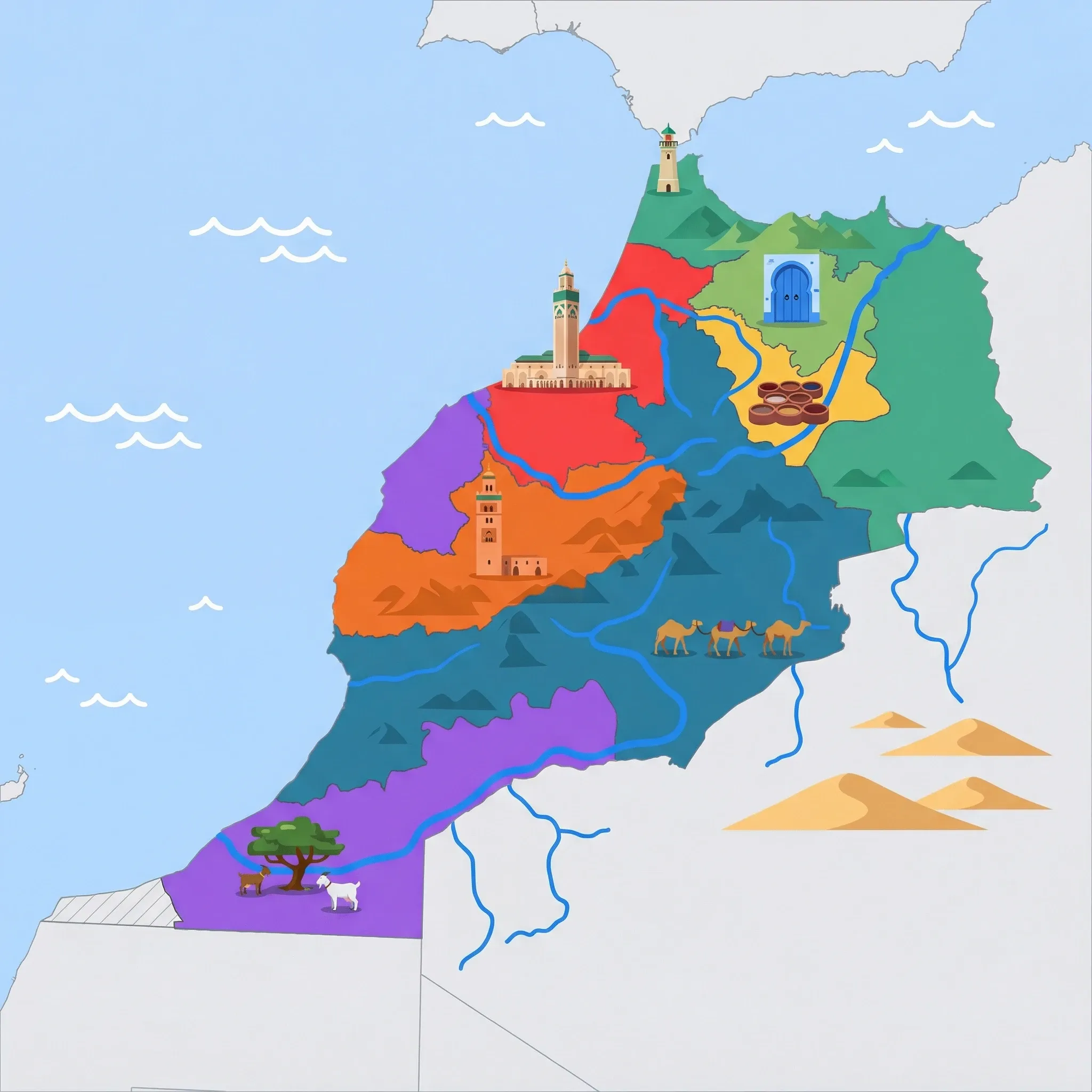
Click a region to explore
Overview
The Atlantic Coast, anchored by Casablanca and Rabat, presents a side of Morocco that is surprisingly modern, accessible, and incredibly well-suited for families. Unlike the intense sensory labyrinth of inland medinas, this coastal strip offers wide boulevards, stroller-friendly promenades, and a refreshing sea breeze that tempers the North African sun. Rabat, the nation's capital, is often cited as Morocco's "Green City" due to its abundant parks and cleaner air. It serves as a gentle introduction to the country's culture, where the pace is slower and the hassle factor for tourists is significantly lower than in Marrakech or Fes. Families here can enjoy a cosmopolitan lifestyle with easy access to high-quality amenities, shopping malls, and international healthcare, making it a reassuring base for those traveling with young children.
Casablanca, while busier and more industrial, holds an undeniable urban charm with its Art Deco architecture and the awe-inspiring Atlantic coastline. The region is defined by the ocean; from the surf schools of Bouznika to the corniche of Ain Diab, water plays a central role in leisure time. For families, this means days can be spent exploring ancient 12th-century fortresses in the morning and building sandcastles on golden beaches by the afternoon. The cultural blend here is palpable, offering a mix of French colonial history and deep-rooted Moorish tradition that provides educational value for older children without feeling like a history lecture.
Key Attractions
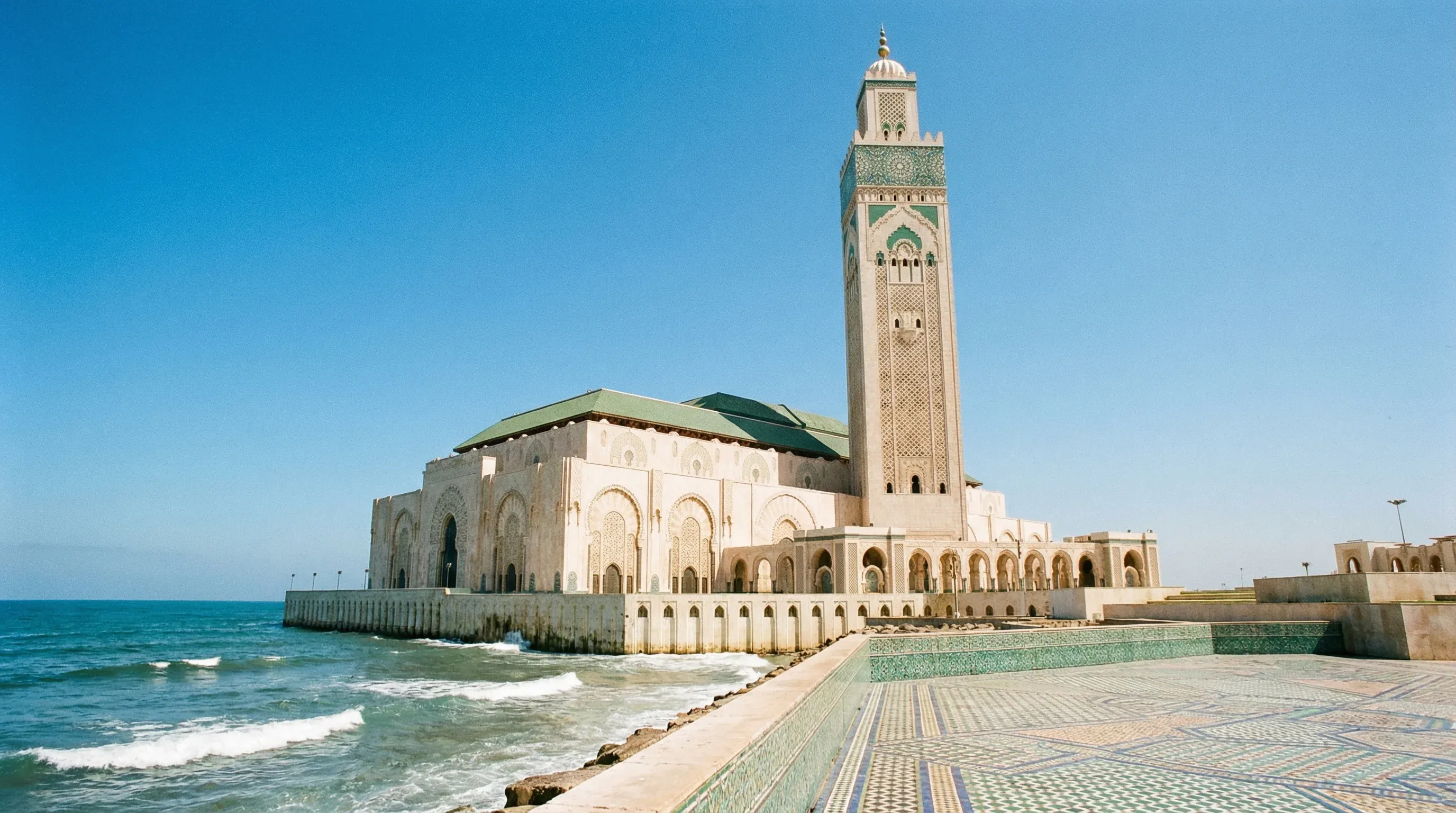
The undisputed jewel of the coast is the Hassan II Mosque in Casablanca. Standing on a promontory over the Atlantic, it features a glass floor revealing the ocean beneath and a laser-topped minaret that is the tallest in the world; kids are often fascinated by the automated sliding roof. Moving north to Rabat, the Jardin Zoologique de Rabat is a must-visit. Unlike older zoos, this facility is designed with "bio-zones" mimicking the natural habitats of Atlas lions, rhinos, and elephants, offering a spacious and ethical animal encounter. For a taste of history that feels like an adventure, the Kasbah of the Udayas offers a maze of blue-and-white streets reminiscent of Greece, leading to sweeping ocean views and the peaceful Andalusian Garden, where cats snooze among the orange trees—a guaranteed hit with toddlers.
Practical Advice
Spring (March to May) and Autumn (September to November) are the best times to visit, with temperatures averaging 20–25°C (68–77°F). Summer can be humid but is relieved by coastal breezes. Rabat is arguably the most stroller-friendly city in Morocco, with paved sidewalks and a modern tram system that accommodates prams easily.
Food & Drink
Typical meal times: Lunch is traditionally the largest meal, served from 12:30 pm to 3:00 pm. Dinner is eaten late by Western standards, typically between 8:00 pm and 10:00 pm, though restaurants in tourist areas open earlier.
Typical meal costs: A mid-range family meal costs around 150–250 MAD (approx. $15–25 USD / €14–23 EUR) per person. Street food snacks range from 10–30 MAD (approx. $1–3 USD / €0.90–2.80 EUR).
Dietary requirements: This is the most international region of Morocco. Vegetarian and vegan options are easily found in modern cafes in Rabat and Casablanca. Gluten-free awareness is growing in upscale dining but cross-contamination in bakeries is a risk. Nut allergies require vigilance as almonds are ubiquitous.
Signature dishes:
- Couscous with Seven Vegetables – The Friday staple, fluffy semolina grains steamed over broth and topped with pumpkin, carrots, turnips, and chickpeas.
- Fish Tagine – A coastal specialty, often made with chermoula (a marinade of herbs and spices), tomatoes, and potatoes.
- Cornes de Gazelle – Crescent-shaped pastries filled with almond paste and scented with orange blossom water.
Why this score?
This is Morocco's most urbanized and developed corridor, characterized by modern infrastructure, shopping malls, and paved coastal promenades. Outdoor activities are largely limited to structured beach clubs or surfing at Ain Diab, offering very little ruggedness for adventurous families.
Why this score?
Casablanca and Rabat host the country's most advanced medical facilities, including top-tier private clinics and university hospitals like Cheikh Khalifa. These facilities are the most likely in Morocco to have English-speaking specialists and modern diagnostic equipment suitable for international travelers.
Why this score?
As the primary international gateway via Mohammed V International Airport, this region sees high volumes of transit and business travelers alongside cultural tourists visiting the Hassan II Mosque. While Rabat offers UNESCO-listed heritage and a growing museum scene, the region lacks the heavy leisure-tourism focus found in Marrakech.

Casablanca is the business capital and can be expensive, while Rabat offers slightly better value. Luxury hotels range from 1,500–3,000 MAD (approx. $150–300 USD / €140–280 EUR) per night. Mid-range riads or hotels cost 600–1,000 MAD (approx. $60–100 USD / €55–90 EUR). Public transport is very cheap, with tram tickets costing just 6 MAD (approx. $0.60 USD / €0.55 EUR).
Family Travel Notice
When travelling with minors, ensure you carry full birth certificates and, if applicable, notarized consent letters from any non-travelling parent to satisfy border authorities.

Getting Here & Around
Getting Here
- Airports – Mohammed V International Airport (CMN) in Casablanca is the country's primary hub with direct flights from North America and major European cities. Rabat-Salé Airport (RBA) offers calmer arrival options from Europe.
- Train – The Al Boraq high-speed train connects Tangier to Casablanca (via Rabat) in just over 2 hours. It is comfortable, fast, and very family-friendly.
- Driving – The A1 motorway connects these coastal cities. It is a toll road in excellent condition, making driving straightforward, though traffic in downtown Casablanca is chaotic.
Getting Around
- Tramway – Both Casablanca and Rabat have modern tram systems. They are clean, safe, cheap, and the easiest way to navigate the city centers with children.
- Train – Frequent shuttle trains (TNR) connect Casablanca, Mohammedia, and Rabat, running nearly every 30 minutes. It's an efficient way to hop between cities.
- Petit Taxi – Small color-coded cars (Red in Casablanca, Blue in Rabat) for inner-city travel. Ask for the meter ("le compteur") to be turned on. They generally take a maximum of 3 passengers.
Nearby Airports (2 airports)
Mohammed V International Airport
CMNCasablanca
Sale
RBARabat
View full flight map for Morocco →
Official Links

Packing List
The Atlantic coast can be surprisingly damp and misty, even when it's not pouring rain.
Casablanca traffic and street noise can be overwhelming for sensory-sensitive children.
Evenings by the ocean get chilly quickly, even after hot days.
Hard to find in local pharmacies; essential for hotel pools or beach days.
Many sinks and bathtubs in traditional riads and older hotels lack plugs.
Essential for protecting phones and cameras from fine desert sand in the Sahara.
The winding roads through the Atlas Mountains (Tizi n'Tichka pass) can be nauseating.
Vital for tipping bathroom attendants and guardians, who often don't have change.
Dehydration happens fast in the dry desert heat; these are hard to find in rural areas.
Public restrooms often lack paper; carrying your own supply is standard practice.

Activities & Best Times

Hiking, wildlife, outdoor exploration, ecotourism
The region features high-quality managed nature sites like the Rabat Zoo and the Maamora forest trails. Spring and autumn offer the best conditions for outdoor exploration, while winter rains can make trails less accessible.

Urban tourism, museums, historical sites, architecture
Rabat’s UNESCO-listed heritage and Casablanca’s blend of Art Deco and modern art offer a sophisticated urban experience. Peak visitation occurs during spring and autumn when temperatures are ideal for walking tours of the medinas and museums.

Beach resorts, marine activities: diving, snorkelling, kite surfing, wind surfing, sailing
Coastal resorts like Bouznika and Ain Diab provide well-maintained Atlantic beaches suitable for families. The season is strictly summer-focused when water temperatures are at their highest and coastal winds are most pleasant.

Sport tourism, fitness activities, active recreation
The dedicated coastal cycle route and forest trails provide excellent infrastructure for active exploration. High summer heat is generally avoided for these activities, favoring the more temperate spring and autumn months.

Amusement parks, family entertainment venues
With venues like Sindibad and various aquaparks, the region offers solid regional entertainment. Peak activity aligns with summer school holidays when water-based attractions are fully operational.

Learning experiences, scientific sites, historical education
Specialized facilities like the Earth Science Museum provide educational value, though they are secondary to the city's broader cultural draws. These indoor sites are viable year-round but peak when city touring is most comfortable.

Events, celebrations, seasonal attractions
The Mawazine Festival in Rabat is a significant international draw, typically occurring in June. Outside of this major event, international-standard festival offerings are limited.

Scenic drives, countryside tours, route-based travel
Scenic coastal routes like the R322 offer attractive Atlantic views connecting the main hubs. These drives are best enjoyed in the clear light of spring and autumn, avoiding the winter rains and peak summer traffic.

Attractions (12 total)



Public Holidays & Calendar Next 12 months
Public holidays, festivals, cultural celebrations, and seasonal natural phenomena coming up in Casablanca & Atlantic Coast over the next 12 months.
Loading holidays and events...

Travel Advisory
All major agencies recommend exercising a high degree of caution or increased vigilance. The primary driver for this assessment is the underlying threat of terrorism targeting public and tourist areas, supplemented by risks of civil unrest and regional border instabilities.
Safety Topics
Traveller Advice (5 groups)

When travelling with minors, ensure you carry full birth certificates and, if applicable, notarized consent letters from any non-travelling parent to satisfy border authorities.

Be aware that same-sex relations are legally restricted in Morocco. Public displays of affection are generally discouraged for all couples but may lead to significant legal or social complications for LGBTQ+ individuals.

Do not hike alone in remote mountain or desert regions. Use only officially sanctioned guides and ensure vehicles are well-equipped for off-road conditions in the south.

Consider dressing conservatively to respect local customs and reduce the likelihood of unwanted attention. It is advisable to avoid walking alone in isolated areas or after dark.

Maintain a high level of situational awareness in crowded markets, medinas, and near government buildings. Ensure comprehensive travel insurance is in place and monitor local media for sudden demonstrations.
Agency Summaries
Irish citizens are urged to be vigilant and avoid large public gatherings. The advisory notes that while the terrorism risk level has seen some statistical decline, the potential for indiscriminate attacks remains a concern for foreign visitors.
Travellers should remain highly vigilant throughout Morocco due to a persistent threat of terrorist activity. While the general safety situation is stable, specific border areas including the 20km zone adjacent to Algeria and regions near the Western Sahara Berm should be avoided entirely due to military presence and landmines.
The U.S. government recommends increased caution due to the risk of terrorism. Extremist groups continue to plan potential attacks that could target tourist sites, transport hubs, and local government facilities without warning.
British citizens are advised to monitor local conditions closely. While most visits are trouble-free, recent updates have focused on managing risks from severe weather and civil demonstrations. Regional risks exist, particularly in the disputed territory of Western Sahara.
New Zealanders should exercise heightened security awareness due to terrorism and potential civil unrest. Violent clashes during protests have been reported recently, and strict 'do not travel' warnings apply to the militarized boundary in Western Sahara.
Australia maintains a high caution level primarily due to terrorism risks in tourist precincts. Recent advisories also highlight flooding in northern provinces and the necessity of obtaining an e-visa prior to arrival.
Information is provided for general guidance only and does not constitute travel, safety, medical, or legal advice. Conditions may change. Users are responsible for independently verifying information before travel.