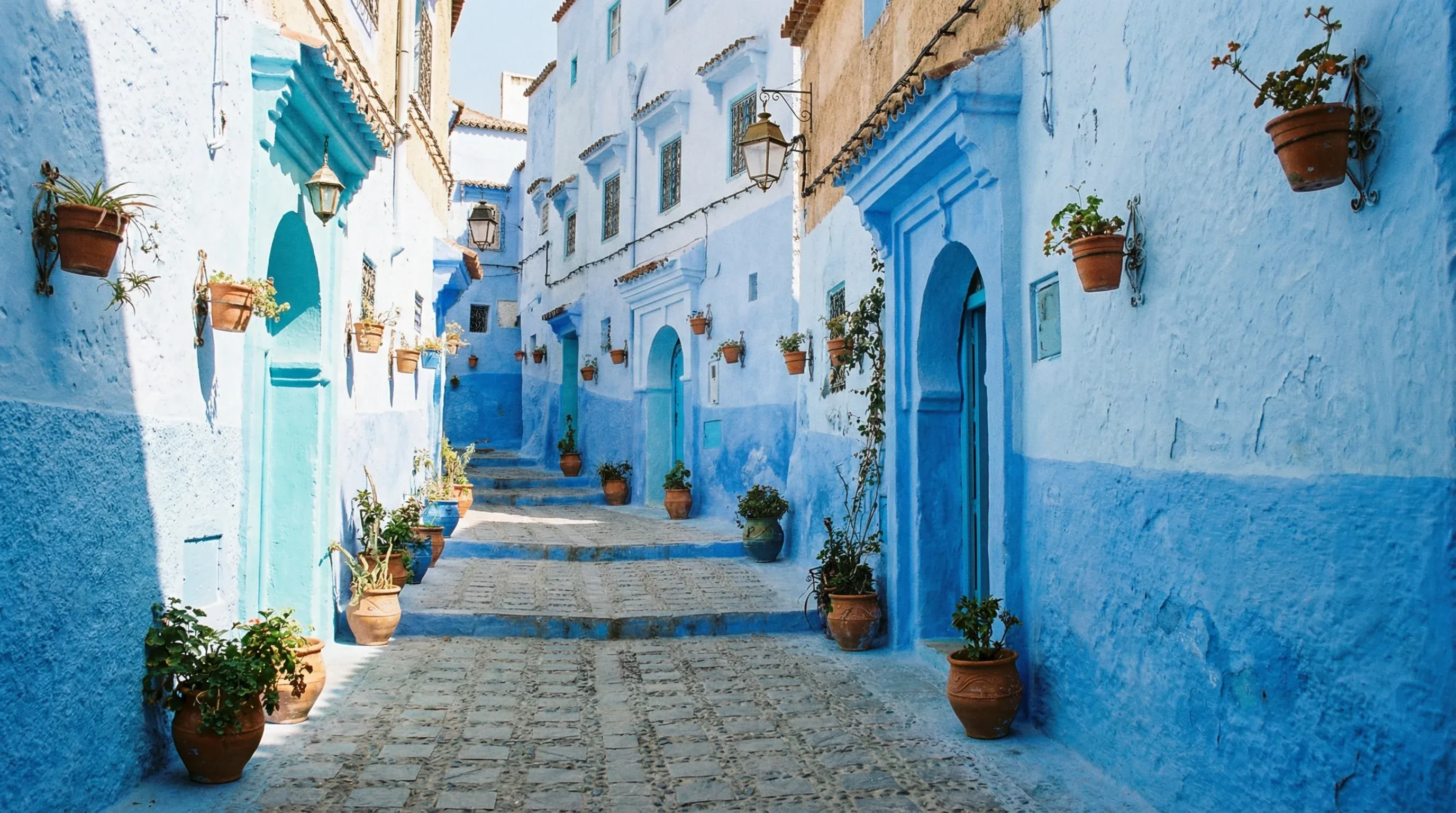

Chefchaouen & Rif Mountains
Wander through a real-life blue labyrinth in the mountains 💙⛰️
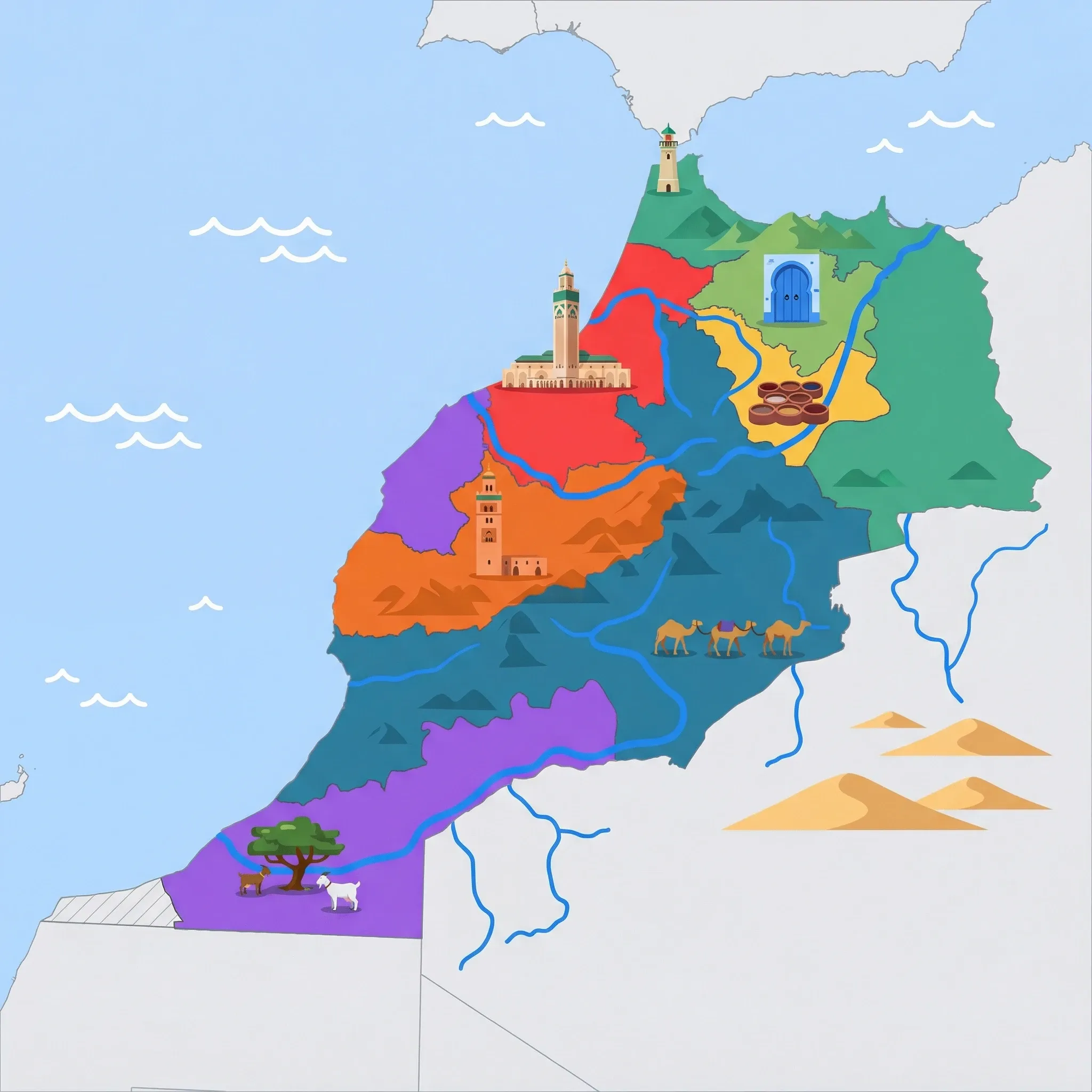
Click a region to explore
Overview
Nestled in the craggy peaks of the Rif Mountains, Chefchaouen is arguably the most photogenic destination in Morocco. For families, the "Blue City" feels like stepping into a storybook. The entire medina is painted in varying shades of blue, a tradition originally brought by Jewish refugees to symbolize the sky and heaven. The atmosphere here is markedly different from the rest of the country; the aggressive sales tactics found in larger cities are largely absent, replaced by a laid-back, almost bohemian mountain vibe. This makes it a fantastic place for children to practice their independence, wandering safely within sight of parents in the car-free lanes. However, parents should note that the town is built on a mountainside—steep stairs and cobblestones make strollers impractical, so baby carriers are essential for toddlers.
Beyond the blue walls, the region is an outdoor playground. The air is crisp and cool, a welcome relief from the desert heat. The surrounding Rif Mountains offer lush greenery, waterfalls, and rock formations that invite exploration. It is a region where the journey is as important as the destination; the winding roads offer spectacular views, though they can be challenging for those prone to motion sickness. The culture here is distinctively Amazigh (Berber) and Andalusian, reflected in the food, the music, and the warm hospitality of the locals who are generally very welcoming to children.
Key Attractions
The primary attraction is simply getting lost in the Chefchaouen Medina. Kids love the endless photo opportunities and the hunt for the prettiest door or the sleepiest cat. In the center of the town lies the Chefchaouen Kasbah, a red-walled fortress housing a lovely garden and a small ethnographic museum; climbing the tower gives a superhero's view over the blue rooftops. For active families, a day trip to Talassemtane National Park is unmissable. It is home to the stunning Akchour Waterfalls and God's Bridge (a natural rock arch). The lower trails to the waterfalls are manageable for older children and offer plenty of spots to dip toes in crystal-clear, albeit chilly, mountain water.
Practical Advice
The best time to visit is Spring (April-June) when the mountains are blooming. Summers are hot but cooler than the south. Winters can be surprisingly cold and damp, with snow on nearby peaks. Book accommodation well in advance as the best guesthouses fill up quickly. Be prepared for walking; comfortable, non-slip shoes are non-negotiable on the polished cobblestones.
Food & Drink
Typical meal times: Lunch is usually served from 1:00 pm to 3:00 pm. Dinner is often eaten between 7:30 pm and 9:30 pm.
Typical meal costs: Prices are lower than in Marrakech. A hearty dinner costs 70–120 MAD (approx. $7–12 USD / €6.50–11 EUR). Sandwiches and snacks are 15–30 MAD (approx. $1.50–3 USD / €1.40–2.80 EUR).
Dietary requirements: Goat cheese is a regional specialty, so dairy is prominent. Vegetarians will fare well with vegetable tagines and fresh salads. Gluten-free bread is very rare, so bring your own crackers or bread substitutes.
Signature dishes:
- Jben – A fresh, soft, white goat cheese traditionally served with olive oil, black olives, and warm bread for breakfast.
- Bissara – A thick, hearty soup made from dried fava beans or split peas, topped with olive oil and cumin; perfect for chilly mountain evenings.
- Tagine with Goat Meat – Due to the mountain terrain, goat is more common here than lamb, often slow-cooked with prunes and almonds.
Why this score?
The surrounding Talassemtane National Park and Akchour waterfalls offer excellent hiking opportunities and rugged mountain scenery. While the town itself is easily navigable, the winding mountain roads and natural trails provide a moderate sense of adventure for active families.
Why this score?
Medical facilities in Chefchaouen are basic and geared toward the local population, with limited emergency services for foreigners. For anything beyond minor ailments, patients are typically transferred to larger hospitals in Tetouan or Tangier, which are several hours away.
Why this score?
The 'Blue City' is a global social media icon, drawing significant crowds of international backpackers and day-trippers from Tangier. However, its remote location in the Rif Mountains and limited hotel capacity keep total visitor numbers lower than the major imperial cities.

Chefchaouen is generally cheaper than the imperial cities. A nice family guesthouse room costs 400–800 MAD (approx. $40–80 USD / €37–75 EUR). Meals are great value. However, beware of tourist traps in the main square (Uta el-Hammam); walking two streets away often halves the price of a meal to around 50–70 MAD (approx. $5–7 USD / €4.50–6.50 EUR).
Family Travel Notice
When travelling with minors, ensure you carry full birth certificates and, if applicable, notarized consent letters from any non-travelling parent to satisfy border authorities.

Getting Here & Around
Getting Here
- Bus – CTM and Supratours run reliable, air-conditioned buses from Tangier (approx. 2.5 hours) and Fes (approx. 4 hours). This is the most common public transport option.
- Driving – Renting a car gives flexibility. The drive from Tangier is scenic but involves winding mountain roads. Parking outside the medina is mandatory as the center is pedestrian-only.
- Grand Taxi – Shared or private taxis can be hired from Tangier or Tetouan. A private charter allows for photo stops along the scenic route.
Getting Around
- Walking – The only way to explore the Chefchaouen Medina. Be prepared for steep inclines and steps.
- Petit Taxi – Blue taxis operate in the new town (outside the medina walls) and can take you to the bus station or viewpoints like the Spanish Mosque.
- Hiking – For Talassemtane National Park, hiring a local guide is recommended for safety and to find the best trails for kids.
Nearby Airports (1 airport)
Cherif El Idrissi
AHUAl Hoceima
View full flight map for Morocco →
Official Links

Packing List
Strollers are useless on the steep, stepped alleys of the medina.
The drive into the Rif mountains involves hours of winding, serpentine roads.
Mountain nights drop significantly in temperature, even in warmer months.
The blue painted streets can be incredibly slippery, especially if it rains.
Many sinks and bathtubs in traditional riads and older hotels lack plugs.
Essential for protecting phones and cameras from fine desert sand in the Sahara.
The winding roads through the Atlas Mountains (Tizi n'Tichka pass) can be nauseating.
Vital for tipping bathroom attendants and guardians, who often don't have change.
Dehydration happens fast in the dry desert heat; these are hard to find in rural areas.
Public restrooms often lack paper; carrying your own supply is standard practice.

Activities & Best Times

Urban tourism, museums, historical sites, architecture
The iconic blue-washed Medina and historical Kasbah provide a globally unique urban heritage experience. Spring and autumn offer the most comfortable walking temperatures, while summer can be crowded and winters notably cold and damp.

Hiking, wildlife, outdoor exploration, ecotourism
Features spectacular limestone formations like God's Bridge and the lush Talassemtane National Park. Conditions are optimal in spring when waterfalls are full and temperatures are mild, avoiding the extreme heat of mid-summer peaks.

Sport tourism, fitness activities, active recreation
A premier destination for trekking and canyoning with internationally recognized routes like the Grand Cascade trail. Peak periods reflect the best weather for high-intensity physical activity before the summer heat or winter rains.
Beach resorts, marine activities: diving, snorkelling, kite surfing, wind surfing, sailing
Authentic Mediterranean beaches like Quemado provide a strong regional draw for swimming and coastal recreation. Tourism is highly concentrated in the hot summer months, as water temperatures are too cool for most international travelers for the rest of the year.

Scenic drives, countryside tours, route-based travel
The Mediterranean Rocade and high-altitude Rif passes offer dramatic scenery and authentic rural encounters. These routes are best driven during clear, mild months to avoid mountain fog or slippery conditions during the winter rainy season.

Spa retreats, wellness centers, peaceful getaways
Traditional hammams offer an authentic Moroccan wellness experience rooted in local history. These indoor facilities are most inviting during the cooler months as a restorative escape from the mountain chill.




Public Holidays & Calendar Next 12 months
Public holidays, festivals, cultural celebrations, and seasonal natural phenomena coming up in Chefchaouen & Rif Mountains over the next 12 months.
Loading holidays and events...

Travel Advisory
All major agencies recommend exercising a high degree of caution or increased vigilance. The primary driver for this assessment is the underlying threat of terrorism targeting public and tourist areas, supplemented by risks of civil unrest and regional border instabilities.
Safety Topics
Traveller Advice (5 groups)
When travelling with minors, ensure you carry full birth certificates and, if applicable, notarized consent letters from any non-travelling parent to satisfy border authorities.

Be aware that same-sex relations are legally restricted in Morocco. Public displays of affection are generally discouraged for all couples but may lead to significant legal or social complications for LGBTQ+ individuals.
Do not hike alone in remote mountain or desert regions. Use only officially sanctioned guides and ensure vehicles are well-equipped for off-road conditions in the south.

Consider dressing conservatively to respect local customs and reduce the likelihood of unwanted attention. It is advisable to avoid walking alone in isolated areas or after dark.

Maintain a high level of situational awareness in crowded markets, medinas, and near government buildings. Ensure comprehensive travel insurance is in place and monitor local media for sudden demonstrations.
Agency Summaries
Irish citizens are urged to be vigilant and avoid large public gatherings. The advisory notes that while the terrorism risk level has seen some statistical decline, the potential for indiscriminate attacks remains a concern for foreign visitors.
Travellers should remain highly vigilant throughout Morocco due to a persistent threat of terrorist activity. While the general safety situation is stable, specific border areas including the 20km zone adjacent to Algeria and regions near the Western Sahara Berm should be avoided entirely due to military presence and landmines.
The U.S. government recommends increased caution due to the risk of terrorism. Extremist groups continue to plan potential attacks that could target tourist sites, transport hubs, and local government facilities without warning.
British citizens are advised to monitor local conditions closely. While most visits are trouble-free, recent updates have focused on managing risks from severe weather and civil demonstrations. Regional risks exist, particularly in the disputed territory of Western Sahara.
New Zealanders should exercise heightened security awareness due to terrorism and potential civil unrest. Violent clashes during protests have been reported recently, and strict 'do not travel' warnings apply to the militarized boundary in Western Sahara.
Australia maintains a high caution level primarily due to terrorism risks in tourist precincts. Recent advisories also highlight flooding in northern provinces and the necessity of obtaining an e-visa prior to arrival.
Information is provided for general guidance only and does not constitute travel, safety, medical, or legal advice. Conditions may change. Users are responsible for independently verifying information before travel.