
Tangier & Northern Morocco
Where the Mediterranean meets the Atlantic at the gateway to Africa 🌍⚓
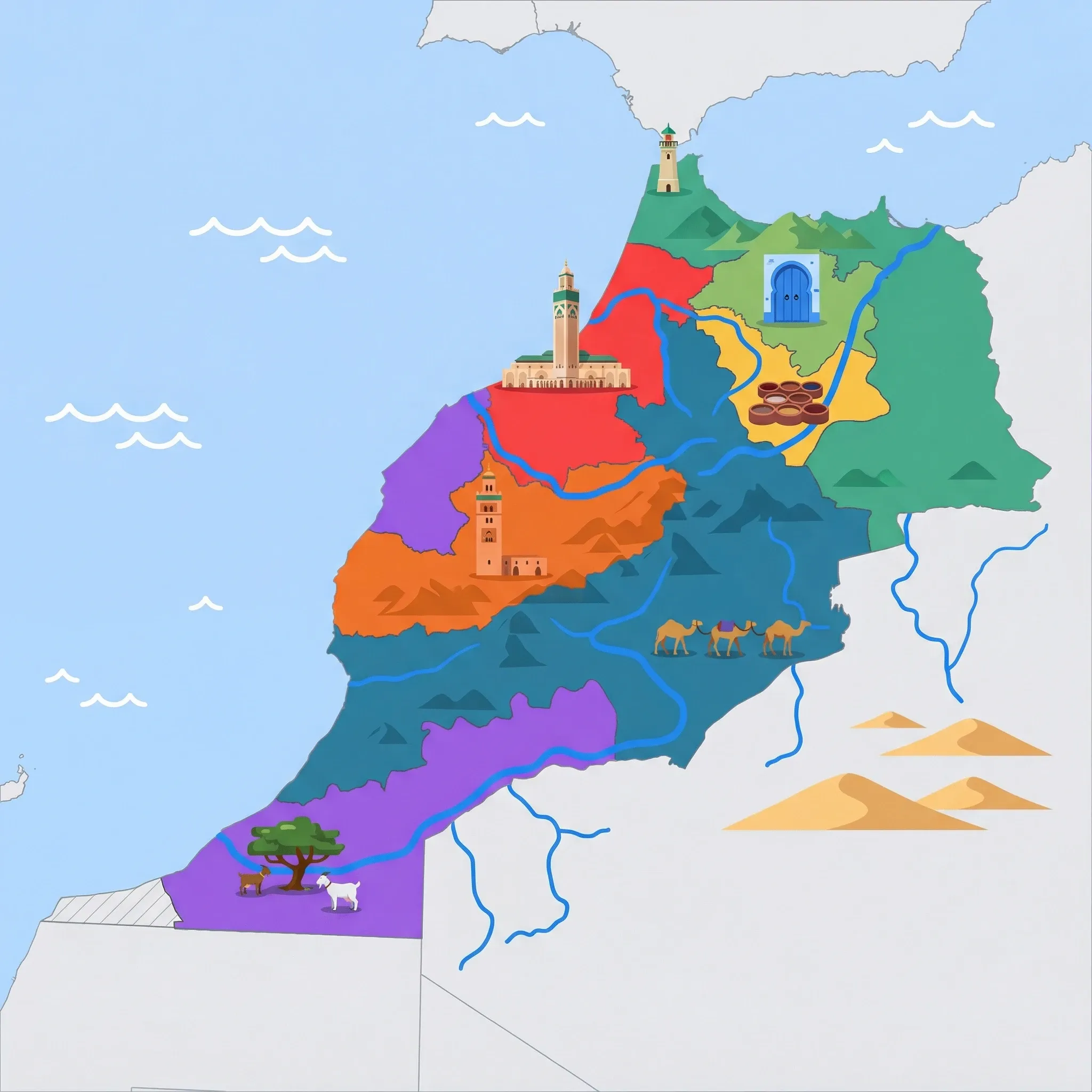
Click a region to explore
Overview
Tangier is a city reborn. Once considered a seedy border town, extensive renovations have turned it into a family-friendly destination with a glistening marina, a long paved corniche, and a high-speed train connection. It feels more European than other Moroccan cities, offering a gentle transition for first-time visitors to Africa. The vibe is Mediterranean: late dinners, evening strolls (paseo), and a cafe culture that looks out towards the Spanish coast, often visible on clear days. For children, the novelty of standing on the tip of a continent is exciting, as is the bustling port traffic of ferries shuttling between continents.
The geography is unique—this is the only place where you can swim in the Mediterranean in the morning and the Atlantic in the afternoon. The Atlantic side (west of Tangier) is wild with sweeping beaches and cliffs, while the Mediterranean side (east towards Tetouan) features calm, warm turquoise waters ideal for swimming with toddlers. The region is rich in myths; the Caves of Hercules are said to be where the Greek hero rested. Culturally, the Spanish influence is strong, and you'll find that Spanish is spoken as widely as French here.
Key Attractions
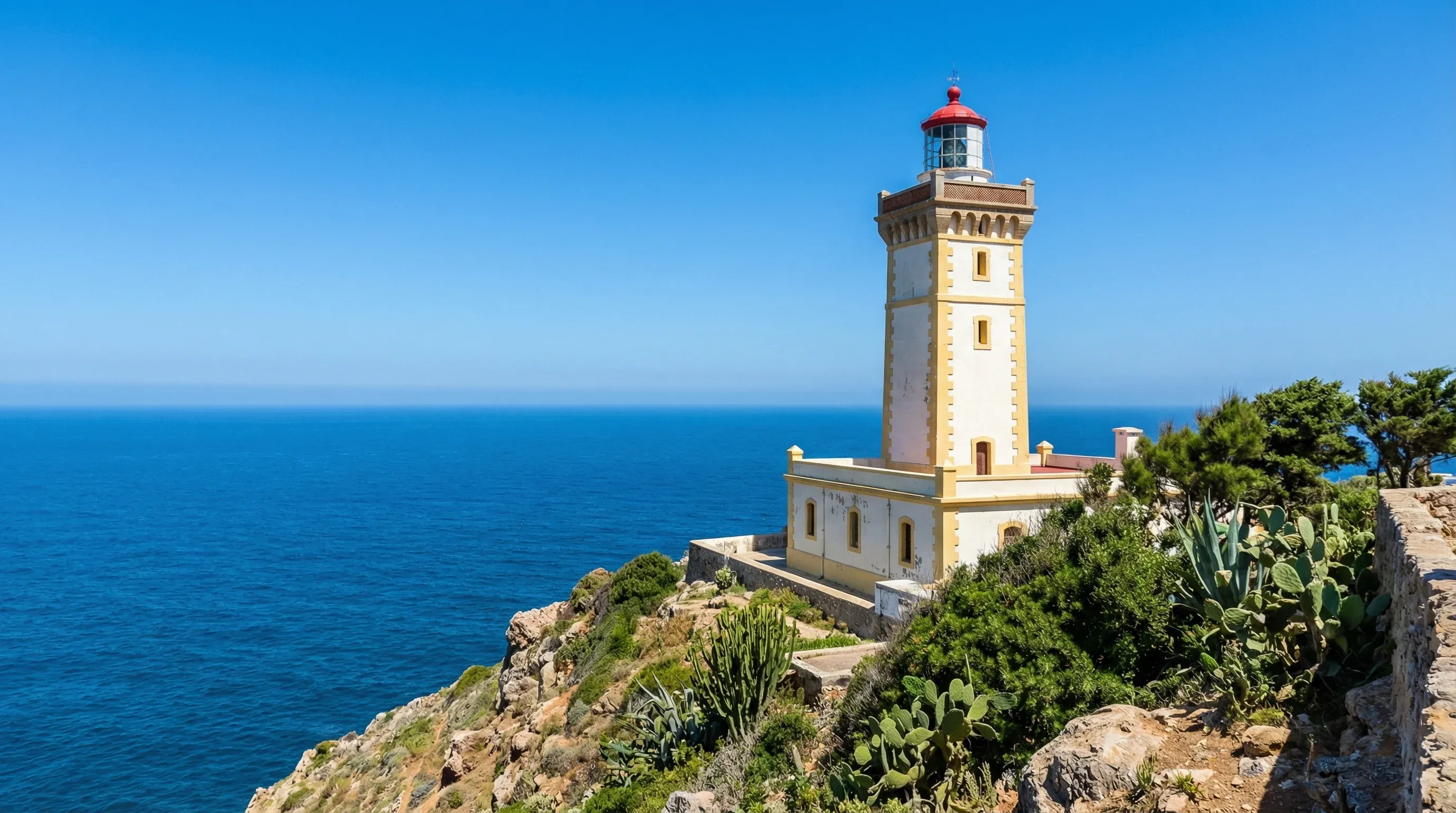
The must-see natural wonder is the Caves of Hercules. The sea opening of the cave is shaped like the map of Africa (an inverted silhouette), a curiosity that fascinates kids. Just nearby is Cap Spartel, the lighthouse marking the northwesternmost point of Africa; the park around it has been renovated with nice walking paths and views of the ocean meeting. Back in the city, the Grand Socco is the lively plaza connecting the old and new towns. It's a great spot to watch the world go by. A short drive east lies the Medina of Tetouan, a UNESCO site that is white-walled and distinctly Andalusian, far less touristy than Fes or Marrakech, allowing for a more authentic peek into local life.
Practical Advice
Tangier is windy! The "Chergui" wind can blow strong, so hold onto hats. The city is hilly, so expect some walking up and down. It is an excellent summer destination due to the beaches, but July and August are crowded with domestic tourists. June and September are ideal. It is very safe, with a heavy police presence ensuring security in tourist zones.
Food & Drink
Typical meal times: Similar to Spain, everything happens later. Lunch 1:00 pm to 3:30 pm. Dinner often doesn't start until 8:30 pm or 9:00 pm.
Typical meal costs: A seafood dinner costs 150–250 MAD (approx. $15–25 USD / €14–23 EUR). Bocadillos (sandwiches) are cheap at 20–30 MAD (approx. $2–3 USD / €1.80–2.80 EUR).
Dietary requirements: Seafood is the staple. Shellfish is common. Gluten-free travelers can rely on grilled fish and rice dishes (Paella is common here).
Signature dishes:
- Paella – Due to the proximity to Spain, Tangier does excellent paella, often loaded with local shrimp and mussels.
- Bissara – A fava bean soup, often eaten for breakfast with olive oil and garlic. It's the fuel of the north.
- Kalinte – A chickpea flour tart (similar to Socca in Nice), sold in slices on the street, dusted with cumin and paprika.
Why this score?
The region offers pleasant coastal hikes to Cap Spartel and the Caves of Hercules, but the experience is largely focused on the urban-coastal interface. While less rugged than the Atlas or Sahara, it provides enough outdoor variety for a standard family vacation.
Why this score?
Tangier’s medical services have improved with the city's recent modernization, offering several reliable private hospitals and clinics. While it doesn't quite reach the level of Casablanca, it provides adequate care for tourists with relatively easy access to European-standard facilities.
Why this score?
Tangier serves as a major hub for ferry arrivals from Spain and has seen a recent surge in popularity due to its refurbished medina and new high-speed rail link. It attracts a diverse mix of day-trippers from Europe and international travelers starting their Moroccan circuit.

Tangier is experiencing a boom, and prices in the marina/corniche area reflect that. Expect European prices for coffee and dining in the new zones. However, traditional areas remain affordable. A hotel room costs 600–1,200 MAD (approx. $60–120 USD / €55–110 EUR). Ferry tickets from Spain are around €35–40 EUR ($38–43 USD) per passenger.
Family Travel Notice
When travelling with minors, ensure you carry full birth certificates and, if applicable, notarized consent letters from any non-travelling parent to satisfy border authorities.

Getting Here & Around
Getting Here
- Ferry – The classic arrival. Ferries run from Tarifa, Spain to Tangier Ville (1 hour) landing you right in the city center. Ferries from Algeciras go to Tangier Med port (45km away), which requires a shuttle.
- Train – The Al Boraq high-speed train connects Tangier to Casablanca in just 2 hours and 10 minutes. It is a game-changer for travel logistics.
- Airports – Tangier Ibn Battouta Airport (TNG) is close to the city and well-connected to Europe.
Getting Around
- Petit Taxi – Light blue with a yellow stripe. They are metered and the easiest way to get around the hilly city.
- Bus – The "Alsa" tourist bus offers a hop-on-hop-off tour that goes all the way to Caves of Hercules and Cap Spartel, which is very convenient for families.
- Walking – The Corniche and the Medina are best explored on foot, but be prepared for steep streets in the Kasbah area.
Nearby Airports (4 airports)
Nadar
NDRNador
Angads
OUDOujda
Ibn Batouta
TNGTangier
Saniat Rmel
TTUTetouan
View full flight map for Morocco →
Official Links

Packing List
To look across the Strait of Gibraltar; on clear days you can see cars driving in Spain.
The Strait is famously windy; a warm breeze can turn cold quickly.
If coming from the UK/US via ferry, remember Morocco uses European plugs.
The ferry crossing is short but can be very choppy due to cross-currents.
Many sinks and bathtubs in traditional riads and older hotels lack plugs.
Essential for protecting phones and cameras from fine desert sand in the Sahara.
The winding roads through the Atlas Mountains (Tizi n'Tichka pass) can be nauseating.
Vital for tipping bathroom attendants and guardians, who often don't have change.
Dehydration happens fast in the dry desert heat; these are hard to find in rural areas.
Public restrooms often lack paper; carrying your own supply is standard practice.

Activities & Best Times

Urban tourism, museums, historical sites, architecture
Tangier offers a unique blend of international history, vibrant medinas, and world-class museums like the American Legation and Villa Harris. The peak periods offer pleasant walking weather to explore the Kasbah, while summer months can be crowded and winter months occasionally damp.

Hiking, wildlife, outdoor exploration, ecotourism
The region features dramatic coastal landscapes and the Jebel Musa peak, offering authentic hiking and outdoor exploration. Spring and autumn provide optimal temperatures for trekking, whereas mid-summer heat can make strenuous activity challenging.
Beach resorts, marine activities: diving, snorkelling, kite surfing, wind surfing, sailing
Features iconic coastal sites like the Caves of Hercules and Dalia Beach along the Mediterranean coast. High summer is the primary season for swimming and coastal recreation when water temperatures are most inviting for families.

Scenic drives, countryside tours, route-based travel
The Rocade Méditerranéenne and the scenic mountain passes toward Chefchaouen offer spectacular driving routes for families. Conditions are best in the dry, clear months of spring and autumn, while winter visibility in the Rif mountains can be limited.

Sport tourism, fitness activities, active recreation
Active travelers can utilize organized facilities at M'nar Park and Smir Park or engage in established hiking circuits near Cap Spartel. Seasonal timing aligns with comfortable outdoor temperatures, avoiding the peak summer heat and winter rains.




Public Holidays & Calendar Next 12 months
Public holidays, festivals, cultural celebrations, and seasonal natural phenomena coming up in Tangier & Northern Morocco over the next 12 months.
Loading holidays and events...

Travel Advisory
All major agencies recommend exercising a high degree of caution or increased vigilance. The primary driver for this assessment is the underlying threat of terrorism targeting public and tourist areas, supplemented by risks of civil unrest and regional border instabilities.
Safety Topics
Traveller Advice (5 groups)
When travelling with minors, ensure you carry full birth certificates and, if applicable, notarized consent letters from any non-travelling parent to satisfy border authorities.

Be aware that same-sex relations are legally restricted in Morocco. Public displays of affection are generally discouraged for all couples but may lead to significant legal or social complications for LGBTQ+ individuals.

Do not hike alone in remote mountain or desert regions. Use only officially sanctioned guides and ensure vehicles are well-equipped for off-road conditions in the south.

Consider dressing conservatively to respect local customs and reduce the likelihood of unwanted attention. It is advisable to avoid walking alone in isolated areas or after dark.

Maintain a high level of situational awareness in crowded markets, medinas, and near government buildings. Ensure comprehensive travel insurance is in place and monitor local media for sudden demonstrations.
Agency Summaries
Irish citizens are urged to be vigilant and avoid large public gatherings. The advisory notes that while the terrorism risk level has seen some statistical decline, the potential for indiscriminate attacks remains a concern for foreign visitors.
Travellers should remain highly vigilant throughout Morocco due to a persistent threat of terrorist activity. While the general safety situation is stable, specific border areas including the 20km zone adjacent to Algeria and regions near the Western Sahara Berm should be avoided entirely due to military presence and landmines.
The U.S. government recommends increased caution due to the risk of terrorism. Extremist groups continue to plan potential attacks that could target tourist sites, transport hubs, and local government facilities without warning.
British citizens are advised to monitor local conditions closely. While most visits are trouble-free, recent updates have focused on managing risks from severe weather and civil demonstrations. Regional risks exist, particularly in the disputed territory of Western Sahara.
New Zealanders should exercise heightened security awareness due to terrorism and potential civil unrest. Violent clashes during protests have been reported recently, and strict 'do not travel' warnings apply to the militarized boundary in Western Sahara.
Australia maintains a high caution level primarily due to terrorism risks in tourist precincts. Recent advisories also highlight flooding in northern provinces and the necessity of obtaining an e-visa prior to arrival.
Information is provided for general guidance only and does not constitute travel, safety, medical, or legal advice. Conditions may change. Users are responsible for independently verifying information before travel.