
Zambézia & Central
The wild heart of Mozambique's safari revival 🦁
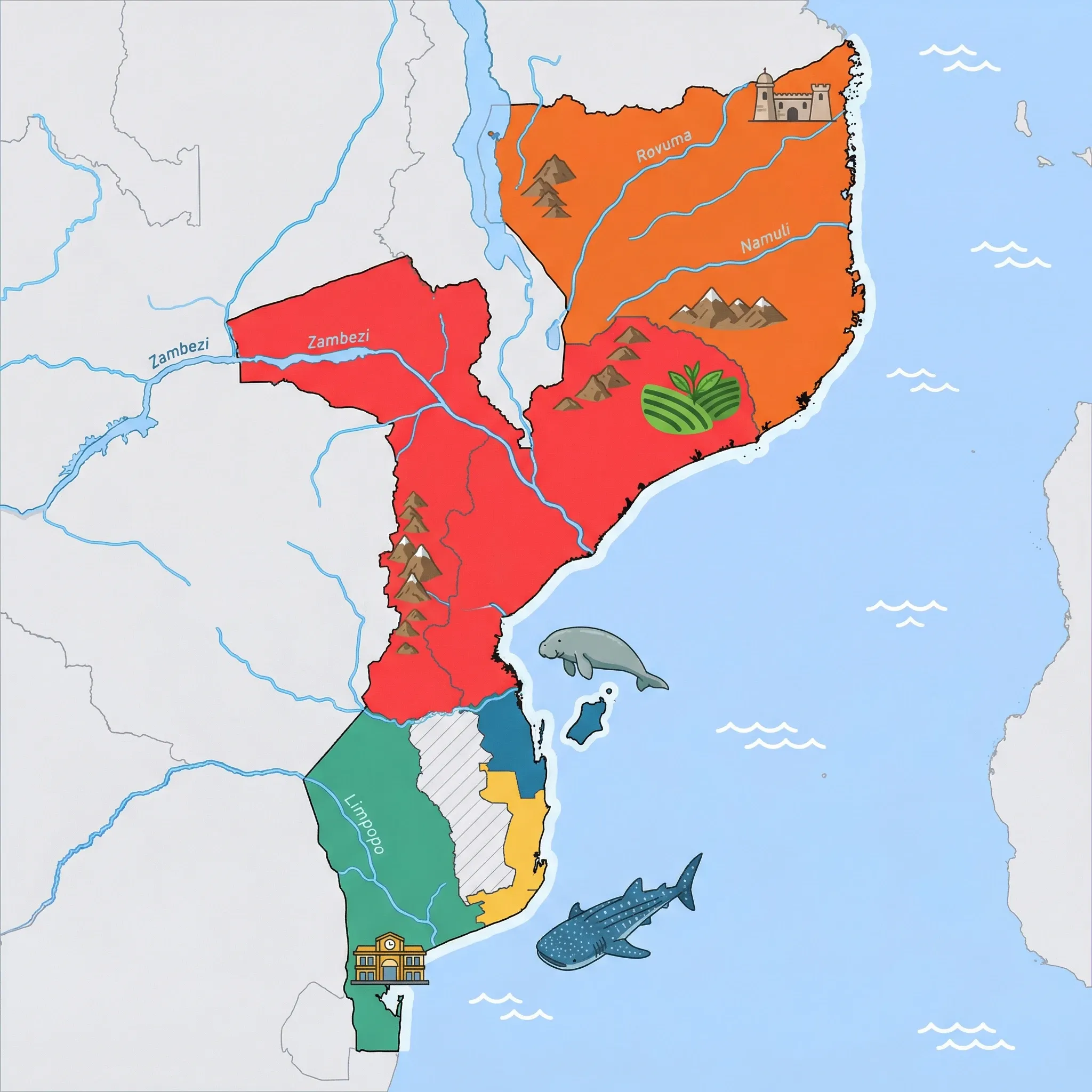
Click a region to explore
⚠️ SAFETY WARNING: Due to periodic civil unrest and political tensions, government agencies (including USA, CA, and UK) advise travelers to reconsider travel to parts of Central Mozambique. The security situation on roads can be unpredictable. Families are strongly urged to consult their own government's official travel advisory before considering a trip, as circumstances and risk assessments vary.
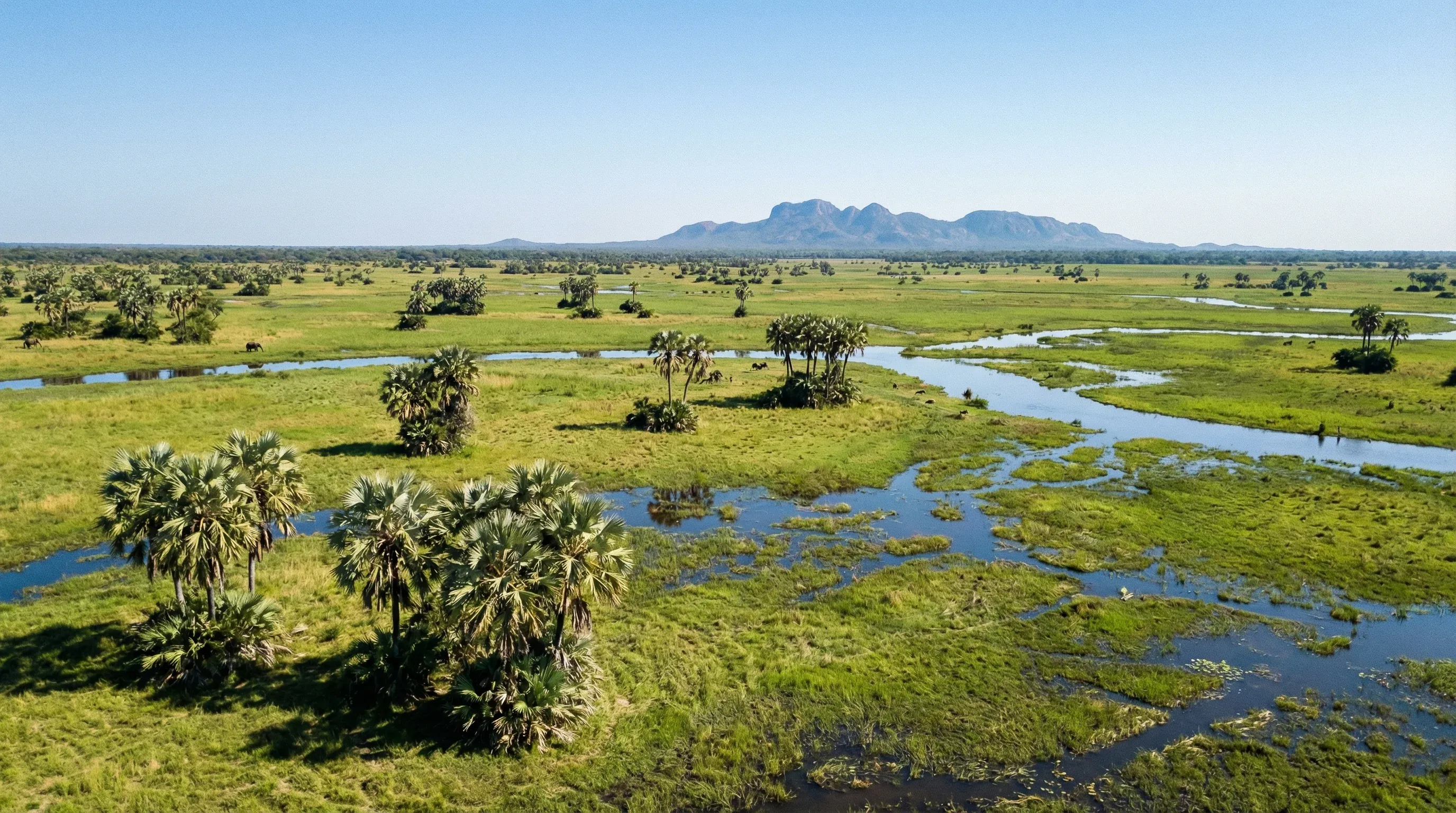
Central Mozambique is a region of epic scale and inspiring stories of recovery. The landscape is dominated by the Great Rift Valley, vast floodplains, and the towering mountains on the border with Zimbabwe. For families, the undisputed highlight is the story of Gorongosa National Park. Once destroyed by civil war, it is now one of the world's most successful conservation restoration projects. Visiting Gorongosa is not just a safari; it is an education in hope and resilience. Kids can see science in action, visiting the conservation labs and seeing how lions, elephants, and painted wolves have been reintroduced to the ecosystem. The park is exceptionally well-managed and safe for tourists, offering a stark contrast to the wilder, less developed areas surrounding it.
Beyond the park, the region is rugged and suited for experienced travelers. The city of Beira is a gritty port town with a fading colonial charm, heavily impacted by recent cyclones but rebuilding. To the west, the Chimanimani Mountains offer hiking opportunities that rival anything in Southern Africa, though facilities are basic. The sheer size of the Cahora Bassa Dam in Tete province is an engineering marvel that impresses with its scale, creating a massive lake that stretches for hundreds of kilometers. This region is for families who want to go off the beaten path and witness the 'real' Africa, away from the polished resorts of the coast.
Key Attractions
There is one reason most families come here: Gorongosa National Park. The game drives here are spectacular, with massive troops of baboons, increasing lion populations, and thousands of waterbuck. The park's main camp, Chitengo, is family-friendly with a pool and playground, and the guides are world-class. For those interested in engineering or vast views, the Cahora Bassa Dam is a significant landmark, though it is a long journey to get there. Near the coast, Praia de Zalala offers endless coconut palms and white sand, though the ocean here is wilder and less clear than the southern lagoons.
Practical Advice
The best time to visit Gorongosa is the dry season (April to October); the park closes for part of the rainy season due to flooding. Beira is hot and humid year-round. Malaria prophylaxis is absolutely essential here—this is a high-risk zone. Road travel between Beira and Gorongosa is generally safe but check current advice on the EN1 highway status.
Food & Drink
Typical meal times: Safari schedules dictate meals in Gorongosa (early breakfast 5:30 am, lunch 1:00 pm, dinner 7:00 pm). In towns, standard times apply.
Typical meal costs: Meals in Beira or Chimoio are affordable, around 600–1,000 MZN (approx. $10–16 USD / €9–15 EUR). Lodge meals are more expensive.
Dietary requirements: Gorongosa's camp caters well to international dietary needs (vegetarian, gluten-free). Outside the park, options are limited to grilled chicken, fish, and starch (rice/xima).
Signature dishes:
- Mucapata – A starchy side dish from Zambezia made of mung beans, coconut milk, and rice—very filling and mild for kids.
- Caranguejo de Mangal – Mangrove crab, often cooked in a rich, spicy curry sauce.
Why this score?
The region offers high-level adventure, from trekking Mount Binga, the country's highest peak, to exploring the rugged Chimanimani Mountains. The terrain is challenging and remote, requiring significant planning and physical stamina for visiting families.
Why this score?
Beira has larger hospital facilities compared to the north, but they remain basic and often lack modern equipment or supplies. Gorongosa National Park maintains its own medical post for guests and staff, but serious conditions require evacuation to Maputo.
Why this score?
Gorongosa National Park is a world-renowned conservation success story, yet it remains an emerging destination for most international tourists. The rest of the central region, including the port of Beira and the tea estates of Gurué, sees very few foreign visitors.

Gorongosa offers excellent value compared to Kruger or the Serengeti. A chalet costs roughly 9,500–14,000 MZN (approx. $150–220 USD / €140–205 EUR) per night for two. Camping is much cheaper. Park fees are reasonable. Fuel and supplies in Beira are standard prices.

Getting Here & Around
Getting Here
- Airports – Beira International Airport (BEW) is the main hub. Chimoio Airport (VPY) is closer to Gorongosa National Park.
- Driving – Transfers from Beira to Gorongosa take about 3–4 hours. The road conditions vary from new tarmac to potholed sections.
- Charter – Small planes can fly directly into the airstrip at Gorongosa National Park from Beira or Maputo (expensive but saves time).
Getting Around
- Safari Vehicle – Inside Gorongosa National Park, you must use guided game viewers or your own high-clearance 4x4.
- Transfer – Most lodges will arrange transfers from the airport. Self-driving is only recommended for experienced African drivers.
Nearby Airports (4 airports)
Beira
BEWBeira
Tete Chingozi
TETTete
Quelimane
UELQuelimane
Chimoio Airport
VPYChimoio
View full flight map for Mozambique →
Official Links

Packing List
Bright colors attract Tsetse flies in the park; stick to khaki/olive.
Tsetse flies and mosquitoes are prevalent in the central bush.
Open game drive vehicles can be very dusty during the dry season.
Early morning game drives are surprisingly cold before the sun rises.
Mozambique uses the 3-pin 'South African' plug (Type M), which universal adapters rarely include.
Essential for protecting the pristine coral ecosystems in marine reserves like Bazaruto.
Street lighting is scarce and power cuts happen; essential for navigating lodges at night.
Keeps valuables safe during dhow sailing trips and wet ocean safari boat launches.
Tolls, police fines, and rural markets often cannot accept cards or large bills.
Fine sand is everywhere, especially if visiting the dunes of Bazaruto or Suguta.

Activities & Best Times

Hiking, wildlife, outdoor exploration, ecotourism
Gorongosa National Park is a world-class conservation success offering exceptional biodiversity and high-end eco-lodges perfect for sophisticated families. The dry season (July-October) is optimal for wildlife viewing as animals congregate near water and park infrastructure is fully operational.

Urban tourism, museums, historical sites, architecture
The region features significant rock art at Chinhamapere and unique Afro-Portuguese heritage in the coastal cities of Beira and Quelimane. Cooler, drier months are essential for exploring these urban and heritage sites comfortably before the intense humidity of the rainy season.

Beach resorts, marine activities: diving, snorkelling, kite surfing, wind surfing, sailing
Praia de Zalala and Macuti Beach offer expansive, authentic coastal experiences with significant local character. Peak visitation occurs during the dry winter months when seas are calmest and the risk of tropical cyclones is minimal.

Scenic drives, countryside tours, route-based travel
The Gurué Tea Route and Manica Mountain passes provide stunning scenic drives through lush highlands and rural tea estates. These routes are best explored in the peak dry season when unpaved sections are most reliable and mountain visibility is highest.

Sport tourism, fitness activities, active recreation
High-altitude trekking on Mount Binga and Mount Namuli offers challenging, remote wilderness experiences for physically active families. Activity is restricted to the dry season to avoid the severe lightning hazards and impassable trails common during the tropical rains.

Attractions (6 total)



Public Holidays & Calendar Next 12 months
Public holidays, festivals, cultural celebrations, and seasonal natural phenomena coming up in Zambézia & Central over the next 12 months.
Loading holidays and events...

Travel Advisory
All major agencies recommend exercising increased vigilance due to high crime, civil unrest, and localized terrorism. While the country is generally accessible, specific northern regions are under 'Do Not Travel' advisories.
Safety Topics
Agency Summaries
Heightened security risks and kidnapping threats persist across the country. Higher risk levels apply to northern regions due to militant activity.
There are significant security concerns nationwide related to civil unrest, violent crime, and terrorism. Extensive travel restrictions are in place for the northern provinces.
The advisory level was recently adjusted to reflect a decrease in election protests, though caution is still required nationwide due to health risks, crime, and terrorism. Northern provinces remain at 'Do Not Travel' status.
Irish citizens are advised to be alert to street crime and avoid specific areas of Maputo City after dark. New visa-free rules for tourists are in effect.
Travellers should remain extremely vigilant due to high crime rates, the threat of terrorism in the north, and potential for violent civil unrest. Regional travel bans are in place for several northern districts.
While general advice is standard, the FCDO maintains strict warnings against travel to several northern districts. Crime and kidnapping for ransom are major concerns in urban areas like Maputo.
Information is provided for general guidance only and does not constitute travel, safety, medical, or legal advice. Conditions may change. Users are responsible for independently verifying information before travel.