
Chin & Kachin States (remote)
Wild frontiers and misty mountain peaks 🏔️🌲
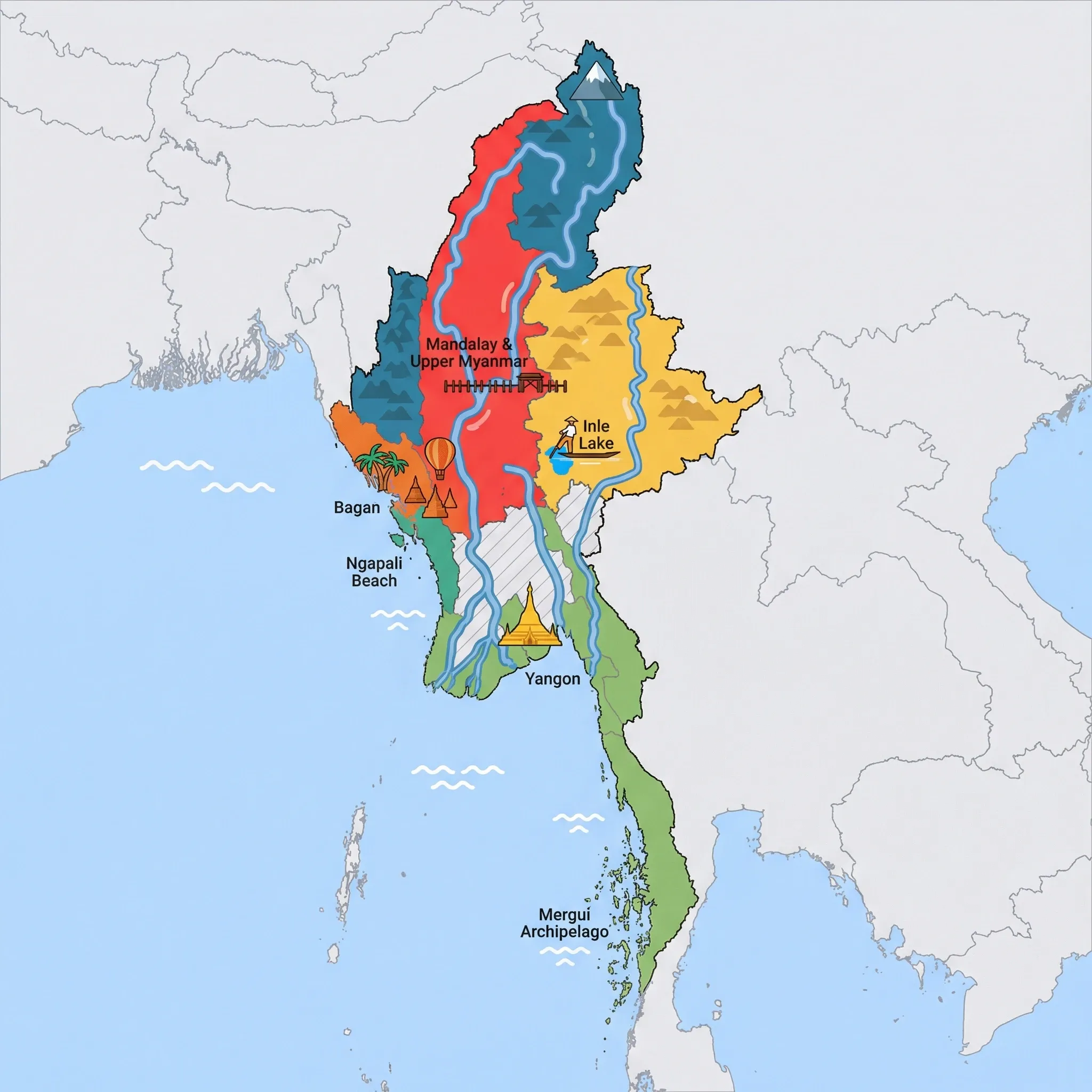
Click a region to explore
⚠️ SAFETY WARNING: Due to active armed conflict, military operations, and landmines, government agencies (including CA, USA, UK, AU, IE, NZ) advise travelers to avoid all travel to Chin and Kachin States. These areas are currently extremely dangerous, with frequent fighting and restricted access. Families are strongly urged to consult their own government's official travel advisory before considering a trip, as circumstances and risk assessments vary.
Overview
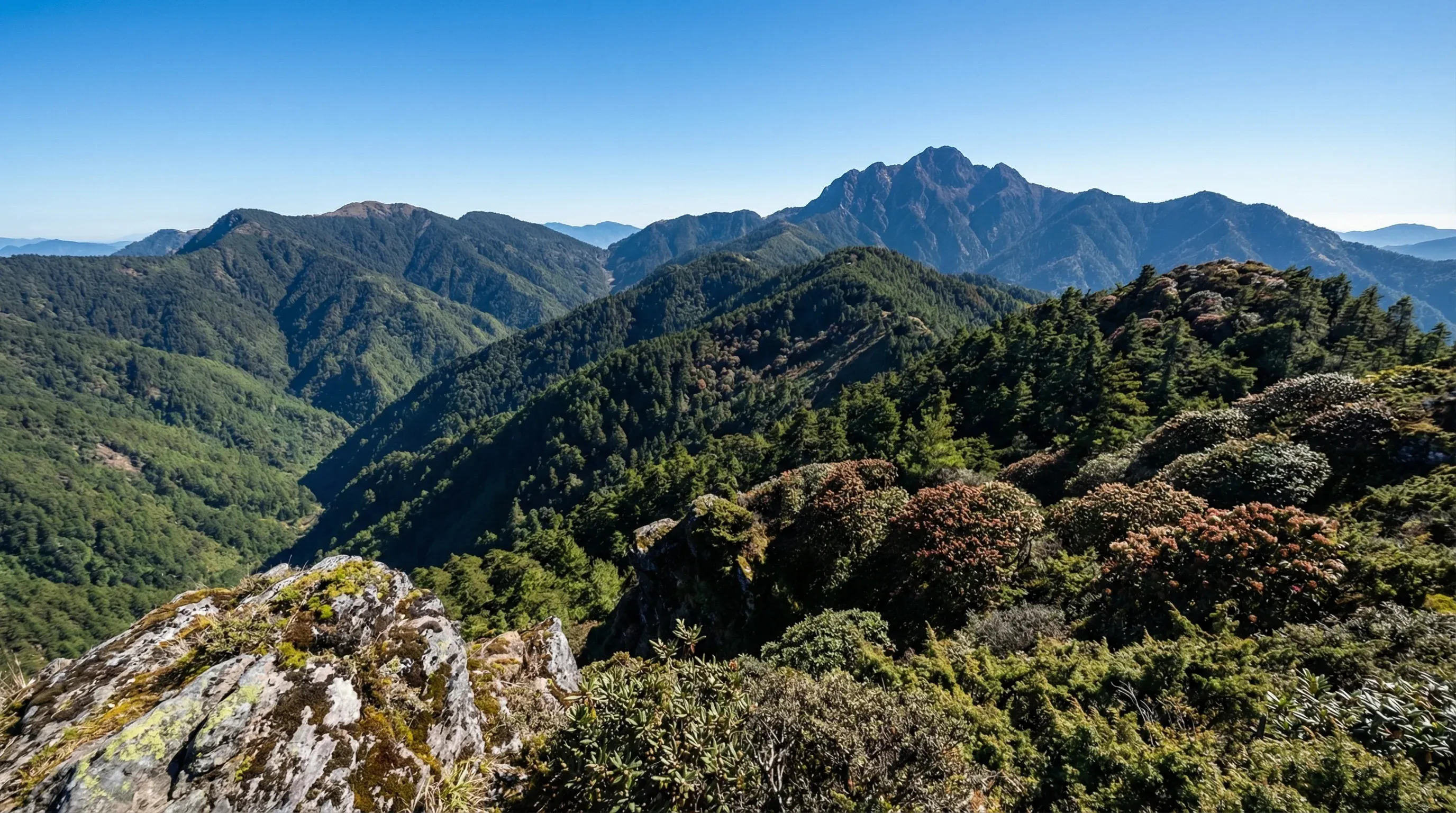
The Chin and Kachin States represent the wild, untamed frontiers of Myanmar. Geographically, they are defined by the foothills of the Himalayas, offering cooler temperatures, pine forests, and dramatic peaks that contrast sharply with the tropical heat of the central plains. Culturally, these regions are distinct; many communities here are Christian and have maintained unique tribal traditions, languages, and textiles for centuries. For families, this is not a destination for casual tourism; it is an expedition into some of Southeast Asia's least developed and most pristine environments.
Nature is the primary draw. The air is fresh, and the scenery is grand. In peace times, families with older children who enjoy trekking can find incredible routes through rhododendron forests and ethnic villages. The lack of mass tourism means the welcome is often genuine and curious, but infrastructure is basic. Roads are winding and unpaved, and electricity can be sporadic, making this a region suited only for seasoned travel families prepared for discomfort in exchange for raw beauty.
Key Attractions
In Kachin State, the jewel is Indawgyi Lake Wildlife Sanctuary. It is the largest inland lake in Southeast Asia (often compared to Inle but without the commercialism). A UNESCO Biosphere Reserve, it is a haven for migratory birds and rare species. Families can take boat trips to the Shwe Myint Zu Pagoda, which appears to float on the water, and kayak in the serene surroundings. The area is quiet, rural, and offers a glimpse into a way of life that relies entirely on the natural rhythm of the seasons.
Practical Advice
These regions are high-altitude. Even in summer, evenings can be chilly, and winters (November–February) are genuinely cold, dropping near freezing at night. Hot water in guesthouses is not guaranteed. Travel here requires government permits which change frequently; always hire a licensed local guide to navigate the bureaucracy and checkpoints.
Food & Drink
Typical meal times: Early dining is the norm in these remote areas. Dinner often happens 6:00 pm to 7:30 pm.
Typical meal costs: Prices are higher than the mainland due to transport costs. A simple family meal costs 50,000–90,000 MMK (approx. $16–30 USD / €15–28 EUR).
Dietary requirements: Options are limited. Fresh vegetables are good, but understanding of allergies (like gluten or nuts) is low. Bring your own snacks.
Signature dishes:
- Sabuti – A traditional Chin soup made from corn and beef/pork, hearty and warming for the mountain climate.
- Kachin Pounded Beef – Dried beef pounded with herbs, garlic, and chili, often served with steamed vegetables.
- Shat Jam – Kachin-style rice dish mixed with chicken, mushrooms, and herbs.
Why this score?
The region features rugged mountain terrain like Nat Ma Taung and dense forests with minimal tourist infrastructure. Travel involves long journeys on unpaved roads and physically demanding trekking to reach remote tribal villages with distinct traditions.
Why this score?
Healthcare is extremely sparse, with only basic government clinics available in larger towns and almost nothing in the hills. Access to modern surgical facilities, English-speaking doctors, or specialized emergency services is virtually non-existent in these remote highlands.
Why this score?
These border states see very few international tourists due to their remote locations, limited transport links, and frequent travel restrictions. Visitors are primarily niche hikers or cultural anthropologists rather than mainstream family travelers.

While local products are cheap, the cost of logistics makes this a high-cost destination. Hiring a private 4WD and driver—essential for safety and access—costs significantly more than elsewhere (approx. $100–150 USD per day). Accommodation is scarce, so supply and demand drive prices up for mediocre standards. Bring cash; ATMs are unreliable or non-existent.

Getting Here & Around
Getting Here
- Airports – Putao (PBU) and Myitkyina (MYT) in Kachin State require flights from Mandalay or Yangon. Chin State has no major airport; access is via tedious overland routes.
- Car – 4WD vehicles are essential. Roads are mountainous, prone to landslides in monsoon season, and often unpaved.
Getting Around
- Private Driver – The only viable option for families. Public transport is overcrowded and unsafe for tourists in these regions.
- Motorbike – Locals use motorbikes, but road conditions make this dangerous for family visitors.
- Walking – Trekking is the main activity once you reach a base town.
Nearby Airports (2 airports)
Myitkyina
MYTMyitkyina
Putao
PBUPutao
View full flight map for Myanmar →

Packing List
Nights in the mountains are surprisingly cold, and guesthouses often lack heating.
Electricity is unreliable or limited to a few hours of generator power in the evening.
Roads are endlessly winding and often in poor condition; essential for kids in the back seat.
Hot showers are a luxury and water shortages can occur in remote villages.
Bills must be crisp, uncreased, and unmarked (newer "big head" notes) or they will be rejected.
You must remove shoes and socks at every pagoda; laces become a hassle very quickly.
Power outages are frequent and street lighting is poor, even in major cities and hotels.
Essential for cleaning feet after walking barefoot in temples and for general hygiene.
To keep devices charged during frequent and unpredictable electricity blackouts.
Useful for managing mild food poisoning or stomach upsets which can occur with local food.

Activities & Best Times

Hiking, wildlife, outdoor exploration, ecotourism
Offers exceptional wilderness immersion at Mount Victoria and Indawgyi Lake Wildlife Sanctuary, featuring rare Himalayan foothills biodiversity. Peak visitation occurs during the cool, dry winter months when mountain trails are stable and wildlife visibility is highest.

Urban tourism, museums, historical sites, architecture
Rich in living heritage, from the unique facial tattoos of Chin villages to the Manao grounds of Myitkyina. The dry season is critical for accessing remote tribal areas, as heavy monsoon rains frequently disrupt transport to these culturally significant interior sites.

Scenic drives, countryside tours, route-based travel
The Mindat-Kanpetlet road and Kalay-Hakha highway offer spectacular, rugged mountain scenery for experienced overland travelers. Driving is highly discouraged during the monsoon season due to frequent landslides and poor visibility on winding mountain passes.

Sport tourism, fitness activities, active recreation
Provides rugged hiking on the Mount Victoria summit trail and cycling routes around Indawgyi Lake for active families. The dry season ensures clear trail markers and manageable physical conditions, whereas the monsoon brings leeches and impassable mud.

Learning experiences, scientific sites, historical education
Features specific ethnography and ecology insights at the Kachin State Cultural Museum and Indawgyi Lake Education Centre. While informative, the limited number of world-class facilities makes this a secondary motivator for sophisticated international families.

Spa retreats, wellness centers, peaceful getaways
Authentic natural hot springs provide a restorative experience in the mountain highlands, particularly enjoyable during the cool peak season. However, these sites lack the luxury resort infrastructure typically required for a primary international wellness destination.




Public Holidays & Calendar Next 12 months
Public holidays, festivals, cultural celebrations, and seasonal natural phenomena coming up in Chin & Kachin States (remote) over the next 12 months.
Loading holidays and events...

Travel Advisory
The majority of global agencies advise against all travel to Myanmar due to extreme risks from active armed conflict, political violence, and arbitrary detention.
Safety Topics
Traveller Advice (4 groups)

Media workers face a critical risk of arrest, detention, and prosecution for reporting activities or expressing views critical of the military regime.

Humanitarian access is severely restricted in conflict zones. Aid workers may face security threats from airstrikes, landmines, and blocked transportation routes.

Travellers currently in the country should consider departing via commercial means while they are still available. Avoid all political gatherings, demonstrations, and military sites.

Same-sex relationships remain illegal under local laws, and social stigma may lead to discrimination, though general security concerns currently outweigh targeted risks.
Agency Summaries
New Zealand advises against travel to Myanmar due to civil unrest and the risk of armed conflict, emphasizing that basic services and consular assistance are severely limited.
The Canadian government advises against any travel to Myanmar due to widespread civil unrest, armed conflict, and the threat of arbitrary detention, kidnapping, and terrorism.
Ireland strongly advises its citizens to avoid all travel to Myanmar due to the unstable political environment and the potential for rapid security deterioration following the 2021 coup.
Australia maintains its highest warning level for Myanmar, warning of unpredictable violence, explosions, and the risk of arbitrary detention for foreign nationals across the country.
U.S. authorities recommend avoiding all travel to Myanmar because of high risks from armed conflict, civil unrest, arbitrary local law enforcement, and critical health infrastructure shortages.
The UK advises against all travel to a majority of states and regions in Myanmar and against non-essential travel to the rest, citing a volatile security situation and ongoing military conflict.
Information is provided for general guidance only and does not constitute travel, safety, medical, or legal advice. Conditions may change. Users are responsible for independently verifying information before travel.