
Pokhara, Annapurna & Mustang
Lakeside chill and mountain thrills 🚣🏔️
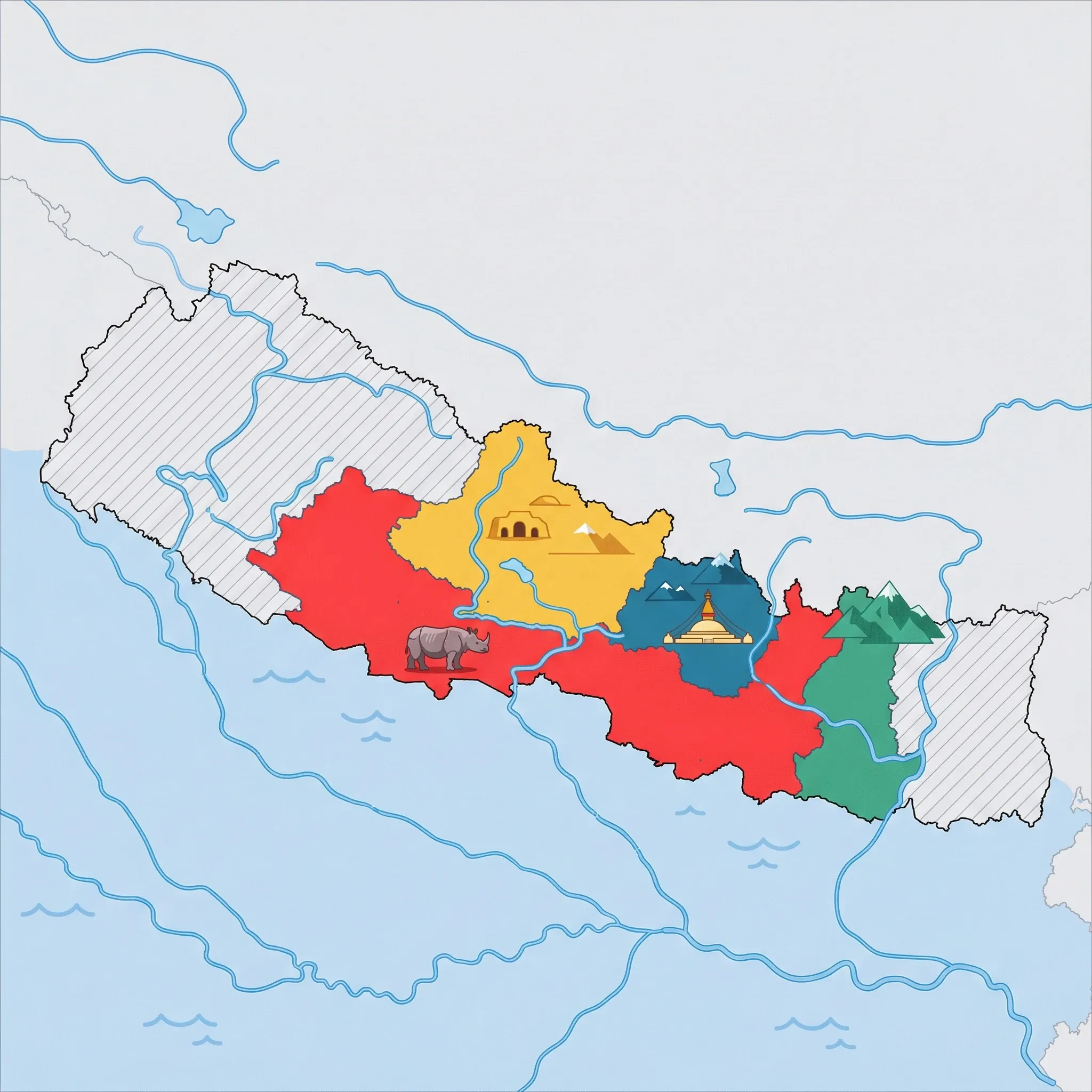
Click a region to explore
Overview
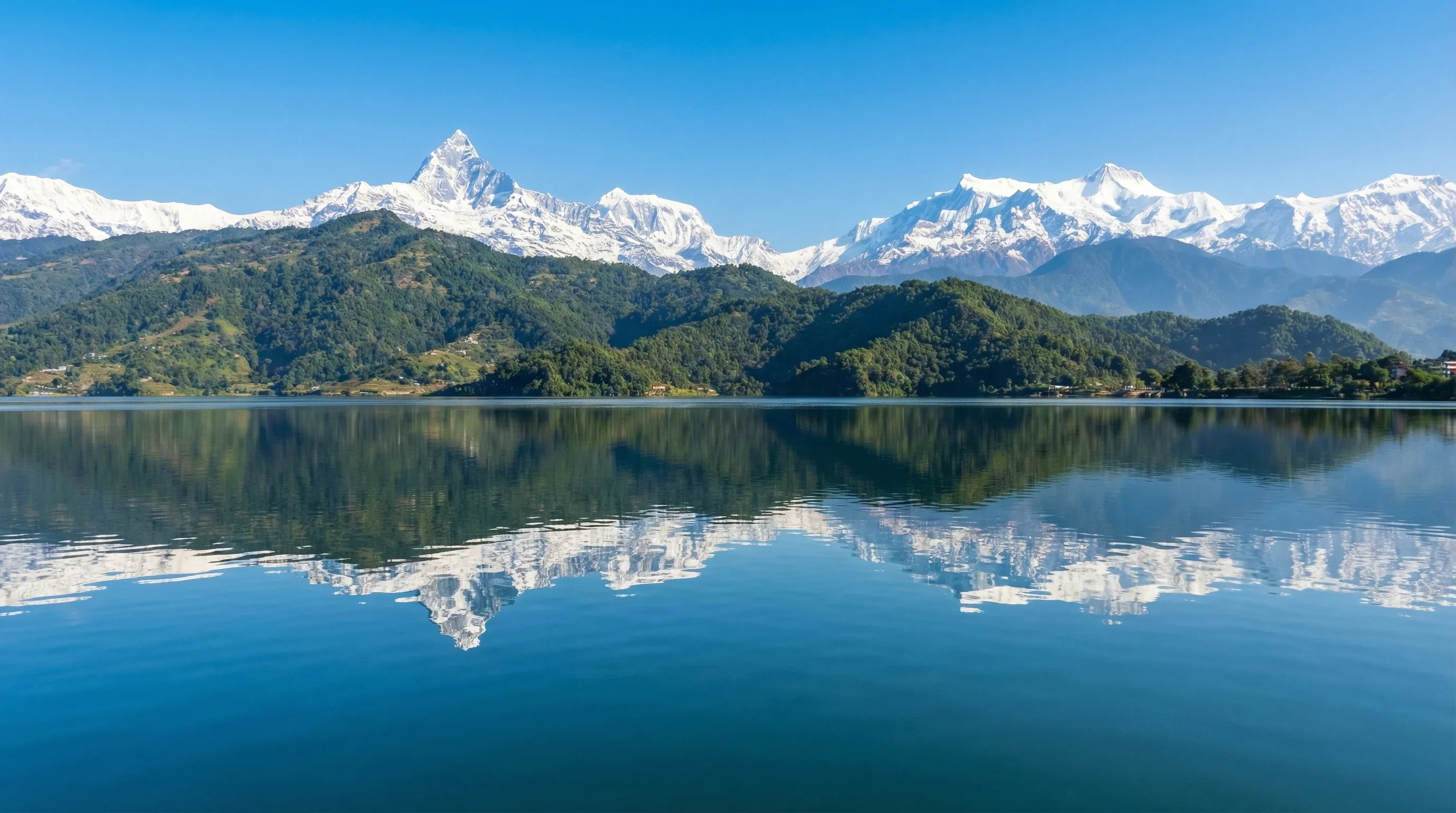
If Kathmandu is the chaotic heart of Nepal, Pokhara is its calm soul. Situated beside a mirror-like lake reflecting the snowy peaks of the Annapurna range, this region is widely considered the most family-friendly destination in the country. The air is cleaner, the traffic is lighter, and the vibe is decidedly laid-back. It serves as the perfect base camp for families; you can spend days relaxing by the water or use it as a launching pad for some of the world's best trekking routes. Unlike the high-altitude Everest region, the Annapurna foothills offer lush, green trails that are lower in altitude and warmer, making them much more suitable for children.
To the north of the mountains lies Mustang, a high-altitude desert that looks more like Arizona or Tibet than tropical Nepal. Famous for its caves, apple orchards, and wind-sculpted cliffs, Mustang (especially Lower Mustang/Jomsom) is accessible by flight or jeep, offering a rugged adventure for families who want to see a completely different side of the Himalayas without weeks of walking.
Key Attractions
In Pokhara, the day starts on Phewa Lake. Renting a colorful wooden boat (doonga) to paddle out to the Tal Barahi temple island is a rite of passage. For an educational twist, the International Mountain Museum is world-class. It features exhibits on Yeti legends, mountaineering history, and the geology of the Himalayas that captivate kids. Just outside the city, the Annapurna Conservation Area offers "tea house trekking." A hike to Australian Camp or Ghandruk provides massive mountain views with relatively short walking days.
For families venturing further, the flight to Jomsom in Mustang is an adventure in itself. Here, you can visit the Muktinath temple, a sacred site for both Hindus and Buddhists with 108 stone water spouts. The area is also famous for its apples; visiting the orchards in Marpha to eat fresh apple pie is a delicious highlight.
Practical Advice
Pokhara is a year-round destination, though mountain views are best in Oct–Nov and Mar–Apr. Mustang is in the "rain shadow," meaning it is one of the few places in Nepal you can visit during the monsoon (June–August) without getting soaked. If trekking with kids, hire a porter to carry the day packs—it makes the experience enjoyable rather than an endurance test.
Food & Drink
Typical meal times: Similar to the rest of Nepal, lunch is 11:30 am to 2:00 pm. Lakeside restaurants in Pokhara serve dinner late, often until 10:00 pm or 11:00 pm.
Typical meal costs: Pokhara Lakeside is tourist-centric. A western-style meal costs NPR 700–1,500 (approx. $5.25–11.25 USD / €4.85–10.50 EUR). Trekking food prices increase with altitude.
Dietary requirements: Pokhara is a haven for comfort food—pizza, pasta, and gluten-free bakeries are everywhere. On the trek, the menu is standardized (pizza, soup, rice) and safe for picky eaters.
Signature dishes:
- Thakali Set – A premium version of Dal Bhat from the Thakali people of Mustang, featuring creamy lentils, slow-cooked meat, and unique fermented pickles.
- Marpha Apple Pie – Made with apples grown in the orchards of Lower Mustang, this is a legendary dessert found in trekking lodges.
- Fresh Lake Fish – Fried fish from Phewa or Begnas lake, often served with spicy tomato chutney.
Why this score?
The region is a world-class adventure hub, offering everything from the Annapurna Circuit to paragliding and high-altitude trekking in the desert-like Upper Mustang. The terrain is varied and often very rugged, providing a high level of physical challenge for visitors.
Why this score?
While Pokhara has several hospitals capable of treating minor ailments and injuries, it lacks the specialized diagnostic resources available in Kathmandu. Most serious medical issues or complex trekking injuries are stabilized locally before being referred to the capital.
Why this score?
Pokhara is Nepal's most popular leisure destination, drawing international travelers for its lakeside atmosphere and as the primary gateway to the Annapurna treks. Its established tourism infrastructure and family-friendly resorts make it a central pillar of the country's tourism industry.

Pokhara offers great value. A nice family hotel with a pool near the lake costs NPR 5,000–9,000 (approx. $37–68 USD / €35–63 EUR). Food is slightly cheaper than Kathmandu. Trekking permits (ACAP and TIMS) cost approx. NPR 5,000 ($37 USD) per adult; kids under 10 are often free or discounted.
Family Travel Notice
Verify entry requirements for minors; children under five may be subject to different health screening protocols than adults.

Getting Here & Around
Getting Here
- Airports – Pokhara International Airport (PHR) connects to Kathmandu (25 mins) and seasonally to mountain airports like Jomsom. The flight passes right past the Himalayas.
- Bus – Tourist buses from Kathmandu take 7–9 hours. The "Greenline" or "Sofa" buses are recommended for families for better suspension and air conditioning.
- Driving – The Prithvi Highway connects Kathmandu and Pokhara. It is scenic but winding and prone to traffic jams.
Getting Around
- Taxi – Easy to find in Pokhara Lakeside. Prices are generally fixed for popular spots like the International Mountain Museum.
- Bicycle – Pokhara is relatively flat near the lake; renting bikes is a popular family activity.
- Trekking – Within the Annapurna Conservation Area, walking is the only way to move between villages like Ghandruk or Poon Hill.
Nearby Airports (1 airport)
Pokhara
PKRPokhara
View full flight map for Nepal →
Official Links

Packing List
If trekking in the monsoon or post-monsoon (rainy) season, leeches are common in the lower forests.
Many mid-range hotels in Pokhara have pools, a rarity in other trekking regions.
Jomsom and Mustang are incredibly windy in the afternoons; essential even on sunny days.
The drive to Pokhara and the jeep rides to trekking start points are very winding.
Kathmandu's air quality can be very poor due to dust and vehicle emissions.
Hotel room gas heaters can sometimes be poorly ventilated; this adds a safety layer.
Street lighting is sporadic and power cuts still occur; essential for safety at night.
Tap water is unsafe. A filter bottle saves money and plastic waste compared to buying bottled water.
You must remove shoes at every temple and many restaurants; laces become tedious quickly.
Protects against dust on bumpy road trips and keeps you warm on morning treks.

Activities & Best Times

Hiking, wildlife, outdoor exploration, ecotourism
Globally iconic trekking in the Annapurna range combined with the unique high-altitude desert landscapes of Upper Mustang. Peak seasons offer unparalleled Himalayan visibility and stable trail conditions, while the summer monsoon presents significant risks of landslides and leeches.

Urban tourism, museums, historical sites, architecture
Features the uniquely preserved medieval walled city of Lo Manthang and the culturally significant Muktinath pilgrimage site. Visitation peaks when clear skies allow for mountain photography and cultural exploration without monsoon rain or extreme winter snow blockages.

Sport tourism, fitness activities, active recreation
A premier global destination for paragliding in Pokhara and home to world-class adventure infrastructure like the Cliff bungee. Optimal conditions occur during stable post-monsoon and spring windows; heavy monsoon clouds and winds generally halt aerial and high-adventure activities.

Learning experiences, scientific sites, historical education
Home to the International Mountain Museum, a major institution dedicated to Himalayan culture and mountaineering history. These facilities are best visited during peak trekking seasons when families are already in the region for exploration, as monsoon access can be difficult.

Spa retreats, wellness centers, peaceful getaways
Known for natural hot springs along trekking routes like Tatopani and a growing sophisticated yoga scene in Pokhara. These restorative experiences are highly sought after post-trek during the clear, cool autumn and spring months, whereas the monsoon heat and rain diminish the appeal.

Scenic drives, countryside tours, route-based travel
The journey from Pokhara to Jomsom and into Upper Mustang offers one of the world's most dramatic high-altitude driving experiences. Travel is strictly seasonal, as the monsoon frequently washes out mountain roads and winter snow can close high-altitude passes.

Events, celebrations, seasonal attractions
Features the Tiji Festival in Mustang and Holi, which offer authentic but highly time-specific cultural immersions. These events are primary motivators for international visits during their specific calendar windows in spring, offering rare glimpses into Tibetan Buddhist traditions.
Amusement parks, family entertainment venues
Local water and amusement parks in Pokhara provide regional entertainment but lack the scale and polish of global theme park destinations. They are primarily utilized by domestic tourists and families visiting during the warmer, drier months.
Attractions (16 total)



Public Holidays & Calendar Next 12 months
Public holidays, festivals, cultural celebrations, and seasonal natural phenomena coming up in Pokhara, Annapurna & Mustang over the next 12 months.
Loading holidays and events...

Travel Advisory
The majority of monitoring agencies advise travellers to exercise a high degree of caution or increased vigilance. While some agencies suggest reconsidering travel due to specific periods of unrest, the general consensus points to elevated risk requiring significant safety awareness.
Safety Topics
Traveller Advice (6 groups)

Monitor local news closely and maintain a high level of situational awareness. Avoid all political gatherings and ensure you have a comprehensive emergency departure plan.
Accessibility infrastructure is extremely limited in Nepal, especially in rural areas and mountainous terrain. Plan for significant mobility challenges.
Always trek with a reputable guide and never go alone. Ensure your insurance specifically covers high-altitude rescue and medical evacuation by helicopter.

Verify entry requirements for minors; children under five may be subject to different health screening protocols than adults.

While legal, public displays of affection may be met with disapproval due to traditional social values. Discretion is recommended.

Exercise significant caution as incidents of sexual harassment and assault have occurred. Avoid walking alone, especially after dark, and be cautious of unwanted attention.
Agency Summaries
While no general travel restriction is in place, visitors are warned of risks related to political protests and disruptions near the 2026 elections.
Avoid non-essential travel due to ongoing civil unrest and the substantial threat posed by natural disasters.
Travellers should remain highly vigilant due to an unstable political environment and security concerns that may shift rapidly.
Travel plans should be reconsidered because of potential civil unrest and violent demonstrations that have resulted in casualties.
High vigilance is recommended, particularly regarding personal safety, monsoon hazards, and the lack of a local Irish embassy.
Heightened safety awareness is necessary due to unpredictable security conditions and the potential for civil disturbance.
Information is provided for general guidance only and does not constitute travel, safety, medical, or legal advice. Conditions may change. Users are responsible for independently verifying information before travel.