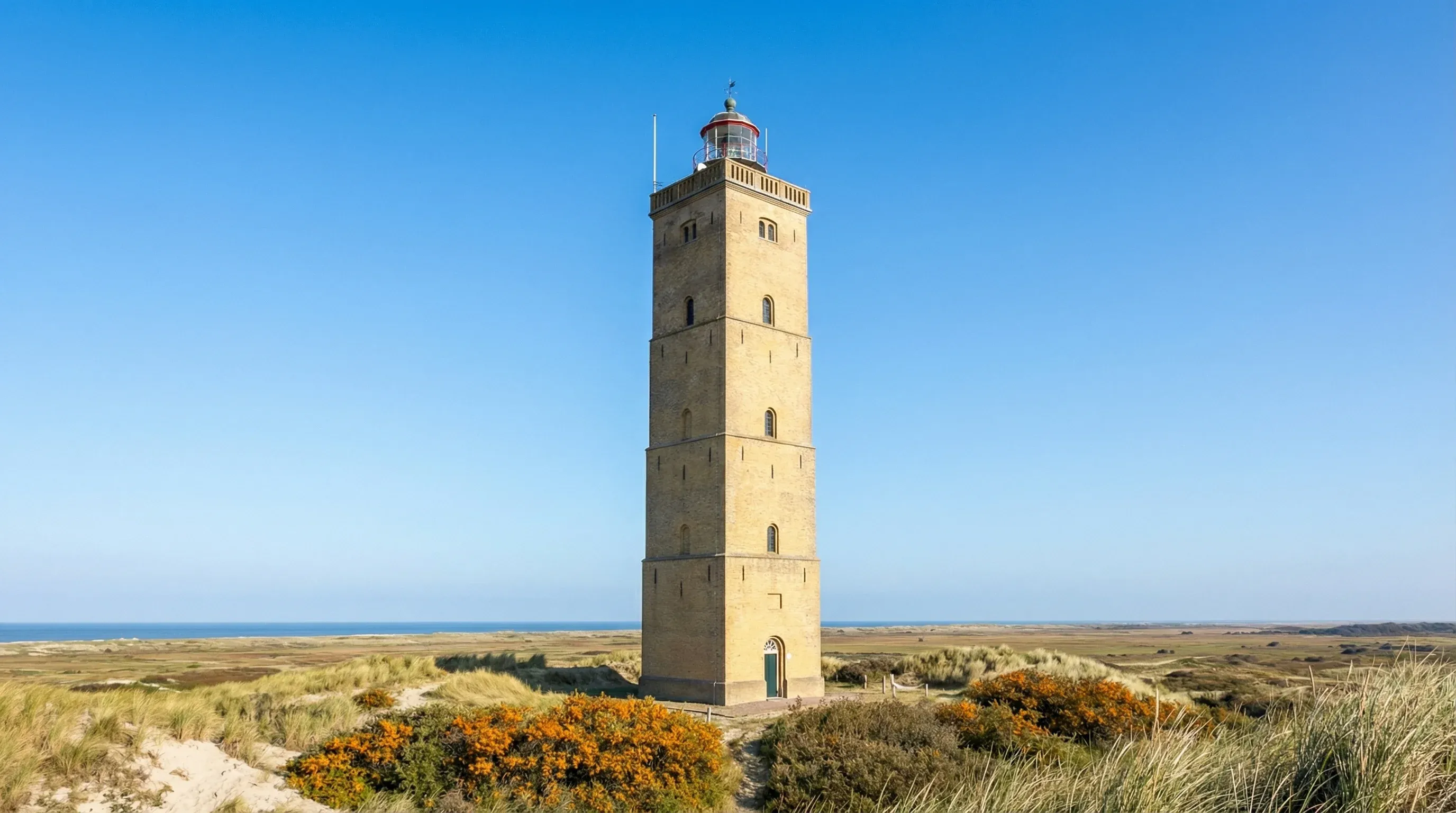

Friesland & North
Island hopping, open waters, and ancient mysteries ⛵️🦭
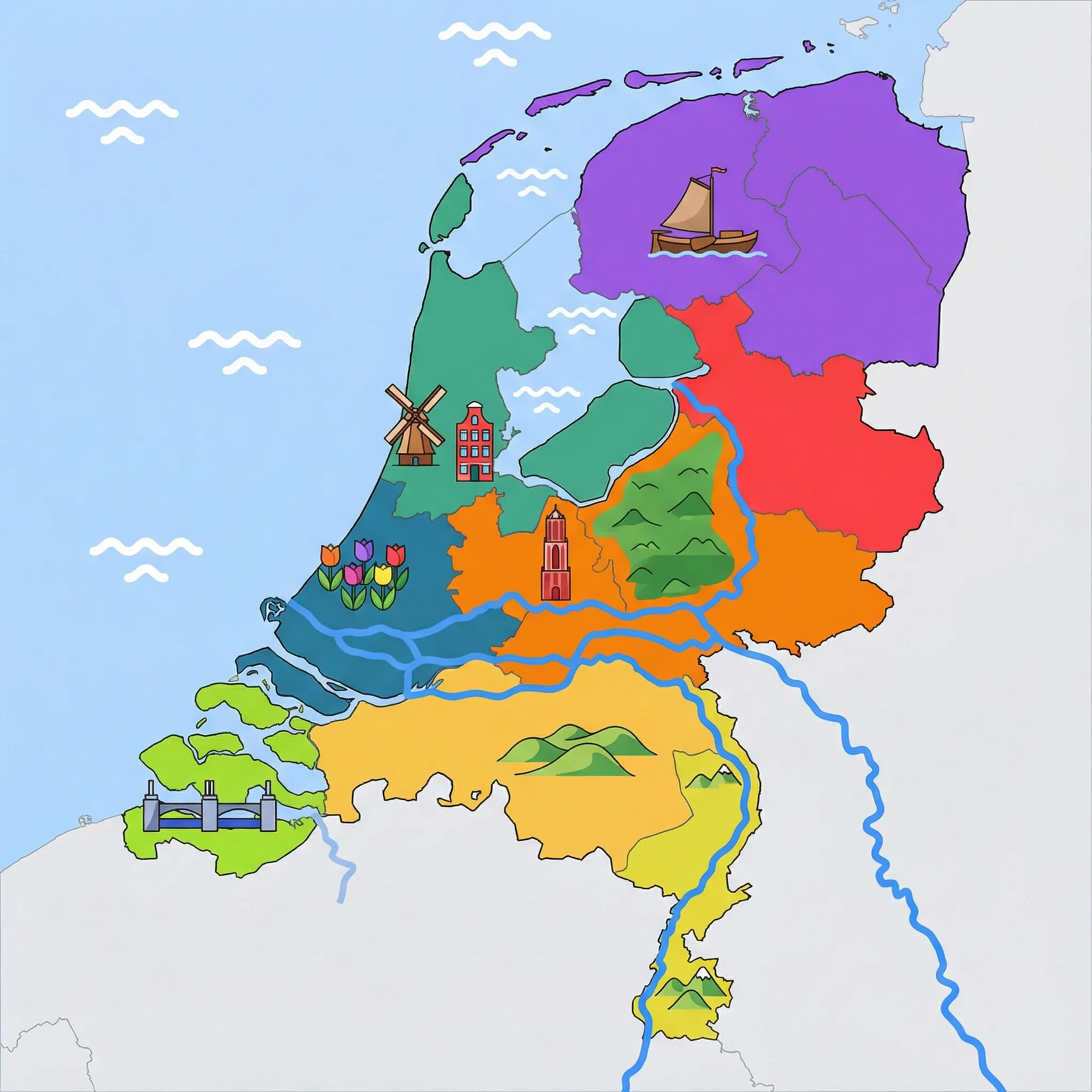
Click a region to explore
Overview
The Northern Netherlands (Friesland, Groningen, and Drenthe) feels like a different country compared to the busy west. This is a land of space, silence, and water. For families, it offers a sense of freedom that is hard to find elsewhere in Europe. The province of Friesland is dominated by lakes and waterways, making it a paradise for sailing and boating holidays. You don't need a license to rent a small sloop, allowing families to navigate the calm waters at their own pace. To the north lies the Wadden Sea, a UNESCO World Heritage site where the sea retreats at low tide, revealing vast mudflats teeming with life.
Drenthe, known as the "prehistoric province," offers a different landscape of forests, heathlands, and mysterious ancient monuments. The pace of life here is slower, the people are down-to-earth, and the crowds are minimal. It is an ideal region for active families who enjoy cycling flat paths, canoeing, and exploring nature without the pressure of long queues. The culture is distinct, with Friesland even having its own official language (Frisian), which adds a layer of educational discovery to the trip.
Key Attractions
The connection to water is the defining feature here. A visit to the Afsluitdijk Wadden Center provides a fascinating look at how the Dutch engineer their existence against the sea, located on the massive causeway that protects the country. For a more hands-on animal experience, AquaZoo Leeuwarden allows children to get remarkably close to aquatic animals in a beautifully designed park. If your family loves history, Fortress Bourtange in Groningen is a star-shaped fortified village that looks exactly as it did in 1742, complete with reenactments and cannons that thrill younger visitors.
In Drenthe, the history goes back much further. The Hunebedcentrum explains the mystery of the 'hunebedden'—massive stone burial chambers built by funnel-beaker people 5,000 years ago. You can see the largest one, Hunebed D27, right next to the museum; kids are often awestruck by the sheer size of stones moved without machinery. For a day of pure play and rural culture, the Museum Village Orvelte offers a car-free environment where historic thatched farmhouses are still lived in and worked, allowing kids to see traditional crafts in action.
Practical Advice
Summer (July–August) is the best time for island hopping and water sports, though the region is beautiful in spring. If visiting the Wadden Islands, book ferries in advance as they fill up. This region is very car-dependent compared to Amsterdam, so renting a vehicle is highly recommended.
Food & Drink
Typical meal times: Lunch 12:00 pm to 1:30 pm. Dinner is strictly early, often 5:30 pm to 7:30 pm. Restaurants in rural areas may close kitchens by 8:00 pm.
Typical meal costs: Very reasonable. A family dinner costs €60–90 (approx. $65–95 USD / £50–75 GBP).
Dietary requirements: Good in cities like Groningen and Leeuwarden, but rural countryside inns (eetcafés) may have limited vegetarian options beyond cheese or goat cheese salads. Gluten-free bread is usually available if asked.
Signature dishes:
- Fries Suikerbrood – Frisian sugar bread, a decadent loaf baked with lumps of white sugar and cinnamon, often served with butter.
- Groninger Metworst – A dried, smoked pork sausage with a strong clove flavor, perfect for picnics.
- Kniepertjes – Thin, hard, sweet waffles traditionally eaten around New Year's but available year-round in Drenthe.
Why this score?
Families can engage in unique activities like mudflat walking (wadlopen) on the Wadden Sea or exploring the remote Frisian islands. The expansive, wind-swept landscapes and large lake systems offer a more rugged, nature-focused experience than the urbanized Randstad.
Why this score?
The city of Groningen is home to a major university medical center (UMCG) providing world-class care and specialized services. However, medical access on the remote Wadden Islands can be more challenging, sometimes requiring helicopter transport for urgent emergencies during bad weather or off-peak hours.
Why this score?
This northern region is primarily a domestic and regional destination, popular with Dutch and German tourists for sailing and seaside holidays. While the Wadden Sea is a UNESCO site, it remains relatively niche for international travelers compared to the southern provinces.

This is one of the most affordable regions in the Netherlands. Family camping is huge here, with high-quality sites costing €25–45 (approx. $27–49 USD / £21–38 GBP) per night. Hotels are reasonably priced at €90–130 (approx. $97–140 USD / £77–110 GBP). Dining out offers excellent value, especially in the student city of Groningen.

Getting Here & Around
Getting Here
- Airports – Groningen Airport Eelde (GRQ) has limited flights. Most international travelers arrive at Amsterdam (AMS) and drive (1.5–2 hours).
- Train – Direct trains run from Amsterdam/Schiphol to Leeuwarden and Groningen (approx. 2 hours).
- Driving – The Afsluitdijk Wadden Center is located on the A7 causeway, a spectacular drive connecting North Holland to Friesland.
Getting Around
- Car – Essential for exploring Drenthe's dolmens and the rural expanses of Friesland. Traffic is light.
- Ferry – Ferries connect the mainland to the Wadden Islands (e.g., Harlingen to Terschelling). Cars are not allowed on Vlieland and Schiermonnikoog (park at the harbor).
- Boat – Renting a small motorboat is a popular way to travel between towns in the Frisian Lakes area.
Nearby Airports (1 airport)
Eelde
GRQGroningen
View full flight map for Netherlands →
Official Links

Packing List
Essential if you plan to go 'wadlopen' (mud walking); the mud will ruin nice shoes and suction can pull off low shoes.
The Wadden Sea is a prime spot for seal watching and birding; optics enhance the boat trips significantly.
Drenthe is heavily forested with heathlands where ticks are common; daily checks are necessary.
The coastal winds are consistent and strong, making this a premier region for kite flying.
Locals cycle in all weather; these slip over regular clothes to keep you dry during sudden showers.
Some smaller grocery stores (Albert Heijn) and shops still do not accept non-EU credit cards.
Public toilets in train stations and department stores almost always charge a small entry fee.
Essential if renting a bike to keep the seat dry when parked outside in the damp Dutch climate.
Plastic bags are never free; shops charge for them and locals always carry their own shoppers.

Activities & Best Times

Hiking, wildlife, outdoor exploration, ecotourism
Home to the UNESCO-listed Wadden Sea, the region provides unique 'wadlopen' (mudflat walking) and exceptional bird-watching in its diverse National Parks. Best experienced from late spring to early autumn when the tides and temperatures permit safe exploration of the intertidal zones.

Urban tourism, museums, historical sites, architecture
Groningen's vibrant atmosphere and the historic star-fortress of Bourtange offer authentic Dutch heritage away from mass tourism. Peak season covers the warmer months for canal-side dining, with a minor shoulder peak in December for atmospheric winter markets.

Sport tourism, fitness activities, active recreation
Renowned for its extensive cycling infrastructure and unique maritime activities requiring specific local expertise, such as sailing on the Frisian lakes. Peak season follows the optimal window for both long-distance cycling and safe water sports.

Beach resorts, marine activities: diving, snorkelling, kite surfing, wind surfing, sailing
The Wadden Islands offer pristine, windswept beaches and world-class kite-surfing, though North Sea temperatures limit swimming to high summer. Peak months align with school holidays and the warmest water temperatures, while winters are too harsh for coastal recreation.

Learning experiences, scientific sites, historical education
The region hosts the world-renowned Seal Centre Pieterburen and the UNESCO-listed Royal Eise Eisinga Planetarium, offering significant scientific engagement. These facilities are primarily visited during school holiday peaks but offer consistent year-round learning opportunities.

Events, celebrations, seasonal attractions
TT Assen draws 100k+ visitors for the Dutch MotoGP round and is internationally significant in motorsports. However, it's primarily a single-event destination. 'Good' is appropriate rather than 'marginal'.

Scenic drives, countryside tours, route-based travel
Iconic routes like the 'Elfstedentocht' and the Hunebed Highway showcase a landscape of prehistoric dolmens and historic maritime towns. Driving is best in summer when visibility is high and rural villages are most active.

Amusement parks, family entertainment venues
Features high-quality, immersive concepts like Wildlands Adventure Zoo which blends wildlife encounters with amusement park elements. Optimal visiting occurs during the warmer months, as much of the experience is outdoors and weather-dependent.

Spa retreats, wellness centers, peaceful getaways
Thermen Bad Nieuweschans provides a destination-level thermal experience based on local saline springs, unique in the Netherlands. It serves as an ideal retreat during the cold winter months, though it remains a niche attraction for international families.

Attractions (31 total)



Public Holidays & Calendar Next 12 months
Public holidays, festivals, cultural celebrations, and seasonal natural phenomena coming up in Friesland & North over the next 12 months.
Loading holidays and events...

Travel Advisory
While the Netherlands is a safe destination, international agencies are split between standard precautions and elevated caution, primarily due to regional concerns regarding terrorism and urban petty crime.
Safety Topics
Traveller Advice (3 groups)

The Netherlands is highly progressive with strong legal protections; however, standard safety awareness is recommended as in any major international destination.

Personal safety risks are generally low, but travelers should exercise standard caution, especially when traveling alone at night or in less populated areas.

Maintain awareness of your surroundings in crowded tourist areas and on public transport. Always carry valid government-issued identification if you are over 14 years old.
Agency Summaries
While there are no travel restrictions, visitors should be aware of a high threat of terrorism and the risk of petty theft in major cities like Amsterdam.
Increased vigilance is recommended because terrorist organizations continue to plan potential attacks in the country targeting public areas and transportation hubs.
Travelers should remain very vigilant due to the persistent threat of terrorism. Petty crime like pickpocketing is a concern in urban centers and crowded areas.
Heightened vigilance is advised due to the security environment and the threat of terrorist activity. Petty crime is also frequently reported in public spaces.
The country is generally safe, though travelers should be alert to terrorism risks and safeguard belongings against common street crime in tourist hotspots.
Visitors should follow standard safety procedures as they would in any European destination. Be mindful of pickpockets in busy urban environments.
Information is provided for general guidance only and does not constitute travel, safety, medical, or legal advice. Conditions may change. Users are responsible for independently verifying information before travel.