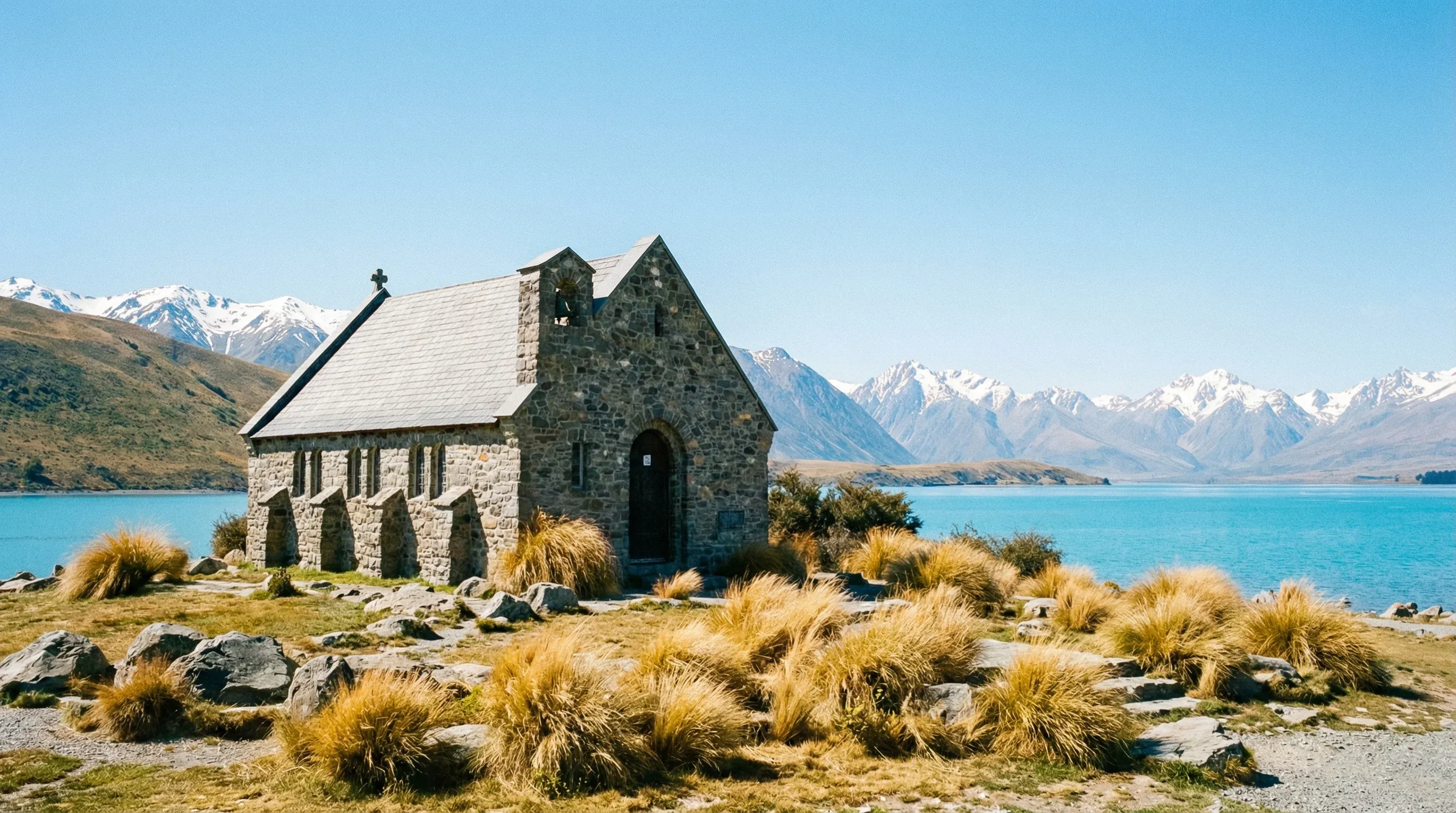

Canterbury & Christchurch
vast plains, alpine peaks, and starry skies 🏔️✨
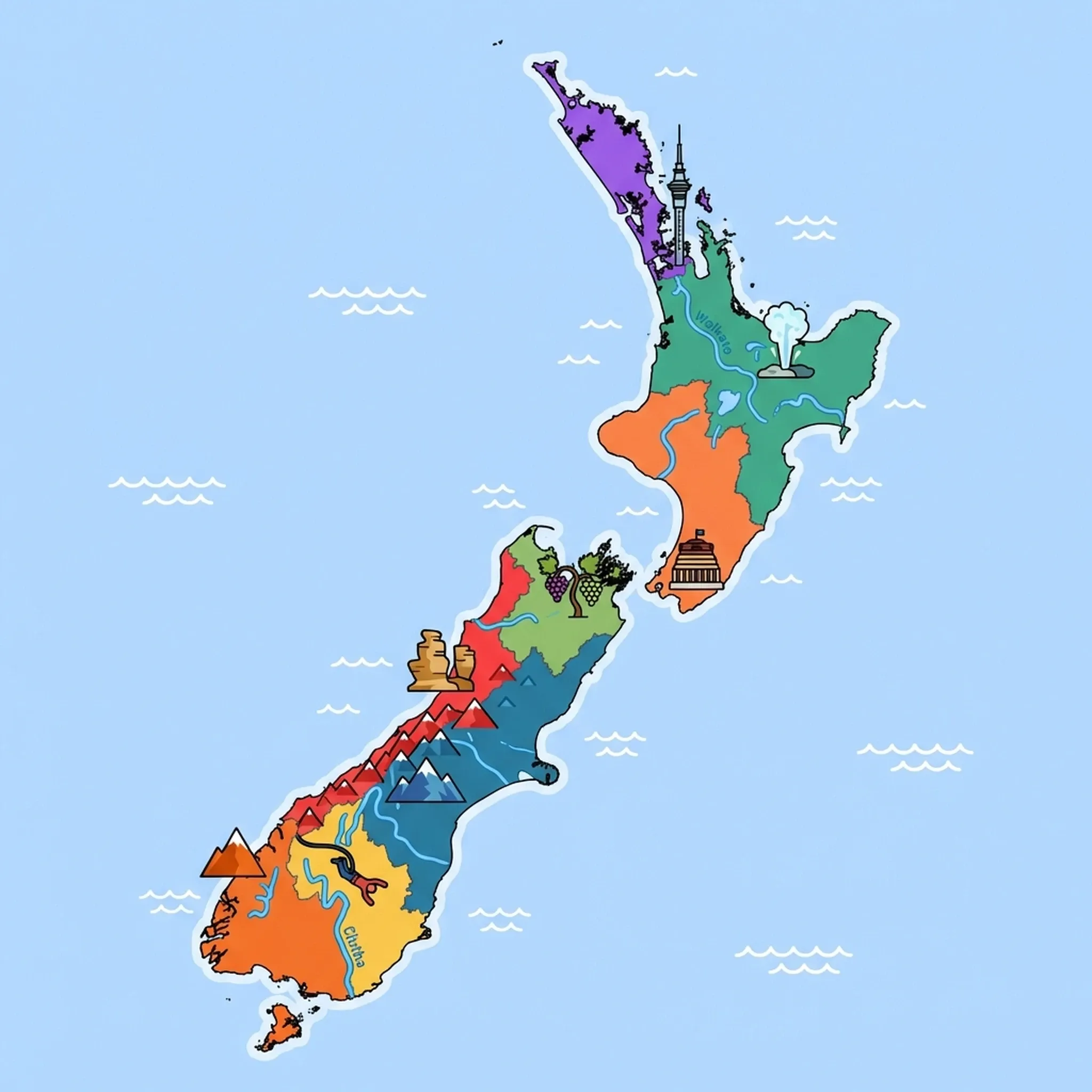
Click a region to explore
Canterbury offers a landscape of grand proportions, stretching from the sparkling Pacific Ocean across the flat patchwork of the Canterbury Plains to the jagged, snow-capped Southern Alps. At its heart lies Christchurch, a city that has reinvented itself following the 2011 earthquakes. It is now a vibrant, modern city where heritage buildings stand alongside creative street art and innovative architecture. For families, Christchurch is incredibly welcoming, known as the "Garden City" for its massive green spaces like Hagley Park and the Christchurch Botanic Gardens. The Avon River meanders through the centre, offering gentle punting boat rides that feel like a slice of old England, while the Port Hills offer easy adventure just minutes from the CBD.
Venture beyond the city, and the scenery becomes cinematic. The drive inland toward the Mackenzie Basin is one of the world's great road trips. As you approach the mountains, the lakes turn a surreal, milky turquoise blue—a result of glacial rock flour suspended in the water. This is big sky country. At night, the Aoraki Mackenzie International Dark Sky Reserve offers some of the clearest stargazing on Earth, a magical experience for children who may have never seen the Milky Way so clearly. The region also hosts New Zealand's highest peak, accessible via Aoraki / Mount Cook National Park, where safe, flat valley walks allow families to get close to glaciers without needing mountaineering gear.
Key Attractions
Christchurch is the perfect base for family fun. The International Antarctic Centre near the airport is a must-do; families can ride in a genuine Hägglund all-terrain vehicle, survive a simulated Antarctic storm, and meet Little Blue Penguins. In the city centre, the Christchurch Adventure Park offers chairlift rides and ziplining for thrill-seekers. For a more relaxed pace, the Christchurch Botanic Gardens provide vast lawns for picnics and a brilliant playground for younger kids.
Heading inland, the Church of the Good Shepherd at Lake Tekapo is an iconic photo stop, but the real draw for active families is the Hooker Valley Track in Mount Cook National Park. It is a relatively flat, well-graded swing-bridge walk that offers million-dollar views of the mountain and glacial lakes, achievable for most school-aged children. In winter, Mt Hutt Ski Area is the premier destination for snow sports, voted New Zealand’s best ski resort multiple times and very family-friendly.
Practical Advice
Canterbury has hot, dry summers and cold winters. The inland alpine areas can see snow and ice on roads in winter, so carrying chains is mandatory if driving. The sun is harsh; hats and high-SPF sunscreen are non-negotiable.
Food & Drink
Typical meal times: Lunch 12:00 pm–2:00 pm. Dinner usually 6:00 pm–8:30 pm. Rural pubs may stop serving food promptly at 8:00 pm.
Typical meal costs: Main courses in pubs/cafes range from NZ$25–40 (approx. $15–24 USD / €14–22 EUR). A family meal averages NZ$100–140 (approx. $60–85 USD / €55–75 EUR).
Dietary requirements: Christchurch is very accommodating with vegan and gluten-free options. In rural Mackenzie country, options are fewer but usually clearly marked on menus.
Signature dishes:
- Canterbury Lamb – World-famous roast lamb, often served with roasted root vegetables and mint sauce.
- Whitebait Fritters – A seasonal delicacy (spring), these are small translucent fish cooked in an egg-based batter.
- Meat Pie – A staple lunch; look for "Fairlie Bakehouse" pies if passing through the town of Fairlie—legendary in the region.
Why this score?
The region features the Southern Alps and Aoraki/Mount Cook National Park, offering serious alpine environments and challenging multi-day hikes. Activities like whale watching in Kaikoura and skiing at various club fields provide a high degree of physical engagement. While infrastructure is good, the terrain is genuinely mountainous and weather can be extreme, demanding respect from visiting families.
Why this score?
Christchurch is the South Island's primary medical center, offering comprehensive hospital services and specialist trauma care that cater well to tourists. Modern facilities were rebuilt following the earthquakes, ensuring high-quality infrastructure and accessibility. Smaller towns like Hanmer Springs and Kaikoura have adequate clinics for minor issues, though serious cases are transferred to the city.
Why this score?
Christchurch serves as the main hub for the South Island, attracting significant international flows for the Antarctic Centre and as a base for alpine travel. The Mackenzie Basin and Aoraki/Mount Cook are globally recognized icons that draw high volumes of photography and nature tourists. However, the region's vast size means visitor density is lower than in more compact hubs like Queenstown.

Generally more affordable than Queenstown or Auckland. Good value motels are common. Budget NZ$180–280 (approx. $110–170 USD / €100–155 EUR) for family accommodation. Dining is reasonably priced, with plenty of diverse, cheaper eats in Christchurch suburbs.

Getting Here & Around
Getting Here
- Airports – Christchurch International Airport (CHC) is the primary hub for the South Island.
- Train – The Coastal Pacific train runs from Picton to Christchurch (seasonal). The TranzAlpine runs between Christchurch and Greymouth.
- Driving – Christchurch is a central hub. Mount Cook Road (SH80) is the main route inland to the mountains.
Getting Around
- Car – Highly recommended for the Mackenzie Basin and Banks Peninsula. Roads are generally wide and straight on the plains.
- Tram – The historic tram in Christchurch is a tourist attraction but also a convenient way to hop between city sights like the Christchurch Art Gallery Te Puna o Waiwhetū.
- Cycling – The city is very flat and bike-friendly. The Alps 2 Ocean Cycle Trail is a multi-day option for active families.
Nearby Airports (2 airports)
Christchurch International
CHCChristchurch
Timaru
TIUTimaru
View full flight map for New Zealand →
Official Links

Packing List
Essential for stargazing in the Dark Sky Reserve without ruining your night vision.
Temperatures drop sharply at night in the high country, even in summer.
Great for spotting Hector's dolphins in Akaroa or climbers on Mt Cook.
The dry alpine winds and strong sun in the Mackenzie Basin cause chapped lips quickly.
Essential for 'sandflies' (biting midges) in the South Island, which are immune to natural repellents.
The ozone layer is thin here; burn times are 10-15 mins. European/US sunscreens often aren't strong enough.
Single-use plastic bags are banned in all supermarkets and shops. Bring lightweight foldable ones.
Roads are exceptionally winding and hilly, often causing car sickness even in those who rarely suffer from it.
Weather changes instantly ('four seasons in one day'). A light rain shell is vital even in summer.

Activities & Best Times

Hiking, wildlife, outdoor exploration, ecotourism
A world-class hub for wilderness immersion, ranging from whale watching in Kaikoura to the alpine grandeur of the Mackenzie Basin. Peak season offers optimal visibility and accessible trails for exploring diverse ecosystems.

Urban tourism, museums, historical sites, architecture
Christchurch offers a sophisticated blend of heritage architecture, world-class botanical gardens, and a resilient post-earthquake urban identity. Best explored in warmer months when gardens are in full bloom and street life is vibrant.

Sport tourism, fitness activities, active recreation
Boasts exceptional infrastructure for active tourism, notably the Alps 2 Ocean cycle trail and the Christchurch Adventure Park. Best experienced during the dry, stable weather of the New Zealand summer.

Learning experiences, scientific sites, historical education
Features globally significant facilities like the International Antarctic Centre and the Dark Sky Project in Tekapo. These offer unique scientific insights that are standalone motivators for sophisticated families.

Scenic drives, countryside tours, route-based travel
Offers some of the world's most scenic drives, including the Great Alpine Highway and the road to Mount Cook. Summer ensures safe driving conditions and clear views of the Southern Alps.

Winter sports, ski resorts, snow activities
Home to major commercial fields like Mt Hutt and authentic club fields, offering a unique but rugged alpine experience. The season is relatively short, with peak snow reliability in mid-winter.
Amusement parks, family entertainment venues
Centred on the Hanmer Springs Thermal Pools complex, which provides a high-quality, family-oriented entertainment experience. High demand occurs during summer and winter school holiday periods.

Beach resorts, marine activities: diving, snorkelling, kite surfing, wind surfing, sailing
Notes explicitly mention 'temperate waters' - this is a cold-water coastal destination suitable for surfing/walking, not beach holidays. International beach tourism requires warm, swimmable waters.

Spa retreats, wellness centers, peaceful getaways
Focuses on natural thermal springs at Maruia and Hanmer, providing a restorative escape. These facilities are most appealing during the cooler months when the thermal waters provide a stark contrast to the alpine air.

Attractions (27 total)



Public Holidays & Calendar Next 12 months
Public holidays, festivals, cultural celebrations, and seasonal natural phenomena coming up in Canterbury & Christchurch over the next 12 months.
Loading holidays and events...

Travel Advisory
All major international agencies categorize New Zealand as a low-risk destination where standard safety awareness is sufficient for travellers.
Safety Topics
Traveller Advice (4 groups)

Outdoor conditions and alpine weather can change violently and without warning. Hikers (trampers) should register their plans with the Department of Conservation and carry a Personal Locator Beacon (PLB) when heading into remote areas.

Ensure you have a valid NZeTA or visa before departure. Complete the digital New Zealand Traveller Declaration (NZTD) prior to arrival. Comprehensive travel insurance is highly recommended even with reciprocal healthcare agreements.

The social and legal environment is highly inclusive, with no specific safety warnings for sexual or gender minorities.

While generally safe, solo female travellers should follow standard safety protocols and remain vigilant when out at night in less populated urban areas.
Agency Summaries
Safety conditions are comparable to Australia. Travellers must complete the mandatory New Zealand Traveller Declaration (NZTD) before arrival. There is a noted increased risk of measles, and visitors are encouraged to be up-to-date on vaccinations.
Standard vigilance is recommended. Visitors must obtain a New Zealand Electronic Travel Authority (NZeTA) before arriving. Practical advice focuses on emergency contacts and precautions against petty theft.
Travellers should maintain standard safety awareness. Key concerns include petty crime like pickpocketing in urban and tourist areas, as well as natural hazards such as seismic and volcanic activity. The terrorism threat level is monitored but considered a general risk.
The country is considered safe for travel with standard precautions. Information is provided regarding volcanic hazards, specifically at Whakaari/White Island, and geological monitoring through local services like GeoNet.
No major travel warnings are in place. The advice highlights environmental risks such as tsunamis and earthquakes, alongside strict biosecurity regulations and entry requirements for British nationals.
Information is provided for general guidance only and does not constitute travel, safety, medical, or legal advice. Conditions may change. Users are responsible for independently verifying information before travel.