
Queenstown & Southern Lakes
Adventure, alpine lakes, and world-class fun 🚤🏔️
Click a region to explore
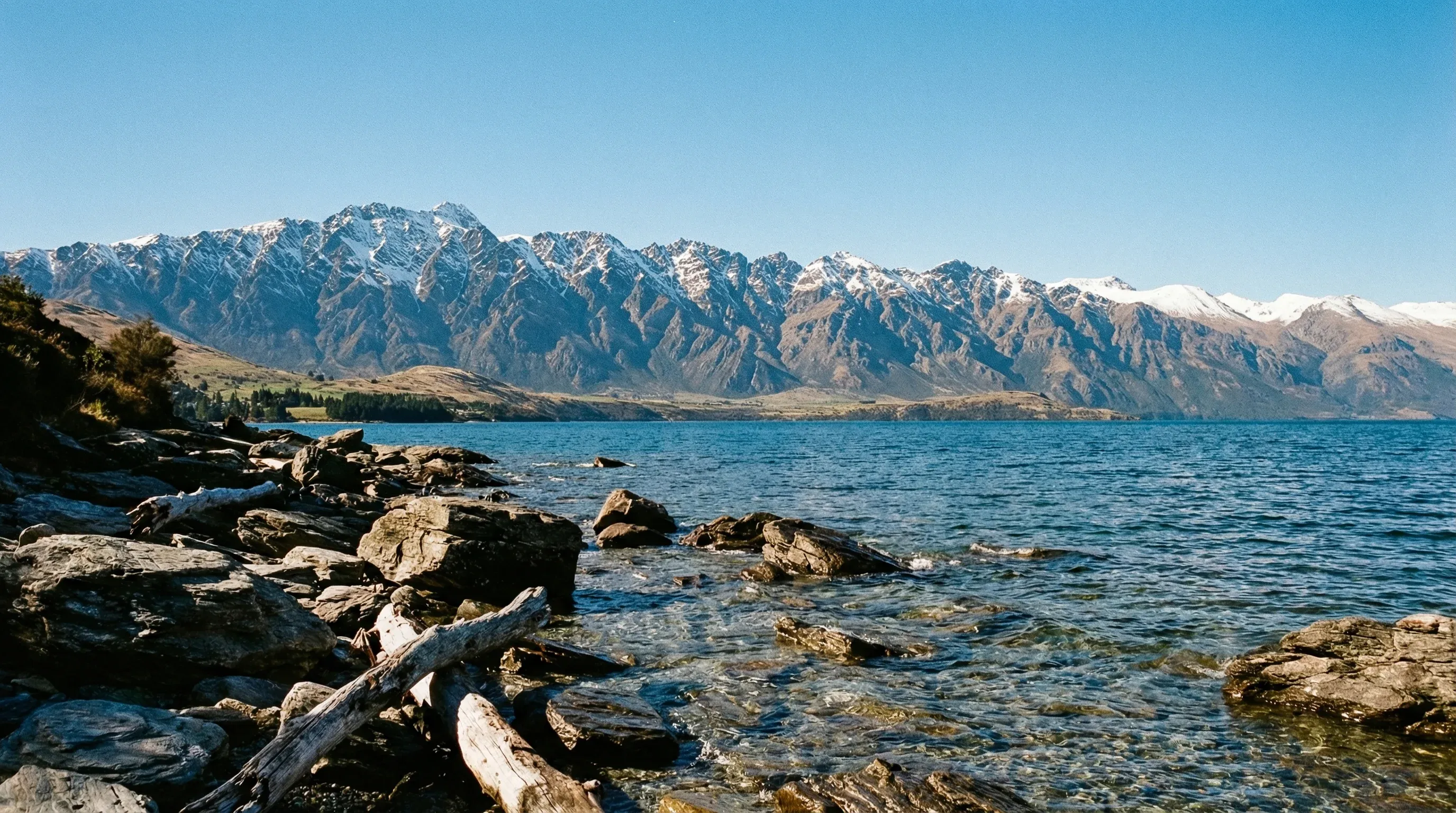
Queenstown is the poster child for New Zealand tourism, and for good reason. Set against the dramatic backdrop of the Remarkables mountain range and the deep blue Lake Wakatipu, it is visually breathtaking. While it has a reputation for extreme sports, it is incredibly well-set-up for families. The energy here is infectious; it's a resort town where the days are filled with activity and the evenings with dining by the lake. Just an hour's drive over the Crown Range lies Wanaka, Queenstown's slightly more relaxed sibling. Wanaka offers similar alpine beauty but with a slower pace that many families with younger children prefer.
The region is a four-season destination. In winter (June–September), it is the premier ski hub of Australasia. In summer, the long twilights (sun setting after 9:00 pm) mean you can hike, bike, or luge well into the evening. The area is also steeped in history; the gold rush of the 1860s left behind charming heritage towns like Arrowtown, where kids can still pan for gold in the river. The juxtaposition of high-octane thrills and serene nature walks makes it unique—you can scream on a jet boat in the morning and quietly feed ducks in the Queenstown Gardens in the afternoon.
Key Attractions
Queenstown is built for fun. A trip up the Skyline Queenstown gondola is mandatory; at the top, the Luge (gravity-fuelled go-karts) is a massive hit with kids and parents alike. For a classic NZ thrill, the Shotover Jet Activity Centre offers high-speed boat spins through narrow canyons—exciting but safe for children over a certain height. History comes alive at the Arrowtown Chinese Settlement, a restored village that tells the hard story of early gold miners.
Over in Wanaka, Puzzling World is a legendary attraction featuring a giant 3D maze and rooms of optical illusions that will baffle and delight children for hours. Nature lovers should head to the Lake Wakatipu waterfront or take the scenic drive towards Glenorchy. In winter, Cardrona Alpine Resort Mountain Park is widely considered the best family ski field, with excellent ski schools and childcare facilities.
Practical Advice
This is the most popular region in NZ, so book everything early. Parking in Queenstown centre is notoriously difficult and expensive; use hotel shuttles or buses where possible. It gets very cold in winter (-5°C) and hot in summer (30°C), so pack accordingly.
Food & Drink
Typical meal times: All day dining is common. Dinner peaks 6:30 pm to 8:30 pm. Restaurants fill up fast; reservations are essential in peak season.
Typical meal costs: Expensive. A basic burger meal is NZ$20–25 (approx. $12–15 USD / €11–14 EUR). A family dinner with drinks will easily hit NZ$150–200 (approx. $90–120 USD / €80–110 EUR).
Dietary requirements: Excellent. As an international resort, every dietary need is catered for, from vegan fine dining to gluten-free bakery treats.
Signature dishes:
- Fergburger – A cult phenomenon. Massive gourmet burgers that people queue an hour for. (Pro tip: Phone order ahead).
- Stone Fruit – In summer, the nearby town of Cromwell produces world-class cherries, apricots, and peaches sold at roadside stalls.
- Southland Cheese Rolls – The local comfort food; simple, cheesy, and warming after a day on the slopes.
Why this score?
The region is the epicenter of commercial adventure, offering bungee jumping, jet boating, and world-class skiing that push physical boundaries. Beyond the commercial activities, the surrounding Southern Alps provide rugged backcountry access and challenging alpine hikes like the Ben Lomond track. It is the gold standard for high-octane family adventure in a stunning, high-altitude setting.
Why this score?
Queenstown has a modern local hospital (Lakes District Hospital) and numerous high-quality private medical clinics geared towards tourists and sports injuries. While it lacks some tertiary specialties found in larger cities, it is highly efficient at processing international insurance and treating adventure-related trauma. Complex cases are quickly stabilized and transported to Dunedin via dedicated air ambulance.
Why this score?
Queenstown is the 'Adventure Capital of the World' and a premier global destination that stays busy year-round with skiers and summer thrill-seekers. It boasts the highest concentration of tourism-specific infrastructure in the country, including luxury hotels, international dining, and diverse attractions. Its brand recognition is second only to Auckland in the New Zealand context.

The most expensive region in New Zealand. Accommodation prices soar in peak summer and winter, often exceeding NZ$400 (approx. $240 USD / €220 EUR) per night for a basic family room. Activities add up quickly; a family day out doing jet boats and gondolas can cost NZ$500+ (approx. $300 USD / €275 EUR).

Getting Here & Around
Getting Here
- Airports – Queenstown Airport (ZQN) handles international and domestic flights. The approach through the mountains is spectacular.
- Driving – Haast Pass (The Heritage Highway) connects to the West Coast. The drive from Christchurch takes about 6 hours.
- Bus – Regular shuttle services connect Queenstown, Wanaka, and Arrowtown.
Getting Around
- Bus – The 'Orbus' network offers cheap $2 fares with a card, covering the main suburbs and Arrowtown.
- Car – Useful for getting to Wanaka or ski fields, but parking in town is a headache.
- Cycling – The Queenstown Trail is a network of off-road trails perfect for family e-bike adventures.
Nearby Airports (3 airports)
Dunedin
DUDDunedin
Wanaka
WKAWanaka
Queenstown
ZQNQueenstown
View full flight map for New Zealand →
Official Links

Packing List
This is the adventure capital; you'll want hands-free video of the luge, jet boats, and skiing.
Legally required to be carried on alpine roads like the Crown Range in winter.
The air is very dry in this alpine climate; kids get dehydrated faster than usual.
Even summer evenings by the lake can get surprisingly chilly once the sun drops.
Essential for 'sandflies' (biting midges) in the South Island, which are immune to natural repellents.
The ozone layer is thin here; burn times are 10-15 mins. European/US sunscreens often aren't strong enough.
Single-use plastic bags are banned in all supermarkets and shops. Bring lightweight foldable ones.
Roads are exceptionally winding and hilly, often causing car sickness even in those who rarely suffer from it.
Weather changes instantly ('four seasons in one day'). A light rain shell is vital even in summer.

Activities & Best Times

Hiking, wildlife, outdoor exploration, ecotourism
A global epicenter for adventure, offering world-class wilderness access and farm experiences that combine high-country heritage with spectacular alpine scenery. Summer is peak for high-altitude hiking, while spring and autumn offer crisp, clear conditions for valley exploration.

Urban tourism, museums, historical sites, architecture
Offers a sophisticated blend of gold-rush history in Arrowtown and a cosmopolitan alpine vibe in Queenstown. Peak seasons coincide with both the summer holiday window and the height of the winter ski social scene.

Scenic drives, countryside tours, route-based travel
Crown Range and Glenorchy roads are internationally iconic drives featured in major films. The region offers multiple world-class scenic routes.

Sport tourism, fitness activities, active recreation
Home to internationally recognized Great Walks and purpose-built gravity mountain biking infrastructure. The primary sport season runs from late spring through autumn, with winter shifting focus toward snow sports.

Winter sports, ski resorts, snow activities
The Southern Hemisphere's premier ski hub, featuring multiple major resorts with high-quality infrastructure. The core season is July and August, with September often providing excellent spring skiing conditions.

Beach resorts, marine activities: diving, snorkelling, kite surfing, wind surfing, sailing
Limited to alpine lakefronts with very cold water temperatures suitable only for brief summer recreation. Not a primary beach destination for international travelers compared to coastal or tropical alternatives.

Learning experiences, scientific sites, historical education
Puzzling World and the National Transport and Toy Museum provide unique, high-quality discovery experiences. These indoor facilities remain accessible year-round but serve as secondary activities to the region's natural draws.

Amusement parks, family entertainment venues
Offers high-quality adventure-themed entertainment like the Skyline Luge, but lacks the scale of major international amusement parks. Best visited during school holiday windows when all family facilities are fully operational.

Attractions (29 total)



Public Holidays & Calendar Next 12 months
Public holidays, festivals, cultural celebrations, and seasonal natural phenomena coming up in Queenstown & Southern Lakes over the next 12 months.
Loading holidays and events...

Travel Advisory
All major international agencies categorize New Zealand as a low-risk destination where standard safety awareness is sufficient for travellers.
Safety Topics
Traveller Advice (4 groups)

Outdoor conditions and alpine weather can change violently and without warning. Hikers (trampers) should register their plans with the Department of Conservation and carry a Personal Locator Beacon (PLB) when heading into remote areas.

Ensure you have a valid NZeTA or visa before departure. Complete the digital New Zealand Traveller Declaration (NZTD) prior to arrival. Comprehensive travel insurance is highly recommended even with reciprocal healthcare agreements.

The social and legal environment is highly inclusive, with no specific safety warnings for sexual or gender minorities.

While generally safe, solo female travellers should follow standard safety protocols and remain vigilant when out at night in less populated urban areas.
Agency Summaries
Safety conditions are comparable to Australia. Travellers must complete the mandatory New Zealand Traveller Declaration (NZTD) before arrival. There is a noted increased risk of measles, and visitors are encouraged to be up-to-date on vaccinations.
Standard vigilance is recommended. Visitors must obtain a New Zealand Electronic Travel Authority (NZeTA) before arriving. Practical advice focuses on emergency contacts and precautions against petty theft.
Travellers should maintain standard safety awareness. Key concerns include petty crime like pickpocketing in urban and tourist areas, as well as natural hazards such as seismic and volcanic activity. The terrorism threat level is monitored but considered a general risk.
The country is considered safe for travel with standard precautions. Information is provided regarding volcanic hazards, specifically at Whakaari/White Island, and geological monitoring through local services like GeoNet.
No major travel warnings are in place. The advice highlights environmental risks such as tsunamis and earthquakes, alongside strict biosecurity regulations and entry requirements for British nationals.
Information is provided for general guidance only and does not constitute travel, safety, medical, or legal advice. Conditions may change. Users are responsible for independently verifying information before travel.